






Česká cesta Trail
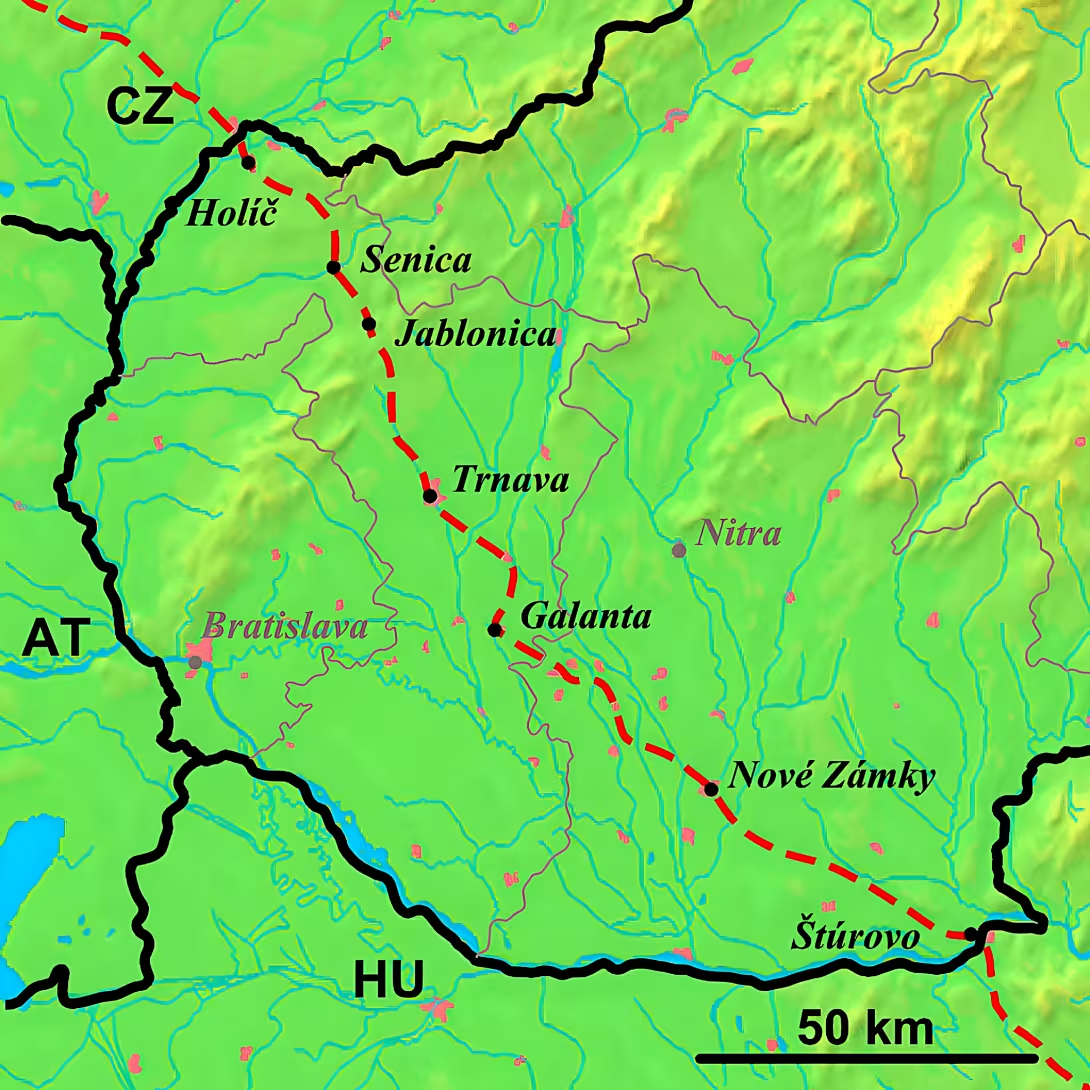
Česká cesta, also known as Via Bohemica, is a historically significant trade route connecting Prague and Buda through present-day southwestern Slovakia. Established in the 11th century, it gained official recognition in the early 14th century under an agreement between Czech King Jan Lucemburský and Hungarian King Karel I. Robert. This route was not only vital for economic activity but also symbolized strategic alliances and political dynamics of its time, deliberately avoiding Vienna to counter Habsburg influence.
The origins of Česká cesta trace back to the 11th century as an informal trade path. Its importance grew over centuries, culminating in formal recognition at the turn of the 14th century through negotiations between Czech King Jan Lucemburský and Hungarian King Karel I. Robert. This reflected a period marked by shifting alliances among regional monarchies. The route's establishment highlighted Czech-Hungarian cooperation against Habsburg influence, underscoring the complex political landscape of Central Europe during this era.
Strategically designed to bypass Vienna, Česká cesta served as an expression of opposition to Habsburg rule and reinforced the alliance between the Czech and Hungarian crowns. Its historical trajectory linked Moravian and Nitra territories—regions known for their strategic significance since pre-Great Moravia times. This alignment facilitated trade and reinforced political ties across these regions.
The formalization of Česká cesta was marked by King Karel I. Robert's issuance of a charter on January 6, 1336. This document listed the towns along the route and underscored its official status, ensuring that merchants from Bohemia could travel to Trnava and then to Buda without paying tolls or customs duties. The protection of this trade path was further ensured by the construction of fortresses and guard towers by Hungarian kings, safeguarding traders and maintaining the route's integrity for approximately 200 years.
Despite its initial prominence, Česká cesta's significance began to wane following the Ottoman conquest of Buda in 1541. The capture of Buda shifted the political landscape, as the Ottomans controlled much of what is now Hungary, including territories up to present-day Slovakia. Consequently, the main Hungarian capital moved to Bratislava, altering trade routes and diminishing Česká cesta's role in regional commerce.
Today, while Česká cesta no longer serves its original purpose as a major trade route, it remains an important historical monument. Its legacy is preserved through the towns and landscapes it once connected, offering insights into medieval European trade and politics. Visitors can explore this historic path to gain a deeper understanding of the region's past and appreciate the strategic alliances that shaped Central Europe.
Česká cesta stands as a testament to the dynamic history of trade and political strategy in medieval Europe. Its story invites exploration and reflection, offering a unique glimpse into the past for those interested in the rich tapestry of European history. Whether you are a history enthusiast or simply curious about the region's heritage, visiting Česká cesta provides an opportunity to connect with a pivotal chapter in Central European history.
Historical milestones
- 1336
- King Karel I. Robert issued a charter on January 6, 1336, formalizing the route and listing towns along it.
Architectural development
The route was intentionally designed to avoid Vienna, reflecting the alliance between the Czech and Hungarian kings against the Habsburgs.
Historical events
In the early 14th century, Česká cesta was officially recognized through negotiations between Czech King Jan Lucemburský and Hungarian King Karel I. Robert.
The route's significance waned after the Ottoman conquest of Buda in 1541.
Points of interest
- Despite its historical significance as a trade route, Česká cesta's decline began with the Ottoman capture of Buda in 1541, which shifted political and economic dynamics across Central Europe.
- The formal recognition of Česká cesta in 1336 by King Karel I. Robert included a unique provision that allowed merchants from Bohemia to travel without paying tolls or customs duties along the route, highlighting its strategic importance for trade.
- Strategically designed to bypass Vienna, Česká cesta served as an expression of opposition to Habsburg influence, reflecting the complex political alliances and rivalries in medieval Central Europe.
- The protection of Česká cesta was ensured by the construction of fortresses and guard towers by Hungarian kings, which safeguarded traders and maintained the route's integrity for approximately 200 years.
- Today, Česká cesta is preserved as a historical monument, offering insights into medieval European trade and politics through the towns and landscapes it once connected, allowing visitors to explore its rich legacy.
Guide
This guide is narrated by a synthetic voice generated by artificial intelligence.
Show guide text
This text was created by artificial intelligence and has not been editorially reviewed. It may contain inaccuracies.
Welcome to the historical site of Česká cesta, a path that whispers tales from centuries past as you stand here today. Imagine yourself stepping into a world where trade and alliances shaped the very fabric of Central Europe. As you look around, envision the ancient route stretching before you, once bustling with merchants and travelers.
Česká cesta, also known as Via Bohemica, was established in the 11th century, but its significance soared when it became an official route by the early 14th century. This transformation came under the agreement between Czech King Jan Lucemburský and Hungarian King Karel I. Robert. It wasn't just a trade path; it symbolized strategic alliances and economic power, deliberately bypassing certain territories to strengthen political ties.
As you walk along this historic trail, take in its atmosphere—a testament to the countless journeys that once traversed these lands. While specific architectural details may not be visible today, imagine the vibrant scenes of commerce and culture that would have unfolded here.
Key figures like Jan Lucemburský and Karel I. Robert played pivotal roles in shaping this route's destiny. On January 6, 1336, King Karel I. Robert issued a charter formalizing Česká cesta, listing the towns along its path—a move that underscored its importance.
One intriguing aspect of this route is how it began to decline following the Ottoman capture of Buda in 1541. This event shifted political and economic dynamics across Central Europe, altering trade routes and alliances.
As you continue your exploration, let your imagination wander through time, envisioning the vibrant history that unfolded along Česká cesta. We invite you to delve deeper into its stories and discover more about this remarkable path. Thank you for joining us on this journey through history.
Tips for visitors
The best time to visit the Česká cesta, or Via Bohemica, is during late spring through early autumn when the weather is pleasant for walking and exploring. This period offers vibrant landscapes and mild temperatures that enhance your experience along this historic route. Additionally, visiting outside of peak tourist seasons can provide a more tranquil journey, allowing you to appreciate the scenic beauty and historical significance without large crowds.
It is advisable to check current routes and schedules in advance using a travel app or online search tool to ensure smooth travel plans.
When planning your visit, consider bringing comfortable walking shoes as the route involves some hiking along historical paths. A hat, sunscreen, and water are essential for protection against the sun, especially during warmer months. Additionally, carrying a map or having a GPS-enabled device can help you navigate the trail effectively. Don't forget to bring a camera or smartphone with a good camera to capture the stunning views and historic sites.
Photography enthusiasts will find several picturesque spots along the Česká cesta where lighting is ideal for capturing the essence of this historical route. Early morning or late afternoon light provides soft, warm tones that beautifully highlight the natural landscapes and architectural details.
Nearby attractions within 30 minutes' travel from the Česká cesta include historically significant sites in Moravian and Nitra territories. These regions are known for their strategic importance since pre-Great Moravia times and offer additional cultural insights through museums, castles, and local heritage sites. Exploring these areas can enrich your understanding of the historical context surrounding the Via Bohemica.
For families with children, the Česká cesta offers a unique opportunity to engage in outdoor activities while learning about history. The route is generally safe for family hikes, but it's important to keep an eye on younger children and ensure they have appropriate footwear. Consider planning breaks at scenic spots where kids can explore nature or enjoy a picnic. Interactive storytelling about the historical significance of the trail can make the journey more engaging for young travelers.
Frequently asked questions
Can the monument be visited?
This is a structure in a public space that can usually be seen from outside free of charge. We have not verified that this particular one is freely accessible.
Businesses nearby
Do you run a restaurant, accommodation, shop, museum, rental, wellness or other visitor service near this monument? Show yourself directly to the people heading to it — this is how they will see you in the app and on the web:
Nearby
The route traversed historically significant regions, including Moravian and Nitra territories, known for their strategic importance since pre-Great Moravia times.
Accommodation nearby
Themed route
Thematic Walking Tour: The Czech Path (Česká cesta)
1. Moravian Territory Historical Markers - Type: Cultural Landmarks - Why Visit: Begin your journey by exploring the historical markers scattered across the Moravian territory, which highlight the strategic significance of this region since pre-Great Moravia times. These markers provide insight into the area's rich history and its role in shaping Central European culture.
2. Nitra Territory Heritage Sites - Type: Cultural Landmarks - Why Visit: Continue your exploration by visiting heritage sites within the Nitra territory, known for their historical importance since ancient times. These sites offer a glimpse into the past, showcasing architectural and cultural developments that have influenced the region over centuries.
3. Czech Path (Česká cesta) - Type: Historical Trail - Why Visit: The main highlight of your tour is the Czech Path itself, a trail traversing both Moravian and Nitra territories. This path offers breathtaking views and connects you with the historical narrative that has unfolded across these lands since pre-Great Moravia times.
4. Nitra Territory Cultural Exhibits - Type: Cultural Landmarks - Why Visit: Conclude your tour by visiting cultural exhibits in the Nitra territory, which celebrate the region's artistic and historical legacy. These exhibits provide a deeper understanding of the local traditions and their significance throughout history.
This thematic walking tour offers a rich exploration of historically significant regions along the Czech Path, immersing you in the cultural heritage that defines these territories.
Seasonal recommendations
Spring: The Czech Path comes alive with vibrant colors as wildflowers bloom along the trail, creating a picturesque backdrop for walkers and nature enthusiasts. The gentle warmth of spring encourages an influx of visitors eager to experience the rejuvenation of the landscape after winter's dormancy. During this season, it is advisable to wear layers; mornings can be brisk while afternoons may become pleasantly warm. To fully enjoy the blossoming scenery without the crowds, consider visiting early in the day or on weekdays.
Summer: Summer offers an ideal time for exploring the Czech Path with its long daylight hours and pleasant weather conditions. The lush greenery provides a refreshing escape from the summer heat, making it perfect for hiking and picnicking. However, this is also the peak tourist season, so expect larger crowds along popular sections of the trail. To avoid congestion, plan your visit early in the morning or later in the afternoon. Comfortable walking shoes and light clothing are recommended to handle the warmer temperatures.
Autumn: Autumn transforms the Czech Path into a stunning tapestry of reds, oranges, and yellows as deciduous trees shed their leaves. The cooler weather makes this an excellent time for hiking, with fewer crowds compared to summer. The crisp air enhances the sensory experience, making it ideal for photography enthusiasts looking to capture the changing landscape. Layered clothing is essential to accommodate fluctuating temperatures throughout the day. Visiting during weekdays can provide a more serene experience.
Winter: Winter cloaks the Czech Path in a quiet stillness, with snow-covered landscapes offering a unique and tranquil beauty. The path can be particularly enchanting under moonlight or when illuminated by soft winter sunsets, creating magical scenes for those who venture out. However, accessibility may vary depending on weather conditions, so it's important to check trail status beforehand. Warm clothing, including insulated layers, gloves, and sturdy boots with good traction, is essential for comfort and safety. Early morning visits can help avoid the chilliest parts of the day while enjoying the peaceful atmosphere.
Visualizations and artistic views


The visualisations are generated by artificial intelligence and serve as inspiration.
Photos from the area
Real photos taken near the monument


Zdroj a licence jsou uvedeny u každého snímku.
Atmosphere of the place
This atmospheric visualisation of the place and period was generated by artificial intelligence. It is not real footage of the location.
Tips from visitors
No tips yet. Be the first!
Log in and add your tip.
Sources and literature
Faktickým podkladem tohoto textu byl článek na Wikipedii, jehož autory jsou přispěvatelé Wikipedie. Článek je dostupný pod licencí CC BY-SA 4.0.
Location on the map
Fotografie návštěvníků
Zatím žádné fotografie. Buďte první, kdo přidá fotografii z návštěvy!
Log in a přidejte svou fotografii nebo hodnoťte.
Za ověřenou návštěvu v aplikaci získáte víc bodů — poznáme podle GPS, že jste na místě.
Reviews and comments