






Cimburk (hradiště) Hillfort
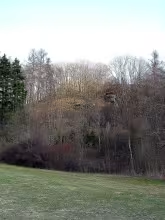
Cimburk is a prehistoric and early medieval fortification located on the southern edge of Kutná Hora in Středočeský kraj, Czech Republic. It sits at the boundary between Bylany u Kutné Hory and Kutná Hora na ostrožně, overlooking the left bank of the Vrchlice River. Recognized as a cultural monument due to its historical significance, Cimburk has served various roles over time, including as a settlement and refuge, linked to the region's rich mineral resources.
The origins of Cimburk trace back to the Eneolithic period when it was first settled and fortified by members of the Bell Beaker culture. This era marked significant cultural developments across Central Europe, characterized by advancements in metallurgy and expanding trade networks. The site's strategic location outside the main Přemyslid domain linked it to the Kolín-Kutná Hora region, serving as an occasional settlement and refuge rather than a central administrative or economic hub.
Architecturally, Cimburk was constructed on an elevated plateau known as Homole, surrounded by valleys. The initial Eneolithic defenses comprised two lines of ramparts and ditches with sloped walls and flat bottoms. These fortifications were later supplemented during the Hallstatt period with a ditch, embankment, and palisade. Additionally, remnants from the Bronze Age include a bastion or tower discovered on the acropolis.
Throughout its history, Cimburk underwent several phases of fortification. After its initial construction in the Eneolithic period, it was re-fortified during both the Bronze Age and Hallstatt periods. The final phase occurred during the Iron Age, resulting in a two-part fortress structure. These successive enhancements reflect the site's ongoing importance as a defensive stronghold.
The name "Cimburk" is derived from a former mill named after an ancient castle, highlighting its historical ties to local legends and structures. Despite not being a central administrative or economic center, Cimburk's proximity to Kutná Hora—a region known for mining and minting activities—underscores its strategic significance.
Archaeological interest in Cimburk began with Emanuel Leminger’s research in the late 19th century, prompted by the establishment of a military shooting range nearby. Subsequent investigations were conducted by Eva Lehečková between 1968 and 1969, followed by Milan and Marie Zápotocký from 1989 to 1990. These studies have significantly contributed to our understanding of the site's historical layers.
Today, Cimburk stands as a testament to its rich past, offering visitors insights into prehistoric and early medieval life in Central Europe. Its status as a protected cultural monument ensures its preservation for future generations. Visitors are invited to explore this remarkable site, where history is etched into every layer of its ancient fortifications.
Architectural development
The fortification was constructed on an elevated plateau known as Homole, surrounded by valleys. The Eneolithic defenses consisted of two lines of ramparts and ditches with sloped walls and flat bottoms. These were later supplemented during the Hallstatt period with a ditch, embankment, and palisade. A bastion or tower was discovered from the Bronze Age.
Historical events
First settled and fortified during the Eneolithic period by members of the Bell Beaker culture.
Re-fortified during the Bronze Age and Hallstatt period.
Further fortification occurred during the Iron Age, featuring a two-part fortress.
Points of interest
– The site of Cimburk is linked to the Bell Beaker culture from the Eneolithic period, known for its significant advancements in metallurgy and trade networks across Central Europe. This connection highlights the early cultural exchanges that influenced the region.
– During archaeological excavations, a bastion or tower from the Bronze Age was uncovered on the acropolis of Cimburk, providing insights into the architectural evolution and defensive strategies employed over different historical periods.
Guide
Show guide text
This text was created by artificial intelligence and has not been editorially reviewed. It may contain inaccuracies.
Welcome before Cimburk, a historical monument located on the southern edge of Kutná Hora in the Central Bohemian Region. You are standing before a stronghold that dominates the border between the municipalities of Bylany u Kutné Hory and Kutná Hora na ostrožně, with a view of the left bank of the Vrchlice River.
Let's move back in time and consider how this place came to be. The first archaeological research was conducted by Emanuel Leminger at the end of the 19th century. Further investigations followed in the years 1968-1969, led by Eva Lehečková, and from 1989-1990, research was carried out by Milan and Marie Zápotocký.
Let's now focus on the architecture of this site. Cimburk is an example of a stronghold that was not created according to any particular architectural school. There is no architect's name we can mention here. What is important, however, is that Cimburk was used in various periods of history, including the Eneolithic period when the bell-shaped pottery culture developed here. This period is known for significant advances in metallurgy and trade networks across central Europe.
These connections highlight early cultural exchanges that influenced this region.
Note that Cimburk is associated with the bell-shaped pottery culture, which is characterized by advancements in metallurgy and trade networks.
Let's now return to its current state. Cimburk is protected as a cultural monument for its historical significance.
Note that Cimburk is an example of an early stronghold that developed over various periods of history.
Let's now return to the present and invite you to explore this site more closely.
Tips for visitors
The best time to visit Cimburk is during late spring or early autumn, when the weather is mild and pleasant for exploring outdoor sites. These seasons offer comfortable temperatures and fewer crowds, allowing you to enjoy the scenic views of the Vrchlice River valley and Bylanka stream without the summer heat or winter chill. Additionally, visiting in these months can provide optimal lighting conditions for photography, with softer sunlight enhancing the natural beauty of the landscape.
Parking and transportation options are convenient for visitors to Cimburk. There is parking available near the site, making it accessible by car. Alternatively, you can reach Cimburk using public transport; Kutná Hora has a well-connected network that facilitates easy access to the area. It's advisable to check current routes and schedules in advance to ensure smooth travel plans.
When planning your visit, consider bringing comfortable walking shoes as exploring the site involves some hiking over rocky terrain. A hat, sunscreen, and water are essential for comfort during your exploration, especially if you're visiting in warmer months. Additionally, a camera or smartphone with a good camera will help capture the stunning views and historical features of Cimburk.
Photography enthusiasts will find several spots around Cimburk ideal for capturing its beauty. The best light is usually found during the golden hours—shortly after sunrise or before sunset—when the sunlight casts long shadows, adding depth to your photos. The rocky slopes and river valleys provide dramatic backdrops that highlight the fortification's historical significance.
Nearby attractions within a 30-minute drive include Kutná Hora itself, renowned for its well-preserved medieval architecture and UNESCO World Heritage status. Visitors can explore the historic town center, visit the Sedlec Ossuary, or take a tour of the ancient mint where silver coins were historically produced. These sites offer additional cultural insights into the region's rich history.
Businesses nearby
Nearby
Cimburk is situated near Kutná Hora, known for its historical mining and minting activities. The surrounding landscape includes the Vrchlice River valley and Bylanka stream, with steep, rocky slopes.
Accommodation nearby
Trips and activities nearby
Guided tours, tickets and activities nearby from GetYourGuide
Affiliate link: if you buy from the partner, we may receive a commission. The price for you does not change.
Search tours and activities →Themed route
Cimburk (fortress) Fortress, history, archaeology
Vrchlice River Valley Type: nature reserve, Why visit: Vrchlice River Valley offers a unique opportunity to explore the natural beauty of the surrounding landscape, including the Vrchlice River and its valley. The area is characterized by steep, rocky slopes and a diverse range of flora and fauna.
Bylanka Stream Type: nature reserve, Why visit: Bylanka Stream is a picturesque stream that flows through the valley and offers a peaceful and serene atmosphere. The stream is surrounded by lush vegetation and provides a habitat for various species of fish and other aquatic life.
Kutná Hora Type: city, Why visit: Kutná Hora is a historic town known for its rich mining and minting history. Visitors can explore the town's well-preserved architecture, visit St. Barbara's Church, and learn about the town's significance in the Middle Ages.
Cimburk (fortress) Fortress, history, archaeology
Seasonal recommendations
Jaro: In the spring season, Cimburk (fortress) is surrounded by blooming trees and flowers, creating a pleasant atmosphere. We recommend visiting the fortress when the weather is sunny and warm to make it worthwhile for you. The best time to visit is in April or May, when the weather is warmest and least rainy.
Léto: During the summer season, Cimburk (fortress) is full of tourists, so we recommend arriving early to secure a good spot for photography. Summer is also an ideal time for walks and excursions in the surrounding area where you can discover the beauties of nature. The best time to visit is in June or July, when the weather is warmest and least rainy.
Podzim: In the autumn season, Cimburk (fortress) is surrounded by colorful foliage, creating a beautiful and tranquil atmosphere. We recommend visiting the fortress when the weather is cooler to make it worthwhile for you. The best time to visit is in September or October, when the weather is warmest and least rainy.
Zima: In the winter season, Cimburk (fortress) is surrounded by snow and tranquility, creating a calm and peaceful atmosphere. We recommend visiting the fortress when the weather is cold to make it worthwhile for you. The best time to visit is in December or January, when the fortress is open only for a limited period, so it's better to visit during its opening hours.
Visualizations and artistic views


Vizualizace jsou generovány umělou inteligencí a slouží jako inspirace.
Photos from the area
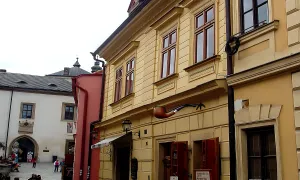
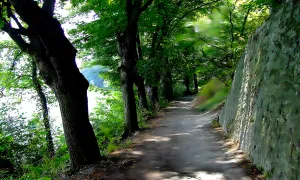
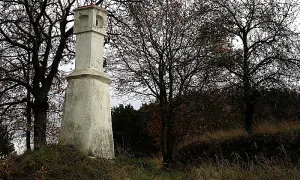
Real photos taken near the monument


Zdroj a licence jsou uvedeny u každého snímku.
Tips from visitors
No tips yet. Be the first!
Log in and add your tip.
Sources and literature
Fotografie: Juan de Vojníkov / CC BY-SA 3.0 — Wikimedia Commons. Autor a licence se zobrazí i po najetí na snímek.
Faktickým podkladem tohoto textu byl článek na Wikipedii, jehož autory jsou přispěvatelé Wikipedie. Článek je dostupný pod licencí CC BY-SA 4.0.
Location on the map
More monuments – Středočeský kraj
Show all in the region
Příběhy a pověsti
Legendy, pověsti a příběhy spjaté s touto památkou
Fotografie návštěvníků
Zatím žádné fotografie. Buďte první, kdo přidá fotografii z návštěvy!
Přihlaste se a přidejte svou fotografii nebo hodnoťte.
Za ověřenou návštěvu v aplikaci získáte víc bodů — poznáme podle GPS, že jste na místě.
Reviews and comments