






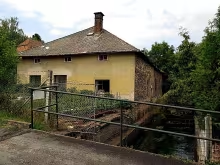
Dolní Mlýn, also known as Josefyho mlýn, is a historic water mill located in Vysoké Mítě within the Pardubický kraj region of the Czech Republic. Built in 1541 on an offshoot canal of the Loučná River called Mlýnský potok, this cultural heritage site features a remarkable inscription from its founding year. This inscription is considered to be the oldest known mill foundation inscription in Bohemia. The mill's significance is enhanced by its association with the Josefy family, who maintained ownership over several centuries.
The origins of Dolní Mlýn date back to 1541 when it was founded by Bernard Jozeff, also known as Josef mlynář. This period marked a time of cultural and economic development in Bohemia, then part of the Holy Roman Empire under Habsburg rule. The mill's establishment reflects advancements in trade and craftsmanship during that era, serving both practical and symbolic purposes within the community.
Architecturally, Dolní Mlýn underwent significant transformation under Bernard Jozeff, who converted it into a stone structure with a gabled roof. The building was designed to include an inhabited section for the miller on the eastern side and a milling room on the western side. Additionally, the complex comprised a stone barn that has been preserved to this day, along with a garden, granary, and cellar—elements that underscored its functional and residential aspects.
Ownership of Dolní Mlýn remained within the Josefy family for several generations. Bernard Jozeff initiated the lineage in 1541, followed by his son Václav Jozeffů until around 1606. The mill then passed to Jakub Jozefů, who held it until at least 1638. Subsequent owners included Jiří Josefy and Václav Josefy, with the latter's tenure ending in 1695. Matěj Josefy took over from 1695 to 1744, succeeded by his son Václav Josef Josefy until 1777. The final known owner was Ignác Vavřinec Josefy, who managed it until 1812.
Throughout its history, Dolní Mlýn has been the site of notable events and curiosities. A significant record from 1551 in municipal books mentions 'Josef mlynář' and details a cellar construction agreement between Bartoň Černej and Josef mlynář. This document highlights early legal and property arrangements crucial for the mill's operation.
Today, Dolní Mlýn is preserved as part of the cultural heritage of the Czech Republic, although it is not publicly accessible. Its historical value lies in its architectural integrity, the remarkable inscription from 1541, and its connection to the Josefy family—a lineage that contributed significantly to local history through various fields such as science, art, and public service.
Visiting Dolní Mlýn offers a glimpse into the rich tapestry of Czech cultural heritage. While direct access may be limited, its historical significance makes it a worthwhile destination for those interested in exploring the legacy of traditional craftsmanship and family lineage in Bohemia.
Historical milestones
- 1541
- The mill was founded by Bernard Jozeff.
- 1551
- A record mentions 'Josef mlynář' and details about a cellar construction.
Architectural development
The mill underwent significant architectural development under Bernard Jozeff, who transformed it into a stone structure with a gabled roof. The building included an inhabited section for the miller on the eastern side and a milling room on the western side. A stone barn, garden, granary, and cellar were also part of the complex.
Historical events
1541: The mill was founded by Bernard Jozeff, marking the beginning of its historical significance.
1551: A record in municipal books mentions 'Josef mlynář' and details about a cellar construction.
Owners
1541–1578: Bernard Jozeff (alias Josef mlynář)
1578–1606: Václav Jozeffů
1606–?: Jakub Jozefů
1651–(1678): Jiří Josefy
1678–(1695): Václav Josefy
(1695)–(1744): Matěj Josefy
(1744)–(1777): Václav Josef Josefy
(1777)– (1812): Ignác Vavřinec Josefy
Points of interest
- Despite its historical significance, Dolní Mlýn is not open to the public, preserving its authenticity and preventing wear from tourism, which is a unique approach compared to many other heritage sites. - The mill's oldest known foundation inscription in Bohemia is not just an architectural feature but also serves as a rare artifact of early 16th-century craftsmanship and cultural identity.
Guide
Show guide text
Welcome to the historic Dolní mlýn, also known as Josefyho mlýn, a remarkable water mill nestled in the district of Vysoké Mýto within the picturesque Pardubický kraj. As you stand here, imagine yourself transported back several centuries to when this structure was first built. The gentle flow of the Mlýnský potok, an offshoot canal from the Loučná River (Trstěnice), adds a serene backdrop to your visit.
Founded in 1541 by Bernard Jozeff, Dolní mlýn is steeped in history and culture. This water mill has been a silent witness to centuries of change, its origins rooted deeply in the industrious spirit of that era. As you gaze upon it now, consider the hands that built this structure over four hundred years ago, their craftsmanship still evident today.
Take a moment to observe the architecture around you. While specific architectural details are not specified, note the timeless quality of its construction. The most striking feature is undoubtedly the mill's foundation inscription from 1541, considered the oldest known in Bohemia. This historic marker speaks volumes about the mill’s enduring legacy and significance.
The narrative of Dolní mlýn is enriched by several key figures from history. Bernard Jozeff, also known as Josef mlynář, was instrumental in its founding. Over the years, members of his family, including Václav Jozeffů, Jakub Jozefů, Jiří Josefy, and others like Matěj Josefy and Ignác Vavřinec Josefy, have been associated with this site, each contributing to its story.
An intriguing aspect of Dolní mlýn is its unique approach to preservation. Unlike many heritage sites that open their doors to the public, Dolní Mlýn remains closed to visitors. This decision helps preserve its authenticity and protects it from the wear and tear of tourism—a thoughtful strategy ensuring that future generations can appreciate its historical integrity.
As you conclude your visit here, let your imagination wander through time, pondering the lives and stories intertwined with this site. Though Dolní mlýn remains a mystery in some ways, its presence is a testament to history's enduring nature. We invite you to continue exploring the surrounding area of Vysoké Mýto, where more tales from the past await discovery.
Thank you for joining us on this journey through time at Dolní mlýn. May your curiosity and appreciation for history be enriched by this experience. Safe travels as you venture further into the wonders of Pardubický kraj!
Tips for visitors
The best time to visit Dolní mlýn is during late spring or early autumn when the weather is mild, and the natural surroundings are particularly beautiful. During these seasons, you can enjoy the lush greenery along the Loučná River and capture stunning photographs of the mill with vibrant foliage in the background. Additionally, visiting outside of peak summer months helps avoid larger crowds, allowing for a more serene experience.
Parking is available near Dolní mlýn, but it's advisable to check local resources or maps for specific locations as they may vary. For those preferring public transportation, you can reach Vysoké Mýto by train and then use local buses or taxis to get closer to the mill. Always verify current transport options using a travel planner or contacting local tourist information centers.
When visiting Dolní mlýn, it's recommended to bring comfortable walking shoes as there are paths around the area that you might want to explore. A camera is also advisable for capturing the picturesque views and historical architecture of the mill. Additionally, consider bringing water and snacks, especially if you plan on spending several hours exploring the site and its surroundings.
For photography enthusiasts, the best spots include the front view of the mill where it reflects in the calm waters of the canal, particularly during early morning or late afternoon when the light is softer. The surrounding natural landscapes also offer excellent opportunities for landscape shots. Be mindful of lighting conditions to avoid harsh shadows and ensure your photos capture the beauty of the site.
Within a 30-minute drive from Dolní mlýn, you can visit other historical sites such as the Vysoké Mýto Castle, which offers insights into regional history with its well-preserved architecture. Additionally, exploring the nearby natural landscapes along the Loučná River provides opportunities for leisurely walks and enjoying scenic views typical of the Pardubický kraj region.
For families with children, Dolní mlýn can be a delightful outing. The surrounding areas offer space for kids to play and explore nature. Consider bringing a picnic to enjoy in one of the open spaces near the river. Engaging children with stories about the mill's history can make the visit more interesting, and there are plenty of opportunities for them to learn while having fun.
Businesses nearby
Do you run a restaurant, accommodation, shop, museum, rental, wellness or other visitor service near this monument? Show yourself directly to the people heading to it — this is how they will see you in the app and on the web:
Nearby
Dolní mlýn is situated near Vysoké Mýto, surrounded by natural landscapes along the Loučná River. The area includes other historical sites and offers scenic views typical of the region.
Accommodation nearby
Themed route
Thematic Walking Tour: Discovering the Charm of Dolní Mlýn and Its Surroundings
1. Dolní Mlýn (Water Mill) - *Type:* Historical Water Mill - *Why Visit:* Begin your journey at the heart of this tour, the historic Dolní Mlýn. This water mill is a testament to traditional milling techniques and stands as an emblematic structure along the Loučná River. Its preserved architecture offers insights into the region's industrial past and provides picturesque views that capture the essence of rural Pardubický kraj.
2. Loučná River Walk - *Type:* Scenic River Path - *Why Visit:* Follow the gentle flow of the Loučná River from Dolní Mlýn to immerse yourself in the serene natural landscapes that define this area. The river walk offers tranquil surroundings and opportunities for leisurely strolls or picnics, with lush greenery and occasional glimpses of local wildlife enhancing your experience.
3. Vysoké Mýto Historical Sites - *Type:* Cultural Landmarks - *Why Visit:* Explore the historic core of Vysoké Mýto, which is in close proximity to Dolní Mlýn. This area boasts a collection of architectural treasures that reflect the town's rich cultural heritage. Walking through its streets allows you to appreciate traditional Bohemian architecture and discover stories from the past embedded within these historical sites.
4. Vysoké Mýto Town Square - *Type:* Urban Center - *Why Visit:* Conclude your tour at Vysoké Mýto's town square, a vibrant hub that captures the spirit of local life. The square is surrounded by charming buildings and often hosts community events, providing an excellent opportunity to engage with locals and experience contemporary Czech culture in this historic setting.
This thematic walking tour offers a balanced exploration of both natural beauty and cultural heritage, ensuring a memorable visit to the region around Dolní Mlýn.
Seasonal recommendations
Spring: The arrival of spring at Dolní mlýn brings a refreshing atmosphere as nature awakens, with blooming flowers and vibrant greenery enhancing the picturesque landscape around the water mill. This season offers softer lighting that beautifully illuminates the historical architecture. Visitors can enjoy peaceful walks along nearby trails, where the gentle sounds of flowing water blend with bird songs. It's recommended to wear comfortable layers, as temperatures may vary throughout the day. Early mornings or late afternoons are ideal for visiting to avoid larger crowds and fully appreciate the serene environment.
Summer: Summer at Dolní mlýn is characterized by long daylight hours that cast a warm glow over the historic site, making it perfect for exploring its rich history in pleasant weather. The lush surroundings provide an inviting atmosphere for picnics or leisurely strolls. This season often attracts more visitors, so arriving early can help avoid crowds and ensure a more relaxed experience. Light clothing is advisable to stay comfortable during warmer days, and carrying water is essential to stay hydrated while enjoying the outdoors.
Autumn: Autumn transforms Dolní mlýn into a stunning tapestry of reds, oranges, and yellows as the leaves change color, creating an enchanting backdrop for photography enthusiasts. The cooler temperatures make this season particularly pleasant for walking tours around the area, allowing visitors to immerse themselves in the historical ambiance without the summer heat. It's advisable to wear layers that can be easily adjusted with the fluctuating weather conditions. Visiting on weekdays might offer a quieter experience compared to weekends.
Winter: Winter at Dolní mlýn offers a unique charm with its snowy landscapes and frosty air, creating a magical atmosphere around the water mill. The shorter days mean limited daylight hours for exploration, so planning an early visit is wise. Visitors should dress warmly in layers to stay comfortable during their tour of this historic site. While some activities might be restricted due to weather conditions, the tranquility of winter can provide a peaceful setting to appreciate the architectural beauty and history of Dolní mlýn without the usual summer crowds.
Visualizations and artistic views


Vizualizace jsou generovány umělou inteligencí a slouží jako inspirace.


Tips from visitors
No tips yet. Be the first!
Log in and add your tip.


Reviews and comments