



Domy čp. 96 a 1121 House
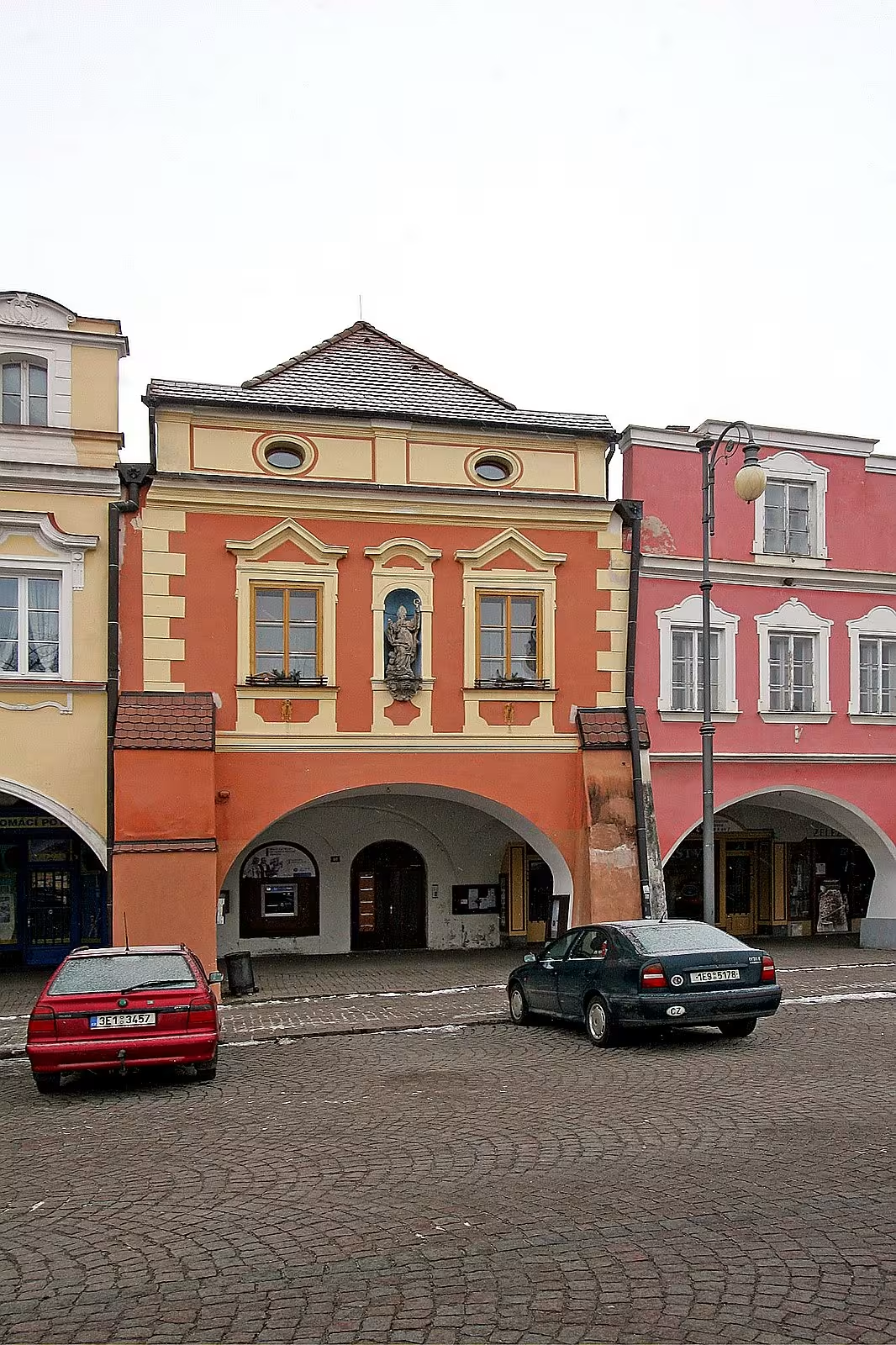
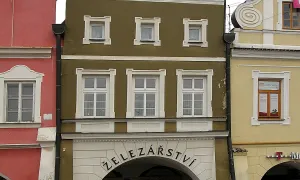
Domy čp. 96 a 1121 are cultural monuments of the Czech Republic. They are located on Smetana Square in the village Litomyšl-Město in the district of Svitavy in the Pardubice region. These are originally Renaissance buildings from the 16th century, which excel in their historical development and architectural details in the city centre.
There are limited reports of the oldest history of objects. However, it is demonstrated that the basic structure of the buildings comes from the Renaissance period. A significant Baroque reconstruction followed around 1730.
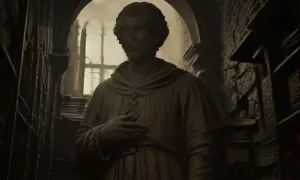
The dominant architectural element is the arch connecting houses to the square. The facade was also transformed during the baroque treatment. A significant detail is the niche between the windows in which the statue of St. Augustine is located. The historical integrity also includes the rear house.
The current state of the monument defines its status as a cultural monument. This guarantees the preservation of the historical nature of urban development. For visitors, these houses represent an authentic example of layering styles from Renaissance to Baroque.
The combination of elongated and religious sculpture in the facade makes the buildings a valuable element of the historical core of Litomysle. When walking through the city centre, it is worth paying attention to the details of the facade, which shows the centuries-old history of these houses.
Points of interest
- They're originally renaissance buildings from the 16th century. A significant Baroque reconstruction took place around 1730. - The dominant element is the arch that connects the houses to the square. - There's a niche in the facade with a statue of St. Augustine. - The historical integrity also includes the rear house.
Guide
Show guide text
This text was created by artificial intelligence and has not been editorially reviewed. It may contain inaccuracies.
Welcome to Litomyšl, in the heart of the Pardubice Region, where history in every corner intersects with the present. Right now, you're standing in front of two buildings carrying home numbers of ninety-six and a thousand hundred and twenty-one. At first glance, you may be interested in their quiet presence within urban space, but it is in this stealth that their value lies. Look at these buildings and see them as part of a wider picture of this beautiful city. These are objects that have been recognised as cultural monuments of the Czech Republic, which means that the state recognises their importance for our common ancestors and our identity.
When you stop and look around, you realize that every wall and every window tells their own story, even though some of them are already secret. These particular houses have a strange situation. Historical records today do not tell us exactly when these buildings were built or who was their author. We do not know the names of architects who drew their plans or the exact reasons why they were introduced in this form. But this ignorance is not a deficiency, but a kind of secret. Imagine all the people who went through them, the families who lived here, and the craftsmen who put their work into the buildings, and yet remained in oblivion of time. It is a reminder that history is not only made up of big names in textbooks, but, above all, thousands of nameless lives that together built the face of our cities.
Now pay attention to the very form of these houses. Since we do not have detailed lists of architectural elements at our disposal, I would like to invite you to my own discovery. Look at the facade of both structures. Notice how they fit into the rhythm of the Litomybyl Center. Follow the roof lines, the layout of the windows and the way the buildings lean on the neighboring houses. Feel the atmosphere of this place. Try to imagine what the street looked like at a time when these houses were new, what sound accompanied by a bunch of horses on the pavement and what the smell was carried through the air. It is in such observation that the greatest joy of walking through the historic city lies. It's a dialogue between you and matter that has lasted decades, maybe even centuries.
When we think about the personalities that might have been connected to these houses, we have to stay in the plane of thought. We don't know any particular famous name that's connected to ninety-six and a thousand hundred twenty-one. And that's where the charm is. These houses do not belong to one great monarch or to a recognised artist. It belongs to all the inhabitants of Litomysl, who, by their daily work, made up the life of the city. They are witnesses to everyday life, silent observers of the changes our country has been going through. Maybe there was a local businessman, maybe a craftsman or a teacher. Each one of them brought their energy and dreams into these spaces.
Here we come to the part that may be most fascinating for you. This whole monument is basically one big mystery. By the time we're used to finding the exact date of laying and the name of the builder, these houses are anomalies. Why don't we know so much about them? Where were the records of their creation lost? It's a fascinating idea that in the middle of a modern world with digital maps and databases, there are places that keep their secrets to themselves. This emptiness in historical data makes us think more and perceive more. They force us to be active explorers, not just passive recipients of information.
Now let's slowly move away from these structures, but keep that feeling of mystery in mind. These two houses are proof that even things we don't know everything about have an irreplaceable value. They are part of the cultural heritage, which reminds us that history is well established and not everything is accessible. They are the silent guardians of the Litomybestian space, which by their mere existence resembles the continuity of time.
Thank you for seeing me at these houses. I hope you felt the same curiosity I did when I looked at them. Litomysl still has many other places waiting for you. Some of them are full of noisy stories and famous names, some are quiet and mysterious like these two numbers, ninety-six and one thousand hundred and twenty-one. I invite you now to explore the city again. Let the streets guide you, follow the details on the facades and look for clues of the past in every detail. I wish you a beautiful rest of the day in this wonderful city and a pleasant discovery of other hidden treasures of the Pardubice Region. Goodbye.
Tips for visitors
The best time to visit is the late afternoon when the sun hits the facades of houses at an angle, highlighting the details of the historical surface. Since these are residential buildings, we recommend to be quiet in the vicinity and respect the privacy of residents.
We recommend comfortable shoes suitable for walking through the historical centre.
Photography is the best of public spaces and pavements. Focus on the details of the window frames and the connection of both structures. The best light for outside images is during the golden hour before sunset.
For families with children, it is advisable to focus on finding interesting elements in the architecture of houses, such as old doors or ornaments, which makes the visit a small game of detective.
Frequently asked questions
Can the monument be visited?
This is a residential or farm building, not a museum with opening hours. Please view it from public space and respect the owners' privacy. We have no information about access to the interior.
Where is the monument?
Location: Smetanovo náměstí 96, Litomyšl-Město, Litomyšl, Pardubický kraj. The map on this page shows the exact spot.
Why is the monument protected?
It is listed in the Central List of Cultural Monuments of the Czech Republic as a cultural monument (register no. 40091/6-4198).
Businesses nearby
Do you run a restaurant, accommodation, shop, museum, rental, wellness or other visitor service near this monument? Show yourself directly to the people heading to it — this is how they will see you in the app and on the web:
Events nearby
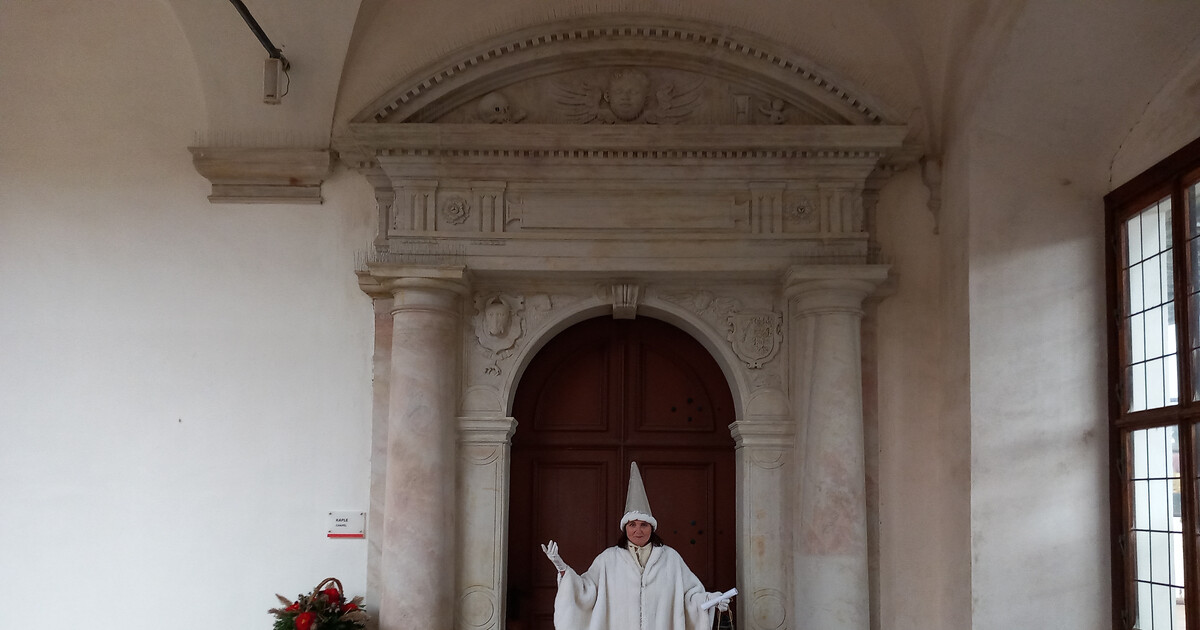
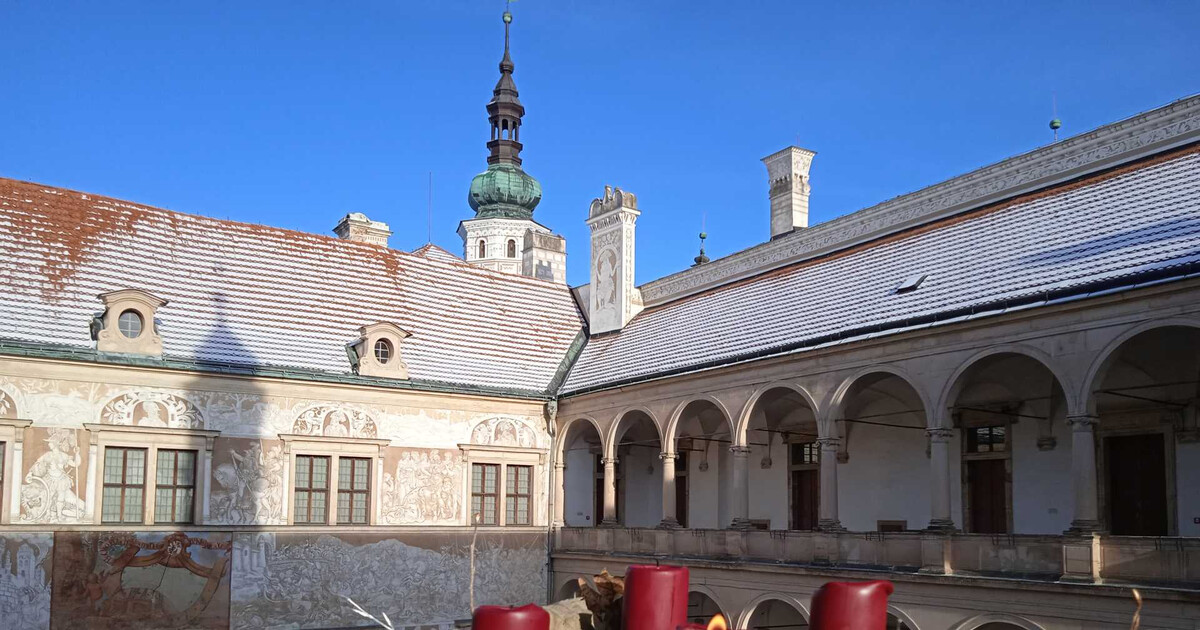
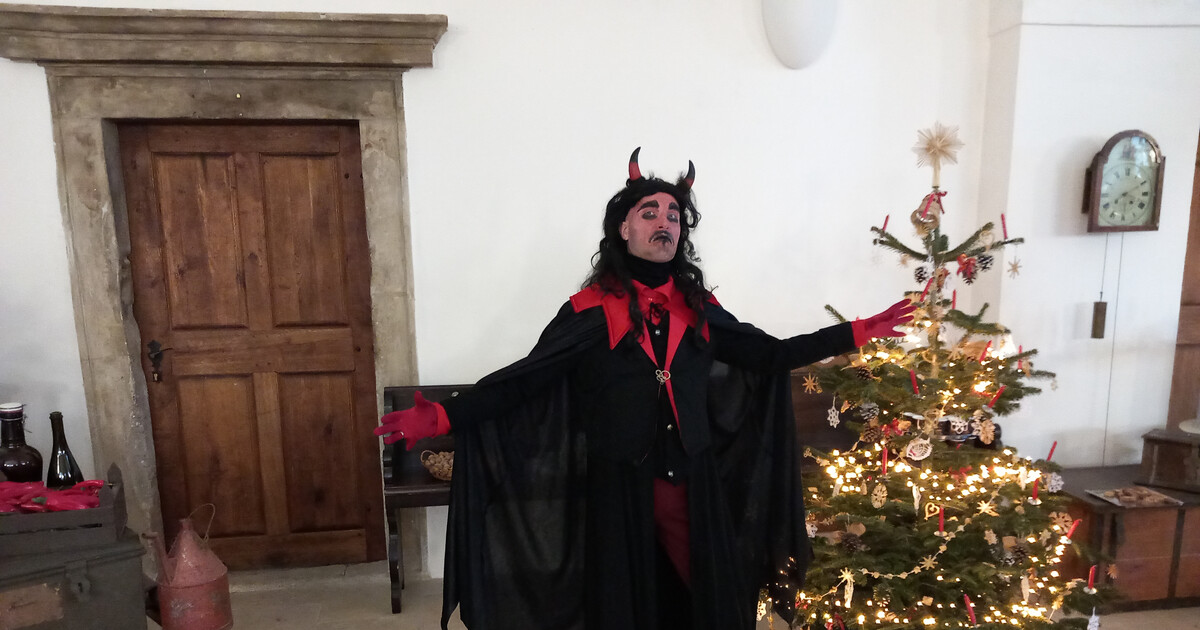
Zdroj akcí: otevřená data měst a obcí ČR (Národní katalog otevřených dat) a kalendář akcí Národního památkového ústavu.
Nearby
➜ Zobrazit interaktivní přehled okolí – restaurace, ubytování, půjčovny a další místa v okruhu 15 km.
Data: OpenStreetMap contributors, okruh 15 km.
🏰 Historické památky
- Portmoneum (0.2 km – T. Novákové 75)
- Regionální museum v Litomyšli (0.3 km – Jiráskova 9)
- Zámek Litomyšl (0.4 km – Jiráskova 93)
- pomník Aloise Jiráska (0.4 km)
- pomník Bedřicha Smetany (0.4 km)
- busta Boženy Němcové (0.4 km)
- Muzeum vesnice (6.7 km – 76)
- Jan Perner (10.0 km)
🍽️ Restaurace a stravování
- EL Café - Why not (0.2 km)
- Putyka Osík (3.6 km – 257)
- Avion (12.6 km)
- Uno (12.6 km)
- U Babyky (12.6 km – Jilemnického 1364)
- Hospoda Na verandě u Toulovce (12.6 km)
- U Malinů (12.7 km)
- Na skalách (12.8 km)
🏨 Ubytování
- Pension - Kraus (0.6 km – Havlíčkova 444)
- Hájenka Kozlov (7.4 km – 101)
- Restaurace a penzion Mandl (8.7 km)
- Bravo (10.3 km)
- Pivovar Faltus (10.3 km)
- Penzion u Synka (11.4 km)
- B & B (12.2 km – 63)
- Uno (12.5 km)
🚲 Půjčovny a sport
- Stratílek (0.1 km)
- Indoor Golf Centrum (0.2 km)
- Fitcentrum FILA (0.4 km – U Plovárny 1130)
- Sokolovna (0.6 km)
- Kart aréna (1.3 km – Moravská 1200)
- Cyklo sport (6.3 km)
- Cykloservis Dostál (10.2 km – Dr. E. Beneše 1000)
- Sportisimo (10.2 km)
🥾 Turistika a příroda
- Litomyšl (nám.) (0.4 km)
- Nedošínský háj NS (3.6 km)
- Vlčkov (obec) (4.8 km)
- Vlčkov (rozc., BUS) (4.8 km)
- pramen Javorka (9.3 km)
- Stříbrná krasavice (10.9 km)
- Poustevníkova studánka (11.5 km)
- Panský stůl (12.5 km)
Accommodation nearby
Themed route
Walk through the monuments of Litomysle
1. Domy čp. 96 a 1121 (others) - Main objective. A unique building set that represents valuable architecture within the municipality. 2. Home Area - Walk through the immediate surroundings of buildings. Possibility of detailed examination of facades and historical elements of these specific objects.
Seasonal recommendations
In the spring, the surroundings of the houses wake up in colours and fresh tree leaves create a fine frame for façades. The light is soft and pleasant in this period, which helps to observe the details from the outside. It is recommended that footwear suitable for wet terrain and visit in the morning when the air is the cleanest.
Summer brings sharp sun, which highlights contrasts and colors of buildings. The atmosphere is hot, and there's the biggest crowd in the streets. The best time for an outside tour is an early morning or a late evening when temperatures are tolerable. It is essential to have light clothes and sun protection.
In autumn, the landscape around the monuments is painted in gold and red, which gives the place a melancholy touch. The light is golden and falls at a lower angle, which creates interesting shadows on the walls. It is practical to choose layered clothes and visit the place on days with bright sky to excel autumn colors.
Winter changes the appearance of the houses due to the frost and possible snow blanket that calms the surroundings. The atmosphere is calm and in advent time the place is cozy. Hot clothing, gloves and tight footwear with anti-slip soles are essential for walking around the buildings. The best thing to do is to come in broad daylight, which quickly disappears in winter.
Visualizations and artistic views


The visualisations are generated by artificial intelligence and serve as inspiration.
Photos from the area
Real photos taken near the monument


Zdroj a licence jsou uvedeny u každého snímku.
Tips from visitors
No tips yet. Be the first!
Log in and add your tip.
Sources and literature
Photos: Petr1888 / CC BY-SA 3.0 — Wikimedia Commons. The author and licence also appear when you hover over the image.
Location on the map

Příběhy a pověsti
Legendy, pověsti a příběhy spjaté s touto památkou
Fotografie návštěvníků
Zatím žádné fotografie. Buďte první, kdo přidá fotografii z návštěvy!
Log in a přidejte svou fotografii nebo hodnoťte.
Za ověřenou návštěvu v aplikaci získáte víc bodů — poznáme podle GPS, že jste na místě.
Reviews and comments