



dům U černého medvěda House
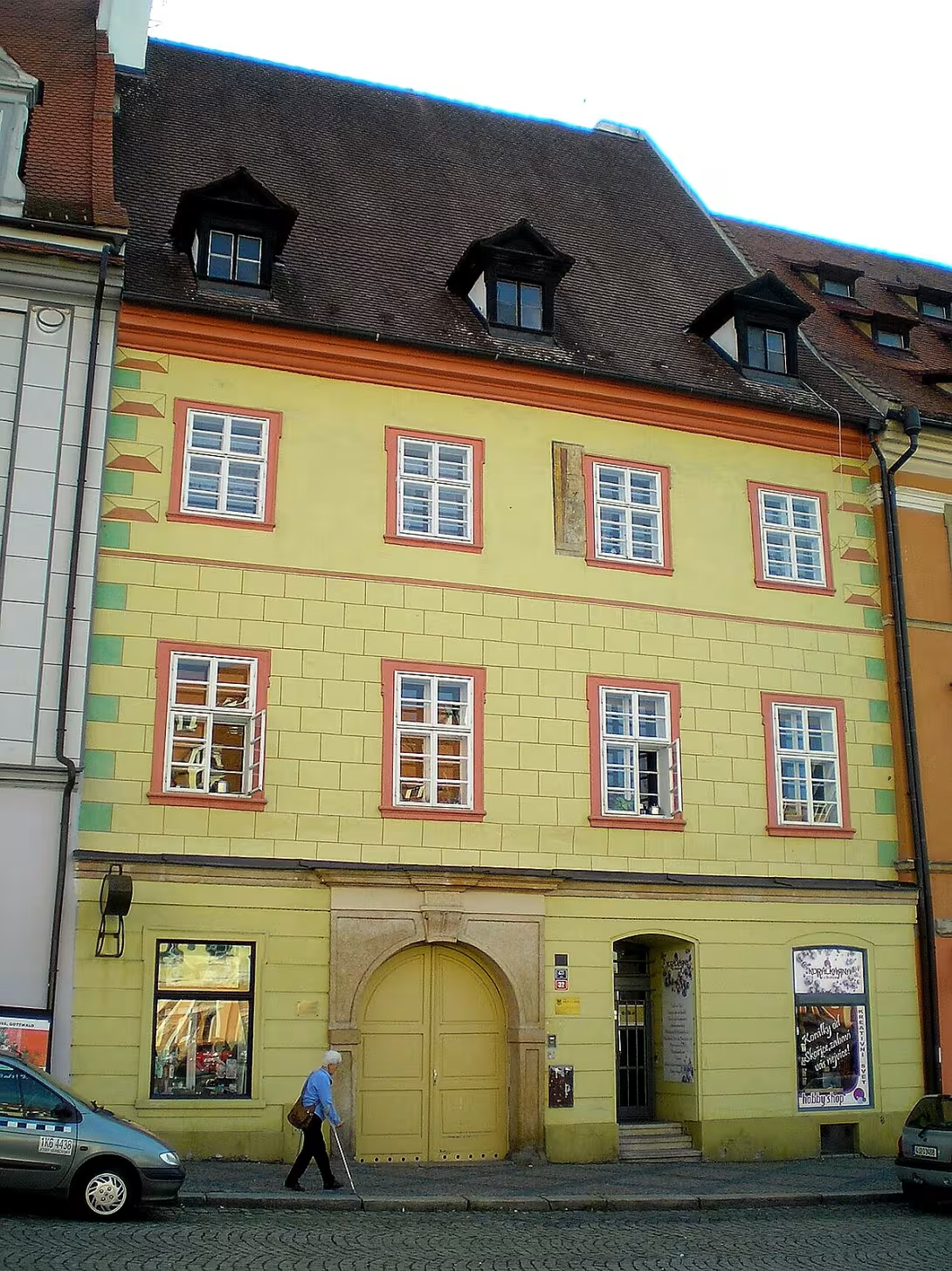
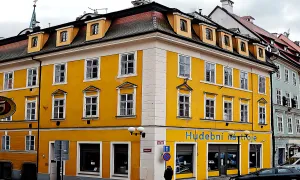
House at the Black Bear is a historically significant townhouse located in Cheb, Czech Republic. Originally built as a bourgeois house, it gained prominence when Johann Widtmann established an inn there in 1669, which became the meeting place for the Cheb Regional Assembly. The building underwent reconstruction to restore its original Baroque façade, enhancing its historical and architectural value. Inside, visitors can find a fresco that was once mistakenly thought to be Renaissance but is actually a modern work from theearly 20th century.
The origins of House at the Black Bear date back to the late 17th century when Johann Widtmann, a significant figure in Cheb's history, established an inn. This period followed Bohemia's inclusion in the Habsburg Monarchy after the Thirty Years' War and coincided with the rise of Baroque art and architecture. The inn became notable for hosting meetings of the Cheb Regional Assembly, highlighting its importance in local governance.
Architecturally, House at the Black Bear reflects a transition from its original bourgeois design to a restored Baroque façade. This reconstruction aimed to preserve the building's historical integrity and aesthetic appeal. The interior features a fresco that adds artistic interest, despite being a modern creation rather than an authentic Renaissance piece.
Throughout its history, House at the Black Bear has experienced various changes in ownership and purpose. Initially associated with Georg Irrgang's inn established in 1556, it later became linked with Johann Widtmann's establishment. These transitions reflect the building's enduring significance within Cheb's urban landscape.
Key events include its association with the Cheb Regional Assembly meetings starting in 1669. This connection underscores its role as a center for local political activity during a transformative period in European history. The fresco inside, once thought to be Renaissance, adds an intriguing layer of artistic curiosity.
Today, House at the Black Bear stands as a testament to Cheb's rich historical tapestry. Visitors can explore its restored Baroque façade and the modern fresco within, gaining insight into the town's architectural evolution and cultural heritage. Its significance as a former meeting place for regional governance adds depth to its appeal.
House at the Black Bear offers a unique glimpse into Cheb's past, blending historical architecture with intriguing artistic elements. It is a must-visit for those interested in exploring the layers of history embedded within this charming townhouse.
Then and now
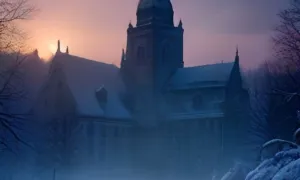
Drag the slider to compare how the landmark may have looked when it was built with the view today.
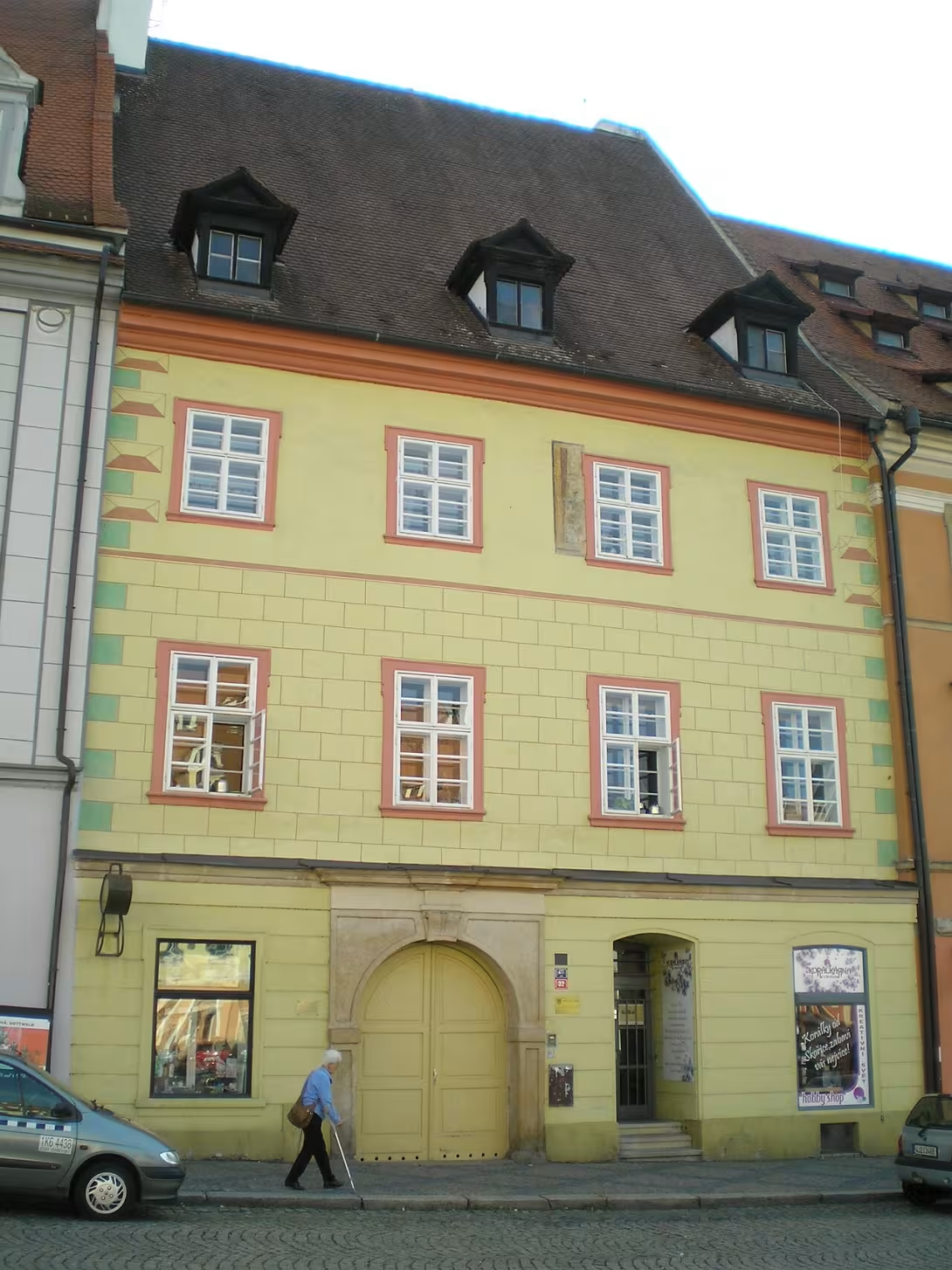

The historical appearance on the left is an AI-generated visualisation and serves as inspiration only.
Historical milestones
- 1556
- Georg Irrgang established an inn.
- 1669
- Johann Widtmann established the inn, becoming a meeting place for the Cheb Regional Assembly.
- kolem 17. století
- The house transitioned to reflect Baroque architectural style.
- počátek 20. století
- A modern fresco was created inside the building.
Architectural development
Dům U černého medvěda has undergone several architectural changes over time. Originally a bourgeois house, it was later associated with an inn established by Johann Widtmann in the late 17th century. The building's Baroque façade was restored during a reconstruction phase.
Historical events
In 1669, Johann Widtmann established an inn at Dům U černého medvěda, which became significant as the meeting place for the Cheb Regional Assembly.
The building underwent reconstruction to restore its original Baroque façade.
Guide
This guide is narrated by a synthetic voice generated by artificial intelligence.
Show guide text
This text was created by artificial intelligence and has not been editorially reviewed. It may contain inaccuracies.
The House of the Black Bear is originally a burgher's house on the náměstí Krále Jiřího z Poděbrad in Cheb. It takes its name from the inn that was founded in sixteen sixty-nine, where the Cheb Regional Diet assembled. The inn was founded by Johann Widtmann, a prominent Cheb burgher and postmaster, who also established the first printed newspaper in the city. During a later reconstruction, the house regained its original Baroque façade.
Inside the house there is a fresco that people mistakenly believed to be from the Renaissance. In fact, it is a modern work from the beginning of the twentieth century. The inn that the fresco commemorates originated already in fifteen fifty-six. The owner at that time, Georg Irrgang, transferred the innkeeping rights to it from his second house, the inn U Jednorožce.
Frequently asked questions
Can the monument be visited?
This is a residential or farm building, not a museum with opening hours. Please view it from public space and respect the owners' privacy. We have no information about access to the interior.
Where is the monument?
Location: Cheb, Karlovarský kraj. The map on this page shows the exact spot.
Why is the monument protected?
It is listed in the Central List of Cultural Monuments of the Czech Republic as a cultural monument (register no. 1000125064).
Businesses nearby
Do you run a restaurant, accommodation, shop, museum, rental, wellness or other visitor service near this monument? Show yourself directly to the people heading to it — this is how they will see you in the app and on the web:
Accommodation nearby
Themed route
Tour Route from Cheb with Dům U Černého Medvěda as the Main Destination
1. Dům U Černého Medvěda (House) - Why it's worth visiting: This historic house, located in the heart of Cheb, is known for its architectural beauty and rich history. It represents a key period in local architecture and offers insight into life in the past.
2. Chebská radnice (Town Hall) - Why it's worth visiting: Located just 5 minutes on foot from Dům U Černého Medvěda, it is famous for its Gothic elements. It serves not only as an administrative center but also as a historical monument with a captivating courtyard.
3. Chebský hrad (Castle) - Why it's worth visiting: This significant castle is about 10 minutes on foot from the town hall and offers panoramic views of the city. It is not just a historical monument, but also a place rich in history that immerses visitors into the region’s past.
4. Chebský most (Bridge) - Why it's worth visiting: Located about 10 minutes on foot from Chebský hrad, this bridge crosses the Ohře River, connecting the historical part of the city with its modern development. It is not only an important transportation link but also an architecturally interesting structure.
5. Chebská poutní kaple Nejsvětější Trojice (Chapel) - Why it's worth visiting: This chapel, located about 10 minutes on foot from the bridge, offers a peaceful refuge with beautiful interior design. It is a place of spiritual tranquility that attracts visitors for its historical and architectural value.
This route provides insight into Cheb’s rich history and culture, starting in the heart of the city and ending at a serene spiritual retreat.
Seasonal recommendations
Spring: Visiting the House of the Black Bear during spring offers a refreshing experience as nature awakens with vibrant colors and blooming flowers, enhancing the historical charm of the site. The gentle warmth and longer daylight hours create an inviting atmosphere for exploration. Visitors should expect moderate crowds as people take advantage of pleasant weather to explore outdoor attractions. It's advisable to wear comfortable layers that can be adjusted throughout the day, as temperatures may vary from cool mornings to warmer afternoons.
Summer: Summer at the House of the Black Bear is marked by lush greenery and abundant sunshine, making it an ideal time for those who enjoy exploring historical sites in pleasant weather. However, this is also the peak tourist season, so visitors should plan their visit early in the day to avoid larger crowds. Sun protection, such as hats and sunscreen, along with light clothing, will enhance comfort during your exploration of Cheb's historic architecture.
Autumn: Autumn brings a picturesque transformation with golden hues and falling leaves, creating a magical backdrop for visiting the House of the Black Bear. The cooler temperatures make for comfortable strolls around the city while enjoying the seasonal beauty. This period typically sees fewer tourists than summer, providing a more relaxed visit. Layered clothing is recommended to accommodate the changing weather conditions throughout the day.
Winter: Winter at the House of the Black Bear offers a unique charm with its snow-covered surroundings and festive atmosphere, especially during the Advent season when Cheb's streets are adorned with lights and decorations. Visitors should dress warmly in coats, hats, gloves, and boots, and consider bringing a hot beverage to enjoy while soaking up the wintry ambiance of this historic location.
Visualizations and artistic views


The visualisations are generated by artificial intelligence and serve as inspiration.
Photos from the area
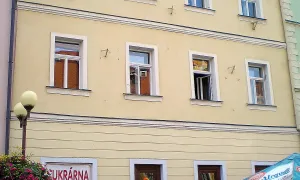
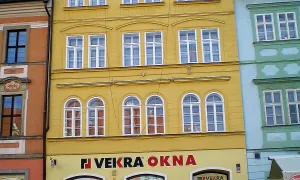
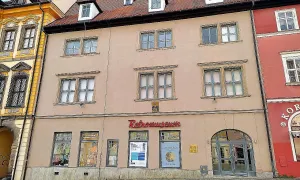
Real photos taken near the monument


Zdroj a licence jsou uvedeny u každého snímku.
Tips from visitors
No tips yet. Be the first!
Log in and add your tip.
Sources and literature
Photos: Novojaro / CC BY-SA 3.0 — Wikimedia Commons. The author and licence also appear when you hover over the image.
Faktickým podkladem tohoto textu byl článek na Wikipedii, jehož autory jsou přispěvatelé Wikipedie. Článek je dostupný pod licencí CC BY-SA 4.0.
Location on the map
Příběhy a pověsti
Legendy, pověsti a příběhy spjaté s touto památkou
Fotografie návštěvníků
Zatím žádné fotografie. Buďte první, kdo přidá fotografii z návštěvy!
Log in a přidejte svou fotografii nebo hodnoťte.
Za ověřenou návštěvu v aplikaci získáte víc bodů — poznáme podle GPS, že jste na místě.
Reviews and comments