






Evangelický kostel (Třinec) Church
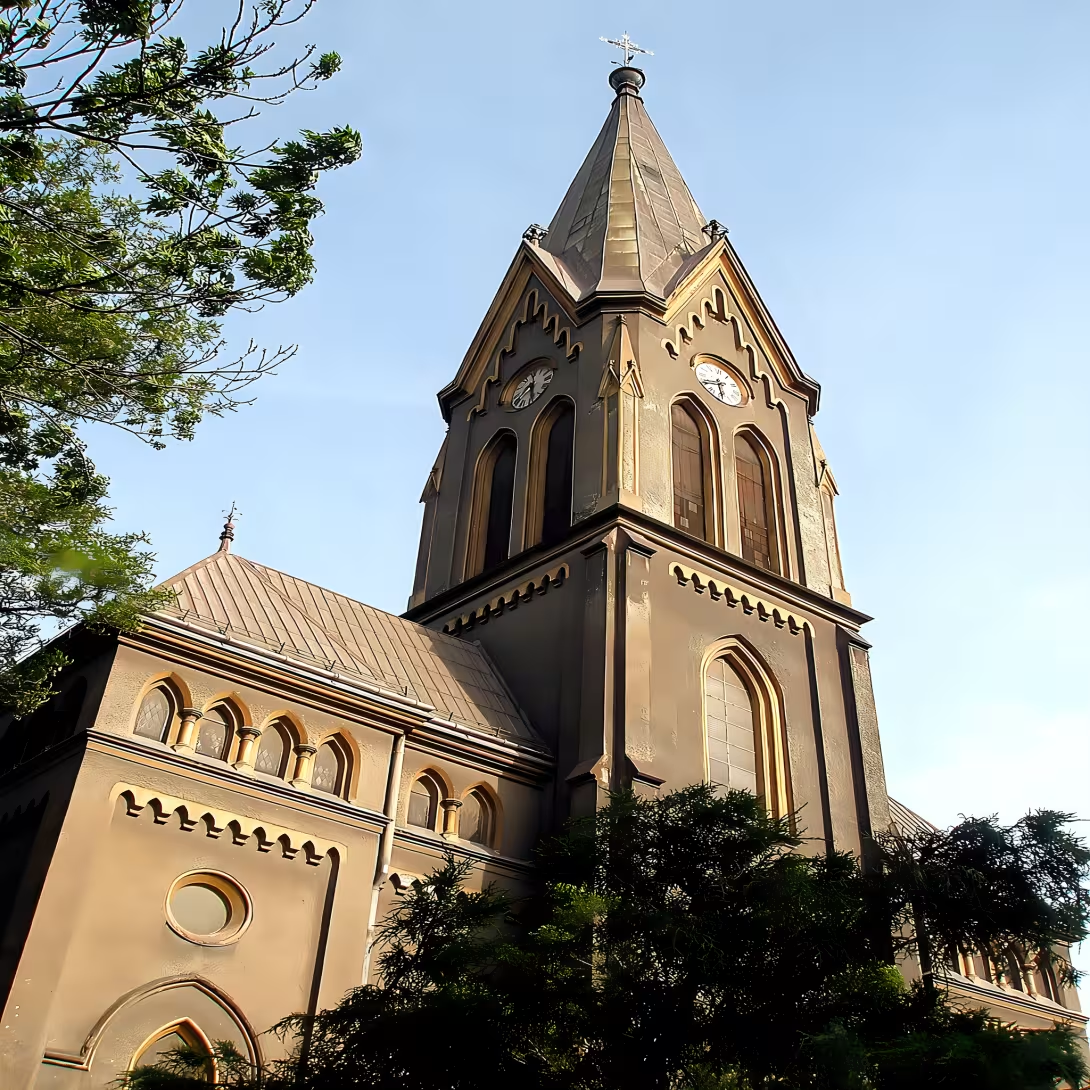
The Evangelický kostel in Třinec is a remarkable Neo-Gothic church completed in 1899. It serves as an important religious site for the Evangelical Church of the Augsburg Confession in Silesia, located in Moravskoslezský kraj. This architectural gem stands out for its historical and cultural value, along with artistic elements reflecting the region's rich heritage.
Constructed between 1896 and 1899 under Vienna-based architect Julius Leisching, the foundation stone was laid on June 21, 1896. The project culminated in the church's consecration on July 9, 1899. This period at the end of the 19th century saw significant cultural and political changes across Europe, including rising nationalism and modernism in art and architecture. In Bohemia, there was increased interest in Neo-Gothic architectural projects as part of a broader historical revival movement.
Architecturally, the Evangelický kostel is distinguished by its prevalent Neo-Gothic style during its construction period. The church features a wooden altar and pulpit crafted by Robert Hanel from Nový Jičín, based on designs by Theodor Prüfer. These elements enhance the church's aesthetic appeal and historical significance. Additionally, the interior houses an oltářní obraz depicting Christ’s Resurrection and statues of apostles Peter and Paul, both created by Jan Raszka. An organ produced by Rieger of Krnov adds another layer of artistic value.
Throughout its history, the Evangelický kostel has witnessed key events and undergone various transformations. Notably, in September 1898, three bells were installed on the tower but requisitioned during World War I and replaced in 1923. A memorial plaque within the church commemorates Gustaw Ożański, a catechist executed in 1945, adding to its historical narrative. The church also underwent significant renovations between 2011 and 2013, including facade restoration and barrier-free access installation. In 2023, the interior was repainted to ensure preservation for future generations.
Today, the Evangelický kostel stands as a testament to its historical and cultural legacy. It is not only a place of worship but also an interesting site due to its architectural beauty and rich history. Adjacent to the church are the Hutník Sborové Centrum and a former parsonage building from 1880, now adapted for social services, enriching Třinec's cultural landscape.
Visiting the Evangelický kostel offers an opportunity to explore significant architectural history while appreciating its role in the region’s religious and cultural life. Its well-preserved structure and historical artifacts make it a worthwhile destination for those interested in architecture or history. The church's enduring presence continues to attract visitors who wish to experience its unique blend of artistry and heritage.
Then and now
Drag the slider to compare how the landmark may have looked when it was built with the view today.
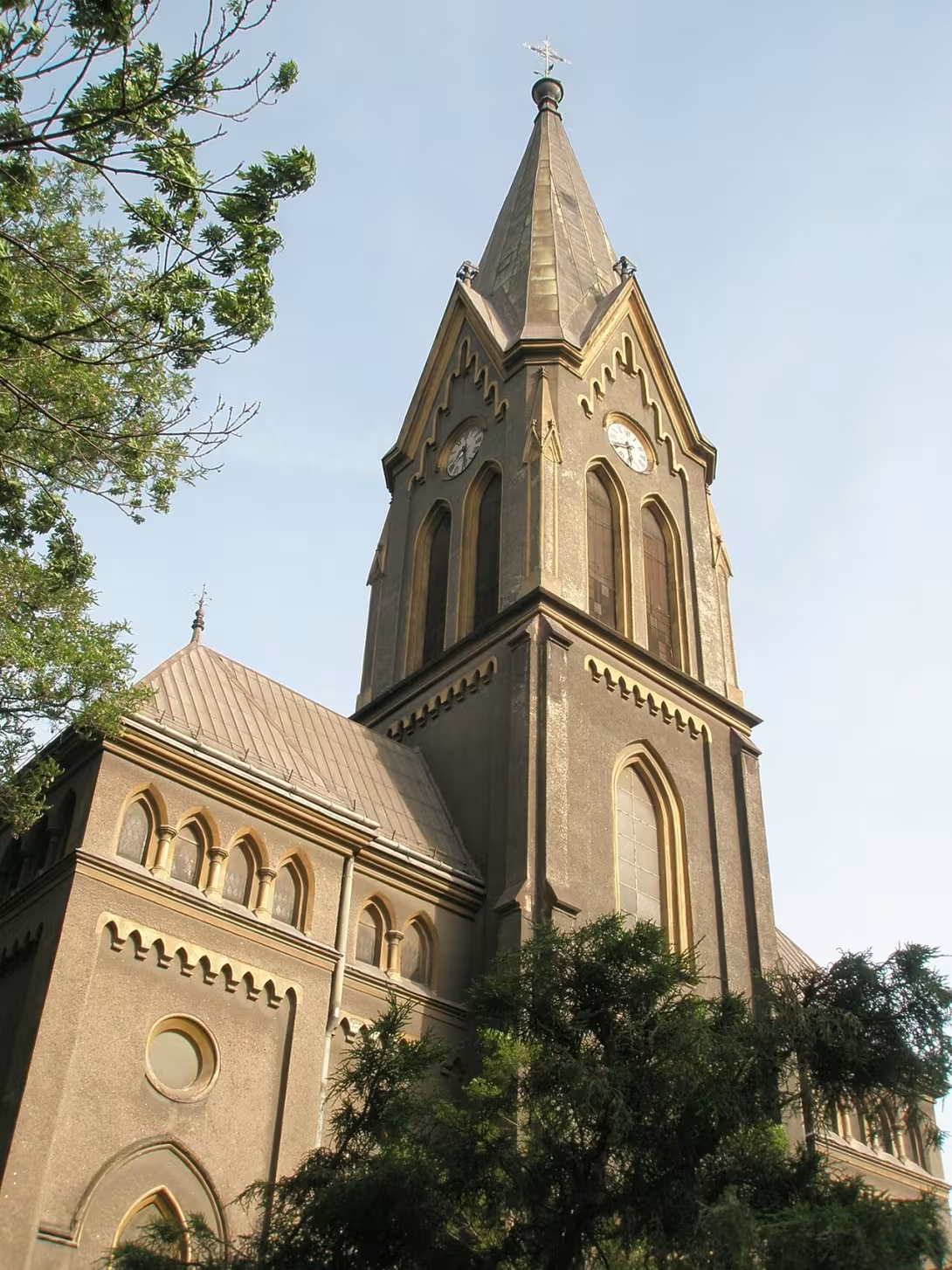
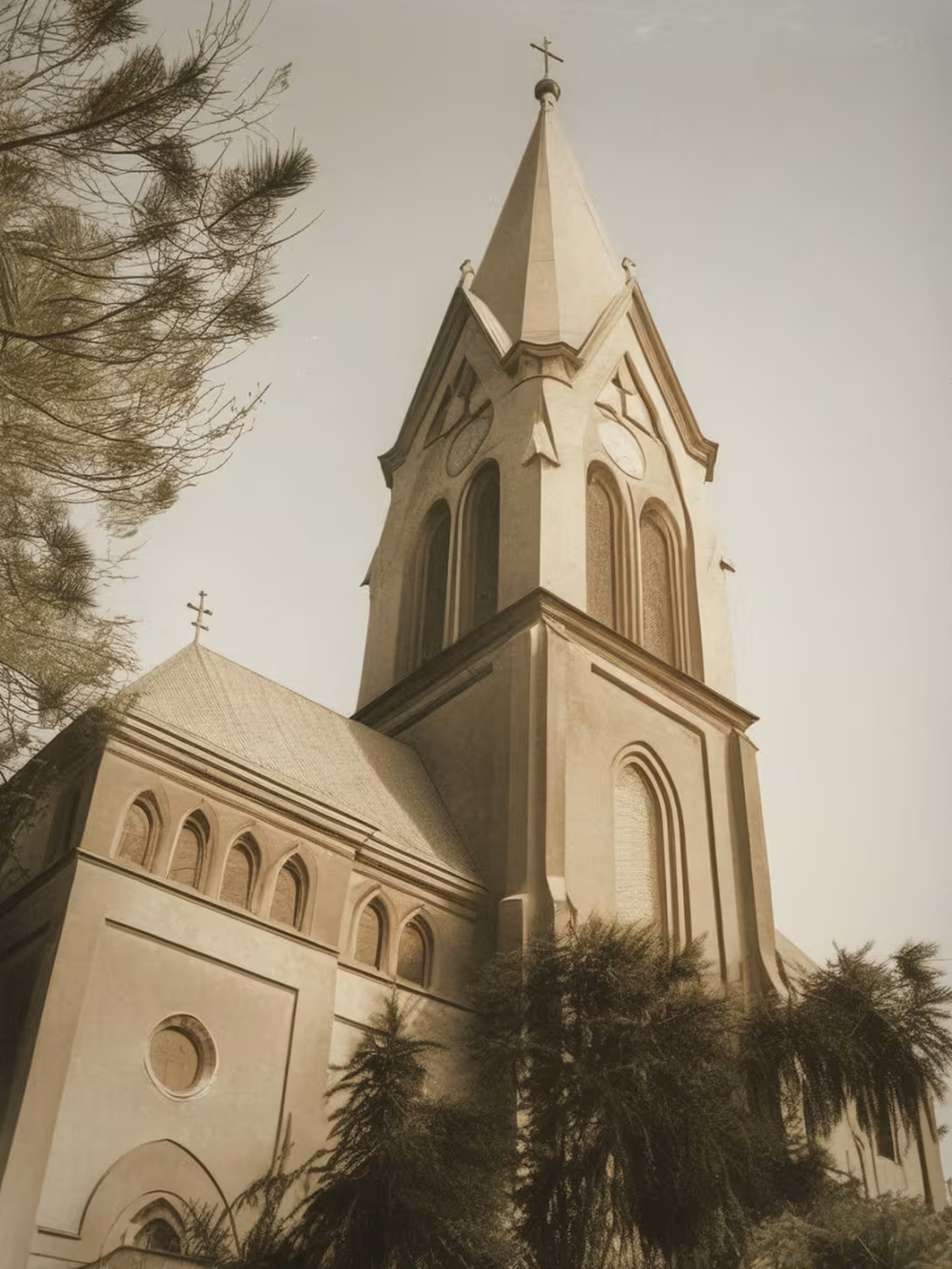
The historical appearance on the left is an AI-generated visualisation and serves as inspiration only.
Historical milestones
- 1896
- Laying of the foundation stone on June 21.
- 1899
- Consecration of the church on July 9.
- 1898
- Installation of three bells in September.
- 1923
- Replacement of bells requisitioned during World War I.
- 2011
- Start of significant renovations including facade restoration.
Architectural development
The church was constructed between 1896 and 1899, showcasing Neo-Gothic style. Its design includes a wooden altar and pulpit by Robert Hanel, following Theodor Prüfer's plans. Rieger of Krnov produced the organ. In September 1898, three bells were installed on the tower but requisitioned during World War I, replaced in 1923.
Historical events
- 1896
- Foundation stone laid on June 21st.
- 1899
- Church consecrated on July 9th.
Guide
This guide is narrated by a synthetic voice generated by artificial intelligence.
Show guide text
This text was created by artificial intelligence and has not been editorially reviewed. It may contain inaccuracies.
Welcome to the Evangelický kostel in Třinec, a breathtaking testament to Neo-Gothic architecture that stands before you as a symbol of resilience and history. As you stand here, take a moment to absorb the grandeur of its design completed in 1899, with its intricate details and elegant lines reaching towards the sky.
The story of this church begins in June 1896 when the foundation stone was laid on June 21st, marking the start of what would become a spiritual haven for the Evangelical Church of the Augsburg Confession in Silesia. Designed by the renowned Vienna-based architect Julius Leisching, its conception was rooted in both faith and architectural ambition. By July 9th, 1899, just three years later, the church was consecrated, ready to welcome its congregation.
As you gaze upon the church's façade, notice how it captures the essence of Neo-Gothic architecture with its pointed arches and detailed stonework. Inside, the craftsmanship is equally impressive; the altar and pulpit, masterpieces crafted by Robert Hanel from Nový Jičín based on designs by Theodor Prüfer, are central to the church's interior. They stand as testaments to the artistic collaboration that brought this spiritual space to life.
This church has witnessed history unfold around it. During World War I, its three bells were requisitioned, a testament to the turbulent times it endured. It wasn't until 1923 that they were replaced, echoing the resilience and continuity of faith through adversity. Another poignant chapter in its history is marked by a memorial plaque commemorating Gustaw Ożański, a catechist executed in 1945, whose story reminds us of the church's role not just as a place of worship but also as a witness to the trials faced by its community.
Now, let your curiosity guide you further. The church underwent significant renovations starting in 2011, including façade restoration, ensuring that this architectural gem continues to stand proudly for generations to come. As you explore, remember that each stone and stained glass window has a story to tell, from the dedication of its builders to the faith of those who have gathered here over the years.
We invite you to continue your exploration of Evangelický kostel in Třinec, where history and architecture intertwine to create a space not just of worship but of reflection. Thank you for allowing us to share this journey with you. We hope it inspires you to delve deeper into the stories that places like these hold close to their hearts.
Frequently asked questions
Can the monument be visited?
Religious buildings are usually open mainly during services; at other times a visit is normally arranged with the parish or the operator. We have not verified specific times.
Where is the monument?
Location: Třinec, Moravskoslezský kraj. The map on this page shows the exact spot.
Businesses nearby
Do you run a restaurant, accommodation, shop, museum, rental, wellness or other visitor service near this monument? Show yourself directly to the people heading to it — this is how they will see you in the app and on the web:
Nearby
Adjacent to the church is the Hutník Sborové Centrum and a former parsonage building from 1880, now adapted for social services. The area features typical Moravian-Silesian industrial architecture.
Accommodation nearby
Themed route
Třinec Thematic Walking Tour
1. Evangelický kostel (Třinec) - Type: Church - Why Visit: Begin your journey at the Evangelical Church in Třinec, a stunning example of Moravian-Silesian industrial architecture that reflects the region's rich cultural and historical tapestry. Its unique design offers insight into the area’s religious heritage.
2. Hutník Sborové Centrum - Type: Community Center - Why Visit: Located adjacent to the church, this center serves as a vibrant hub for community activities and events in Třinec. Explore its facilities to understand how local traditions are kept alive through social gatherings and cultural programs.
3. Former Parsonage (1880) - Type: Historical Building - Why Visit: A short walk from the church, this former parsonage building now serves social services. Its architecture provides a glimpse into late 19th-century design while showcasing its modern adaptation for community support.
This tour offers an intimate look at Třinec’s industrial heritage and community spirit through its key historical sites, all within walking distance of each other.
Seasonal recommendations
Spring: Visiting the Evangelical Church of Třinec in spring offers a unique experience as nature awakens around this historic site. The gentle light and longer days create a soft, ethereal atmosphere that highlights the church's architectural details. As trees begin to blossom, their pink and white petals provide a picturesque backdrop for photography enthusiasts. Spring can bring unpredictable weather, so visitors are advised to dress in layers to accommodate sudden temperature changes. Early mornings or late afternoons are ideal times to explore when fewer tourists are likely to be around, allowing you to enjoy the tranquility of the site.
Summer: Summer is an excellent time to visit the Evangelical Church of Třinec due to its vibrant atmosphere and lush surroundings. The church is bathed in warm sunlight, accentuating its historical features while the surrounding greenery reaches full bloom. This season attracts more visitors, so arriving early can help avoid crowds. It's recommended to wear comfortable clothing suitable for warmer weather and bring a hat or sunscreen to protect against the sun. Exploring during mid-morning or late afternoon can provide a balance between enjoying pleasant temperatures and avoiding peak tourist hours.
Autumn: Autumn offers a stunning display of colors as visitors explore the Evangelical Church of Třinec, with its rich hues complementing the historic structure's beauty. The soft, golden light of fall creates an inviting ambiance perfect for photography or leisurely strolls around the church grounds. As temperatures begin to drop, wearing layers is advisable, and carrying a light jacket can ensure comfort during cooler evenings. This season tends to have fewer visitors than summer, making it an ideal time for those seeking a more peaceful experience.
Winter: The winter months transform the Evangelical Church of Třinec into a serene and enchanting destination. Snow-covered surroundings and crisp air create a magical atmosphere that enhances the church's historic charm. While daylight hours are shorter, the unique lighting can cast dramatic shadows, offering a different perspective on its architecture. Visitors should dress warmly in layers to combat the cold and check opening times as they may vary during this season. Exploring early in the day is advisable not only for optimal light but also to enjoy a quieter visit before winter crowds arrive.
Visualizations and artistic views


The visualisations are generated by artificial intelligence and serve as inspiration.
Photos from the area
Real photos taken near the monument

Zdroj a licence jsou uvedeny u každého snímku.
Tips from visitors
No tips yet. Be the first!
Log in and add your tip.
Sources and literature
Photos: Qasinka / Public domain, rozlišení zvýšeno umělou inteligencí — Wikimedia Commons. The author and licence also appear when you hover over the image.
Location on the map

Příběhy a pověsti
Legendy, pověsti a příběhy spjaté s touto památkou
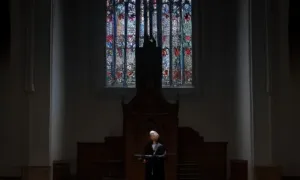
Příběh: Evangelický kostel (Třinec)
Bylo to v pondělí ráno, kdy Martin zjistil, že jeho ruce se nechtí posunout nad stránky zpovědní knihy. Kostelní vůně kadidla a masti se mísila s chladem zim…
Číst příběh
Pověst: Evangelický kostel (Třinec)
Staří obyvatelé Třince vyprávějí, že když na jaře roku 1899 zazněly poprvé zvony nového evangelického kostela, zastavili se lidé na ulicích a naslouchali. Ří…
Číst příběhFotografie návštěvníků
Zatím žádné fotografie. Buďte první, kdo přidá fotografii z návštěvy!
Log in a přidejte svou fotografii nebo hodnoťte.
Za ověřenou návštěvu v aplikaci získáte víc bodů — poznáme podle GPS, že jste na místě.
Reviews and comments