



evangelický kostel v Bašce Church
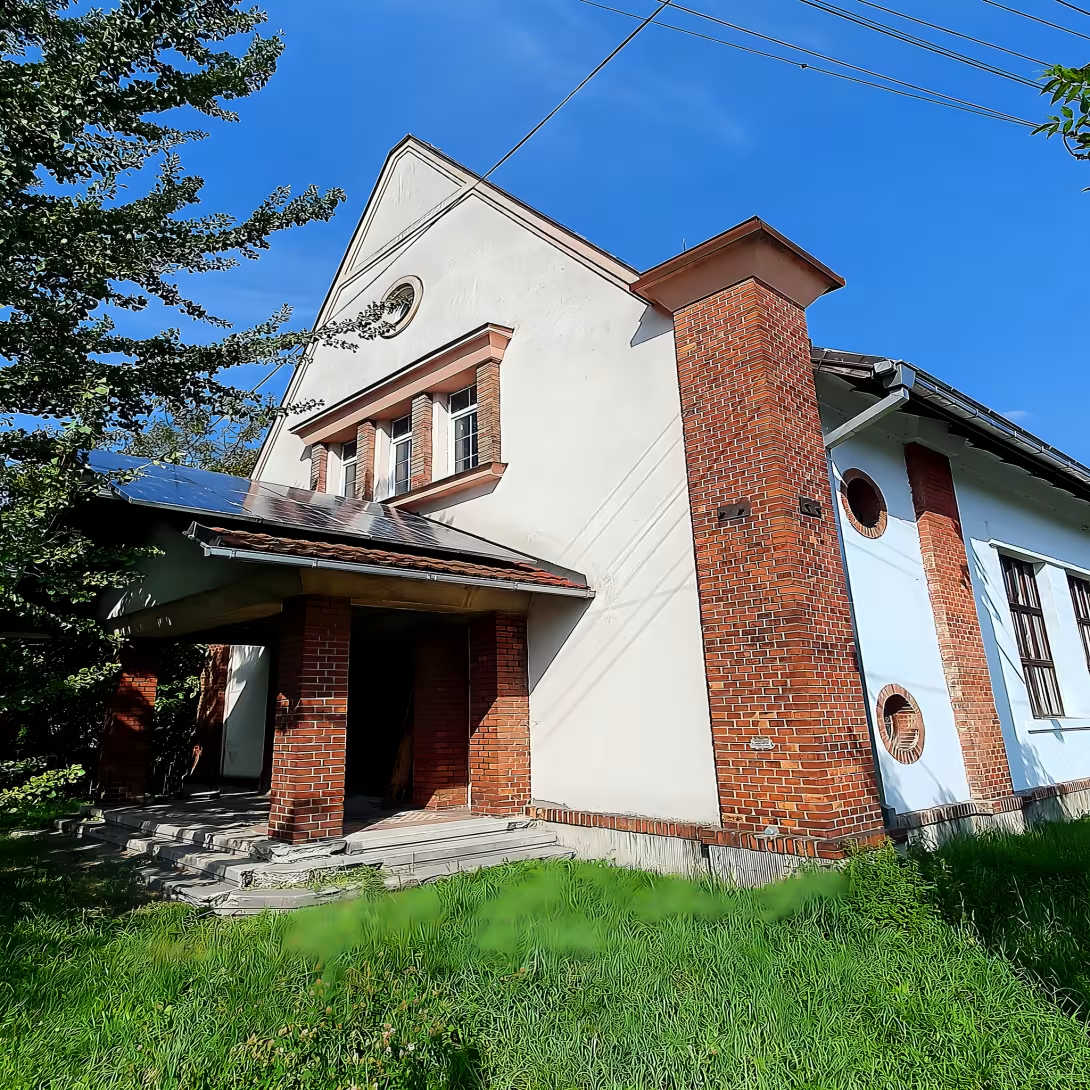
The Evangelical Church in Baška, known as Husův dům, is an important architectural monument located in Baška village within the Frýdek-Místek district of Moravskoslezský kraj. Built in 1929, this church features Secession style architecture and holds historical significance for the Czechoslovak Hussite Church community. Architect Františk Nestrašil designed it, with construction overseen by Pavel Poledník, reflecting a period of cultural and architectural innovation in late 1920s Czechoslovakia.
The origins of Husův dům trace back to 1922 when the Czechoslovak Hussite Church established a preaching station in Baška. Farář Alexandr Winkler led efforts to build a modernist yet historically respectful place of worship. Construction began after acquiring land from "Cihelia," with the foundation stone laid on April 21, 1929. The church was inaugurated five months later, on September 8, 1929, by senior Josef Souček.
Architecturally, Husův dům is a single-nave rectangular structure with an elevated gable and small protruding anteroom on the western facade. It features three prominent rectangular windows on both northern and southern facades, embodying Secession style through geometric forms and decorative elements. In 1930, it was consecrated and adorned with a bell named after Husova domu.
Throughout its history, Husův dům has experienced changes in ownership and purpose. Initially serving the Czechoslovak Hussite Church, it housed 19 pews from Hradec Králové's former Lutherova ústavu. A commemorative plaque was unveiled in the prayer house in 1954, marking its enduring legacy.
Today, Husův dům serves commercial purposes rather than as a place of worship. Despite this shift, it remains an important historical and architectural site for those interested in Czechoslovakia's cultural heritage. Its unique design and storied past make it a fascinating destination for tourists exploring the region.
Visiting Husův dům offers insight into Czech history and architecture. It stands as a testament to its era's innovative spirit, inviting visitors to appreciate its historical significance and architectural beauty.
Then and now
Drag the slider to compare how the landmark may have looked when it was built with the view today.
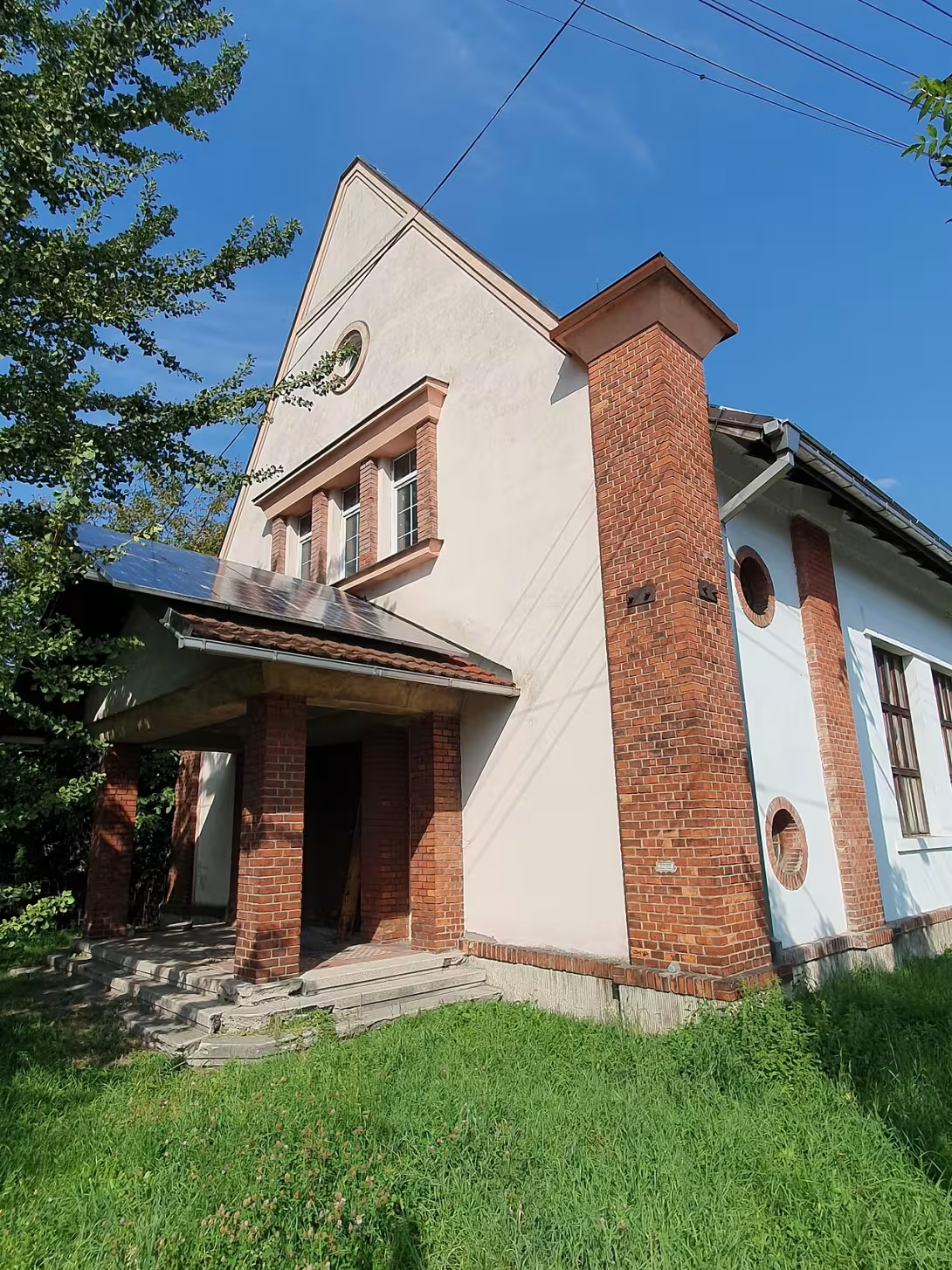

The historical appearance on the left is an AI-generated visualisation and serves as inspiration only.
Historical milestones
- 1929
- The foundation stone of Husův dům was laid.
- 1929
- Husův dům was inaugurated by senior Josef Souček.
Architectural development
Husův dům is a single-nave rectangular structure with an elevated gable and a small protruding anteroom. The building's design reflects the Secession style, characterized by its geometric forms and decorative elements. In 1930, it was consecrated and adorned with a bell named after Husova domu.
Historical events
The foundation stone was laid on April 21, 1929, marking the beginning of construction.
The church was inaugurated on September 8, 1929, by senior Josef Souček.
Guide
This guide is narrated by a synthetic voice generated by artificial intelligence.
Show guide text
This text was created by artificial intelligence and has not been editorially reviewed. It may contain inaccuracies.
Hus House in Baška is a former prayer house of the Czech Brethren Evangelical Church. It was built in 1929 according to a design by architect František Nestrašil and the construction was led by Pavel Poledník.
Evangelicals had a preaching station there already from 1922. The vicar Alexander Winkler pushed through the establishment of a proper chapel building. The church bought the land from the Cihelia company and construction work began in the autumn of 1928. The cornerstone was laid on April 21, 1929 and that same year, on September 8, the house was ceremonially opened by senior Joseph Souček.
Nineteen pews from the former Luther Institute in Hradec Králové were transferred to the interior. In September 1930 a bell was consecrated and hung. In 1954 a memorial plaque was unveiled in the prayer house.
The building is rectangular and single-naved. The western entrance façade has a striking raised gable, in front of which a small vestibule is projecting. The top of the gable was once decorated with a Hussite chalice. The nave is lit by three striking rectangular windows on the north side and three on the south side.
In the twenty-first century the house no longer serves worship purposes and is used for commercial purposes.
Tips for visitors
The best time to visit the Evangelical Church in Baška, also known as Husův dům, is during late spring or early autumn. During these seasons, the weather is typically mild and pleasant, making it ideal for exploring both the church's interior and its surrounding areas. Additionally, visiting outside of peak tourist season can provide a more tranquil experience, allowing you to appreciate the architectural details without large crowds.
This flexibility makes it easy to plan your visit regardless of whether you're driving or taking public transport.
When visiting Husův dům, consider bringing comfortable walking shoes and a camera, as there are several spots inside the church that offer excellent opportunities for photography. The natural light filtering through stained glass windows creates beautiful effects, especially in the morning when sunlight is softer. Additionally, carrying a small notebook or journal can be useful if you wish to jot down thoughts inspired by the historical ambiance.
For families with children, Husův dům offers an engaging experience that combines history and architecture. Children may enjoy learning about the church's design and its significance in local history. While there are no specific attractions for kids within a 30-minute radius mentioned, exploring nearby areas can be part of a broader family outing. The region around Baška is known for its natural beauty, providing opportunities for leisurely walks or picnics.
In the vicinity of Husův dům, you can explore additional sites within a 30-minute drive. While specific attractions are not listed in the provided data, the surrounding area of Moravskoslezský kraj offers various cultural and natural landmarks that may be worth visiting. These could include local museums or nature trails, offering further insight into the region's heritage and landscape.
Frequently asked questions
Can the monument be visited?
Religious buildings are usually open mainly during services; at other times a visit is normally arranged with the parish or the operator. We have not verified specific times.
Where is the monument?
Location: Baška, Moravskoslezský kraj. The map on this page shows the exact spot.
Businesses nearby
Do you run a restaurant, accommodation, shop, museum, rental, wellness or other visitor service near this monument? Show yourself directly to the people heading to it — this is how they will see you in the app and on the web:
Accommodation nearby
Themed route
Trasa: Evangelický kostel v Bašce a okolí
1. Evangelický kostel v Bašce (hlavní cíl) - Unikátní kostel s pozoruhodným interiérem a výhledem na okolní krajinu. 2. Hrad Frýdek (historická pevnost) - Starobylá pevnost s bohatou historií a krásným výhledem na Frýdek-Místek. 3. Frýdek-Místek (město) - Historické centrum s pěknými budovami a možností občerstvení a nákupů. 4. Slezská Ostrava (město) - Velké město s bohatou kultúrní scénou a možností nákupů a občerstvení.
Seasonal recommendations
Jaro
Spring is the ideal time to visit the church in Bašce because nature around the church is full of life and colors. The lighting of the church is soft and warm, creating a pleasant atmosphere. We recommend visiting the church in the morning hours when there are fewer people so you can explore the architectural details and artworks without the disturbance of crowds. Don't forget to wear warm clothing as it can still be cold in April and May.
Summer
The main summer season is full of life and energy, so it's better to visit the church in the morning hours to avoid crowds. The lighting of the church is stronger and colorful, creating a pleasant atmosphere. Don't forget to bring sunglasses and a hat as the sunlight can be intense. We recommend visiting the church when the sun is at its strongest so you can see the architectural details and artworks better.
Autumn
Autumn is a time when nature around the church is full of colors and life. The lighting of the church is soft and warm, creating a pleasant atmosphere. We recommend visiting the church in the morning hours when there are fewer people so you can explore the architectural details and artworks without the disturbance of crowds. Don't forget to wear warm clothing as it can still be cold in October and November.
Winter
Winter is a quiet and calm season, making it an ideal time to visit the church in Bašce. The lighting of the church is soft and warm, creating a pleasant atmosphere. Don't forget to bring warm clothing as winter is cold and rainy.
Visualizations and artistic views


The visualisations are generated by artificial intelligence and serve as inspiration.
Photos from the area
Real photos taken near the monument


Zdroj a licence jsou uvedeny u každého snímku.
Tips from visitors
No tips yet. Be the first!
Log in and add your tip.
Sources and literature
Photos: Qasinka / CC0, rozlišení zvýšeno umělou inteligencí — Wikimedia Commons. The author and licence also appear when you hover over the image.
Faktickým podkladem tohoto textu byl článek na Wikipedii, jehož autory jsou přispěvatelé Wikipedie. Článek je dostupný pod licencí CC BY-SA 4.0.
Location on the map
Příběhy a pověsti
Legendy, pověsti a příběhy spjaté s touto památkou
Fotografie návštěvníků
Zatím žádné fotografie. Buďte první, kdo přidá fotografii z návštěvy!
Log in a přidejte svou fotografii nebo hodnoťte.
Za ověřenou návštěvu v aplikaci získáte víc bodů — poznáme podle GPS, že jste na místě.
Reviews and comments