






Jubilejní kolonie Settlement
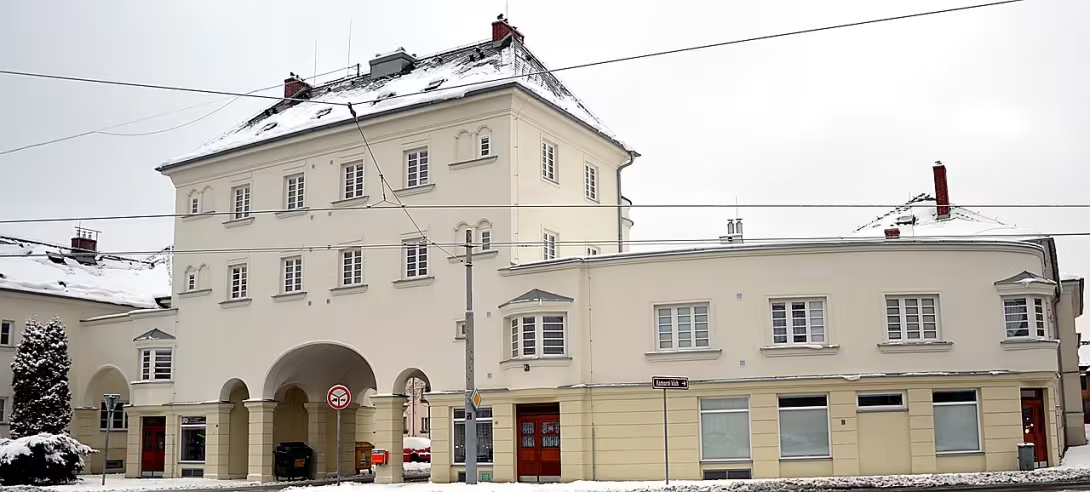
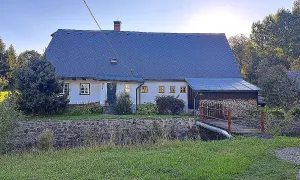
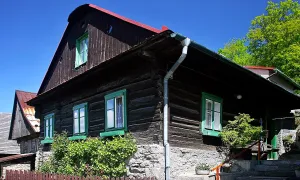
The Jubilejní Kolonie is a residential complex located in Ostrava-Hrabůvka, Moravskoslezský kraj. It features expressionist architecture inspired by social housing projects from Red Vienna. Constructed between 1921 and 1932 by Vítkovické železáry, the complex originally comprised 605 worker apartments housed in single-story buildings with courtyards and internal streets. Named to commemorate the centenary of Vítkovické železáry, founded in 1828, it marks a significant milestone in its history.
Emerging during a period of substantial social and architectural transformations in Europe, particularly in urban housing developments, the complex was inspired by Red Vienna's functionalist architecture aimed at improving workers' living conditions. Designed by architects Arnošt Korner and occasionally credited to Jindřich Freiwald, it reflects the era’s emphasis on practical yet aesthetically pleasing residential spaces.
Characterized by expressionist elements prioritizing functionality and social utility, the complex features single-story buildings arranged around courtyards and internal streets. Originally incorporating communal facilities like a library, this layout facilitated community interaction and provided essential services to residents. Several buildings are registered as cultural heritage sites, highlighting their historical and architectural significance.
Originally owned by Vítkovické železáry, the Jubilejní Kolonie has transitioned into a residential area managed for modern living purposes. Over time, some buildings have undergone reconstruction to offer attractive residential spaces while preserving their historical essence. The library in Ostrava-Hrabůvka established a branch within the complex in 1927, reflecting ongoing developments and adaptations.
Today, Jubilejní Kolonie stands as an exemplary model of early 20th-century social housing architecture. It is well-connected by tram lines (12, 18, 19) and bus line 50, with additional public transport options within walking distance. The area surrounding the complex includes natural attractions like Bělský les and Halda Hrabůvka, enhancing its appeal as a residential location.
Visitors can explore its rich architectural heritage and appreciate the blend of historical significance and modern living. Its cultural and historical value makes it an intriguing destination for those interested in early 20th-century architecture and social housing history. Ongoing preservation efforts ensure that this monument continues to be a testament to its era, inviting exploration and appreciation from all who visit.
Then and now
Drag the slider to compare how the landmark may have looked when it was built with the view today.
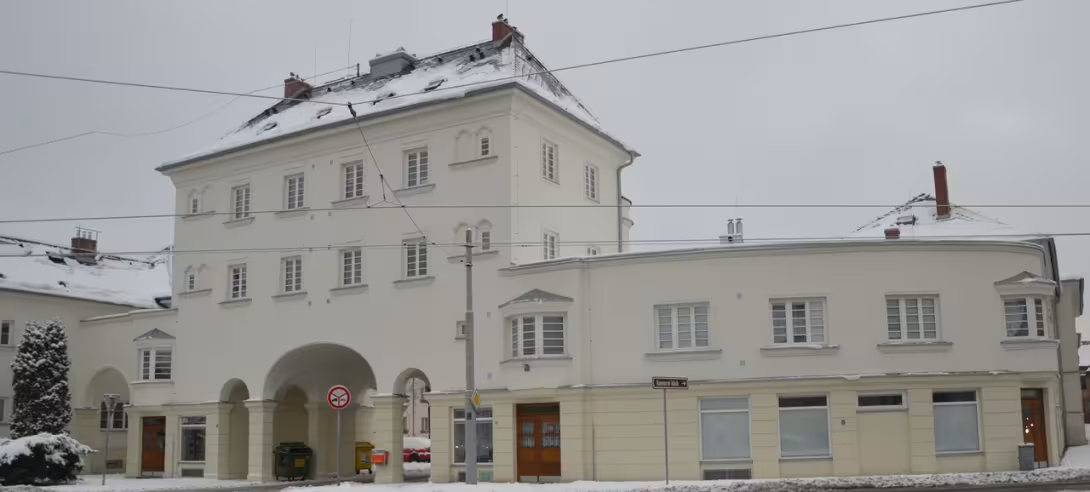

The historical appearance on the left is an AI-generated visualisation and serves as inspiration only.
Historical milestones
- 1828
- Založení Vítkovických železáren.
- 1921
- Počátek výstavby Jubilejní kolonie.
- 1932
- Dokončení výstavby Jubilejní kolonie.
- 1927
- Otevření pobočky knihovny v Ostrava-Hrabůvce.
Architectural development
Designed by architects Arnošt Korner and occasionally credited to Jindřich Freiwald, the Jubilejní Kolonie features expressionist architecture with a focus on social housing. The complex includes single-story buildings arranged around courtyards and internal streets, originally incorporating communal facilities like a library.
Historical events
Construction began in 1921 and completed in 1932 as part of a celebration marking the centenary of Vítkovické železáry, founded in 1828.
The complex was named Jubilejní Kolonie to commemorate this significant anniversary.
Owners
Originally owned by Vítkovické železáry; currently managed for residential purposes.
Points of interest
- The Jubilejní Kolonie was initially designed to house workers of Vítkovické železáry, reflecting the company's commitment to improving living conditions for its employees during a time when industrial laborers often faced poor housing.
- Despite being inspired by Red Vienna’s social housing projects, the architectural style of Jubilejní Kolonie uniquely incorporates expressionist elements, which was relatively rare in worker housing developments of that era, blending functionality with artistic design.
- In 1927, the establishment of a library branch within the complex marked an early integration of educational resources into residential areas, emphasizing the importance placed on intellectual development and community enrichment for workers' families at the time.
- The transformation of some buildings from their original single-story structures to modernized residential spaces involved careful preservation efforts, ensuring that contemporary amenities were added without compromising the historical architecture's integrity.
- While primarily known as a residential complex, Jubilejní Kolonie also played an unexpected role during certain periods in Ostrava-Hrabůvka’s history by hosting various cultural and social events, becoming a focal point for community gatherings beyond its intended purpose.
Guide
This guide is narrated by a synthetic voice generated by artificial intelligence.
Show guide text
This text was created by artificial intelligence and has not been editorially reviewed. It may contain inaccuracies.
Welcome to the Jubilejní Kolonie, a remarkable residential complex nestled in Ostrava-Hrabůvka within the Moravskoslezský kraj. As you stand here, take a moment to absorb the serene atmosphere of this historic site. Before you are single-story buildings that line internal streets and courtyards, exuding an air of community and cohesion.
The story of Jubilejní Kolonie begins in 1921 when construction commenced, culminating in its completion by 1932. This development was spearheaded by Vítkovické železáry, a company established back in 1828 with a vision to enhance the lives of its workers. The complex was designed as an expressionist architectural marvel inspired by the social housing projects of Red Vienna, showcasing a commitment to improving living conditions for industrial laborers during that era.
As you walk through this area, notice the thoughtful layout and design elements characteristic of expressionism. Arnošt Korner and Jindřich Freiwald, the architects behind this project, crafted spaces that were not only functional but also aesthetically pleasing. The internal streets and courtyards foster a sense of openness and community, while the uniformity in building style reflects both practicality and elegance.
Though specific historical figures tied to its creation may remain unknown, the impact of Jubilejní Kolonie on its residents is undeniable. This complex was initially intended to house workers from Vítkovické železáry, illustrating a pioneering approach to social welfare in industrial settings.
A fascinating aspect of this site is its connection to the broader cultural and intellectual life of the community. In 1927, just six years after construction began, a branch library opened in Ostrava-Hrabůvka, further enhancing the quality of life for residents by providing access to knowledge and education.
As you explore Jubilejní Kolonie, let yourself be drawn into its rich history and architectural beauty. Consider how this place represents more than just bricks and mortar; it embodies a vision of social progress and community spirit.
We invite you to continue your journey through this historic site, discovering the stories embedded in its walls and streets. Thank you for joining us on this exploration of Jubilejní Kolonie—a testament to innovation and care in early 20th-century architecture.
Tips for visitors
The best time to visit the Jubilejní Kolonie is during late spring or early autumn when the weather is pleasant, and the surrounding Bělský les offers beautiful foliage. These seasons provide a comfortable environment for exploring the architectural details of the residential complex without the summer crowds or winter chill. Additionally, visiting on weekdays can offer a quieter experience compared to weekends.
Public transport can be a more convenient option given the area's connectivity.
When visiting Jubilejní Kolonie, consider bringing comfortable walking shoes as you'll likely explore both the residential complex and its surroundings on foot. A camera is recommended for capturing the architectural beauty of the site, especially during golden hours in the morning or late afternoon when the light enhances the structures' details. Don't forget to bring water and a hat if visiting during warmer months.
For photography enthusiasts, some of the best spots include areas where you can capture the contrast between the modern tram lines and the historical architecture of the complex. Early mornings or late afternoons provide soft lighting that highlights the textures and colors of the buildings. Additionally, photographing from a distance with Bělský les in the background can offer stunning landscape shots.
Nearby attractions within 30 minutes include Halda Hrabůvka, an interesting industrial site that offers insights into the region's mining history. For families with children, exploring the natural surroundings of Bělský les can be a delightful experience, offering opportunities for picnics and leisurely walks. These nearby features complement the visit to Jubilejní Kolonie by providing diverse activities.
Frequently asked questions
Can the monument be visited?
This is a structure in a public space that can usually be seen from outside free of charge. We have not verified that this particular one is freely accessible. According to the heritage register restoration is under way, so access may be restricted.
Where is the monument?
Location: Hrabůvka, Moravskoslezský kraj. The map on this page shows the exact spot.
Why is the monument protected?
It is listed in the Central List of Cultural Monuments of the Czech Republic as a cultural monument (register no. 1999998148).
Businesses nearby
Do you run a restaurant, accommodation, shop, museum, rental, wellness or other visitor service near this monument? Show yourself directly to the people heading to it — this is how they will see you in the app and on the web:
Events nearby
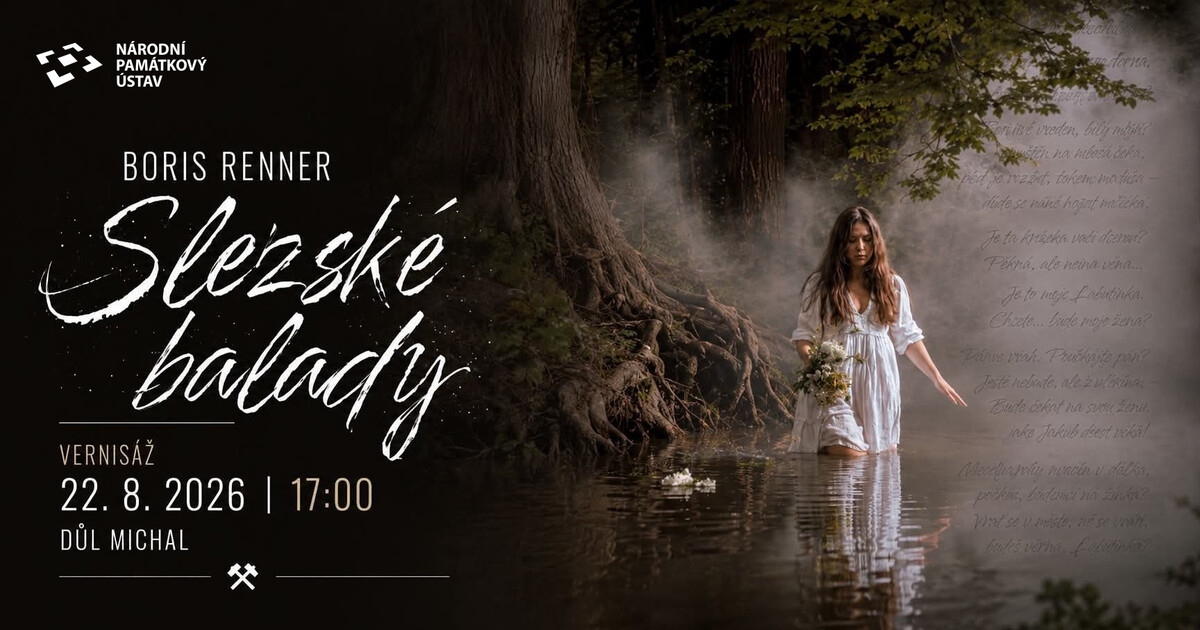
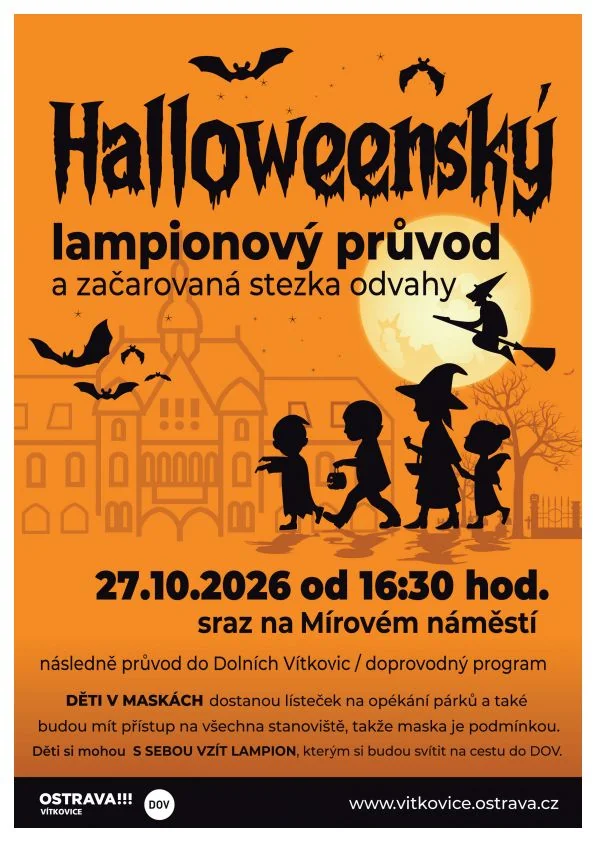
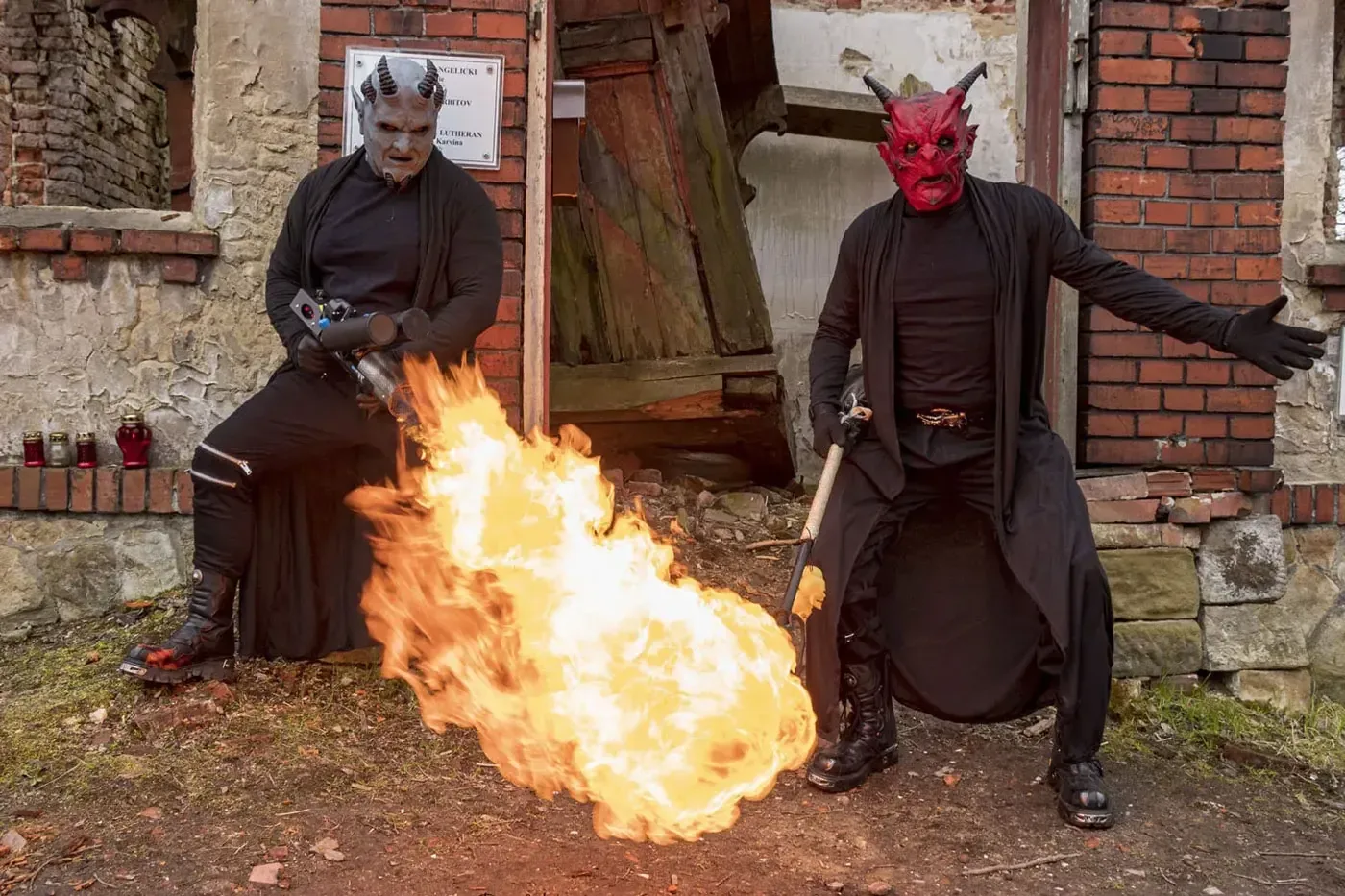
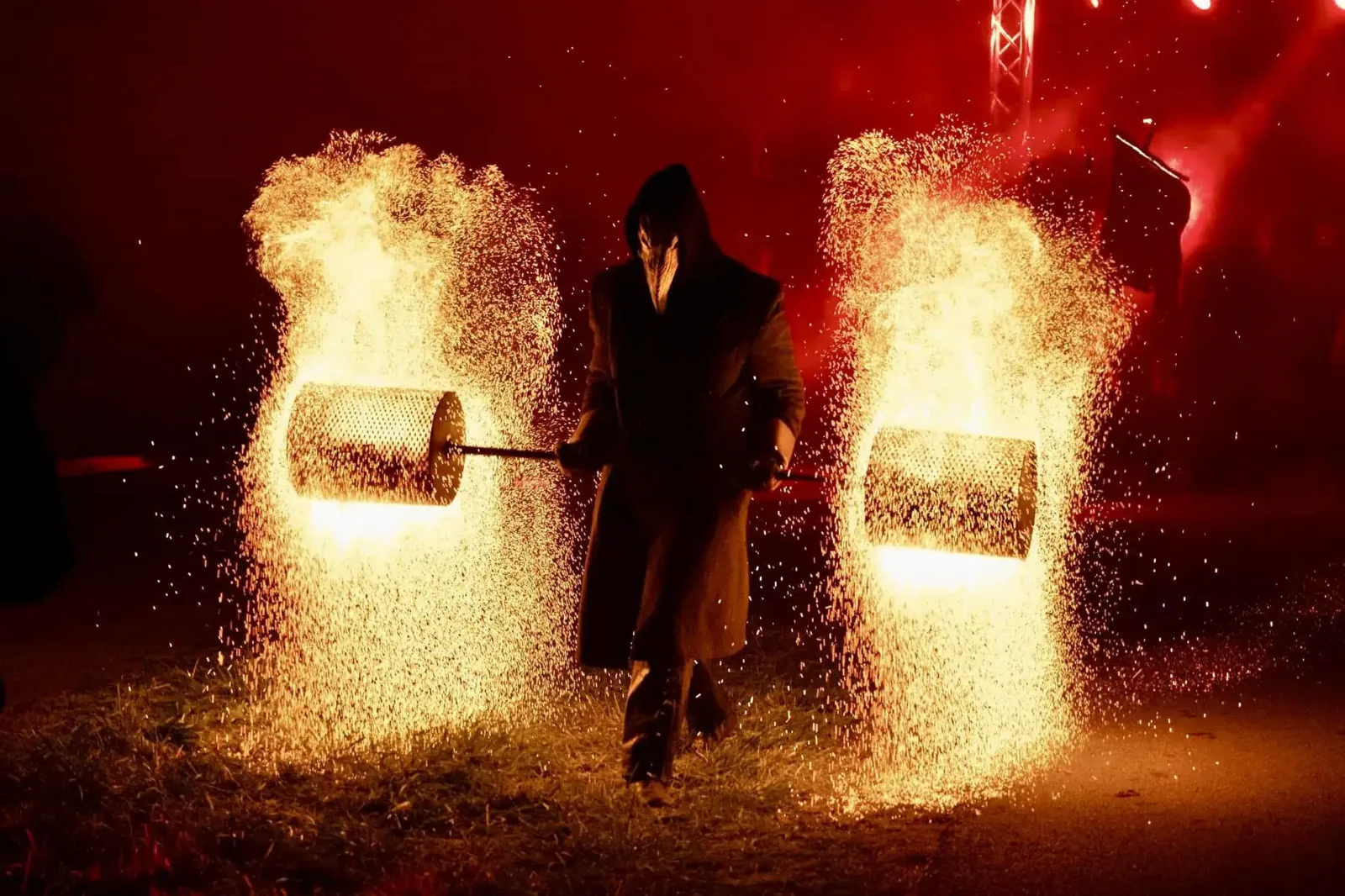
Zdroj akcí: otevřená data měst a obcí ČR (Národní katalog otevřených dat) a kalendář akcí Národního památkového ústavu.
Nearby
Nearby features include Bělský les and Halda Hrabůvka. The area is well-connected by tram lines (12, 18, 19) and bus line 50, with additional public transport options within walking distance.
Accommodation nearby
Themed route
Thematic Walking Tour: Jubilejní Kolonie and Surroundings
1. Jubilejní Kolonie (Sídelní Útvar) - Type: Architectural Ensemble - Why Visit: Begin your journey at this iconic residential complex in Hrabůvka, designed by renowned architect Karel Honzík. The Jubilejní Kolonie is a prime example of functionalist architecture and offers insights into innovative urban planning from the early 20th century. Explore its unique design elements and learn about its historical significance.
2. Bělský Les - Type: Forest Area - Why Visit: Just a short walk from Jubilejní Kolonie, Bělský les offers serene woodland trails perfect for nature lovers. This forested area provides an ideal setting for leisurely walks or picnics amidst lush greenery and diverse flora and fauna. It's a refreshing escape into nature right in the heart of Ostrava.
3. Halda Hrabůvka - Type: Industrial Heritage Site - Why Visit: Approximately a 15-minute walk from Bělský les, Halda Hrabůvka is a fascinating site showcasing the region's industrial past. Once an open-cast mine, it now serves as a unique landscape feature and offers panoramic views of the surrounding area. It’s a testament to the transformation of industrial sites into cultural landmarks.
4. Public Transport Hub (Tram Lines 12, 18, 19 & Bus Line 50) - Type: Transportation Center - Why Visit: Conclude your tour at this well-connected transport hub near Jubilejní Kolonie. The availability of tram lines 12, 18, and 19, along with bus line 50, makes it convenient for visitors to explore further or return home. This hub is a testament to the area's excellent public transportation network, facilitating easy access to various parts of Ostrava.
This tour offers a blend of architectural exploration, natural beauty, and industrial history, all within walking distance in Hrabůvka.
Seasonal recommendations
Spring: The Jubilejní kolonie in Hrabůvka is a delightful destination during spring, as the surrounding landscape bursts with vibrant colors from blooming flowers and fresh greenery. This season offers a unique opportunity to enjoy the renewal of nature, with gentle breezes and mild temperatures creating an inviting atmosphere for exploration. Visitors can take advantage of the less crowded environment compared to summer months, making it easier to appreciate the historical details of the site in progress. It is recommended to wear layers that can be adjusted throughout the day as spring weather can be unpredictable, often fluctuating between cool mornings and warmer afternoons.
Summer: Summer at Jubilejní kolonie promises long daylight hours perfect for extended visits, allowing ample time to explore the historical site amidst its lush surroundings. The warm weather enhances the experience of outdoor activities, such as walking through gardens or enjoying picnics in nearby green spaces. However, this is also peak tourist season, so it's advisable to arrive early to avoid larger crowds and ensure a more personal encounter with the architecture and history on display. Comfortable footwear and light clothing are recommended for navigating the site comfortably during warmer days.
Autumn: Autumn at Jubilejní kolonie offers a picturesque setting as the foliage transforms into shades of red, orange, and gold. The cooler temperatures make it an ideal time to enjoy leisurely strolls around the area without the summer heat. This season often sees fewer visitors, providing a more serene experience for those interested in history and architecture. It's advisable to dress warmly, with layers that can be added or removed as needed, and perhaps bring an umbrella in case of rain, which is common during this time of year.
Winter: Winter brings a unique charm to Jubilejní kolonie, even though the site may have limited access due to ongoing re-construction. The snowy landscape adds a magical touch, transforming the surroundings into a winter wonderland that can be especially enchanting under soft lighting or on clear days when sunlight reflects off the snow. Early arrival is recommended to make the most of any limited daylight available during this season.
Visualizations and artistic views


The visualisations are generated by artificial intelligence and serve as inspiration.
Photos from the area
Real photos taken near the monument

Zdroj a licence jsou uvedeny u každého snímku.
Tips from visitors
No tips yet. Be the first!
Log in and add your tip.
Sources and literature
Photos: Stratma / CC BY-SA 3.0 — Wikimedia Commons. The author and licence also appear when you hover over the image.
Faktickým podkladem tohoto textu byl článek na Wikipedii, jehož autory jsou přispěvatelé Wikipedie. Článek je dostupný pod licencí CC BY-SA 4.0.
Location on the map
Příběhy a pověsti
Legendy, pověsti a příběhy spjaté s touto památkou
Fotografie návštěvníků
Zatím žádné fotografie. Buďte první, kdo přidá fotografii z návštěvy!
Log in a přidejte svou fotografii nebo hodnoťte.
Za ověřenou návštěvu v aplikaci získáte víc bodů — poznáme podle GPS, že jste na místě.
Reviews and comments