



Kostel Nejsvětější Trojice (Velká Štáhle) Church
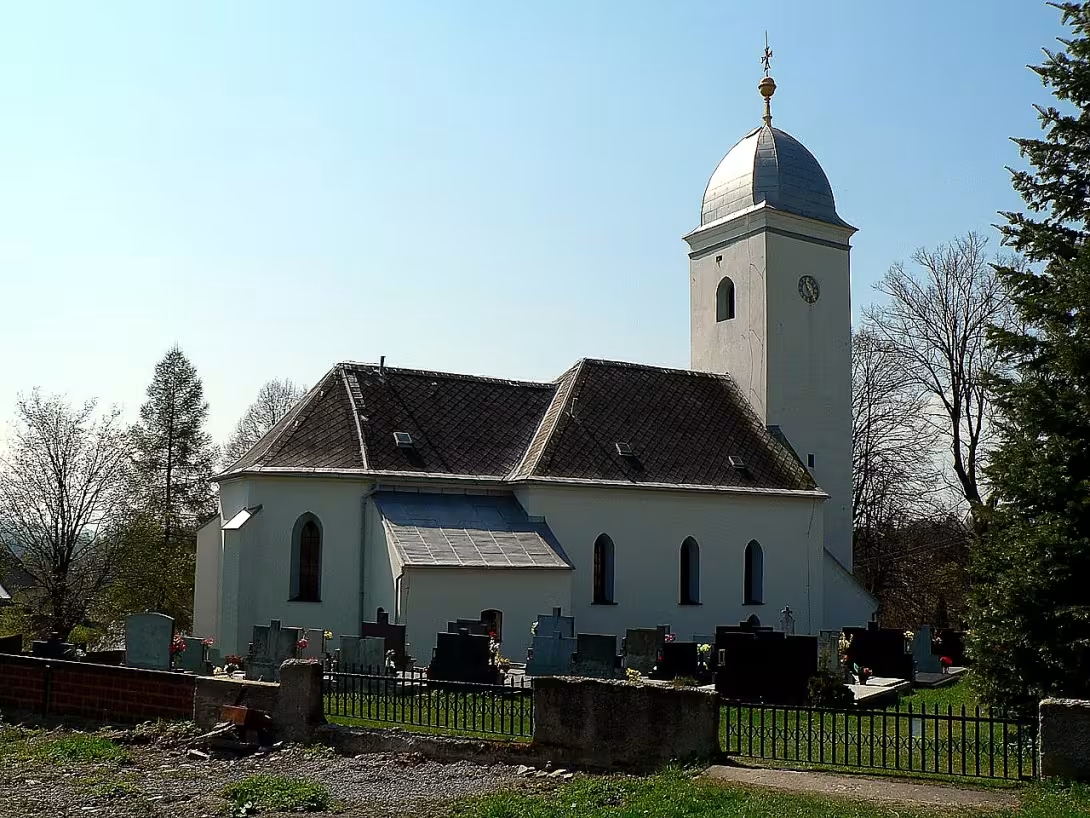
The Church of the Holy Trinity in Velká Štáhle stands as a testament to the religious and architectural history of the region. Located in Moravskoslezský kraj, this late Gothic structure was completed between 1576 and 1606. Originally built by Jan Kobylka z Kobylího a na Sovinci as a Protestant church, it reflects the complex religious dynamics of its time. Following the Thirty Years' War, the church underwent re-Catholicization and became part of the Roman Catholic parish in Moravice. Its distinctive spire on the façade and some original tribune fittings from its Protestant origins make it notable. Declared a cultural monument of the Czech Republic in 2003, this church offers insights into the historical shifts that have shaped the region.
Constructed during a period marked by religious conflict between Protestantism and Catholicism in Bohemia, Jan Kobylka z Kobylího a na Sovinci commissioned its construction as a Protestant place of worship. However, after the Thirty Years' War (1618-1648), re-Catholicization efforts led to changes in its religious affiliation. By 1922, it had become an independent parish under Římskokatolické farnosti Velká Štáhle.
Architecturally, the church is a late Gothic structure characterized by its single-nave design and distinctive spire on the façade. Originally built as a Protestant church, it retained some of its original tribune fittings despite undergoing significant changes over time. In 1860, a lightning strike caused a fire that severely damaged the church, leading to reconstruction in 1862 with a simpler roof design replacing the original onion dome. Further modernization occurred in the 1970s, and new electric clock faces were installed in 2006 for its 400th anniversary.
Ownership and administration of the church have evolved over time. Initially owned by Jan Kobylka z Kobylího a na Sovinci, it later became part of the Roman Catholic parish following re-Catholicization after the Thirty Years' War. Since 1922, it has functioned as an independent parish under Římskokatolické farnosti Velká Štáhle.
Several key events have marked its history. In 1860, a lightning strike caused a fire that severely damaged the church, leading to reconstruction and rededication in 1862 with a new roof design. The original bell tower housed three bells, all destroyed in the 1860 fire. New iron bells were installed in 1971 from Vlčnov, restoring the number of bells in the tower to three.
Today, the Church of the Holy Trinity remains an active place of worship and is accessible to visitors interested in its historical significance. Its status as a cultural monument underscores its importance as a site that reflects the religious and architectural history of the region. Visitors are invited to explore this remarkable structure, which offers a glimpse into the past while continuing to serve its community in the present.
Then and now
Drag the slider to compare how the landmark may have looked when it was built with the view today.
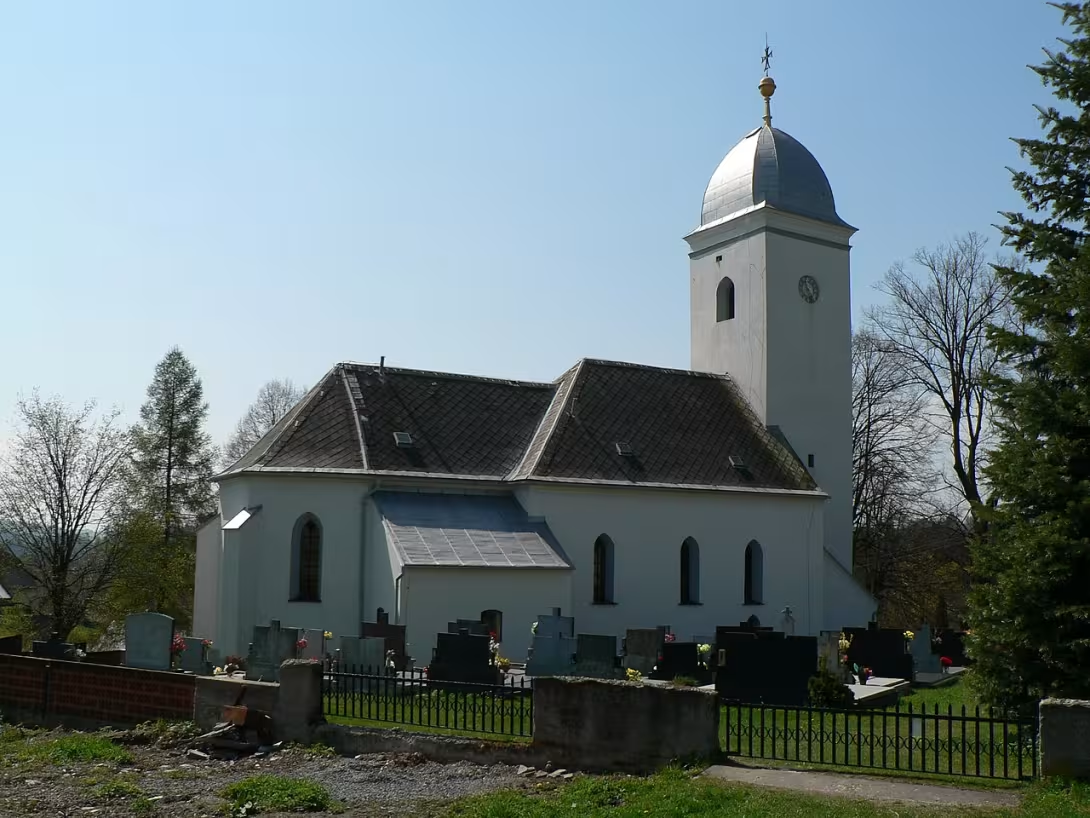
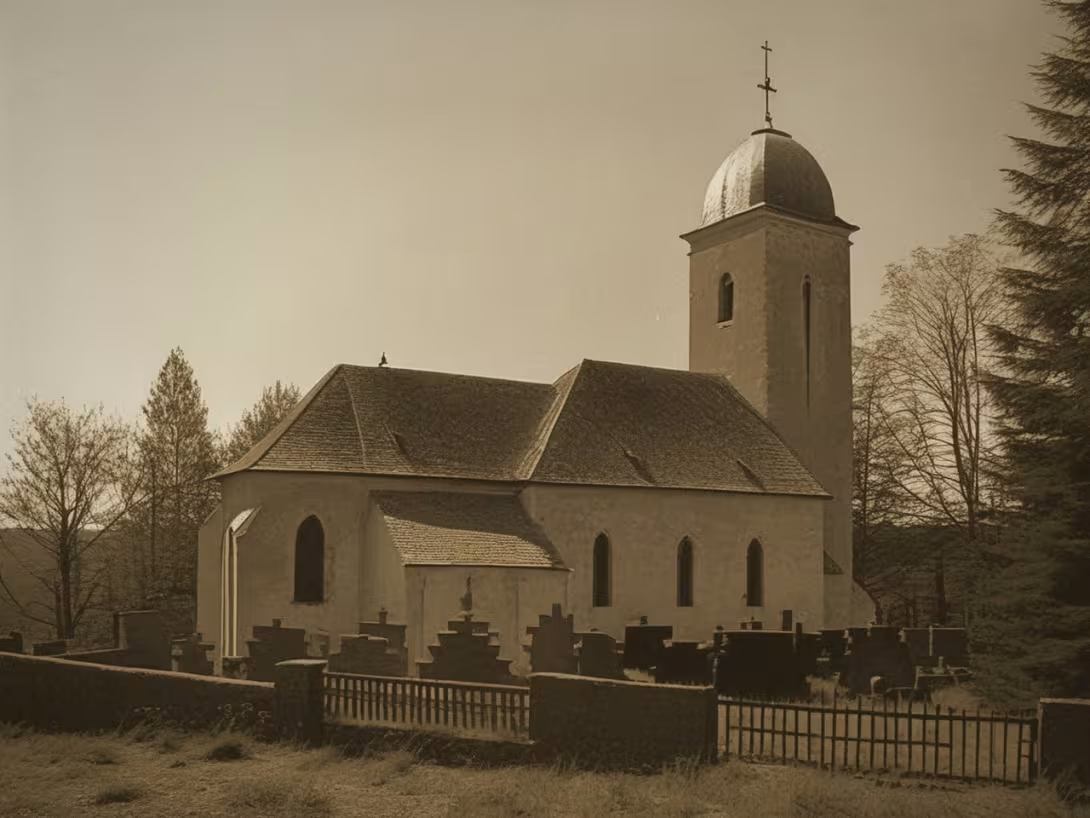
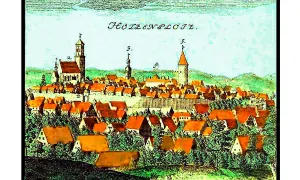
The historical appearance on the left is an AI-generated visualisation and serves as inspiration only.
Historical milestones
- 1606
- Construction of the Church of the Holy Trinity completed.
- 1860
- The church was struck by lightning and burned down.
- 1862
- Reconstruction and rededication of the church.
- 2003
- Declared a cultural monument of the Czech Republic.
Architectural development
Originally built as a late Gothic Protestant church, it underwent significant changes after being damaged by fire in 1860. The reconstruction included a new roof design and modernization efforts in the 1970s. In 2006, to commemorate its 400th anniversary, new electric clock faces were installed.
Historical events
The church was struck by lightning and burned down in 1860.
Reconstruction and rededication occurred in 1862, with a simpler roof replacing the original onion dome.
Owners
Originally owned by Jan Kobylka z Kobylího a na Sovinci, it later became part of the Roman Catholic parish after re-Catholicization post- Thirty Years' War. Since 1922, it has been an independent parish under the Římskokatolické farnosti Velká Štáhle.
Points of interest
- The Church of the Holy Trinity was originally commissioned by Jan Kobylka z Kobylího a na Sovinci as a Protestant church during a time of significant religious conflict in Bohemia, reflecting the era's complex interplay between Protestantism and Catholicism.
- A lightning strike in 1860 caused a devastating fire that destroyed three original bells housed in the bell tower. The bells were replaced with new iron ones from Vlčnov in 1971, restoring their number to three.
- Despite its re-Catholicization after the Thirty Years' War, the church retains some of its original tribune fittings from its Protestant origins, offering a unique glimpse into its diverse religious history.
- In 2006, for the church's 400th anniversary, new electric clock faces were installed as part of modernization efforts that began in the 1970s, blending historical preservation with contemporary updates.
- The distinctive spire on the façade is an architectural feature that makes the Church of the Holy Trinity stand out among other late Gothic structures in the region, highlighting its unique design elements.
Guide
This guide is narrated by a synthetic voice generated by artificial intelligence.
Show guide text
This text was created by artificial intelligence and has not been editorially reviewed. It may contain inaccuracies.
Welcome to the Church of the Holy Trinity in Velká Štáhle, a remarkable testament to late Gothic architecture and a witness to centuries of religious history. As you stand before this majestic structure, take a moment to absorb its presence—a beacon of faith that has stood through time's relentless march.
The story of this church begins with Jan Kobylka z Kobylího a na Sovinci in the late 16th century. Between 1576 and 1606, during a period marked by significant religious conflict between Protestantism and Catholicism, Kobylka commissioned the construction of this church as a Protestant place of worship. This decision mirrored the era's complex interplay of faiths, reflecting both personal conviction and broader societal tensions.
As you gaze upon its façade, notice the distinctive spire that rises above the surrounding landscape—a striking feature that has captivated onlookers for centuries. The architecture invites contemplation not only of its aesthetic appeal but also of the historical narratives it embodies. Although the original architects remain unknown, their work endures as a symbol of resilience and adaptation.
The church's history is punctuated by moments of both tragedy and renewal. In 1860, a lightning strike reduced the structure to ashes, yet this did not mark its end. By 1862, reconstruction efforts had restored its former glory, allowing it to continue serving the spiritual needs of the community as part of the Roman Catholic parish in Moravice.
Jan Kobylka's legacy is intricately woven into the fabric of this church. His vision and patronage during a turbulent time highlight the personal stories that contribute to our understanding of history—a reminder of how individual actions can shape communal identity.
One of the most intriguing aspects of this site is its journey through re-Catholicization after the Thirty Years' War, illustrating the fluidity of religious landscapes in response to broader geopolitical shifts. This transformation underscores the church's role as a living monument, adapting and evolving with each passing era.
Declared a cultural monument of the Czech Republic in 2003, the Church of the Holy Trinity stands not only as an architectural achievement but also as a testament to human perseverance and faith. As you explore its surroundings, let your imagination wander through the centuries, envisioning the countless stories that have unfolded within and around its walls.
We invite you to delve deeper into this historical gem, discovering more about its past and reflecting on its significance in today's world. Thank you for joining us on this journey of exploration and discovery at Velká Štáhle.
Frequently asked questions
Can the monument be visited?
Religious buildings are usually open mainly during services; at other times a visit is normally arranged with the parish or the operator. We have not verified specific times.
Where is the monument?
Location: Velká Štáhle, Moravskoslezský kraj. The map on this page shows the exact spot.
Why is the monument protected?
It is listed in the Central List of Cultural Monuments of the Czech Republic as a cultural monument (register no. 100653).
Businesses nearby
Do you run a restaurant, accommodation, shop, museum, rental, wellness or other visitor service near this monument? Show yourself directly to the people heading to it — this is how they will see you in the app and on the web:
Accommodation nearby
Themed route
Tematická výletní trasa: Kostel Nejsvětější Trojice (Velká Štáhle)
1. Kostel Nejsvětější Trojice (Velká Štáhle) - Hlavní cíl Typ: Náboženský památník Proč stojí za návštěvu: Tento barokní kostel je architektonickou perli v obci Velká Štáhle. Jeho bohaté historie a umělecká detaile jsou fascinující pro milovníky historie i architektury. Navštivte jeho interiér, abyste si užili krásný freskový dekor a pozoruhodné sochařské práce.
2. Kaple Panny Marie - Blízká kaple Typ: Kaple Proč stojí za návštěvu: Tato malá, ale významná kaple je známá svou klidnou atmosférou a krásným pohledem na okolní krajinu. Je to ideální místo pro odpočinek a reflexi po návštěvě kostela, kde můžete užít si poklidné chvilky v přírodě.
3. Nádvoří kostela - Bezprostřední okolí Typ: Náboženský areál Proč stojí za návštěvu: Nádvoří kostela nabízí klidné prostory, kde můžete užít si pohled na historické budovy a možná i zaznamenat několik fotografií. Je to také místo, kde se konají různé komunitní akce a slavnosti, které přinášejí do života obce jedinečnou atmosféru.
4. Výhled z okolního kopce - Blízký výhled Typ: Výhledové místo Proč stojí za návštěvu: Krátce po procházce kolem kaple se můžete vydat na malý kopcovitý úsek poblíž, který nabízí vynikající pohledy na obec a okolní krajinu. Je to skvělá příležitost pro fotografování nebo jednoduché užívání si klidného momentu.
Tato trasa nabízí návštěvníkům možnost prozkoumat bohatou historii a kulturu obce Velká Štáhle, přičemž se soustředí na hlavní památku a její okolní zajímavosti.
Seasonal recommendations
Spring: Visiting the Church of the Holy Trinity in Velká Štáhle during spring offers a serene experience as nature awakens around the historic site. The blooming flowers and lush greenery create a picturesque setting, enhancing the church's architectural beauty with vibrant colors and fresh scents. This season is ideal for photography enthusiasts looking to capture the contrast between the ancient structure and the lively surroundings. Visitors should dress in layers, as temperatures can vary widely throughout the day. Arriving early in the morning allows you to enjoy the site before larger crowds gather, ensuring a peaceful exploration.
Summer: In summer, the Church of the Holy Trinity is bathed in warm sunlight, which highlights its intricate details and enhances its historical charm. The longer daylight hours provide ample time for visitors to explore both the church's interior and its surroundings. However, this season also attracts more tourists, so it’s advisable to visit early to avoid crowds. Comfortable walking shoes and light clothing are recommended due to the warmer weather. Don't forget your sunscreen and a hat to protect against the sun while you enjoy the lively atmosphere of summer.
Autumn: Autumn brings a unique charm to Velká Štáhle, with the Church of the Holy Trinity surrounded by a tapestry of reds, oranges, and yellows as the leaves change color. The cooler temperatures make for a pleasant visit, allowing you to appreciate the historical site without the summer heat. This season is perfect for those who enjoy a tranquil setting, as the number of visitors tends to decrease compared to peak tourist seasons. Dress warmly in layers, and consider bringing an umbrella or raincoat, as autumn weather can be unpredictable with occasional showers.
Winter: The winter months offer a magical atmosphere at the Church of the Holy Trinity, with snow often blanketing the area in a serene white cover that contrasts beautifully against the church's historic facade. Shorter days mean planning your visit during daylight hours is essential, and it’s wise to check opening times as they may be reduced in winter. Dress warmly in layers and wear sturdy boots for navigating snowy paths. The quieter atmosphere makes it an ideal time for those seeking a peaceful experience, with fewer tourists and the chance to enjoy the church's beauty in a tranquil setting.
Visualizations and artistic views


The visualisations are generated by artificial intelligence and serve as inspiration.
Photos from the area
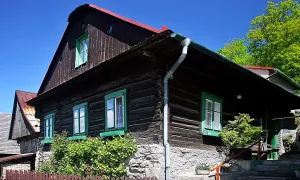
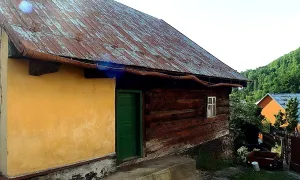
Real photos taken near the monument

Zdroj a licence jsou uvedeny u každého snímku.
Tips from visitors
No tips yet. Be the first!
Log in and add your tip.
Sources and literature
Photos: Martin Vavřík / Public domain — Wikimedia Commons. The author and licence also appear when you hover over the image.
Faktickým podkladem tohoto textu byl článek na Wikipedii, jehož autory jsou přispěvatelé Wikipedie. Článek je dostupný pod licencí CC BY-SA 4.0.
Location on the map


Příběhy a pověsti
Legendy, pověsti a příběhy spjaté s touto památkou

Fotografie návštěvníků
Zatím žádné fotografie. Buďte první, kdo přidá fotografii z návštěvy!
Log in a přidejte svou fotografii nebo hodnoťte.
Za ověřenou návštěvu v aplikaci získáte víc bodů — poznáme podle GPS, že jste na místě.
Reviews and comments