






Kostel svatého Antonína Paduánského (Dubnice) Church
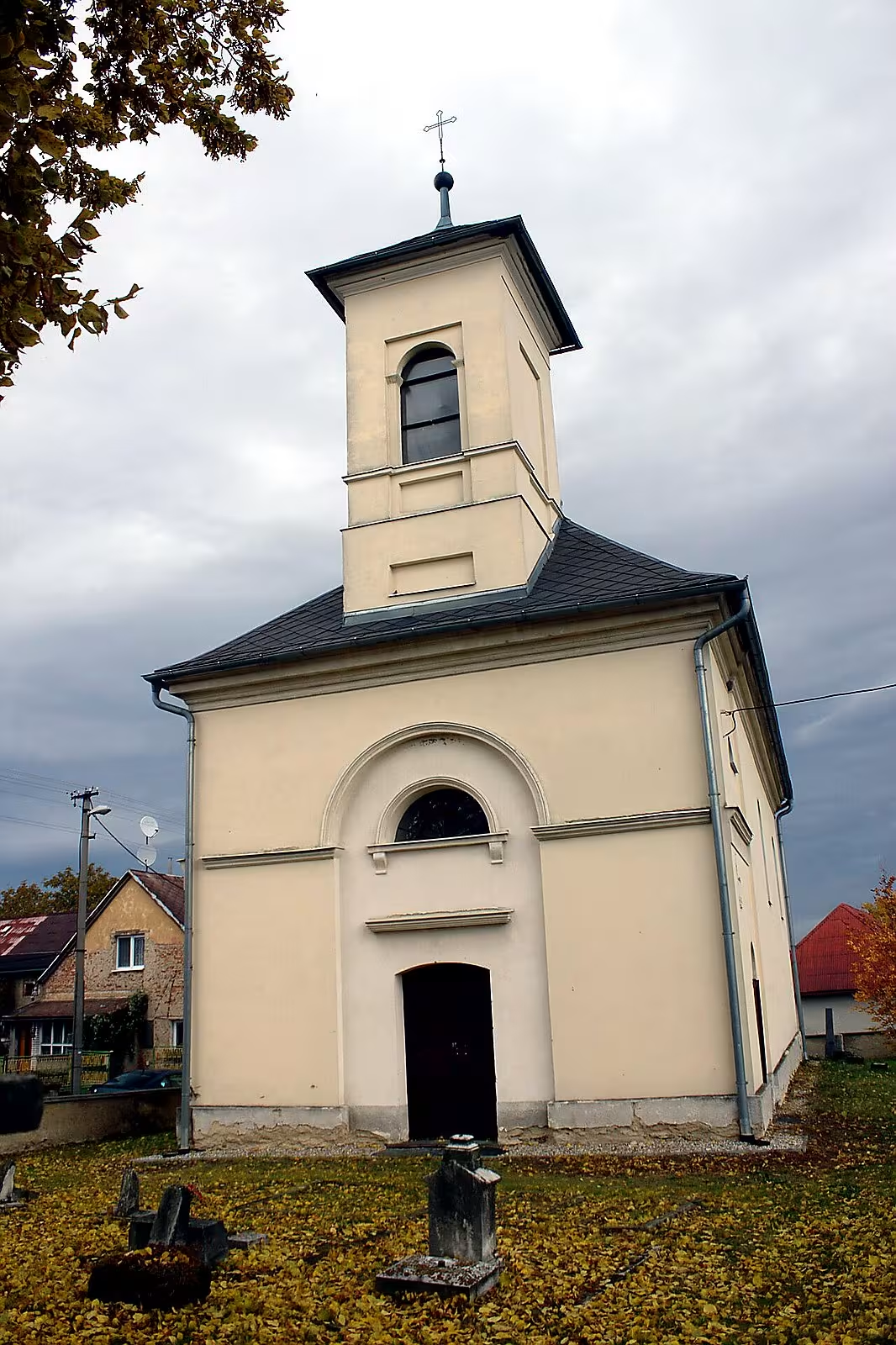
The Church of Saint Anthony of Padua in Dubnice is a notable historical monument located in the village of Dubnice within the Lichnov district of Moravskoslezský kraj, Czech Republic. Constructed between 1822 and 1823, this Empire-style church stands on the site of an earlier wooden structure that burned down in 1820. Its significance is underscored by its architectural style, historical context, and cultural heritage as a filial church with connections to notable figures such as Jan Adam kníže z Lichtenštejna.
The origins of this monument trace back to the early 19th century when Bohemia was part of the Austrian Empire. The original wooden church dedicated to Saint Anthony of Padua burned down in 1820, prompting the construction of a new brick building. Designed by Gottlieb Mayer, an architect from Krnov, the church was completed between 1822 and 1823. Jan Adam kníže z Lichtenštejna served as both patron and donor for this project, contributing significantly to its funding alongside donations from local citizens and church funds.
Architecturally, the Church of Saint Anthony of Padua exemplifies the Empire style prevalent in early 19th-century Europe. It is a single-nave structure with a distinctive spire rising from its façade. The church is surrounded by an enclosed cemetery established in 1672, adding to its historical ambiance. Inside, visitors can admire a flat ceiling painted in 1901 and a preserved stone altar that survived the fire of the original wooden church. Notably, the church houses functional organ pipes dating around 1850, crafted by Franz Rieger and restored in 2002 by the Kánský – Brachtl varnishing workshop.
Ownership of the church transitioned over time, initially under the patronage of Jan Adam kníže z Lichtenštejna. After 1947, it became municipal property, reflecting broader changes in ownership and administration post-World War II. The church has also experienced significant events, including a burglary in 2014.
Today, the Church of Saint Anthony of Padua remains an important cultural site within Dubnice. It is accessible to visitors who wish to explore its historical architecture and serene surroundings. The church's organ pipes, stone altar, and statue of the Virgin Mary contribute to its charm and significance as a local landmark. Its inclusion in the list of cultural monuments of the Czech Republic further highlights its value.
Visiting this monument offers a glimpse into the architectural and cultural history of early 19th-century Bohemia. The Church of Saint Anthony of Padua stands not only as a place of worship but also as a testament to the community's resilience and historical legacy, inviting visitors to appreciate its enduring beauty and significance.
Then and now
Drag the slider to compare how the landmark may have looked when it was built with the view today.
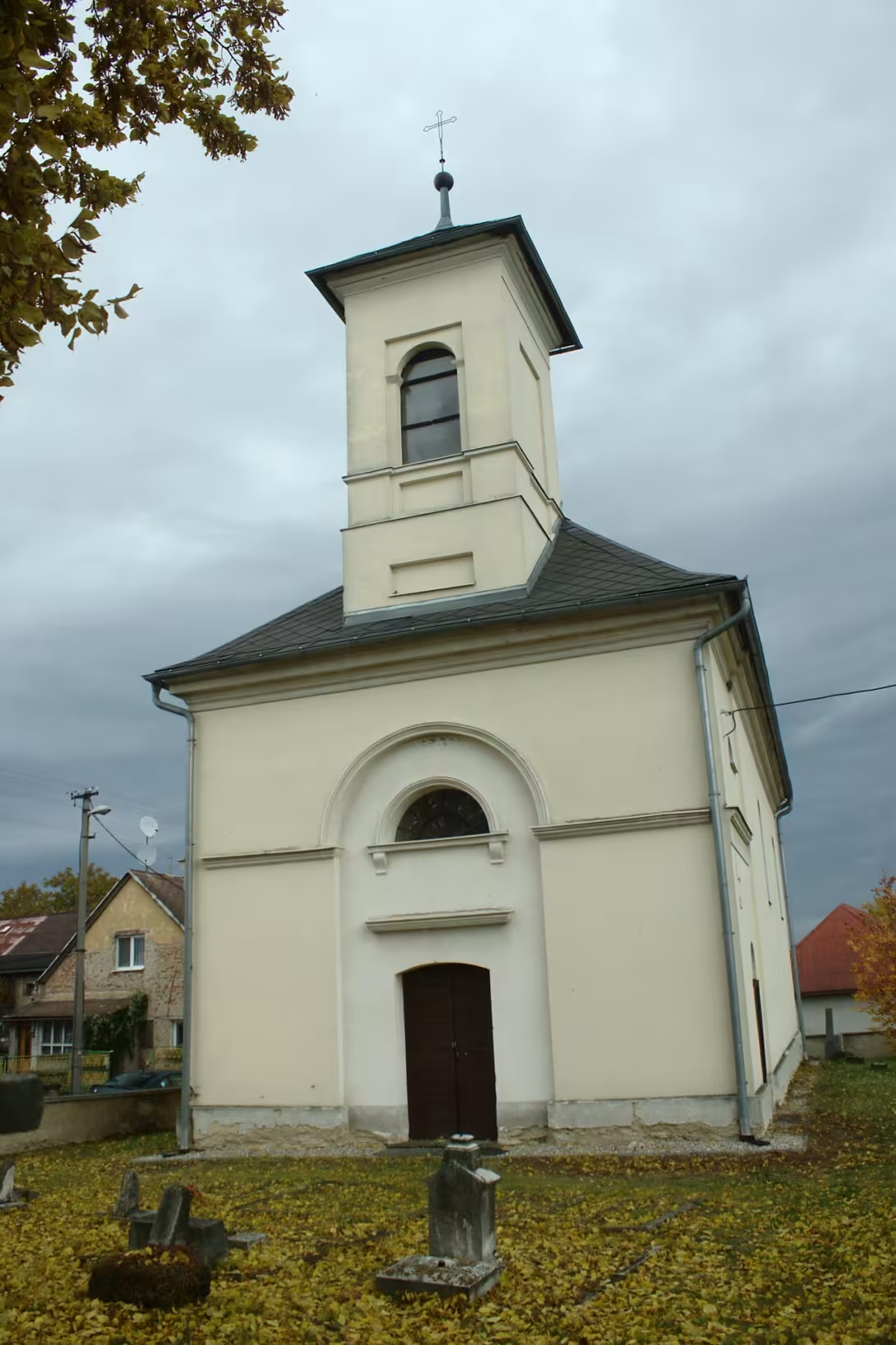

The historical appearance on the left is an AI-generated visualisation and serves as inspiration only.
Historical milestones
- 1672
- Založení obklopeného hřbitova u kostela.
- 1820
- Původní dřevěný kostel shořel.
- 1822
- Začátek výstavby nového kostela z cihel.
- 1823
- Dokončení stavby kostela.
- 1901
- Výzdoba stropu v kostele.
- 1850
- Přibližná datace varhan od Františka Riegra.
Architectural development
Constructed between 1822 and 1823, the church replaced a wooden predecessor with a single-nave Empire-style brick structure. It features a spire rising from the façade and is surrounded by an enclosed cemetery. The interior includes a flat ceiling painted in 1901, a preserved stone altar, and functional organ pipes dating around 1850.
Historical events
- 1820
- The original wooden church dedicated to Saint Anthony of Padua burned down.
- 2014
- The church was burglarized.
Owners
Initially owned by Jan Adam kníže z Lichtenštejna as patron and donor. After 1947, it became the property of the municipality of Dubnice.
Points of interest
- The Church of Saint Anthony of Padua was constructed on the site of an earlier wooden church that burned down in 1820, a common occurrence at the time due to the flammable nature of wood construction.
- The Empire-style architecture of the church reflects broader European trends during the early 19th century, characterized by grandeur and symmetry, which were symbolic of power and stability following the Napoleonic Wars.
- Jan Adam kníže z Lichtenštejna not only funded the construction but also served as a patron, highlighting his influence in both religious and local civic matters during that period.
- The church's organ pipes are crafted by Franz Rieger around 1850, a notable composer and organ builder whose work contributed significantly to the development of musical instruments in Central Europe.
- Despite its serene appearance today, the church experienced a burglary in 2014, illustrating ongoing challenges in preserving historical sites against modern threats.
Guide
This guide is narrated by a synthetic voice generated by artificial intelligence.
Show guide text
This text was created by artificial intelligence and has not been editorially reviewed. It may contain inaccuracies.
Welcome to the Church of Saint Anthony of Padua in Dubnice, a remarkable testament to early 19th-century Empire architecture nestled within this serene Moravskoslezský landscape. As you stand before its distinctive spire reaching skyward, take a moment to soak in the tranquil surroundings and historic aura that envelops this sacred site.
Let's delve into the origins of this church. The current structure was built between 1822 and 1823 on the grounds where an earlier wooden church once stood until it succumbed to flames in 1820. This was not uncommon at the time, as wood construction posed significant fire risks. Surrounding the church is a historic cemetery established back in 1672, adding layers of cultural significance to this location.
Architecturally, you are witnessing Gottlieb Mayer's vision come to life. The Empire-style architecture reflects broader European trends during the early 19th century, characterized by its grandeur and symmetry. As you gaze upon the church, take note of its elegant spire—a hallmark of this architectural style—and the harmonious proportions that define its structure.
This site is also intertwined with fascinating historical narratives. Jan Adam kníže z Lichtenštejna played a pivotal role in its history, contributing to the cultural and spiritual life of Dubnice during his time. The church itself houses treasures like the exquisite ceiling decoration added in 1901 and the ornate organ crafted by František Rieger around 1850—each element telling its own story.
A captivating aspect of this church is its resilience and transformation. Rising from the ashes of a wooden predecessor, it stands as a symbol of continuity and renewal within the community. This narrative invites reflection on how places evolve over time while preserving their historical essence.
As you continue your exploration, let yourself be drawn into the quiet beauty and rich history that surrounds you. Each step here is an opportunity to connect with the past and appreciate the craftsmanship and dedication that have shaped this sacred site. We invite you to wander further, discovering more about its stories and significance at your own pace.
Thank you for joining us on this journey through time and architecture. May your visit be both enlightening and inspiring as you uncover the many layers of history embedded within the Church of Saint Anthony of Padua in Dubnice.
Frequently asked questions
Can the monument be visited?
Religious buildings are usually open mainly during services; at other times a visit is normally arranged with the parish or the operator. We have not verified specific times.
Where is the monument?
Location: Dubnice, Moravskoslezský kraj. The map on this page shows the exact spot.
Why is the monument protected?
It is listed in the Central List of Cultural Monuments of the Czech Republic as a cultural monument (register no. 30443/8-63).
Businesses nearby
Do you run a restaurant, accommodation, shop, museum, rental, wellness or other visitor service near this monument? Show yourself directly to the people heading to it — this is how they will see you in the app and on the web:
Nearby
The church is surrounded by a historic cemetery established in 1672 and enclosed with plastered stone walls. The area offers a serene environment, contributing to its charm.
Accommodation nearby
Themed route
Tematická výletní trasa: Kostel svatého Antonína Paduánského (Dubnice)
1. Kostel svatého Antonína Paduánského
- Typ: Religiózní památka
- Proč stojí za návštěvu: Kostel je centrem historické a duchovní atmosféry v Dubnicích. Jeho architektura a bohatá historie nabízejí pohled na minulost obce, což ho činí nezbytným pro každého cestujícího zájemce o historii.
2. Historický hřbitov
- Typ: Hřbitov
- Proč stojí za návštěvu: Ohraničený plátenými kamennými zdmi, tento hřbitov založený v roce 1672 nabízí klidnou a odpojující atmosféru. Je to místo s bohatou historií, kde každý náhrobek vypráví svůj příběh o minulých generacích obyvatel Dubnic.
3. Kostelní věž
- Typ: Architektonické detaily
- Proč stojí za návštěvu: Výstup na kostelní věž poskytuje nejen pohled na okolní krajinu, ale také příležitost prozkoumat architektonické detaily zevnitř. Je to ideální místo pro ty, kteří chtějí ocenit umělecký a stavební dovednost starých mistrovských děl.
4. Nádvoří kostela
- Typ: Otevřené prostranství
- Proč stojí za návštěvu: Nádvoří je místo, kde se můžete odpojit a užít si klidného okamžiku. Je to ideální místo pro relaxaci po prozkoumání kostela i hřbitova, nabízející prostor pro krátké pohovory nebo meditaci v příjemném venkovním prostředí.
Tato trasa nabízí komplexní zážitek o historii a kultuře obce Dubnice, zaměřený na její hlavní památky.
Seasonal recommendations
Spring: The arrival of spring brings a refreshing atmosphere to the Church of Saint Anthony of Padua in Dubnice, with blossoming flowers and lush greenery surrounding the historic site. The soft morning light enhances the architectural details of the church, creating an enchanting ambiance perfect for photography enthusiasts. Visitors are advised to wear comfortable walking shoes as they explore the nearby trails, which become vibrant with new plant life. Spring mornings can be brisk, so layering is recommended. This season sees moderate visitor numbers, allowing for a more leisurely exploration without the crowds of peak tourist seasons.
Summer: Summer in Dubnice offers long days filled with warm sunshine, ideal for visiting the Church of Saint Anthony of Padua. The surrounding landscape radiates vibrant colors and life, making it an excellent time to enjoy outdoor activities nearby. However, this is also the busiest season, so arriving early can help avoid larger crowds. Visitors should dress in light clothing and wear sunscreen to protect against the strong summer sun. Hydration is crucial, so carrying a water bottle is advisable. The church itself provides a cool respite from the heat, making it a perfect spot for reflection or relaxation.
Autumn: Autumn transforms Dubnice into a picturesque setting with its warm hues of golds and reds, offering a stunning backdrop to the Church of Saint Anthony of Padua. The cooler weather makes exploring more comfortable, and the reduced number of visitors allows for a quieter experience. This is an ideal time for those who appreciate photography or simply want to enjoy nature's beauty in peace. Layered clothing is recommended as temperatures can vary throughout the day, and carrying an umbrella might be wise due to unpredictable autumn showers. The church grounds during this season offer a serene atmosphere perfect for contemplation.
Winter: Winter cloaks Dubnice in a blanket of snow, providing a magical setting for visiting the Church of Saint Anthony of Padua. The stark beauty of the landscape contrasts with the intricate details of the church's architecture, creating a unique and enchanting experience. Layered, warm clothing is essential, along with sturdy boots for navigating snowy paths. Winter brings fewer tourists, offering an opportunity for a more intimate visit, though it’s wise to check in advance regarding any seasonal closures or special arrangements.
Visualizations and artistic views


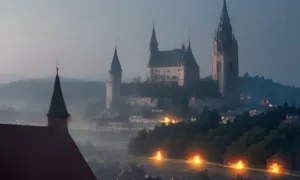
The visualisations are generated by artificial intelligence and serve as inspiration.
Photos from the area
Real photos taken near the monument


Zdroj a licence jsou uvedeny u každého snímku.
Tips from visitors
No tips yet. Be the first!
Log in and add your tip.
Sources and literature
Photos: I would appreciate being notified if you use my work outside Wikimedia. More of my work can be found in my personal gall / CC BY-SA 4.0 — Wikimedia Commons. The author and licence also appear when you hover over the image.
Faktickým podkladem tohoto textu byl článek na Wikipedii, jehož autory jsou přispěvatelé Wikipedie. Článek je dostupný pod licencí CC BY-SA 4.0.
Location on the map


Příběhy a pověsti
Legendy, pověsti a příběhy spjaté s touto památkou
Fotografie návštěvníků
Zatím žádné fotografie. Buďte první, kdo přidá fotografii z návštěvy!
Log in a přidejte svou fotografii nebo hodnoťte.
Za ověřenou návštěvu v aplikaci získáte víc bodů — poznáme podle GPS, že jste na místě.
Reviews and comments