



Kostel svatého Ducha (Břidličná) Church
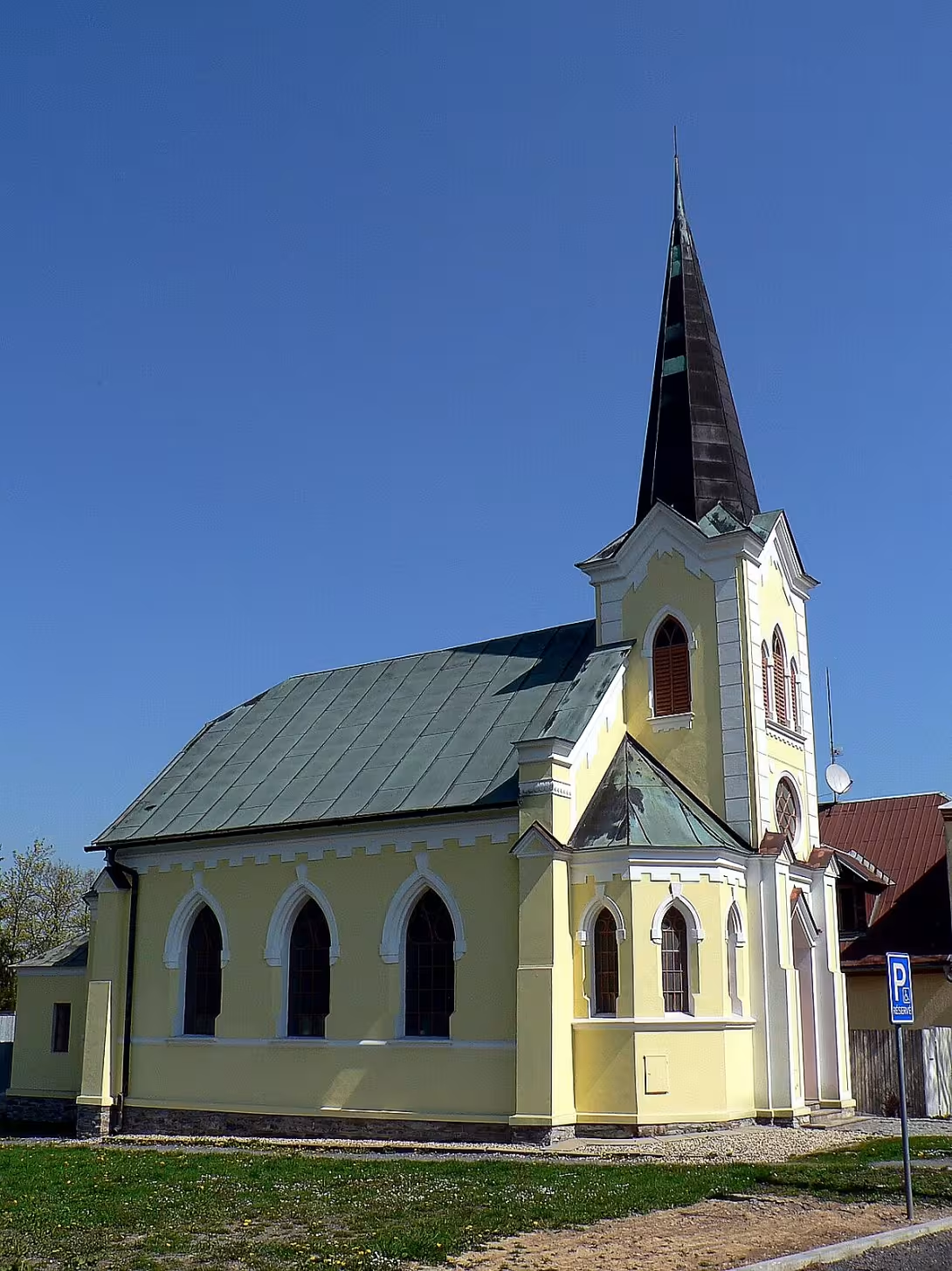
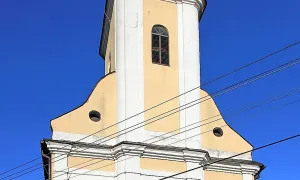
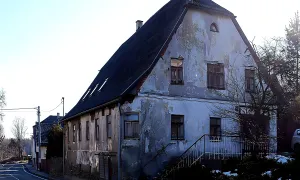
The Church of the Holy Spirit in Břidličná stands as a testament to early 20th-century ecclesiastical architecture and community spirit. Located in the village of Břidličná within the Moravskoslezský region, this modern church was constructed in 1911 under the initiative of Karel Erhart, a local Old Catholic priest. Its significance lies not only in its architectural style but also in its historical journey from a place of worship to a funeral hall and back to a restored religious site.
The origins of the Church of the Holy Spirit are deeply rooted in early 20th-century Bohemia, part of Austria-Hungary during a period marked by cultural and political shifts. Karel Erhart played a pivotal role in its establishment, contributing both land and financial resources for its construction. His personal involvement extended beyond funding; he actively participated in building the church, reflecting his dedication to serving his community's spiritual needs.
Architecturally, the Church of the Holy Spirit embodies early modern styles prevalent at the time of its construction. While specific architectural details are not extensively documented, Erhart’s contributions were instrumental in shaping the structure. The church underwent significant restoration between 2007 and 2008 to preserve its historical integrity, ensuring that future generations could appreciate its original design.
Throughout its history, the Church of the Holy Spirit has experienced notable changes in ownership and purpose. Initially serving as a religious site for the Old Catholic community, it faced a dramatic shift post-World War II when demographic changes led to the displacement of German residents. Consequently, the church was repurposed as a funeral hall by the local community. This transition highlights its adaptability and continued relevance within Břidličná.
Key events in the church’s history underscore its resilience and enduring significance. The construction initiated by Karel Erhart in 1911 marked the beginning of its journey, while its transformation into a funeral hall post-World War II reflected broader societal changes. Restoration efforts between 2007 and 2008 signify a commitment to preserving its historical and cultural value.
Today, the Church of the Holy Spirit stands as a restored monument open for visitors who wish to explore its rich history and architectural beauty. Its journey from a place of worship to a funeral hall and back to a religious site underscores its adaptability and enduring significance within the community. Visitors are invited to appreciate this remarkable structure, which not only reflects early 20th-century ecclesiastical architecture but also tells a story of resilience and dedication.
The Church of the Holy Spirit in Břidličná is more than just an architectural landmark; it is a symbol of community spirit and historical continuity. Its preservation allows us to connect with the past while appreciating its ongoing relevance. Visitors are encouraged to explore this unique site, where history and architecture converge to tell a compelling story.
Then and now
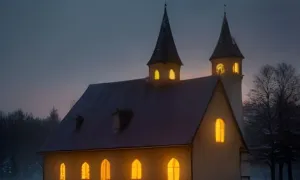
Drag the slider to compare how the landmark may have looked when it was built with the view today.
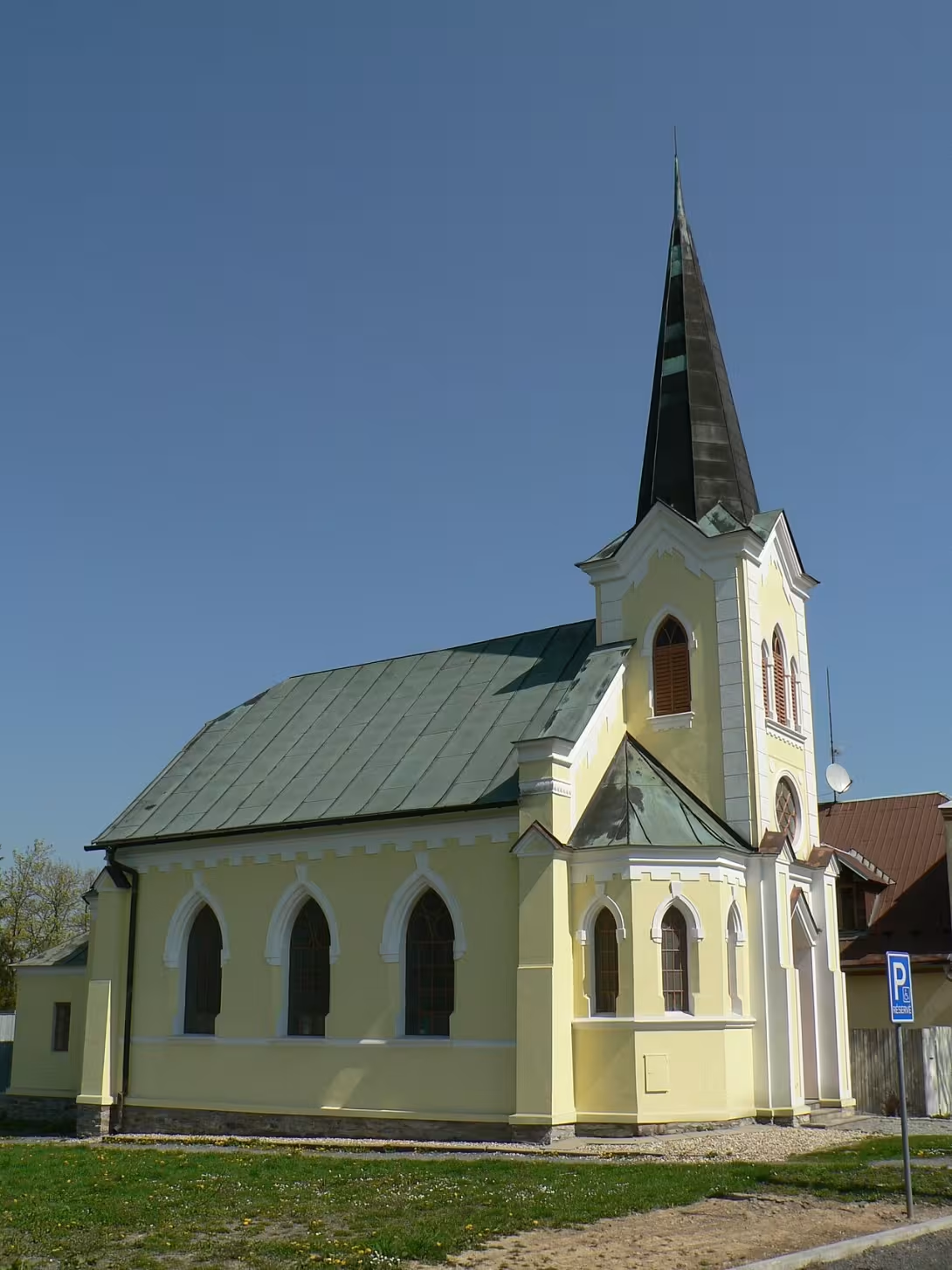
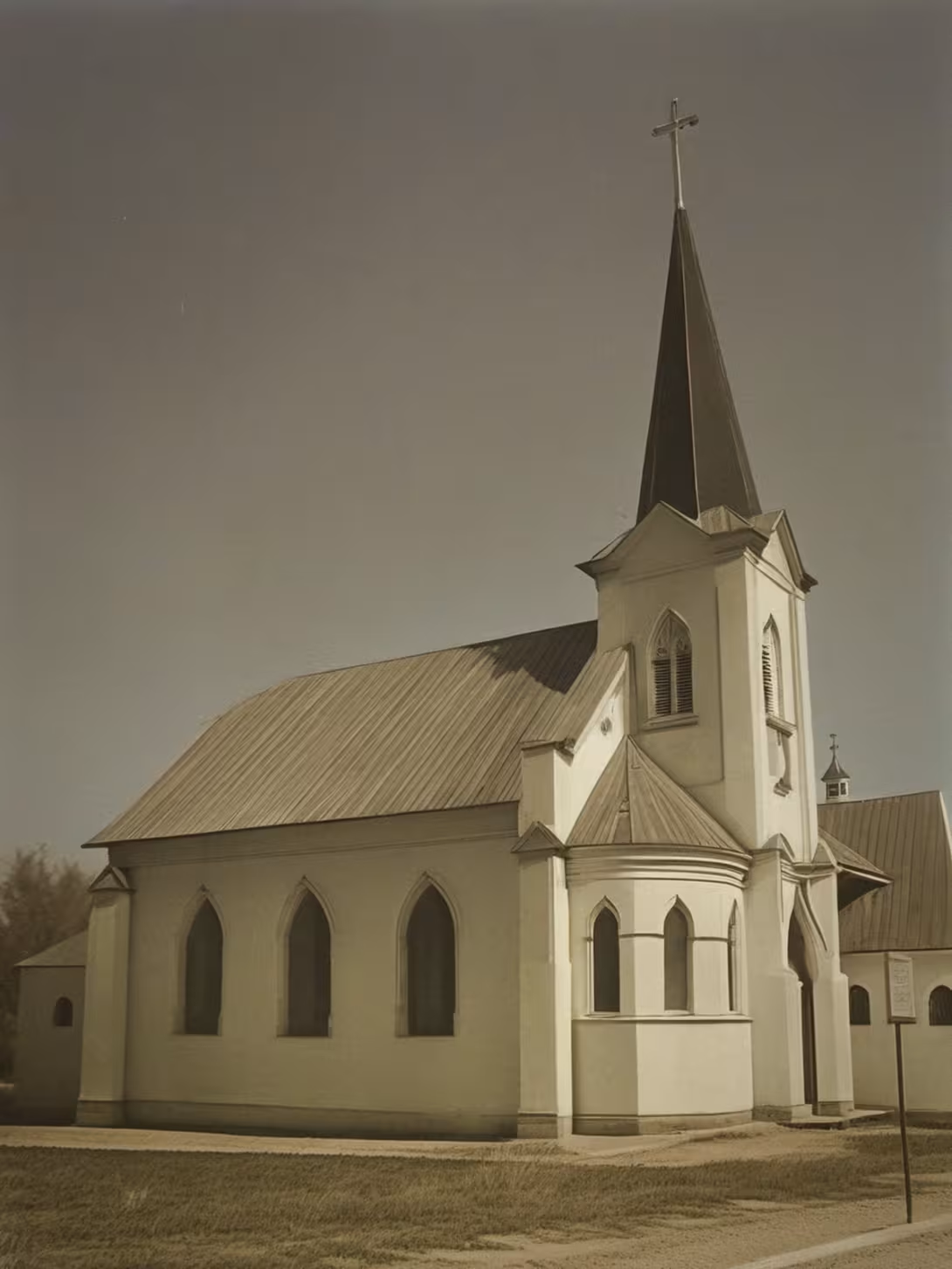
The historical appearance on the left is an AI-generated visualisation and serves as inspiration only.
Historical milestones
- 1911
- Construction of the Church of the Holy Spirit initiated by Karel Erhart.
- 1945
- Post-World War II demographic changes lead to church's repurposing as a funeral hall.
- 2007
- Significant restoration of the Church begins, continuing into 2008.
Architectural development
The Church of the Holy Spirit, built in 1911, showcases early modern architectural styles. Initiated by Karel Erhart, it was constructed with his financial and labor contributions. The building underwent significant restoration between 2007 and 2008 to preserve its structure.
Historical events
1911: Construction of the Church of the Holy Spirit initiated by Karel Erhart.
Post-World War II: The church was repurposed as a funeral hall due to demographic changes.
2007-2008: Restoration of the church.
Points of interest
- The Church of the Holy Spirit was originally established by Karel Erhart, who not only funded its construction but also personally participated in building it, showcasing his deep commitment to the spiritual life of Břidličná.
- After World War II, due to demographic changes and displacement of German residents, the church transitioned from a religious site for the Old Catholic community into a funeral hall, reflecting its adaptability to serve new community needs.
- The architectural style of the Church of the Holy Spirit is rooted in early modern styles prevalent at the time of its construction in 1911, although specific details are not extensively documented, highlighting the blend of historical and functional design elements.
- Between 2007 and 2008, significant restoration efforts were undertaken to preserve the church's historical integrity, ensuring that future generations could appreciate both its architectural beauty and cultural significance.
- The church’s journey from a place of worship to a funeral hall and back to a religious site underscores not only its adaptability but also its enduring importance within the community, symbolizing resilience through changing times.
Guide
This guide is narrated by a synthetic voice generated by artificial intelligence.
Show guide text
This text was created by artificial intelligence and has not been editorially reviewed. It may contain inaccuracies.
The Church of the Holy Spirit in Břidličná is a modern building from 1911. It belongs to the Old Catholic Church and its creation is connected mainly with one person.
The construction was initiated by the local Old Catholic priest Karel Erhart. He donated the land for the church, contributed a substantial financial amount, and also worked on the construction himself.
After the Second World War and the expulsion of the German population, the church ceased to serve religious purposes. The municipality then used it as a funeral hall. The renovation took place only in the years 2007 to 2008.
Tips for visitors
The best time to visit the Church of the Holy Spirit in Břidličná is during late spring or early autumn when the weather is mild, making it ideal for exploring both the church and its surroundings. During these seasons, the landscape around Břidličná is particularly picturesque, offering a serene backdrop that enhances the experience of visiting this modern architectural piece from 1911.
Alternatively, public transport is a viable option, with various routes likely servicing the area. For the most current transportation options and schedules, checking an online travel planner before your trip is recommended.
When planning your visit, consider bringing comfortable walking shoes as you might want to explore the surrounding areas of Břidličná. A camera or smartphone for photography is also advisable, especially if you're interested in capturing the unique architecture of the church and its natural setting. Additionally, carrying a light jacket can be helpful since weather conditions may change unexpectedly.
For photography enthusiasts, the best spots to capture the Church of the Holy Spirit are from outside where the natural light accentuates its modern design. Early morning or late afternoon offers softer lighting, ideal for highlighting the church's architectural details. Exploring nearby areas within a 30-minute radius can also provide unique photo opportunities in nature and local landscapes.
Families with children will find that the Church of the Holy Spirit is a peaceful spot to visit, but it may not have specific attractions tailored for young visitors. However, exploring the natural surroundings of Břidličná can be enjoyable for families. Consider planning a picnic or a short hike in the nearby areas, which are suitable for children and offer a chance to relax and enjoy the outdoors together.
Frequently asked questions
Can the monument be visited?
Religious buildings are usually open mainly during services; at other times a visit is normally arranged with the parish or the operator. We have not verified specific times.
Where is the monument?
Location: Břidličná, Moravskoslezský kraj. The map on this page shows the exact spot.
Businesses nearby
Do you run a restaurant, accommodation, shop, museum, rental, wellness or other visitor service near this monument? Show yourself directly to the people heading to it — this is how they will see you in the app and on the web:
Accommodation nearby
Themed route
Tematická výletní trasa: Kostel svatého Ducha (Břidličná)
1. Kostel svatého Ducha (Břidličná) - Kostel Začni svou cestu u největšího a nejzajímavějšího místa v Břidličné, kostela svatého Ducha. Tento barokní chrám je známý svou architektonickou krásou a historickou hodnotou. Je to centrum duchovního života obce a nabízí pohled na bohatou historii regionu.
2. Obecní úřad Břidličná - Historický objekt Přibližně 5 minut chůze od kostela se nachází obecní úřad, který je umístěn v budově s historickou hodnotou. Navštivte toto místo pro poznání místní správy a jejího působení ve společenství Břidličné. Budova sama o sobě představuje architektonický zájem.
3. Místní tržiště - Kulturní místo Po návštěvě obecního úřadu se podíváme na místní tržiště, které je centrem každodenního života v Břidličné. Zde můžete prozkoumat místní produkty a poznat více o obyvatelstvu i jejich způsobu života. Tržiště je ideálním místem pro setkání s místními obyvateli.
4. Park u kostela svatého Ducha - Zelený prostor Konečnou částí trasy bude návštěva parku umístěného v blízkosti kostela svatého Ducha. Tento zelený prostor nabízí klid a krásu přírody, což je ideální místo pro relaxaci po objevování místních zajímavostí. Park je také vhodným místem pro piknik nebo jen pro chvíli odpočinutí.
Tato trasa vám umožní hluboce se ponořit do historie a kultury Břidličné, zatímco si užijete krásnou přírodní i architektonickou prostředí obce.
Seasonal recommendations
Spring: Visiting the Church of St. Spirit (Břidličná) during spring offers a unique experience as nature awakens around this historical site. The lush greenery and blooming flowers create a picturesque backdrop, enhancing the church's architectural beauty with vibrant colors and fresh scents in the air. This season is ideal for photography enthusiasts who appreciate the interplay of light filtering through budding trees onto the church’s stonework. While spring weather can be unpredictable, bringing occasional rain showers that add to the serene atmosphere, it's advisable to wear layers and carry a waterproof jacket. Visiting on weekdays or early in the morning can help avoid larger crowds, allowing for a more peaceful exploration of this historic site.
Summer: Summer at the Church of St. Spirit (Břidličná) is characterized by long daylight hours and warm temperatures, making it perfect for leisurely visits. The surrounding landscape is lush and vibrant, offering a delightful contrast to the church's historical architecture. This season sees an increase in visitors, especially during weekends and holidays, so planning your visit on weekdays or arriving early can help avoid crowds. Comfortable walking shoes and light clothing are recommended due to the warm weather, along with sun protection like hats and sunscreen. The extended daylight allows for more time to explore not only the church but also its natural surroundings.
Autumn: Autumn brings a stunning palette of colors to the Church of St. Spirit (Břidličná), as leaves turn shades of red, orange, and gold. This season provides a magical atmosphere with cooler temperatures and crisp air that enhances the experience of visiting this historical site. The natural beauty of the surrounding landscape makes it an excellent time for photography and peaceful walks. As the days begin to shorten, planning your visit earlier in the day is advisable to make the most of the natural light. Wearing layers is recommended due to fluctuating temperatures, and carrying a light jacket can be helpful as evenings tend to cool down.
Winter: Winter transforms the Church of St. Spirit (Břidličná) into a serene and enchanting destination with its snow-covered surroundings creating a picturesque scene reminiscent of a postcard. The atmosphere is quiet and peaceful, offering a different perspective on this historic site compared to other seasons. Dress warmly in layers, wear waterproof boots, and bring gloves and hats for comfort during your visit. Planning ahead by checking the church's schedule is important, as winter may affect accessibility due to weather-related closures or limited transportation options.
Visualizations and artistic views


The visualisations are generated by artificial intelligence and serve as inspiration.
Photos from the area
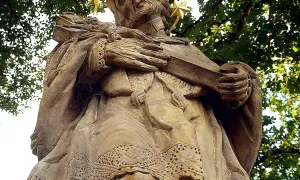
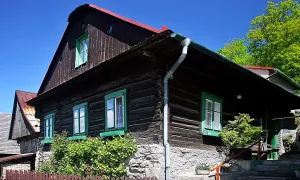
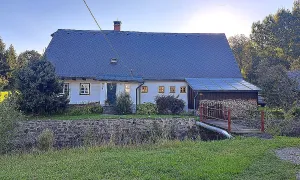
Real photos taken near the monument

Zdroj a licence jsou uvedeny u každého snímku.
Tips from visitors
No tips yet. Be the first!
Log in and add your tip.
Sources and literature
Photos: Martin Vavřík / Public domain — Wikimedia Commons. The author and licence also appear when you hover over the image.
Faktickým podkladem tohoto textu byl článek na Wikipedii, jehož autory jsou přispěvatelé Wikipedie. Článek je dostupný pod licencí CC BY-SA 4.0.
Location on the map
Příběhy a pověsti
Legendy, pověsti a příběhy spjaté s touto památkou
Fotografie návštěvníků
Zatím žádné fotografie. Buďte první, kdo přidá fotografii z návštěvy!
Log in a přidejte svou fotografii nebo hodnoťte.
Za ověřenou návštěvu v aplikaci získáte víc bodů — poznáme podle GPS, že jste na místě.
Reviews and comments