






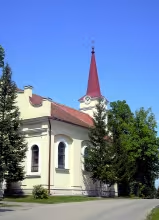
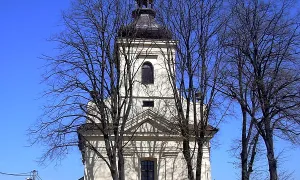
The Church of Saint Ferdinand in Chvalkovice na Hané is a Roman Catholic parish church near Vyškov in the Czech Republic. Originally built in the 17th century with Gothic elements, it later incorporated Baroque influences. This transition highlights its cultural and religious significance as an embodiment of European architectural evolution during a period of significant historical change.
Constructed when Bohemia was part of the Habsburg Monarchy, the region experienced notable religious and political shifts, including the Counter-Reformation. These changes influenced architectural styles like Baroque, reflected in the church's transition from Gothic to Baroque elements.
Architecturally, the church initially featured 17th-century Gothic characteristics. Over time, it adopted Baroque features, mirroring a period when such transformations were common across Europe due to broader cultural and religious movements. This blend of styles offers insight into the architectural trends of its era.
Throughout its history, there are no specific records of dramatic changes in ownership or administration for this monument. However, it has remained an integral part of the local community as a Roman Catholic parish church. Its enduring presence underscores its importance to Chvalkovice na Hané's religious and cultural fabric.
Today, the Church of Saint Ferdinand stands as a testament to both its historical origins and stylistic evolution. It remains accessible to visitors interested in exploring its architectural beauty and understanding its place within European history. The blend of Gothic and Baroque elements makes it an intriguing site for those interested in architecture, history, or religious heritage.
Visiting the Church of Saint Ferdinand offers a unique opportunity to witness the historical and cultural narratives embedded within its walls. Its evolution from Gothic to Baroque style serves as a tangible reminder of the broader historical currents that shaped 17th-century Europe. This monument is not only a place of worship but also a valuable piece of history, inviting exploration and appreciation for visitors.
Historical milestones
- 17th century
- Original construction with Gothic elements.
- 17th-18th centuries transition
- Incorporation of Baroque influences during the Counter-Reformation.
Architectural development
Initially constructed in the Gothic style during the 17th century, the Church of Saint Ferdinand later experienced architectural changes that incorporated Baroque elements. These modifications reflect broader stylistic transitions occurring across Europe at the time.
Historical events
The church was originally built in the 17th century.
It underwent modifications from Gothic to Baroque style.
Points of interest
- The Church of Saint Ferdinand is a fascinating example of how religious and political shifts influenced architectural styles; its transition from Gothic to Baroque reflects the broader Counter-Reformation movement within the Habsburg Monarchy.
- Despite lacking records of dramatic changes in ownership or administration, the church has remained an integral part of Chvalkovice na Hané's community for centuries, highlighting its enduring cultural and religious significance.
Guide
Show guide text
Welcome to the Church of Saint Ferdinand in Chvalkovice na Hané, a remarkable testament to the religious and cultural history of this region. As you stand before this historical edifice, take a moment to absorb its serene presence, nestled near Vyškov in the Jihomoravský kraj. The architecture that unfolds before your eyes is rich with stories from centuries past.
The Church of Saint Ferdinand was originally constructed in the 17th century, during a time when Gothic architectural elements were prevalent. As you gaze upon its facade, imagine the skilled craftsmen of the era bringing this vision to life. This period marked an important chapter in history as it coincided with significant religious and political shifts within Europe.
As we delve deeper into its past, note how the church underwent transformations during the transition from the 17th to the 18th centuries. The incorporation of Baroque influences reflects a broader movement known as the Counter-Reformation, which swept through the Habsburg Monarchy. This architectural evolution is evident in the ornate details that adorn the structure today, symbolizing a time when art and architecture were used to inspire faith.
Now, let's focus on some specific elements you might notice. The church’s design beautifully marries Gothic foundations with Baroque enhancements. As you explore its exterior, pay attention to the harmonious blend of these styles—a testament to the adaptability and resilience of this sacred space through time.
While specific architects remain unknown, the Church of Saint Ferdinand stands as a silent witness to numerous untold stories and historical figures who have passed by its doors. It's fascinating how such structures become repositories of collective memory, holding within their walls echoes of prayers, celebrations, and everyday life from centuries ago.
One intriguing aspect of this church is its embodiment of the religious and political shifts that influenced architectural styles during its time. The transition from Gothic to Baroque not only reflects changes in aesthetic preferences but also mirrors the broader societal transformations occurring across Europe.
As you conclude your visit, I invite you to linger a little longer, perhaps taking a moment to reflect on the journey this church has made through history. Each stone and detail tells a story of faith, resilience, and transformation. Thank you for joining me today as we explored the Church of Saint Ferdinand—a place where history comes alive.
Should your curiosity lead you further, there are many more stories waiting to be discovered in Chvalkovice na Hané and beyond. Until next time, may your explorations continue to inspire wonder and understanding.
Businesses nearby
Do you run a restaurant, accommodation, shop, museum, rental, wellness or other visitor service near this monument? Show yourself directly to the people heading to it — this is how they will see you in the app and on the web:
Nearby
Located near Vyškov, this church is situated within a region rich in cultural heritage. The surrounding landscape includes typical Central European countryside features.
Accommodation nearby
Trips and activities nearby
Guided tours, tickets and activities nearby from GetYourGuide
Search tours and activities →Themed route
Thematic Walking Tour: Chvalkovice na Hané
1. Kostel svatého Ferdinanda (Church) - Type: Religious Site - Why Visit: Begin your journey at the heart of Chvalkovice na Hané with this charming church, dedicated to Saint Ferdinand. Its architectural beauty and serene atmosphere offer a glimpse into the region's rich cultural heritage. The church serves as both a spiritual center for locals and an emblematic landmark that reflects the historical significance of the area.
2. Local Countryside Walk - Type: Scenic Route - Why Visit: Embark on a leisurely walk through the picturesque Central European countryside surrounding Chvalkovice na Hané. This route allows you to immerse yourself in the tranquil rural landscape, characterized by rolling hills and lush greenery typical of this part of Moravia. It's an ideal way to appreciate nature and enjoy some peaceful moments away from urban life.
3. Chvalkovice Village Square - Type: Cultural Site - Why Visit: Explore the charming village square in Chvalkovice na Hané, where traditional architecture meets local culture. This area is perfect for experiencing the everyday life of a typical Moravian village and offers opportunities to interact with residents or visit small local shops. The square often hosts community events that provide insight into regional traditions.
4. Nearby Vineyards - Type: Agricultural Site - Why Visit: Conclude your tour by visiting nearby vineyards, which are a testament to the region's rich viticultural heritage. These vineyards not only offer beautiful views but also provide an opportunity to learn about local wine-making traditions and perhaps sample some of the area’s renowned wines. The experience is both educational and sensory, offering a taste of Moravia's agricultural bounty.
This thematic walking tour offers a comprehensive exploration of Chvalkovice na Hané, highlighting its cultural, natural, and historical attractions within a short distance from each other.
Seasonal recommendations
Jaro: In the spring season, St. Ferdinand's Church in Chvalkovice na Hané is celebrated for its vibrant green leaves and flowers that adorn the surrounding terrain. Sunny days provide a pleasant atmosphere for exploring the historical architectural details of the church. Visitors can expect a moderate increase in crowds, especially on Saturdays and Sundays when people seek rural activities. It is recommended to wear comfortable walking shoes for grassy areas and light clothing that can be easily added or removed with sudden temperature changes. The best time to visit is early morning or late afternoon to avoid peak times.
Léto: Summer brings long sunny days and a warm atmosphere around St. Ferdinand's Church. Increased lighting makes the architectural elements of the church appear even more lively, offering beautiful photography opportunities. This season is known for higher visitor numbers, especially during the main summer season when people seek rural entertainment. Visitors are advised to come early in the morning or late in the evening to minimize waiting and avoid harsh sunlight. Wearing light clothing and a protective hat is key to ensuring comfort during your visit.
Podzim: Autumn offers a unique atmosphere around St. Ferdinand's Church, as leaves change into vibrant hues and glisten with sunlight. This season is often less visited than spring and summer, providing a more tranquil environment for enjoying the historic site. Due to cooler temperatures, it is recommended to wear layered clothing and sturdy shoes. The best time to visit is during clear, sunny days when conditions are ideal for enjoying outdoor landscapes and photography.
Zima: The winter season brings cold temperatures and often snow cover around St. Ferdinand's Church, creating a mild but captivating atmosphere. Operating hours may be shorter due to winter conditions, so it is important to check planned opening times in advance. Visitors are advised to wear warm clothing, including a fur coat and protective boots, to enjoy their visit without discomfort. The best time to explore the church is during clear, sunny days when conditions are most pleasant and winter offers a quieter environment.
Visualizations and artistic views

Vizualizace jsou generovány umělou inteligencí a slouží jako inspirace.
Tips from visitors
No tips yet. Be the first!
Log in and add your tip.


Reviews and comments