






Kostel svatého Jana Křtitele (Ryžoviště) Church
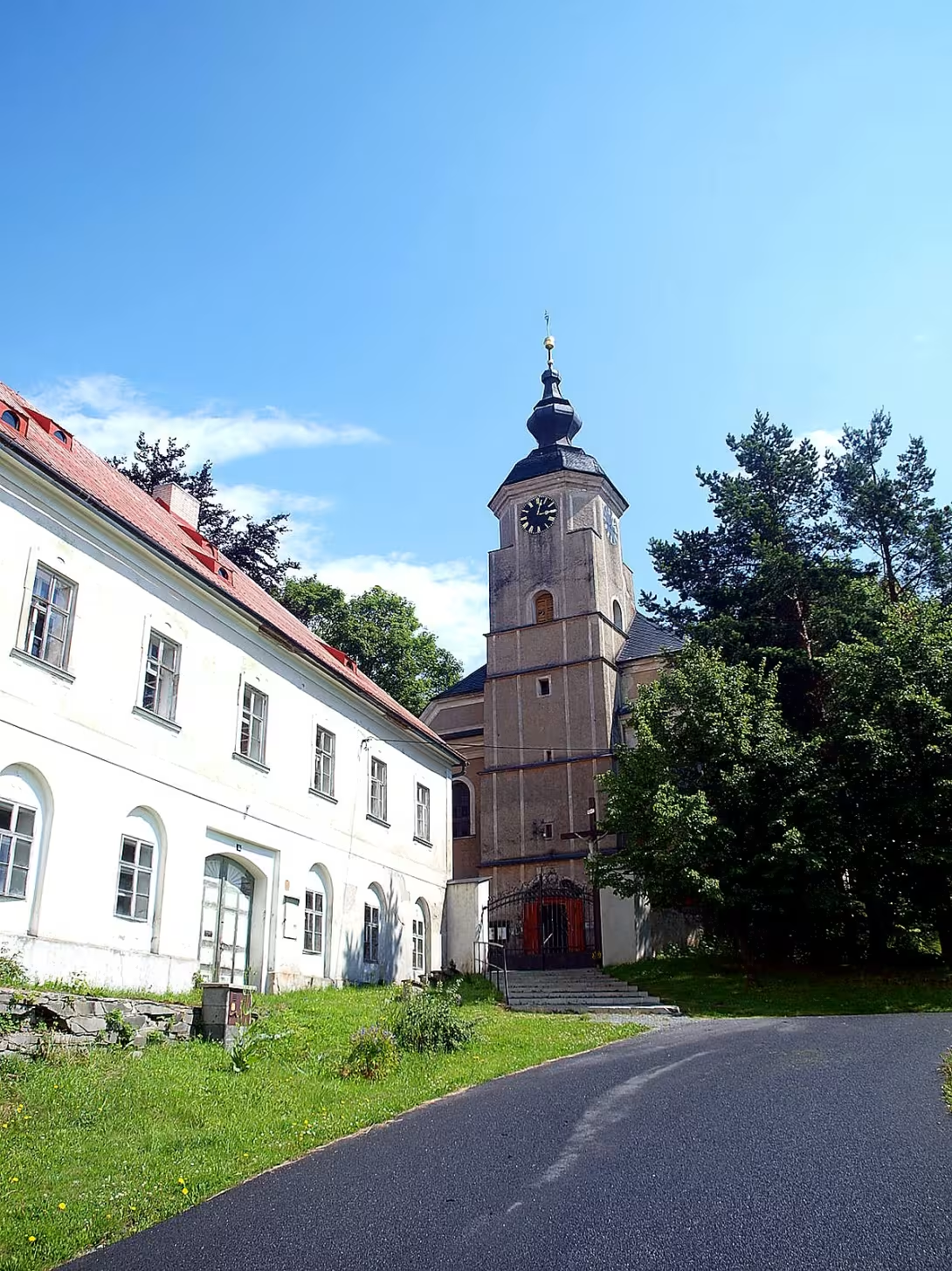
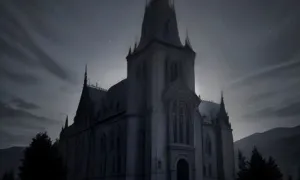
The Church of Saint John the Baptist in Ryžoviště is a significant cultural monument in the Moravskoslezský region. Originally built as a Protestant church in 1560, it underwent re-catholicization and was expanded by Jan starší Kobylka z Kobylího in 1600. Between 1755-1758, it transformed into Baroque style, reflecting architectural trends of that era. Today, it serves as an important religious site under the Roman Catholic diocese of Ostrava-Opava.
Ryžoviště dates back to 1190, with its first documented mention in 1295 when a hospital and chapel were established. The initial wooden chapel, built in 1289, was destroyed by Hussites but rebuilt as a larger structure in 1433. This building also succumbed to fire during a plague epidemic. In 1560, the stone Protestant church with a tower was constructed, marking a significant development in the area's religious architecture. Following re-catholicization post-1624 under the Teutonic Order's protection, Jan starší Kobylka z Kobylího expanded the church in 1600. The Baroque transformation between 1755 and 1758 further enhanced its architectural significance.
Architecturally, the Church of Saint John the Baptist is a single-nave brick building with an oblong floor plan and semi-circular closure. Its tower, located on the northern façade, stands at 49 meters high and features an octagonal cupola. The church's interior boasts a barrel-vaulted nave adorned with frescoes by Josef Hübsch, depicting scenes such as the Annunciation of the Virgin Mary and the Adoration of the Magi. Additional artistic elements include baroque altars crafted by sculptor Josef Obletter and paintings by Anton Joseph Richter. The church also houses a baptismal font made from Karlsbad marble with polychrome sculpture by Dominik Danet.
Ownership and administration have seen notable changes over the centuries. Initially, it was under the Roman Catholic diocese of Ostrava-Opava. After its re-catholicization in 1624, it came under the protection of the Teutonic Order. In 1655, it became a parish church and has since remained an important religious site.
Key events include its construction as a Protestant church in 1560, expansion by Jan starší Kobylka z Kobylího in 1600, re-catholicization post-1624, and Baroque renovations between 1755 and 1758. The church also features significant artistic works such as frescoes by Josef Hübsch and sculptures by Dominik Danet.
Today, the Church of Saint John the Baptist remains a well-preserved example of Baroque architecture and continues to serve its religious community. Its rich history and artistic elements make it a worthwhile visit for those interested in cultural heritage and architectural beauty. Visitors can explore its intricate frescoes, baroque altars, and historical artifacts, gaining insight into the region's past and the church's enduring significance.
Then and now
Drag the slider to compare how the landmark may have looked when it was built with the view today.
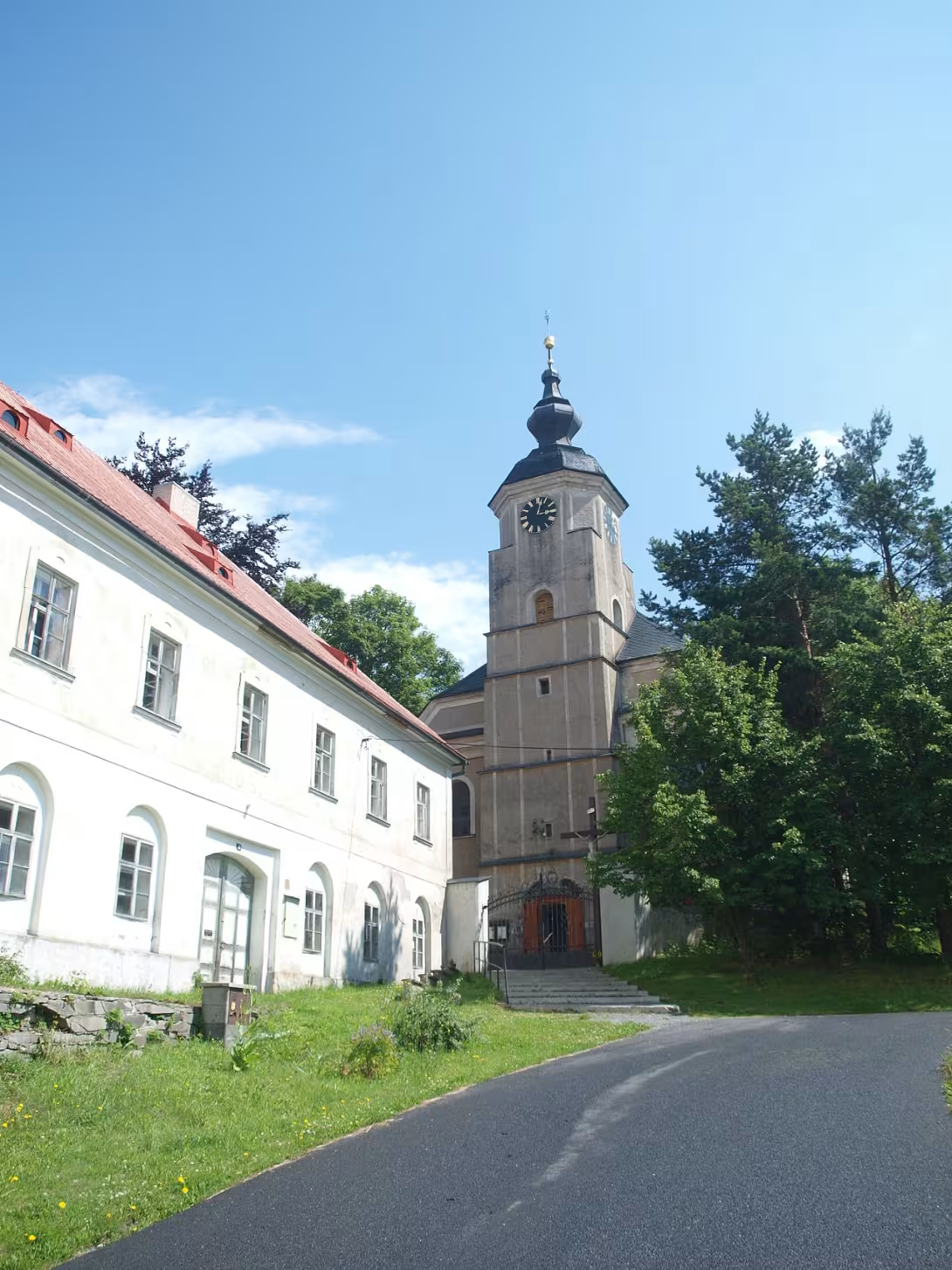

The historical appearance on the left is an AI-generated visualisation and serves as inspiration only.
Historical milestones
- 1560
- Construction of a stone Protestant church with a tower.
- 1600
- Expansion by Jan starší Kobylka z Kobylího.
- 1755
- Baroque transformation began.
- 1758
- Completion of Baroque renovations.
Architectural development
Initially built as a Protestant church in 1560, it was later expanded by Jan starší Kobylka z Kobylího. Following its re-catholicization post-1624, the church underwent significant Baroque renovations between 1755 and 1758, which included changes to its interior and exterior design.
Historical events
In 1560, a stone Protestant church with a tower was constructed.
Re-catholicization and expansion occurred post-1624 under the protection of the Teutonic Order.
The church was transformed into Baroque style between 1755-1758.
Owners
Římskokatolická farnost Ryžoviště
Řád německých rytířů
Points of interest
- The initial wooden chapel in Ryžoviště, built in 1289, was destroyed by the Hussites and later rebuilt as a larger structure in 1433, illustrating the turbulent religious conflicts of the time.
- Despite its destruction during a plague epidemic, the church underwent significant transformations, including a Baroque renovation between 1755 and 1758, reflecting changing architectural styles and cultural influences over centuries.
- The Church's tower features an octagonal cupola reaching 49 meters high, making it a distinctive landmark in the Ryžoviště landscape with its unique blend of historical architecture and engineering.
- Among its artistic treasures, the church houses frescoes by Josef Hübsch that vividly depict biblical scenes such as the Annunciation of the Virgin Mary and the Adoration of the Magi, showcasing the rich cultural heritage preserved within its walls.
- The baptismal font is crafted from Karlsbad marble and features polychrome sculpture by Dominik Danet, highlighting the church's connection to renowned artists and craftsmen throughout history.
Guide
This guide is narrated by a synthetic voice generated by artificial intelligence.
Show guide text
This text was created by artificial intelligence and has not been editorially reviewed. It may contain inaccuracies.
Welcome to the Church of Saint John the Baptist in Ryžoviště, a remarkable cultural monument nestled in the Moravskoslezský region. As you stand before this historic site, take a moment to absorb its presence—a testament to centuries of architectural and religious evolution. The church’s façade exudes an aura of tranquility and grandeur that has withstood the test of time.
The origins of this sacred place trace back to 1560 when it was initially constructed as a Protestant church. This period marked a significant era in Ryžoviště, reflecting the broader religious currents sweeping through Europe at the time. The original structure featured a stone edifice complete with a tower—a symbol of both spiritual and communal significance.
As you gaze upon the church today, notice how it has seamlessly integrated various architectural styles that narrate its storied past. In 1600, Jan starší Kobylka z Kobylího played a pivotal role in expanding this structure, adding layers to its history as he re-catholicized the building. This transformation laid the groundwork for further changes.
Fast forward to the mid-18th century, between 1755 and 1758, when the church underwent a significant Baroque transformation. This era brought about sweeping stylistic changes that are evident in the intricate details of its architecture—characteristic of the Baroque period’s emphasis on grandeur and detail. Take a moment to appreciate these elements as you explore further.
This site is intertwined with notable historical figures, such as Jan starší Kobylka z Kobylího, who not only expanded but also redefined the church's purpose during turbulent times. His influence remains embedded in the very stones of this structure. Additionally, personalities like Jan Gobber and Klement August Wittelsbach are part of its rich tapestry, each contributing to its historical narrative.
A fascinating aspect of Ryžoviště’s history involves its initial wooden chapel built in 1289, which was destroyed by the Hussites—a vivid reminder of the religious conflicts that once raged here. Despite such destruction, the community's resilience shone through as they rebuilt a larger structure in 1433, illustrating their determination to preserve their spiritual heritage.
As you continue your visit, delve deeper into this church’s history and let its stories resonate with you. Each corner holds whispers of the past waiting to be uncovered. We invite you to explore further, uncovering more secrets and stories that have been woven into the fabric of this remarkable site.
Thank you for joining us on this journey through time at the Church of Saint John the Baptist in Ryžoviště. May your exploration here inspire a deeper appreciation for its historical significance and architectural beauty. Safe travels as you continue to discover more wonders!
Tips for visitors
The best time to visit the Church of Saint John the Baptist in Ryžoviště is during late spring or early autumn, when the weather is mild and the surrounding landscapes are particularly beautiful. During these seasons, you can enjoy pleasant temperatures that make walking around the area comfortable. Additionally, visiting outside of peak tourist season ensures a more tranquil experience, allowing for better appreciation of this historical site.
Public transport can also be used, with buses serving the area.
When planning your visit, consider bringing comfortable walking shoes as there may be some uneven paths around the church and its surroundings. A camera is recommended for capturing the stunning architecture of the church and the picturesque landscapes nearby. Additionally, carrying a light jacket or sweater can be useful due to variable weather conditions in the region.
Photography enthusiasts will find several spots around the Church of Saint John the Baptist ideal for taking photos, particularly during the golden hours of early morning or late afternoon when natural lighting enhances the church's features and surrounding landscapes. The church's facade is best captured from a slight distance to include its architectural details in full view.
In terms of nearby attractions within 30 minutes' travel time, visitors can explore other historical sites and natural features characteristic of the Moravskoslezský region. These may include local museums or nature trails that offer insights into the area's rich cultural heritage and natural beauty. Such visits can complement your experience at Ryžoviště by providing a broader understanding of the region.
For families with children, the Church of Saint John the Baptist offers an educational outing where kids can learn about historical architecture and religious history in an engaging way. Nearby nature trails are perfect for family walks, allowing children to explore and enjoy the outdoors. It's also advisable to check if there are any interactive tours or activities available that cater specifically to younger visitors.
Frequently asked questions
Can the monument be visited?
Religious buildings are usually open mainly during services; at other times a visit is normally arranged with the parish or the operator. We have not verified specific times.
Where is the monument?
Location: Ryžoviště, Moravskoslezský kraj. The map on this page shows the exact spot.
Why is the monument protected?
It is listed in the Central List of Cultural Monuments of the Czech Republic as a cultural monument (register no. 25594/8-170).
Businesses nearby
Do you run a restaurant, accommodation, shop, museum, rental, wellness or other visitor service near this monument? Show yourself directly to the people heading to it — this is how they will see you in the app and on the web:
Nearby
Ryžoviště is surrounded by picturesque landscapes typical of the Moravskoslezský region, offering a serene environment near other historical sites and natural features.
Accommodation nearby
Themed route
Thematic Walking Tour: Ryžoviště and Surroundings
1. Kostel svatého Jana Křtitele (Ryžoviště) - Church Begin your journey at the heart of Ryžoviště with the stunning Kostel svatého Jana Křtitele. This church is a testament to the rich architectural heritage of the Moravskoslezský region. Its serene atmosphere and historical significance make it an ideal starting point for exploring local culture and history.
2. Historical Town Center of Ryžoviště - Historical Site A short walk from the church, immerse yourself in the charming historical town center of Ryžoviště. This area showcases traditional architecture and offers a glimpse into the daily life of past generations. Strolling through this part of town provides an excellent opportunity to appreciate the quaint streets and local craftsmanship.
3. Local Historical Museum (if available) - Cultural Site If there is a local historical museum in Ryžoviště, it serves as a perfect next stop. The museum highlights the region's history through exhibits that delve into its cultural evolution. It offers insights into the area’s past and provides context to the architectural beauty you've observed.
4. Local Park or Green Space - Natural Site Conclude your tour with a visit to any nearby park or green space in Ryžoviště. These areas offer a tranquil environment where visitors can relax and enjoy the picturesque landscapes typical of the Moravskoslezský region. It's an ideal spot for reflection after exploring the historical and cultural sites.
This thematic walking tour is designed to provide a comprehensive experience of Ryžoviště, combining its architectural beauty with rich history and natural charm.
Seasonal recommendations
Spring: Visiting the Church of St. John the Baptist during spring offers a serene experience as nature awakens around Ryžoviště. The church is bathed in soft, warm light that enhances its historic architecture, while blooming flowers and fresh greenery create a picturesque backdrop. This season often sees fewer visitors than summer, providing a tranquil atmosphere for exploration. It's recommended to wear comfortable layers, as temperatures can vary throughout the day. Arriving early allows you to enjoy the site without the crowds typically found later in the day.
Summer: In summer, Ryžoviště and its Church of St. John the Baptist are vibrant with life, making it a popular time for visitors. The long daylight hours offer ample time to explore, but also mean that the church can be quite busy during peak times. The lush greenery is at its fullest, creating an idyllic setting. To avoid large crowds, consider visiting early in the morning or later in the afternoon. Dressing in light, breathable clothing and wearing comfortable shoes for walking are advisable.
Autumn: Autumn brings a stunning display of colors to Ryžoviště, with the changing leaves providing a dramatic backdrop to the Church of St. John the Baptist. The cooler temperatures make it an ideal time for leisurely exploration without the summer heat. While visitor numbers may decrease slightly compared to summer, there can still be a steady flow of tourists enjoying the picturesque scenery. Layered clothing is recommended to accommodate fluctuating temperatures throughout the day.
Winter: Winter transforms Ryžoviště into a quiet and peaceful destination, with snow often blanketing the landscape around the Church of St. John the Baptist. The church's architecture stands out starkly against the white backdrop, creating a magical atmosphere. Dress warmly in insulated layers and wear waterproof footwear for comfort during your visit. Early visits are advisable as daylight is limited during this season.
Visualizations and artistic views


The visualisations are generated by artificial intelligence and serve as inspiration.
Photos from the area
Real photos taken near the monument


Zdroj a licence jsou uvedeny u každého snímku.
Tips from visitors
No tips yet. Be the first!
Log in and add your tip.
Sources and literature
Photos: Martin Kotačka / CC BY-SA 4.0 — Wikimedia Commons. The author and licence also appear when you hover over the image.
Faktickým podkladem tohoto textu byl článek na Wikipedii, jehož autory jsou přispěvatelé Wikipedie. Článek je dostupný pod licencí CC BY-SA 4.0.
Location on the map
Příběhy a pověsti
Legendy, pověsti a příběhy spjaté s touto památkou
Fotografie návštěvníků
Zatím žádné fotografie. Buďte první, kdo přidá fotografii z návštěvy!
Log in a přidejte svou fotografii nebo hodnoťte.
Za ověřenou návštěvu v aplikaci získáte víc bodů — poznáme podle GPS, že jste na místě.
Reviews and comments