



Kostel svatého Jana Nepomuckého (Stará Bělá) Church
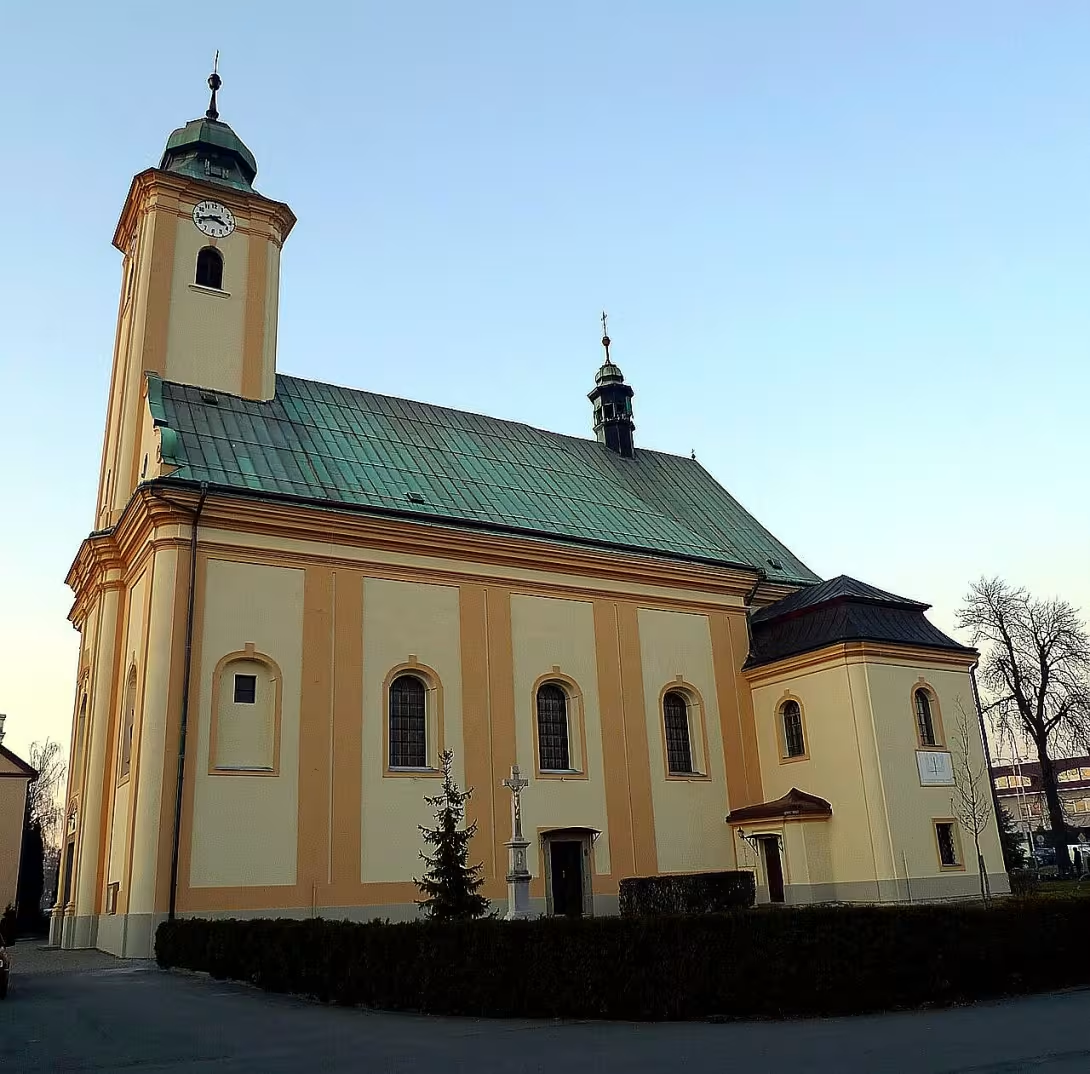
The Church of Saint John Nepomucene in Stará Bělá is a notable late Baroque single-nave church located at the village's heart. Built between the 1760s and 1779, it was consecrated on July 13-14, 1801. Relics of Saints Urban, Vitalis, and Corona were placed in the altar, marking its significance.
This monument stands out for its architectural style and historical context within the Habsburg Monarchy's Bohemia during a culturally rich period.
The church was likely designed by Václav Röhrich, a prominent architect from Příbor. Construction began in the 1760s on an elevated site where it replaced an older church dedicated to Saint Nicholas, demolished in 1790. Initial challenges included cracks appearing shortly after completion, necessitating drainage around the building. Despite these issues, construction was completed by 1779 and later consecrated in 1801.
Architecturally, the Church of Saint John Nepomucene is a rectangular, single-nave building oriented east to west. It features an attached sacristy on the eastern side of the chancel and a chapel on the western side of the nave. The church measures 28.45 meters in length, 14.07 meters in width, and stands 14.86 meters tall. Its main facade on the southern side is adorned with a tower reaching 37 meters high, topped by a late Baroque polygonal helmet. Niches beside the main entrance house statues of Saints Cyril and Methodius, while another niche on the northern side features a statue of Saint John Nepomucene, the church's patron.
Throughout its history, the church has undergone several modifications. In 1862, a clock was installed in the tower, enhancing its functionality and aesthetic appeal. By 1899, a chapel had been added to further enrich the structure. However, between 1833 and 1834, strong storms caused significant damage to the tower, necessitating repairs to maintain its structural integrity.
Today, the Church of Saint John Nepomucene remains an important cultural and historical site in Stará Bělá. Its architectural beauty and rich history make it a worthwhile visit for those interested in Baroque architecture and the region's religious heritage. Visitors can explore its intricate design elements and reflect on the historical events that have shaped this enduring monument.
Then and now
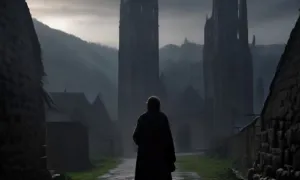
Drag the slider to compare how the landmark may have looked when it was built with the view today.
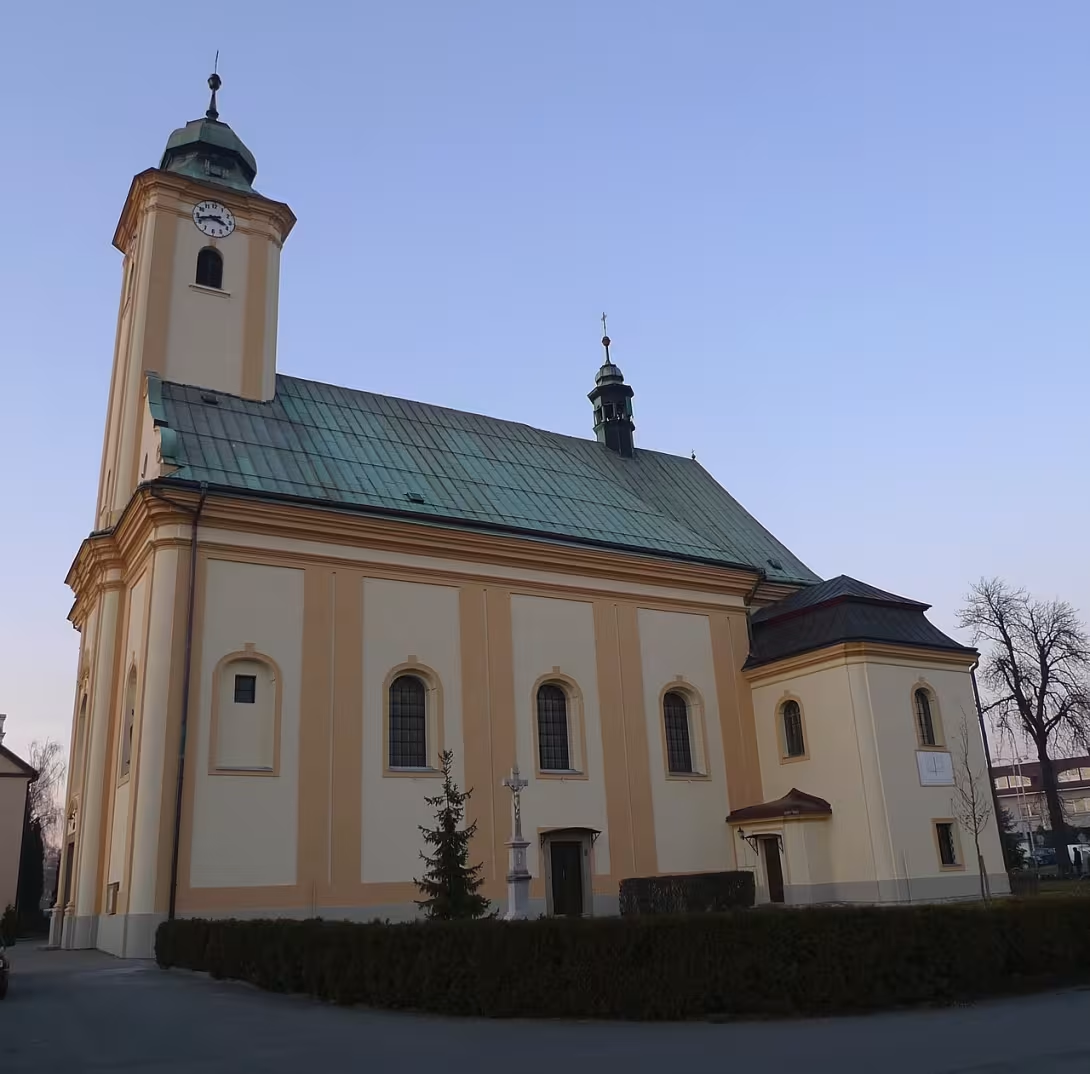

The historical appearance on the left is an AI-generated visualisation and serves as inspiration only.
Historical milestones
- 1760s
- Zahájení stavby kostela svatého Jana Nepomuckého.
- 1779
- Dokončení stavby kostela svatého Jana Nepomuckého.
- 1790
- Demolice staršího kostela svatého Mikuláše.
- 1801
- Konzekraci kostela svatého Jana Nepomuckého.
- 1833
- Závažné poškození věže silnými bouřemi.
- 1862
- Instalace hodin na věži kostela.
Architectural development
Construction of the church began in the 1760s and was completed by 1779. Shortly after its completion, cracks appeared, requiring drainage around the building. In 1862, a clock was installed on the tower, and in 1899, a chapel was added.
Historical events
The church was consecrated on July 13-14, 1801, during which relics of Saints Urban, Vitalis, and Corona were placed in the altar.
In 1833–1834, strong storms caused significant damage to the tower, necessitating repairs.
Points of interest
- The Church of Saint John Nepomucene replaced an older church dedicated to Saint Nicholas, which was demolished in 1790 due to structural issues that also affected the new building shortly after its completion.
- Despite being completed by 1779, the church's consecration was delayed until 1801, highlighting challenges and adjustments needed before it could fully serve its religious purpose.
- The church features statues of Saints Cyril and Methodius in niches beside its main entrance, reflecting their significance as patrons of Slavic literacy and culture, which is a unique tribute within this Baroque structure.
- In the late 19th century, specifically by 1899, a chapel was added to the church, indicating ongoing modifications that reflect both changing liturgical needs and architectural trends over time.
- The installation of a clock in the tower in 1862 not only enhanced its functionality but also marked an era where such features became symbols of community identity and technological progress within rural areas.
Guide
This guide is narrated by a synthetic voice generated by artificial intelligence.
Show guide text
This text was created by artificial intelligence and has not been editorially reviewed. It may contain inaccuracies.
Welcome to the Church of Saint John Nepomucene in Stará Bělá. As you stand here, you're surrounded by a serene atmosphere that whispers stories from centuries past. This late Baroque marvel is perched on an elevated site at the heart of the village, commanding attention with its elegant simplicity and historical significance.
The inception of this church dates back to the 1760s, marking the beginning of a new era for Stará Bělá. It was built as a replacement for an older church dedicated to Saint Nicholas, which had fallen into disrepair by 1790 and was subsequently demolished. The decision to construct a new church in honor of Saint John Nepomucene reflects both religious devotion and community resilience. This sacred space was completed in 1779 but awaited its consecration until 1801, hinting at the complexities and challenges that often accompany such monumental endeavors.
Architecturally, Václav Röhrich's vision is embodied in the church’s single-nave design, featuring a rectangular floor plan. As you look around, notice how the sacristy is thoughtfully attached to the east side of the chancel while a chapel graces the west side of the nave. The proportions are harmonious: standing 14.86 meters high and stretching 28.45 meters in length with a width of 14.07 meters.
The church's main facade, though not described here in detail, invites you to appreciate its Baroque influence, characterized by balance and grandeur. As you stand before it, imagine the skilled hands that shaped this structure, bringing Röhrich’s vision to life.
While specific historical figures connected with this site remain unknown, the church itself tells a story of perseverance through time. In 1833, the church faced significant challenges when strong storms damaged its tower. Yet, resilience shone through once more in 1862 when clocks were installed on the tower, symbolizing continuity and progress.
An intriguing aspect of this church is how it replaced an older structure while still facing its own structural issues shortly after completion. This narrative speaks to the enduring spirit of Stará Bělá's community, which has navigated challenges with determination and faith.
As you take in your surroundings, let yourself be enveloped by the history that resonates within these walls. Each stone holds a story, each corner whispers tales of devotion and resilience. We invite you to explore further, perhaps wandering through Stará Bělá itself, where the echoes of the past blend seamlessly with the present.
Thank you for joining us on this journey through time at the Church of Saint John Nepomucene. May your visit inspire reflection and discovery as you continue to uncover the rich tapestry of history woven into this remarkable place.
Tips for visitors
The best time to visit the Church of Saint John Nepomucene in Stará Bělá is during late spring or early autumn when the weather is pleasant, allowing for a comfortable exploration of the church and its surroundings. These seasons offer clear skies and mild temperatures, enhancing your experience as you admire the architectural details of this late Baroque structure. Additionally, visiting outside peak tourist months can provide a more serene atmosphere, perfect for appreciating the tranquility of the elevated site at the village center.
The church is accessible by both car and public transport. Always verify current routes and schedules through a reliable travel planner or local transportation websites.
When planning your visit, consider bringing comfortable walking shoes as you may want to explore the church grounds and nearby areas on foot. A camera is recommended for capturing the stunning late Baroque architecture and scenic views from the elevated site. For photography enthusiasts, early morning light offers soft illumination that beautifully highlights the church's features. Additionally, carrying a small backpack with water, snacks, and perhaps a guidebook can enhance your visit.
For families with children visiting the Church of Saint John Nepomucene, there are several engaging aspects to consider. The historical and architectural significance of the church can be educational for older children, while younger ones might enjoy exploring the open spaces around the site. Ensure you have activities or stories related to the church's history to keep them interested. Nearby, within a 30-minute drive, is the picturesque landscape of Moravskoslezský kraj, offering opportunities for family-friendly outdoor activities such as picnicking and short nature walks.
Frequently asked questions
Can the monument be visited?
Religious buildings are usually open mainly during services; at other times a visit is normally arranged with the parish or the operator. We have not verified specific times.
Where is the monument?
Location: Stará Bělá, Moravskoslezský kraj. The map on this page shows the exact spot.
Why is the monument protected?
It is listed in the Central List of Cultural Monuments of the Czech Republic as a cultural monument (register no. 20249/8-714).
Businesses nearby
Do you run a restaurant, accommodation, shop, museum, rental, wellness or other visitor service near this monument? Show yourself directly to the people heading to it — this is how they will see you in the app and on the web:
Events nearby
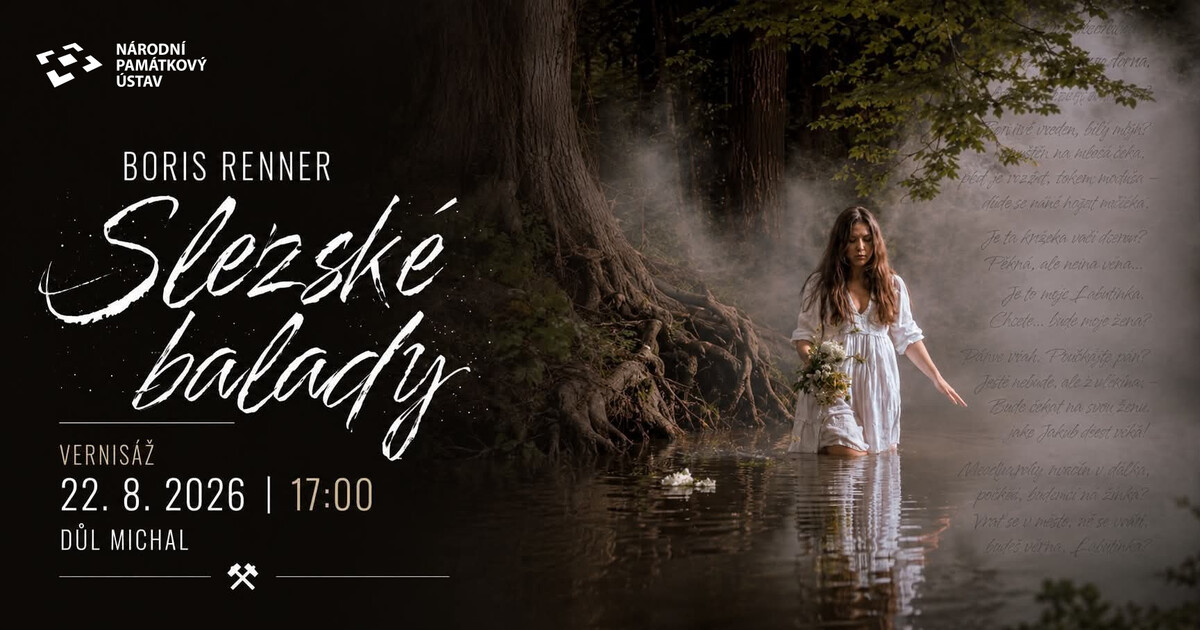
Zdroj akcí: otevřená data měst a obcí ČR (Národní katalog otevřených dat) a kalendář akcí Národního památkového ústavu.
Accommodation nearby
Themed route
Thematic Walking Tour: Stará Bělá and Surroundings
1. Kostel svatého Jana Nepomuckého (Stará Bělá) - Church Begin your journey at the heart of Stará Bělá with this stunning Baroque church dedicated to Saint John of Nepomuk. This architectural gem, dating back to the 18th century, is renowned for its ornate design and historical significance in Moravian-Silesian folklore. The church's intricate façade and serene interior make it a must-visit for anyone interested in religious architecture or local history.
2. Stará Bělá Village Center - Historic Village After exploring the church, take a leisurely stroll through the charming village center of Stará Bělá. This picturesque area offers a glimpse into traditional Moravian life with its quaint houses and cobblestone streets. The village's ambiance is perfect for capturing photographs or simply enjoying a peaceful walk amidst historical surroundings.
3. Local Artisan Shops - Cultural Experience As you continue your exploration, visit the local artisan shops scattered throughout Stará Bělá. These small businesses showcase regional crafts and products, offering unique souvenirs that reflect the cultural heritage of Moravia-Silesia. Engaging with local artisans provides insight into traditional techniques and supports the community's vibrant craft scene.
4. Community Park - Relaxation Spot Conclude your tour at a nearby community park where you can relax and reflect on your visit. This green space offers a tranquil setting to unwind, surrounded by nature and away from the bustle of daily life. It's an ideal spot for a picnic or simply enjoying the peaceful atmosphere after exploring Stará Bělá’s historical treasures.
This thematic tour provides a comprehensive experience of Stará Bělá, highlighting its cultural, historical, and natural attractions within the immediate vicinity of the church.
Seasonal recommendations
Spring: Visiting the Church of Saint John Nepomucene in Stará Bělá during spring offers a unique experience as nature begins to awaken. The surrounding landscape is adorned with vibrant wildflowers and lush greenery, creating an idyllic backdrop for exploring this historic site. As daylight extends into the evening, visitors can enjoy softer natural lighting that enhances the church's architectural details. This season tends to attract fewer crowds compared to summer, allowing a more tranquil visit. It’s advisable to wear comfortable layers as temperatures can vary; mornings might be cool while afternoons warm up. Arriving in the morning not only avoids larger groups but also allows you to appreciate the serene atmosphere before it fills with visitors.
Summer: Summer is an ideal time for visiting the Church of Saint John Nepomucene, as the long days and warm weather make outdoor exploration pleasant. The lush surroundings are at their peak beauty, offering a picturesque setting for photography enthusiasts. However, this season also sees increased visitor numbers due to its popularity among tourists. To avoid crowds, consider arriving early in the morning or later in the afternoon when most visitors have left. Light, breathable clothing is recommended to stay comfortable during your visit. Additionally, carrying water and sunscreen can help ensure a pleasant experience under the summer sun.
Autumn: Autumn brings a magical transformation to Stará Bělá with its warm hues of reds, oranges, and yellows painting the landscape around the Church of Saint John Nepomucene. The cooler temperatures provide a comfortable environment for walking and exploring the area's natural beauty. This season is particularly enchanting as the foliage changes, creating stunning photo opportunities. While crowds are generally lighter than in summer, it’s still wise to plan your visit during weekdays if possible. Wearing layers can help you adjust to varying temperatures throughout the day, ensuring a cozy experience as the weather begins to cool.
Winter: Winter offers a serene and contemplative atmosphere for visiting the Church of Saint John Nepomucene. The church is often enveloped in a quiet stillness, with snow-covered surroundings creating a picturesque scene that enhances its historic charm. It’s essential to dress warmly and wear sturdy footwear for navigating potentially icy paths. Winter visits can be particularly peaceful as fewer tourists venture out in colder months, allowing for a more intimate experience with the church's architecture and history.
Visualizations and artistic views


The visualisations are generated by artificial intelligence and serve as inspiration.
Photos from the area
Real photos taken near the monument


Zdroj a licence jsou uvedeny u každého snímku.
Tips from visitors
No tips yet. Be the first!
Log in and add your tip.
Sources and literature
Photos: Ladin / CC BY-SA 3.0 — Wikimedia Commons. The author and licence also appear when you hover over the image.
Faktickým podkladem tohoto textu byl článek na Wikipedii, jehož autory jsou přispěvatelé Wikipedie. Článek je dostupný pod licencí CC BY-SA 4.0.
Location on the map

Příběhy a pověsti
Legendy, pověsti a příběhy spjaté s touto památkou
Fotografie návštěvníků
Zatím žádné fotografie. Buďte první, kdo přidá fotografii z návštěvy!
Log in a přidejte svou fotografii nebo hodnoťte.
Za ověřenou návštěvu v aplikaci získáte víc bodů — poznáme podle GPS, že jste na místě.
Reviews and comments