



Kostel svatého Matouše (Postřelmov) Church
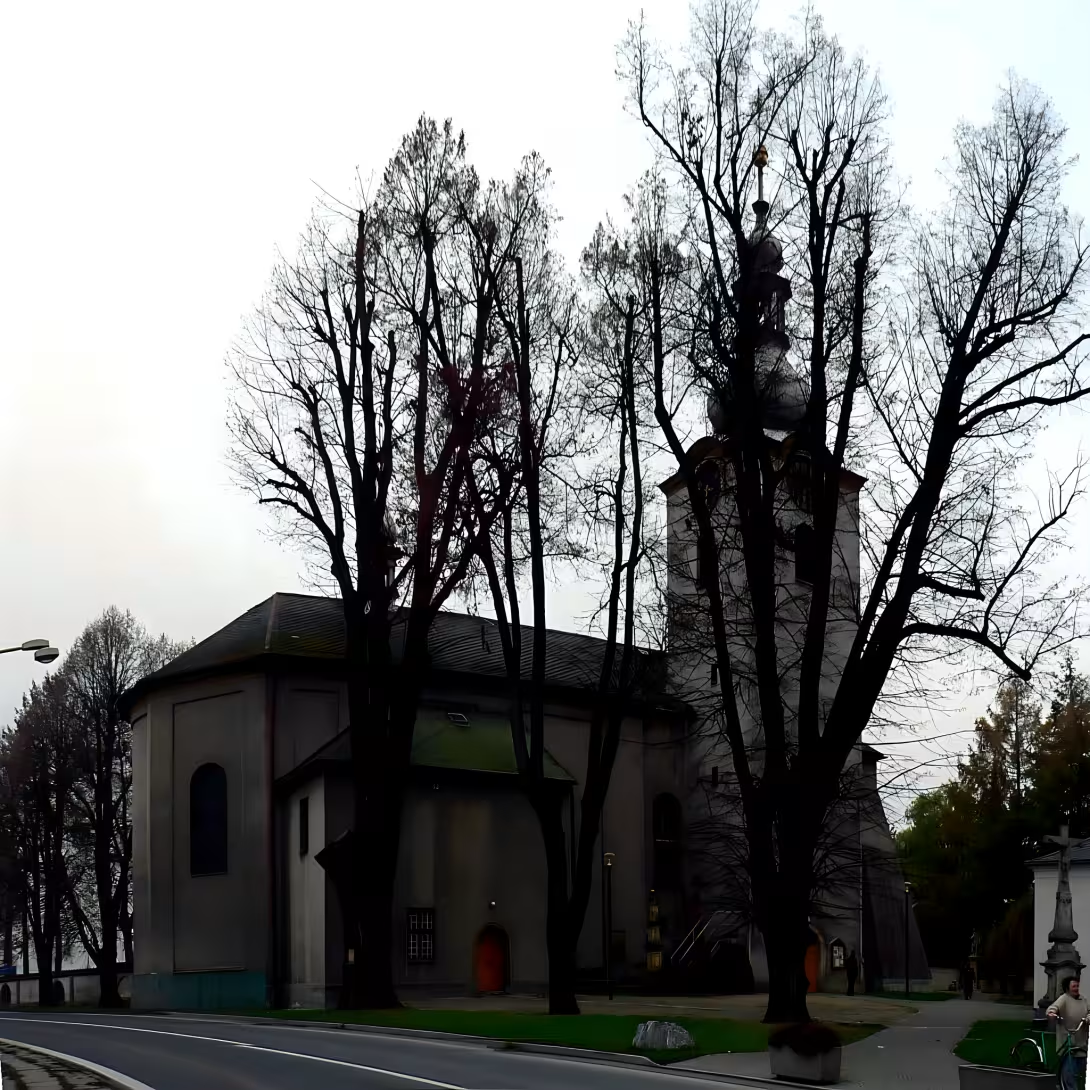
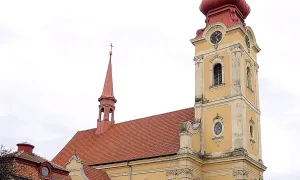
The Church of Saint Matthew in Postřelmov is a remarkable early Baroque structure from the 17th century that incorporates elements of its original Gothic architecture dating back to the 14th century. Located in the village of Postřelmov within the Olomouc Region, this church stands as a testament to architectural resilience and historical evolution over several centuries. Despite not being listed as a cultural monument, it holds significant historical value, particularly with the nearby Renaissance tomb of the Bukůvka family adding to its cultural heritage.
The first documented mention of a parish church dedicated to Saint Matthew in Postřelmov dates back to 1409. It is believed that the original structure was likely constructed by local nobility from Závořice and Kolšov during the 14th century as a Gothic building. This early church served as a burial site for members of these noble families along with their spouses. A pivotal moment in its history occurred in 1664 when a fire destroyed the original wooden structure, leading to the construction of a new stone edifice. Historical sources suggest that while some believed the church was entirely rebuilt after this fire, it is more likely that only parts such as the roof and timber ceilings were lost, leaving the stone walls intact.
Architecturally, the Church of Saint Matthew showcases an intriguing blend of Gothic and Baroque elements. The original Gothic design featured a northern tower with an entrance to the nave, typical of its era. Following the fire in 1664, the church was reconstructed with significant Baroque influences while retaining some Gothic features like the vaulted ceilings. In 1853, further modifications were made when the choir and sacristy were demolished to extend the nave eastward towards a road, resulting in a unified interior space. This period also saw changes such as the removal of the upper choir, expansion of the lower choir, addition of a new sacristy with an oratory above it, enlargement of windows, and replacement of the roof with břidlice tiles.
Throughout its history, the church has undergone several renovations to preserve its structure. Notably, in 1931, repairs were made, and more recently from 2013 to 2014, the roof was repaired, new břidlice tiles were installed, and organ restoration began. These efforts highlight the community's commitment to maintaining this historical site.
Today, the Church of Saint Matthew stands as a significant architectural landmark in Postřelmov. Its unique blend of Gothic and Baroque styles offers visitors a glimpse into the region's rich history and evolving architectural trends. The nearby Renaissance tomb of the Bukůvka family further enhances its cultural significance. Visitors are encouraged to explore this historical site, appreciating both its architectural beauty and the stories it holds from centuries past.
Then and now
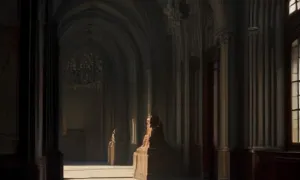
Drag the slider to compare how the landmark may have looked when it was built with the view today.
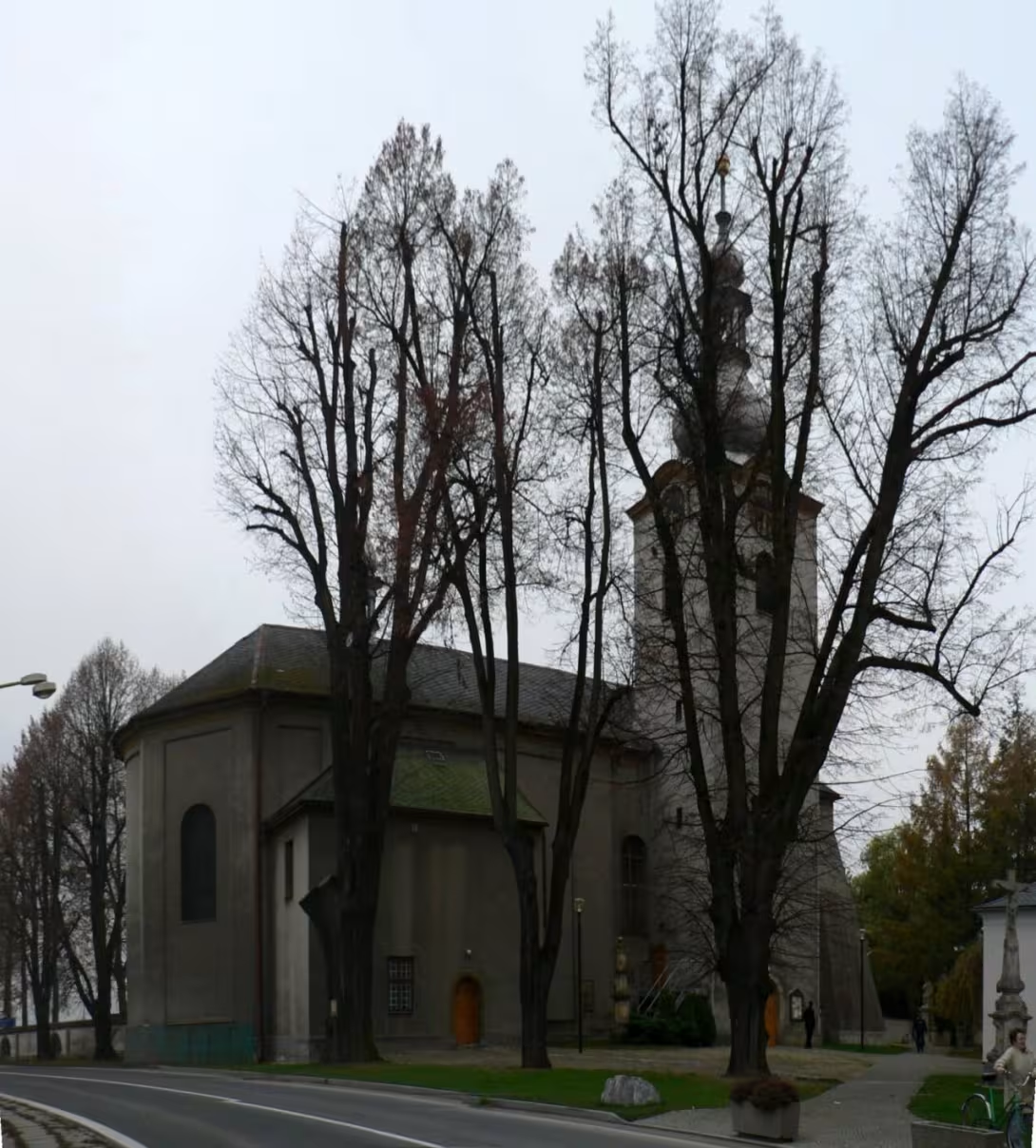

The historical appearance on the left is an AI-generated visualisation and serves as inspiration only.
Historical milestones
- 1665
- The church was rebuilt with Baroque elements after being destroyed by fire.
- 1853
- Significant reconstruction extended the nave eastward and altered the choir area.
Architectural development
Originally built as a Gothic structure by local nobility, the church was reconstructed after a devastating fire in 1664. The rebuilding introduced Baroque elements while preserving some Gothic features, such as the northern tower and vaulted ceilings. Further modifications occurred in 1853 when the choir and sacristy were demolished to extend the nave eastward, resulting in a unified interior space.
Historical events
1409: First documented mention of a parish church dedicated to Saint Matthew in Postřelmov.
1664: A fire destroyed the original wooden structure, leading to the construction of a new stone building.
Points of interest
- The Church of Saint Matthew's blend of Gothic and Baroque styles is a rare architectural phenomenon in the region, showcasing how different historical periods can coexist within one structure. - Despite not being officially listed as a cultural monument, the church holds significant local importance due to its association with the nearby Renaissance tomb of the Bukůvka family, which adds an intriguing layer to its history. - The fire in 1664 that led to the reconstruction of the church is shrouded in mystery; while some believed it was entirely rebuilt, historical evidence suggests only parts like the roof and timber ceilings were replaced, leaving much of the original stone structure intact. - In 1853, significant alterations transformed the church's interior by demolishing the choir and sacristy to extend the nave eastward, creating a unified space that reflects changing architectural needs over time. - The community's dedication to preserving this historical site is evident in its continuous renovations, including recent efforts from 2013 to 2014 for roof repairs and organ restoration, highlighting local commitment to maintaining cultural heritage.
Guide
This guide is narrated by a synthetic voice generated by artificial intelligence.
Show guide text
This text was created by artificial intelligence and has not been editorially reviewed. It may contain inaccuracies.
The Church of Saint Matthew in Postřelmov is an early Baroque structure from the 17th century, which has retained remnants of Gothic architecture from the 14th century. It is not on the list of immovable cultural monuments. However, a valuable monument is the Renaissance tomb of the Bukůveks of Bukůvka from 1592 with a cross opposite the church.
The first written mention of the parish church dates from 1409. However, it was probably built already in the 14th century by the squires from the neighboring villages of Závořice and Kolšov, who buried members of their family and their wives here. It was a Gothic structure, to whose nave a tower with an entrance to the church was added from the north side. The appearance of the church at that time was captured in a map of the Zábřeh estate, which Pavel Aretin from Ehrenfeld drew up in 1623 for the new owner Charles of Liechtenstein.
In 1664 the church burned down. According to some sources, it was wooden and a new stone one was built in its place. However, structural and historical research shows that the church was made of fieldstone and the fire only destroyed the roof, the timber frame and wooden ceilings. During the reconstruction in 1665, the church was extended on both sides. The sanctuary behind the altar was extended by one and a half fathoms, a vestibule was added to the nave, and both the nave and sanctuary received Baroque vaulting. The thin walls of the old section therefore had to be supported from the outside by high buttresses; the tower served this purpose from the north. In its ground floor, an ancient sedile has been preserved to this day, that is, seats embedded in the walls. The tower received a Baroque cupola with a lantern.
In 1853 a repair of the dilapidated church began. The vicar proposed tearing down the church and building a new one, but the representatives of the municipality rejected this. The old sanctuary with the sacristy was demolished and the nave was unusually extended to the east, towards the road. It was closed by a sanctuary of the same width and height, thus creating a unified space. The church received a new sacristy with an oratory, larger windows and a slate roof, and thus its present appearance. The extension divided the cemetery. The part towards the village was closed, the other expanded to the west and received a wall with recesses for the Way of the Cross. The new cemetery with a stone cross was consecrated in 1858.
Another repair took place in 1931. In the years 2013 to 2014, the timber frame was repaired, the slate roof was replaced and the repair of the organ began.
Tips for visitors
The best time to visit the Church of Saint Matthew in Postřelmov is during late spring or early autumn, when the weather is pleasant for exploring both the church's interior and its surrounding areas. These seasons offer a comfortable climate that enhances your experience while allowing you to appreciate the lush greenery around the church. Additionally, visiting on weekdays can provide a more tranquil atmosphere compared to weekends.
The church is accessible on foot from these stops, adding a pleasant walk through the village.
When visiting, consider bringing comfortable walking shoes as you may want to explore not only the church but also its surroundings. A camera or smartphone for photography is advisable, especially if you wish to capture the intricate details of the Baroque and Gothic architecture. Additionally, carrying water and some snacks can be helpful, particularly if you plan on spending several hours exploring.
For photography enthusiasts, the best spots are inside the church where natural light filters through stained glass windows, creating a beautiful interplay of colors that highlight the architectural features. Early morning or late afternoon is ideal for capturing soft lighting effects both inside and outside the church. Outside, the surrounding landscape offers picturesque views especially during sunset.
Nearby attractions within 30 minutes include other historical sites in the Olomoucký kraj region, such as castles and museums that provide insight into local history and culture. These are perfect for extending your visit and exploring more of what the area has to offer. For families with children, consider planning a day trip that includes these attractions, ensuring there's something engaging for everyone.
Frequently asked questions
Can the monument be visited?
Religious buildings are usually open mainly during services; at other times a visit is normally arranged with the parish or the operator. We have not verified specific times.
Where is the monument?
Location: Postřelmov, Olomoucký kraj. The map on this page shows the exact spot.
Businesses nearby
Do you run a restaurant, accommodation, shop, museum, rental, wellness or other visitor service near this monument? Show yourself directly to the people heading to it — this is how they will see you in the app and on the web:
Accommodation nearby
Themed route
Tematická výletní trasa: Kostel svatého Matouše (Postřelmov)
1. Kostel svatého Matouše, Postřelmov
- Typ: Historický kostel
- Proč stojí za návštěvu: Tento barokní kostel je architektonickým důkazem bohaté historie obce. Jeho krásná vnitřní dekorace a historické oltáře přitahují návštěvníky, kteří se zajímají o duchovní a kulturní dědictví regionu.
2. Nádvoří kostela svatého Matouše
- Typ: Historický areál
- Proč stojí za návštěvu: Nádvoří poskytuje klidný prostor pro relaxaci a refleksi. Je to ideální místo, kde si můžete užít pohled na kostel zvenčí a pochopit jeho pozici v rámci obce.
3. Věž kostela svatého Matouše
- Typ: Historická věž
- Proč stojí za návštěvu: Výhled z věže nabízí pohled na okolní krajinu a obec Postřelmov. Je to skvělá příležitost pro fotografy i ty, kteří si chtějí užít panoramatický pohled.
4. Expozice v kostele svatého Matouše
- Typ: Historická expozice
- Proč stojí za návštěvu: Expozice nabízí vhled do historie a duchovního života obce. Zajímavé artefakty a informace o minulosti kostela zaujmou všechny, kteří se zajímají o místní tradice a historii.
Tato trasa nabízí komplexní pohled na kulturní a duchovní život obce Postřelmov prostřednictvím jejího nejvýraznější památky, kostela svatého Matouše.
Seasonal recommendations
Spring: Visiting the Church of Saint Matthew in Postřelmov during spring offers a unique experience as nature awakens around this historic site. The blooming flowers and lush greenery create a picturesque backdrop, enhancing the church’s architectural beauty with soft natural light filtering through vibrant foliage. This season is ideal for photography enthusiasts who wish to capture the harmonious blend of history and nature. Visitors should be prepared for unpredictable weather; layering clothing is advisable as temperatures can fluctuate between cool mornings and warmer afternoons. Early visits are recommended to avoid any potential crowds, especially on weekends when local residents enjoy exploring outdoor attractions.
The church grounds and surrounding areas are alive with activity as families and tourists alike take advantage of the pleasant weather to explore this historic site. While the summer months can attract larger crowds, especially during peak tourist season, arriving early in the morning or later in the afternoon can provide a more serene experience. Light, breathable clothing is essential for comfort, along with sun protection such as hats and sunscreen.
Autumn: The autumnal visit to the Church of Saint Matthew offers a tranquil atmosphere as the leaves change color, casting warm hues over the historic structure. This season provides an ideal opportunity to appreciate the church's architecture against a backdrop of vibrant fall foliage, creating a serene and contemplative environment. As temperatures begin to cool, visitors should dress in layers to remain comfortable throughout their visit. The autumn months typically see fewer tourists than summer, allowing for a more peaceful exploration of the site without the hustle and bustle.
Winter: Winter transforms the Church of Saint Matthew into a picturesque scene with snow-covered grounds that add a magical quality to its historic architecture. This season offers a unique atmosphere as visitors can experience the church in a quieter setting, often illuminated by soft winter light or festive decorations during the holiday period. Warm clothing is essential, including coats, hats, gloves, and sturdy footwear for navigating potentially slippery paths. Planning your visit on a weekday can help avoid any limited access times and ensure a more intimate experience with this historic landmark.
Visualizations and artistic views


The visualisations are generated by artificial intelligence and serve as inspiration.
Photos from the area
Real photos taken near the monument


Zdroj a licence jsou uvedeny u každého snímku.
Tips from visitors
No tips yet. Be the first!
Log in and add your tip.
Sources and literature
Photos: Martin Vavřík / Public domain, rozlišení zvýšeno umělou inteligencí — Wikimedia Commons. The author and licence also appear when you hover over the image.
Faktickým podkladem tohoto textu byl článek na Wikipedii, jehož autory jsou přispěvatelé Wikipedie. Článek je dostupný pod licencí CC BY-SA 4.0.
Location on the map
Příběhy a pověsti
Legendy, pověsti a příběhy spjaté s touto památkou
Fotografie návštěvníků
Zatím žádné fotografie. Buďte první, kdo přidá fotografii z návštěvy!
Log in a přidejte svou fotografii nebo hodnoťte.
Za ověřenou návštěvu v aplikaci získáte víc bodů — poznáme podle GPS, že jste na místě.
Reviews and comments