



Kostel svatého Václava (Starý Jičín) Church
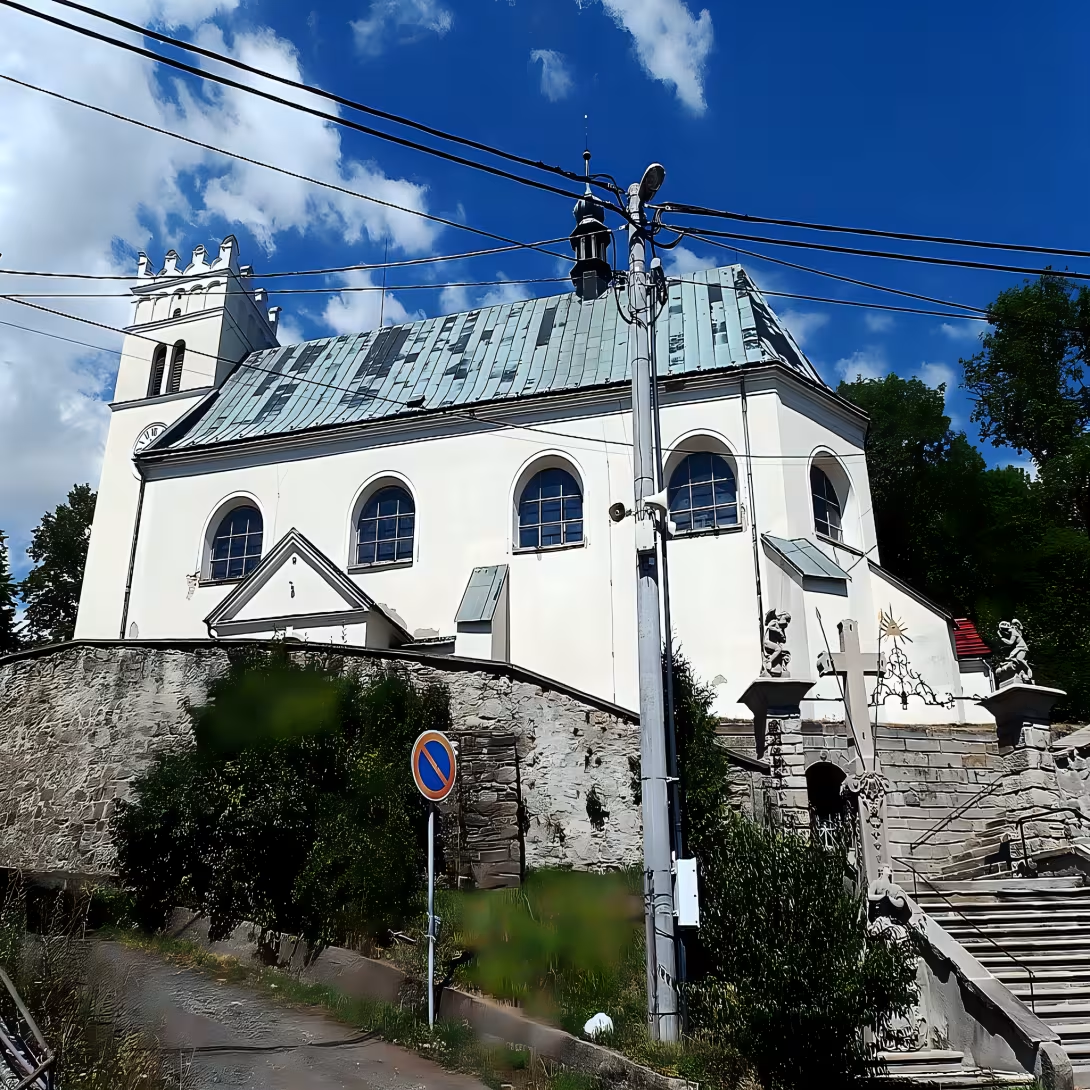
The Church of Saint Wenceslas in Starý Jičín is a Roman Catholic parish church located near the town's castle in the northeast. Documented since 1374, some sources suggest it could date back to 1376. It has been designated as a cultural monument since 1966.
Its origins likely trace back to the 12th century when a chapel dedicated to the Holy Cross was established here. By the late medieval period, Gothic architectural influences were prominent across Europe, and this church reflects such stylistic elements. Significant renovations occurred in the late 16th, late 17th, and early 18th centuries, shaping its current form.
Architecturally, the Church of Saint Wenceslas is notable for its Gothic foundation with subsequent Baroque modifications. It features a polygonal presbytery and an adjoining chapel, indicative of its evolving design through various historical periods. Its bell tower houses three bells, including the largest one named after Saint Wenceslas, cast in 1579 and weighing 3,000 kg. The church is surrounded by a baroque-style stone wall with an access staircase adorned with late Baroque crosses.
Throughout history, the Church of Saint Wenceslas has been central to religious and community activities in Starý Jičín. Its renovations reflect architectural trends and its enduring importance to locals. Significant bells and Baroque embellishments highlight the cultural and historical layers accumulated over centuries.
Today, the Church of Saint Wenceslas stands as a testament to the rich history and architectural evolution in Starý Jičín. Visitors can explore its interior and appreciate the blend of Gothic and Baroque elements that characterize this monument. Its proximity to the town's castle adds to its allure, making it an essential stop for those interested in Moravian-Silesian heritage.
The Church of Saint Wenceslas is not only a place of worship but also a cultural landmark offering insights into regional historical and architectural developments. Its preservation as a cultural monument ensures future generations can continue to appreciate its significance. Visitors are invited to explore this remarkable site, where history and architecture converge harmoniously.
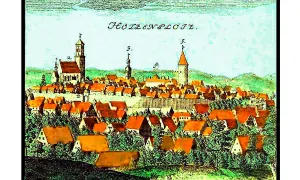
Then and now
Drag the slider to compare how the landmark may have looked when it was built with the view today.
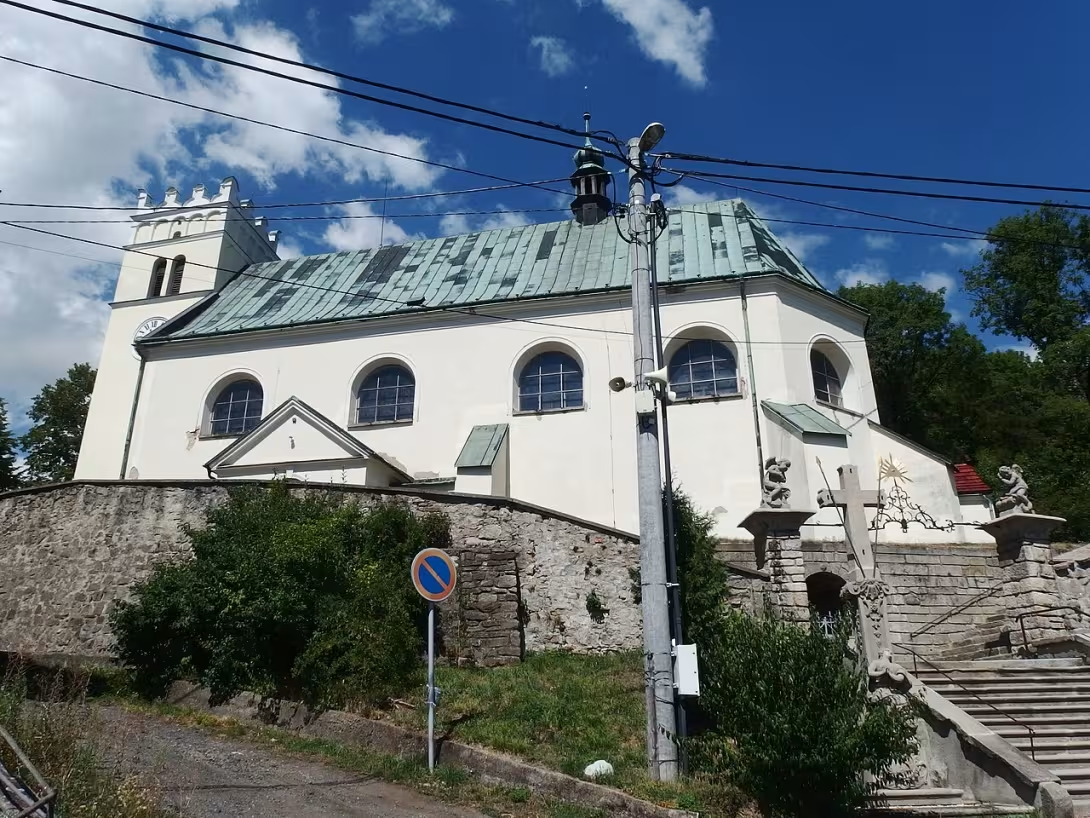

The historical appearance on the left is an AI-generated visualisation and serves as inspiration only.
Architectural development
The Church of Saint Wenceslas likely originated from a 12th-century chapel dedicated to the Holy Cross. Over time, it transformed into a Gothic church with significant renovations in the late 16th, late 17th, and early 18th centuries. The church features three bells, including the largest one named after Saint Wenceslas, cast in 1579. It is surrounded by a baroque-style stone wall with an access staircase adorned with late Baroque crosses.
Historical events
First documented in 1374 (or possibly 1376), marking the church's long-standing presence in Starý Jičín.
Renovations occurred in the late 16th century, late 17th century, and early 18th century, reflecting its evolving architectural style.
Guide
This guide is narrated by a synthetic voice generated by artificial intelligence.
Show guide text
This text was created by artificial intelligence and has not been editorially reviewed. It may contain inaccuracies.
The Parish Church of Saint Wenceslas stands in the northeastern part of Starý Jičín. It lies on a slope that rises from there all the way up to the local castle. The church, together with the surrounding area, has been a cultural monument since nineteen sixty-six.
The church is first documented in writing in the year thirteen seventy-four, though some sources mention thirteen seventy-six. However, its history probably goes back even further, to the twelfth century. It was then that an older chapel of the Holy Cross was built at this location.
Today's building is single-naved. The presbytery, that is the space around the main altar, is finished with a polygonal apse and a chapel adjoins it. The church has undergone several reconstructions. It was modified in the second half of the sixteenth century, at the end of the seventeenth century, and again in the first quarter of the eighteenth century.
Three bells hang in the tower. The largest one bears the name Saint Wenceslas, it dates from fifteen seventy-nine, and weighs three thousand kilograms. The smaller bell Maria is from sixteen oh three, and the bell of Saint Cyril is from seventeen thirty-five.
The church is surrounded by a stone wall that has been given a baroque appearance. A staircase leads to it, flanked by late baroque crosses.
Tips for visitors
The best time to visit the Church of Saint Wenceslas in Starý Jičín is during late spring or early autumn when the weather is pleasant, allowing for comfortable exploration of both the church and its surrounding areas. This period also offers beautiful natural lighting that enhances the architectural details of the church. Additionally, visiting outside peak tourist seasons can provide a more serene experience, enabling visitors to appreciate the tranquility of this historical site.
For those relying on public transport, it is advisable to check current routes and schedules through a local transit search tool to ensure efficient travel plans.
When planning your visit, consider bringing comfortable walking shoes as you may want to explore both the church and nearby cultural heritage sites. Additionally, carrying a camera or smartphone for photography can enhance your experience, capturing the unique architectural features of the church and its picturesque surroundings. A small backpack with water and snacks is also recommended, especially if you plan to spend several hours exploring.
For photography enthusiasts, the best spots around the Church of Saint Wenceslas include areas near the entrance where natural light accentuates the facade's details, and from a higher vantage point on the slope leading up to the church. Early morning or late afternoon provides optimal lighting conditions for capturing stunning images. Families with children may find it beneficial to bring along some entertainment like a small toy or book to keep younger visitors engaged during their exploration of the site.
In addition to visiting the Church of Saint Wenceslas, families can explore nearby attractions within a 30-minute drive. The town's castle offers historical insights and scenic views, making it an ideal spot for both adults and children. The surrounding natural landscape provides opportunities for leisurely walks or picnics, allowing visitors to enjoy the region’s typical Moravskoslezský features.
Frequently asked questions
Can the monument be visited?
Religious buildings are usually open mainly during services; at other times a visit is normally arranged with the parish or the operator. We have not verified specific times.
Where is the monument?
Location: Starý Jičín, Moravskoslezský kraj. The map on this page shows the exact spot.
Why is the monument protected?
It is listed in the Central List of Cultural Monuments of the Czech Republic as a cultural monument (register no. 27923/8-1677).
Businesses nearby
Do you run a restaurant, accommodation, shop, museum, rental, wellness or other visitor service near this monument? Show yourself directly to the people heading to it — this is how they will see you in the app and on the web:
Nearby
Located near the town's castle, the church sits on a slope that ascends towards it. The surrounding area includes cultural heritage sites and natural features typical of the Moravskoslezský region.
Accommodation nearby
Themed route
Tematická výletní trasa Starý Jičín
1. **Kostel svatého Václava (Kostel) Začni tuto cestu u kostela svatého Václava, který je nejen nádhernou architektonickou památkou, ale také klíčovým historickým místem ve Starém Jičíně. Jeho umístění na úpatí kopce nabízí vynikající pohledy a poskytuje vhled do bohaté historie oblasti.
2. **Staromoravský hrad (Kulturní památka) Krátkou chůzí přibližně 5 minut od kostela se dostanete k zříceninám Staromoravského hradu. Toto místo je důležité pro pochopení raných historických období regionu a nabízí pohledy na město i okolní krajinu.
3. **Starojičínská věž (Historický objekt) Přibližně 10 minut chůze od hradu se nachází Starojičínská věž, která je nejen historickou památkou, ale také poskytuje jedinečné výhledy na město a jeho okolí. Je to ideální místo pro ty, kteří chtějí pochopit architektonické prvky období.
4. **Starojičínská nádvoří (Historický areál) Na konci trasy se vrátíme do centra Starého Jičína, kde prozkoumáme historická nádvoří. Tato místa jsou plná atmosféry minulých dob a nabízejí pohodlný prostor pro odpočinek po výletu.
Tato trasa umožňuje hluboké zasvěcení do historie a kultury Starého Jičína, přičemž každý bod nabízí jedinečné pohledy a informace o regionu.
Seasonal recommendations
Spring: Visiting the Church of Saint Wenceslas during spring offers a unique experience as nature awakens around Starý Jičín. The blooming flowers and fresh greenery create a picturesque setting, enhancing the historical charm of the site. During this time, the church may host special events or services that celebrate renewal and community spirit. Visitors should dress in layers to accommodate fluctuating temperatures and enjoy the relatively quiet atmosphere before the summer crowds arrive. Early mornings are ideal for exploring as the light gently illuminates the architecture, making it perfect for photography enthusiasts.
Summer: Summer is a vibrant time to explore the Church of Saint Wenceslas, with long daylight hours allowing ample opportunity to appreciate its architectural details. The lush surroundings and warm weather make it an inviting destination for families and tourists alike. This season often sees increased visitor numbers, so arriving early in the day can help avoid larger crowds. Comfortable walking shoes and light clothing are recommended due to the warmer temperatures. Additionally, taking advantage of any outdoor events or guided tours offered during this peak tourist season will enrich your visit.
Autumn: Autumn brings a stunning transformation to Starý Jičín as the foliage turns into vibrant shades of red, orange, and yellow. The Church of Saint Wenceslas stands out against this colorful backdrop, creating a magical atmosphere perfect for photography. Dressing warmly is essential due to the cooler temperatures, and carrying an umbrella can be wise if you encounter autumn rains.
Winter: Winter offers a serene and intimate experience at the Church of Saint Wenceslas. The snow-covered landscape around Starý Jičín adds a fairy-tale-like quality to the historic site, with soft lighting from street lamps casting gentle shadows on the church's façade. This season typically sees fewer visitors, allowing for a more peaceful exploration. It is crucial to dress warmly in layers and wear sturdy boots due to potential icy conditions.
Visualizations and artistic views


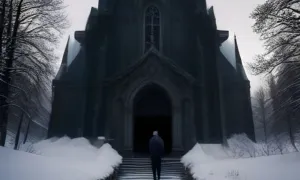
The visualisations are generated by artificial intelligence and serve as inspiration.
Photos from the area
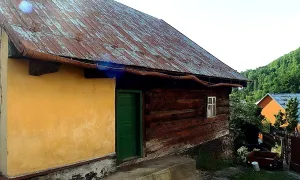
Real photos taken near the monument


Zdroj a licence jsou uvedeny u každého snímku.
Tips from visitors
No tips yet. Be the first!
Log in and add your tip.
Sources and literature
Photos: Palickap / CC BY-SA 4.0, rozlišení zvýšeno umělou inteligencí — Wikimedia Commons. The author and licence also appear when you hover over the image.
Faktickým podkladem tohoto textu byl článek na Wikipedii, jehož autory jsou přispěvatelé Wikipedie. Článek je dostupný pod licencí CC BY-SA 4.0.
Location on the map


Příběhy a pověsti
Legendy, pověsti a příběhy spjaté s touto památkou
Fotografie návštěvníků
Zatím žádné fotografie. Buďte první, kdo přidá fotografii z návštěvy!
Log in a přidejte svou fotografii nebo hodnoťte.
Za ověřenou návštěvu v aplikaci získáte víc bodů — poznáme podle GPS, že jste na místě.
Reviews and comments