






Kostel svatého Vavřince (Štáblovice) Church
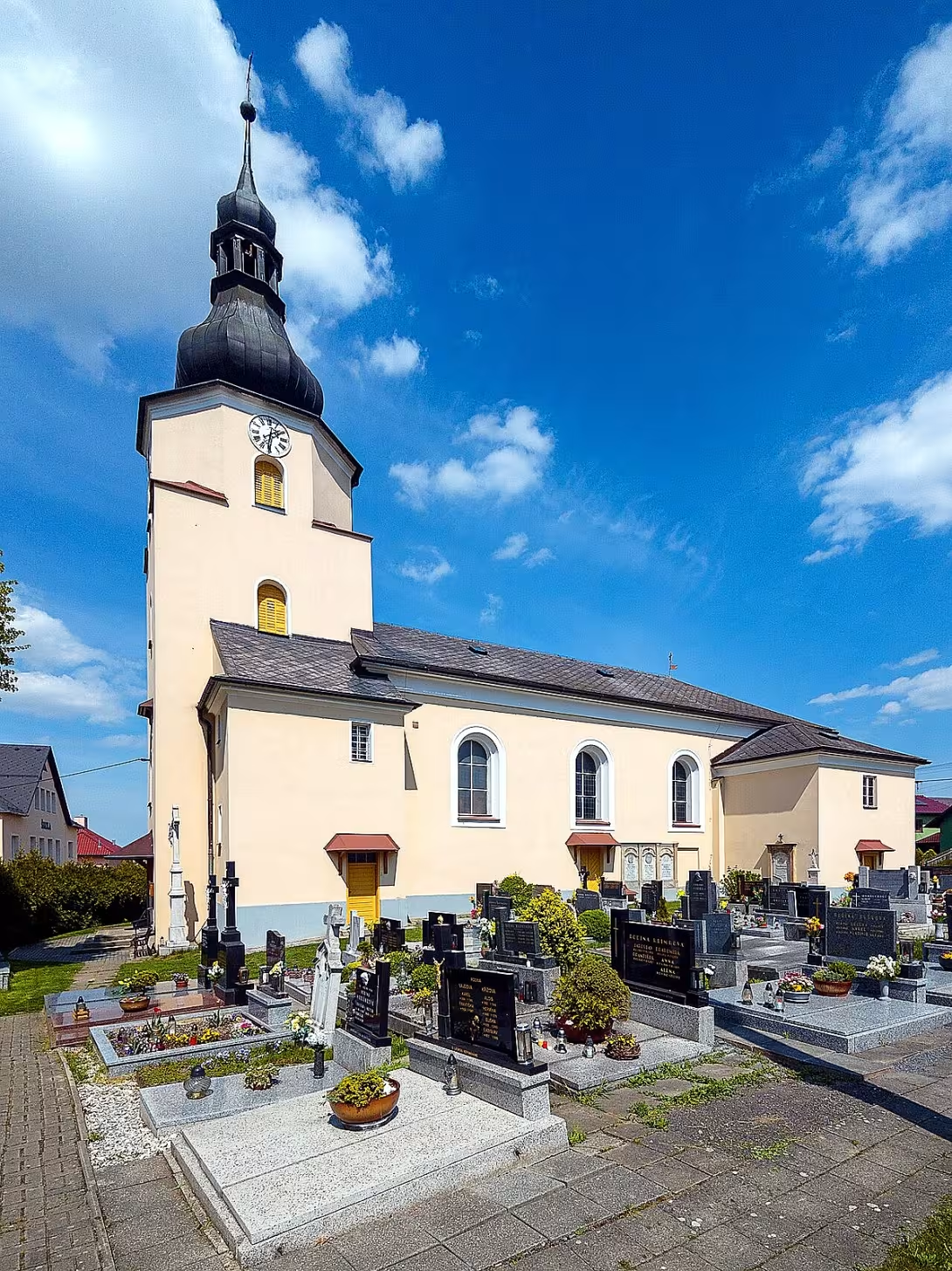
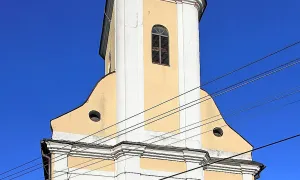
The Church of Saint Lawrence in Štáblovice is a Roman Catholic single-nave church originally constructed in 1603 by Kašpar Rotmberk z Ketře. Situated in the village of Štáblovice within the Moravskoslezský kraj region, this historical monument stands as an important cultural site due to its architectural evolution and familial significance. Initially built in the Renaissance style, it replaced a Gothic predecessor and served as a mausoleum for the Rotmberk and Fulštejn families. The church underwent significant Baroque renovations between 1854 and 1860, transforming its appearance while retaining its historical essence. Recognized as a cultural monument of the Czech Republic since 2006, it is notable for its rich architectural history and familial connections.
Constructed during a period when Bohemia was part of the Habsburg Monarchy, the Church of Saint Lawrence reflects significant religious and political changes of the early 17th century. The rise of Renaissance architecture in the region is evident in its original design by Kašpar Rotmberk z Ketře. Although specific motivations for its construction are not detailed, it served as a family mausoleum for the Rotmberks and Fulštejns. The transfer of figurative epitaphs from an earlier Gothic structure to this new Renaissance building highlights its role in preserving familial heritage.
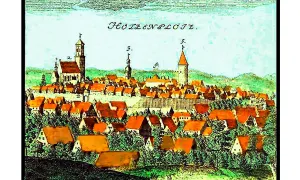
Architecturally, the church began as a Renaissance-style edifice but underwent significant changes during the Baroque period between 1854 and 1860. These renovations altered its appearance while maintaining its historical significance. An 18th-century veduta by Ignáce Günther documents its post-renovation state. Post-1989 restorations included new roofing in 1994, frescoes in 2000–2001, and a complete exterior repaint in 2003, ensuring the preservation of both its Renaissance origins and Baroque modifications.
Ownership and administration have been closely tied to local noble families, particularly the Rotmberks. Kašpar Rotmberk z Ketře initiated its construction, embedding his family's legacy within its walls through epitaphs and mausoleum functions. Structural deterioration in the 18th century due to inadequate maintenance by Slavkov faráři led to significant Baroque renovations. These changes reflect both the church’s architectural evolution and the shifting fortunes of its custodians.
Key events include its construction in 1603, Baroque renovations between 1854 and 1860, and post-1989 restorations that revitalized its structure and appearance. The church also played a role during the Thirty Years' War when it was cleaned, repaired, and rededicated to Saint Lawrence after being affected by the conflict. Following liberation in 1945, efforts were made to acquire new bells, enhancing its cultural significance.
Today, the Church of Saint Lawrence stands as a well-preserved monument accessible to visitors interested in exploring its architectural beauty and historical depth. Its designation as a cultural monument underscores its importance within Czech heritage. The church's rich history, from Renaissance beginnings through Baroque transformations to modern restorations, makes it a compelling site for those keen on understanding the region’s architectural evolution and familial legacies.
The Church of Saint Lawrence in Štáblovice is not only an architectural marvel but also a testament to the enduring legacy of local noble families. Its historical significance and well-preserved state make it a worthwhile destination for visitors seeking to delve into Czech cultural history. The church invites exploration, offering insights into both its past grandeur and ongoing preservation efforts.
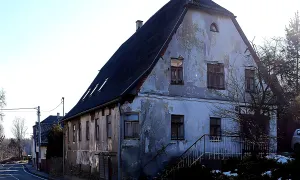
Then and now
Drag the slider to compare how the landmark may have looked when it was built with the view today.
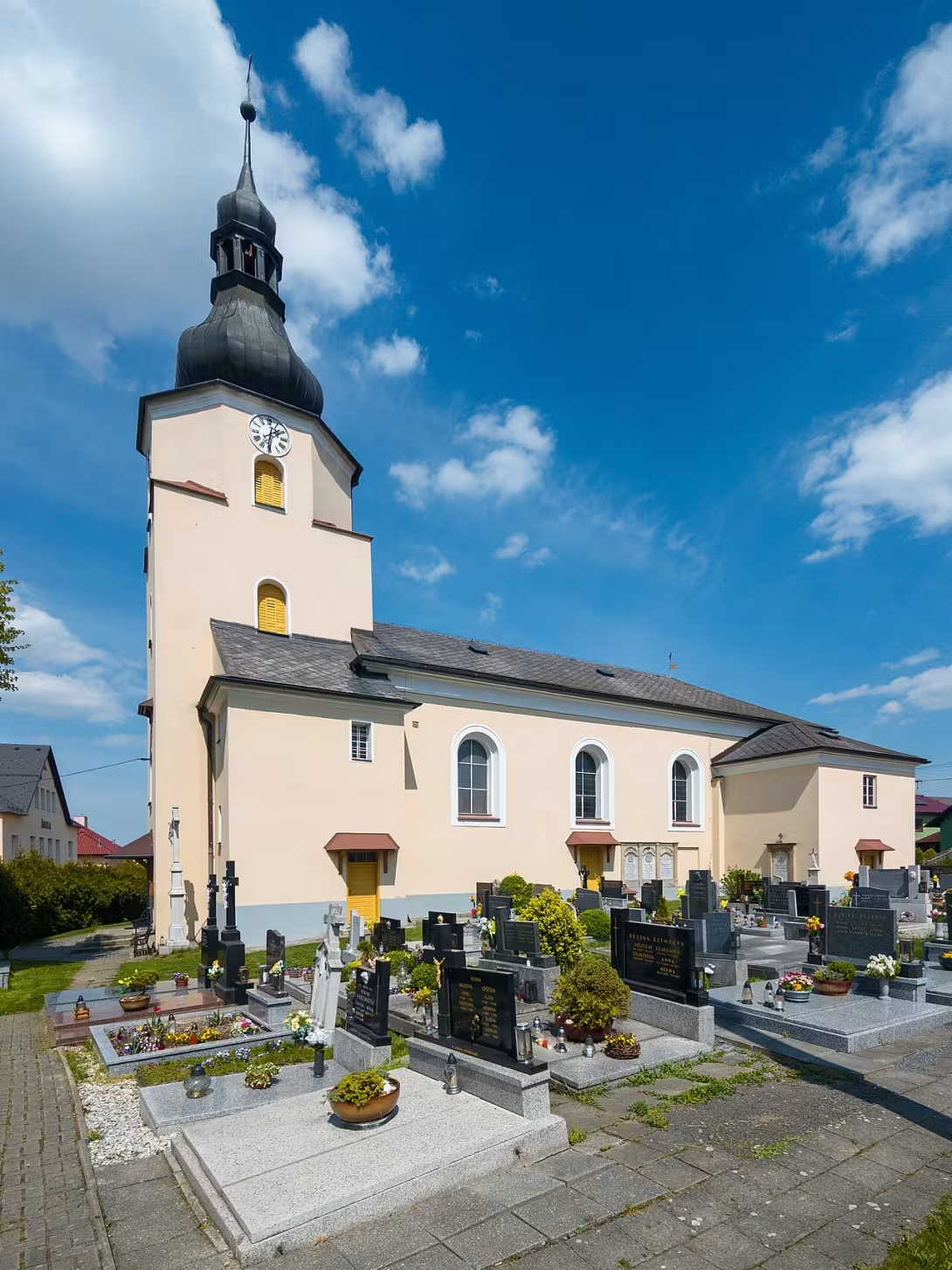

The historical appearance on the left is an AI-generated visualisation and serves as inspiration only.
Historical milestones
- 1603
- Construction of the Renaissance-style Church of Saint Lawrence began.
- 1854
- The church underwent Baroque renovations.
- 2006
- Designated as a cultural monument of the Czech Republic.
Architectural development
Originally built in the Renaissance style, the Church of Saint Lawrence underwent significant changes during the Baroque period between 1854 and 1860. These renovations altered its architectural appearance while preserving its historical significance. The church has also seen restorations post-1989, including new roofing and frescoes.
Historical events
1603: Construction began under Kašpar Rotmberk z Ketře.
1854-1860: The church was renovated into its current Baroque form.
2006: Designated as a cultural monument of the Czech Republic.
Points of interest
- The Church of Saint Lawrence served as a mausoleum for the Rotmberk and Fulštejn families, highlighting its role in preserving noble lineage and heritage through architectural features like epitaphs transferred from an earlier Gothic structure.
- During the Thirty Years' War, the church was significantly impacted but later cleaned, repaired, and rededicated to Saint Lawrence, reflecting its resilience and continued religious significance amidst regional turmoil.
- Inadequate maintenance by Slavkov faráři in the 18th century led to structural deterioration, necessitating major Baroque renovations between 1854 and 1860 that transformed its appearance while preserving historical elements.
- Post-1989 restorations included innovative efforts like new roofing in 1994 and frescoes from 2000–2001, demonstrating a commitment to maintaining both the Renaissance origins and later Baroque modifications of the church.
- Following liberation in 1945, there was an initiative to acquire new bells for the church, enhancing its cultural significance and auditory presence within the community.
Guide
This guide is narrated by a synthetic voice generated by artificial intelligence.
Show guide text
This text was created by artificial intelligence and has not been editorially reviewed. It may contain inaccuracies.
Welcome to the Church of Saint Lawrence in Štáblovice, a remarkable piece of history standing before you. As you stand here, imagine stepping back into time and experiencing the layers of stories embedded within these walls.
The origins of this church date back to 1603 when it was constructed in the Renaissance style by Kašpar Rotmberk z Ketře. This building replaced an older Gothic structure, reflecting a shift not just in architectural style but also in cultural significance. The Church of Saint Lawrence served as more than just a place of worship; it was a mausoleum for the prominent Rotmberk and Fulštejn families, preserving their noble lineage through its architecture.
As you look around, take a moment to appreciate the church's transformation over the centuries. After undergoing significant Baroque renovations between 1854 and 1860, the church adopted new stylistic elements while retaining its original essence. Although specific architectural details aren't visible at first glance, notice how these changes have influenced the overall atmosphere of the building.
This site is intertwined with fascinating stories and historical figures. Kašpar Rotmberk z Ketře, who initiated this project, played a pivotal role in shaping the church's early history. His vision created not just a place for religious gatherings but also a lasting tribute to his family's legacy.
One intriguing aspect of this church is its connection to the Thirty Years' War, during which it served as a witness to tumultuous times. While specific events from that period aren't detailed here, the resilience and continuity of this structure through such challenging eras speak volumes.
As you conclude your visit, consider exploring more about the Rotmberk and Fulštejn families and their influence on this region. The Church of Saint Lawrence is not just a building; it's a narrative woven into the fabric of Štáblovice's history. Thank you for joining us today. We hope this experience has enriched your understanding and appreciation of this cultural monument.
Frequently asked questions
Can the monument be visited?
Religious buildings are usually open mainly during services; at other times a visit is normally arranged with the parish or the operator. We have not verified specific times.
Where is the monument?
Location: Štáblovice, Moravskoslezský kraj. The map on this page shows the exact spot.
Why is the monument protected?
It is listed in the Central List of Cultural Monuments of the Czech Republic as a cultural monument (register no. 101942).
Businesses nearby
Do you run a restaurant, accommodation, shop, museum, rental, wellness or other visitor service near this monument? Show yourself directly to the people heading to it — this is how they will see you in the app and on the web:
Events nearby
Zdroj akcí: otevřená data měst a obcí ČR (Národní katalog otevřených dat) a kalendář akcí Národního památkového ústavu.
Accommodation nearby
Themed route
Thematic Tour Itinerary: Štáblovice and Surroundings
1. Kostel svatého Vavřince (Štáblovice) - Church Begin your journey at the heart of Štáblovice with a visit to the Kostel svatého Vavřince. This church is not only an architectural gem but also holds historical significance for the local community. Its serene atmosphere and beautiful interior make it a must-visit for those interested in religious architecture and history.
2. Štáblovice Village Square - Historical Site Just a short walk from the church, explore the charming village square of Štáblovice. This area offers a glimpse into the traditional Moravian village life with its quaint buildings and local shops. It's an ideal spot to appreciate the cultural heritage of the region.
3. Local Farmsteads - Cultural Experience A short drive from the village center, visit some of the nearby farmsteads in Štáblovice. These farms provide insight into traditional agricultural practices and rural life in Moravia. They often offer opportunities for visitors to learn about local farming techniques and sometimes even participate in activities like cheese-making or apple picking.
4. Štáblovice Community Center - Cultural Hub Conclude your tour at the Štáblovice Community Center, a hub of local culture and events. This center often hosts exhibitions, workshops, and gatherings that reflect the vibrant community spirit of Štáblovice. It's an excellent place to engage with locals and learn more about contemporary life in this picturesque part of Moravia.
This itinerary offers a comprehensive look at both the historical and cultural aspects of Štáblovice, providing visitors with a well-rounded experience of this charming locality.
Seasonal recommendations
Spring: The arrival of spring at the Church of Saint Lawrence in Štáblovice brings a refreshing atmosphere, with blooming flowers and lush greenery surrounding the historic site. The soft morning light enhances the intricate architecture, casting gentle shadows that highlight the church's details. Visitors should consider wearing comfortable walking shoes as paths may be muddy after rain showers. It's an ideal time to explore without large crowds, so arriving early in the day is recommended for a peaceful experience.
Summer: Summer at the Church of Saint Lawrence offers vibrant days filled with warm sunlight illuminating the church’s façade and surrounding landscapes. The lush greenery provides a picturesque backdrop, making it perfect for photography enthusiasts. With increased visitor numbers during this peak season, arriving early in the morning or later in the afternoon can help avoid the crowds. Light clothing is advisable to stay comfortable under the summer sun.
Autumn: Autumn transforms the Church of Saint Lawrence into a serene and colorful destination, with vibrant foliage creating a stunning contrast against the historic architecture. The cooler temperatures make for pleasant strolls around the church grounds, while the soft autumn light adds warmth to the setting. It's an excellent time for photography, capturing the golden hues of fall. Visitors should dress in layers as temperatures can vary throughout the day.
Winter: Winter at the Church of Saint Lawrence offers a unique and enchanting experience with snow-covered surroundings that add a magical touch to the historic site. The church is beautifully illuminated against the crisp winter sky, creating a picturesque scene. Warm clothing, including hats and gloves, is essential to enjoy the visit comfortably amidst the chilly weather.
Visualizations and artistic views


The visualisations are generated by artificial intelligence and serve as inspiration.
Photos from the area
Real photos taken near the monument


Zdroj a licence jsou uvedeny u každého snímku.
Atmosphere of the place
This atmospheric visualisation of the place and period was generated by artificial intelligence. It is not real footage of the location.
Tips from visitors
No tips yet. Be the first!
Log in and add your tip.
Sources and literature
Photos: Tadeáš Bednarz / CC BY-SA 4.0 — Wikimedia Commons. The author and licence also appear when you hover over the image.
Faktickým podkladem tohoto textu byl článek na Wikipedii, jehož autory jsou přispěvatelé Wikipedie. Článek je dostupný pod licencí CC BY-SA 4.0.
Location on the map
Příběhy a pověsti
Legendy, pověsti a příběhy spjaté s touto památkou

Fotografie návštěvníků
Zatím žádné fotografie. Buďte první, kdo přidá fotografii z návštěvy!
Log in a přidejte svou fotografii nebo hodnoťte.
Za ověřenou návštěvu v aplikaci získáte víc bodů — poznáme podle GPS, že jste na místě.
Reviews and comments