






Kostel Všech svatých (Sedliště) Church
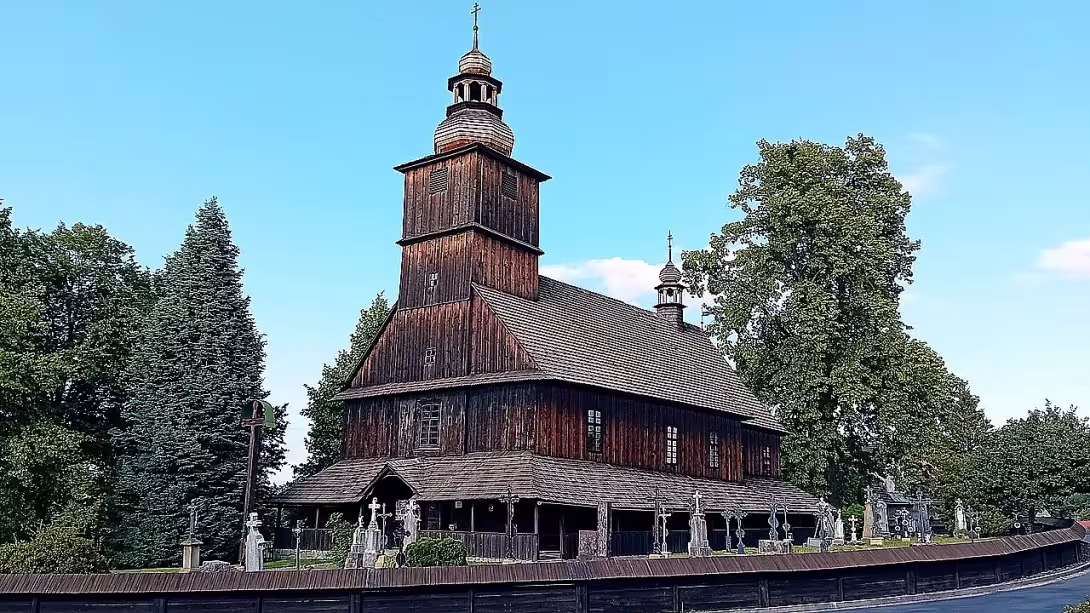
Kostel Všech svatých in Sedlištë is one of the rarest wooden sacred monuments in the Czech Republic. It stands out for its architectural elements from the time of construction and its size among Těšínský region's wooden churches. Located at the heart of the village within Frýdek-Místek District, Moravskoslezský Region, this church captivates visitors with its unique features.
The origins trace back to 1638 when it was reconstructed under nobleman Jiří z Oppersdorfu's patronage. Historical records from "Chronica parochiae brusovicensis" by Ondřej Antonín Bínek mention this reconstruction, while other sources suggest an earlier construction in 1624 by Probošt Jan Škultét for the local community. By 1679, tesaři Adam and Václav rebuilt the church using older beams under Probošt Jan Škultét's guidance, preserving its original layout. This period coincided with the Thirty Years' War, a tumultuous era affecting Central Europe.
Architecturally, Kostel Všech svatých is distinguished by its five-sided nave termination and an external covering known as sobota, which protects the church's foundations. The structure features baroque sculptures of Panna Marie (Our Lady) and svatý Jan Nepomucký (Saint John of Nepomuk), adding to its artistic significance. In 1860, a significant change occurred when the originally separate tower was dismantled and rebuilt over the main entrance with a new belfry.
Throughout its history, Kostel Všech svatých has seen various changes in administration and ownership. The establishment of Sedlištë's parish in 1871 marked an important milestone, with Jan Goryl from Těrlicko becoming the first appointed priest. Over time, challenges such as water damage threatened its structural integrity, particularly in 1999 when there was a risk of the tower collapsing. This prompted immediate restoration efforts led by then-priest ThMgr. Karel Macků.
The site also holds historical significance beyond its architectural features. In 1994, a memorial to victims of communism was erected nearby, reflecting the region's complex history. The church is surrounded by a cemetery adorned with valuable iron crosses and enclosed by a wooden palisade fence topped with shingle roofing, adding to the area's historic ambiance.
Today, Kostel Všech svatých remains accessible for visitors interested in exploring its rich heritage. Its unique architectural style and historical significance make it a worthwhile destination for those keen on understanding the cultural and religious history of the region. The church not only serves as a testament to past builders' craftsmanship but also stands as a symbol of resilience through centuries of change. Visitors are invited to experience this remarkable monument, which continues to be an integral part of Sedlištë's community life.
Then and now
Drag the slider to compare how the landmark may have looked when it was built with the view today.
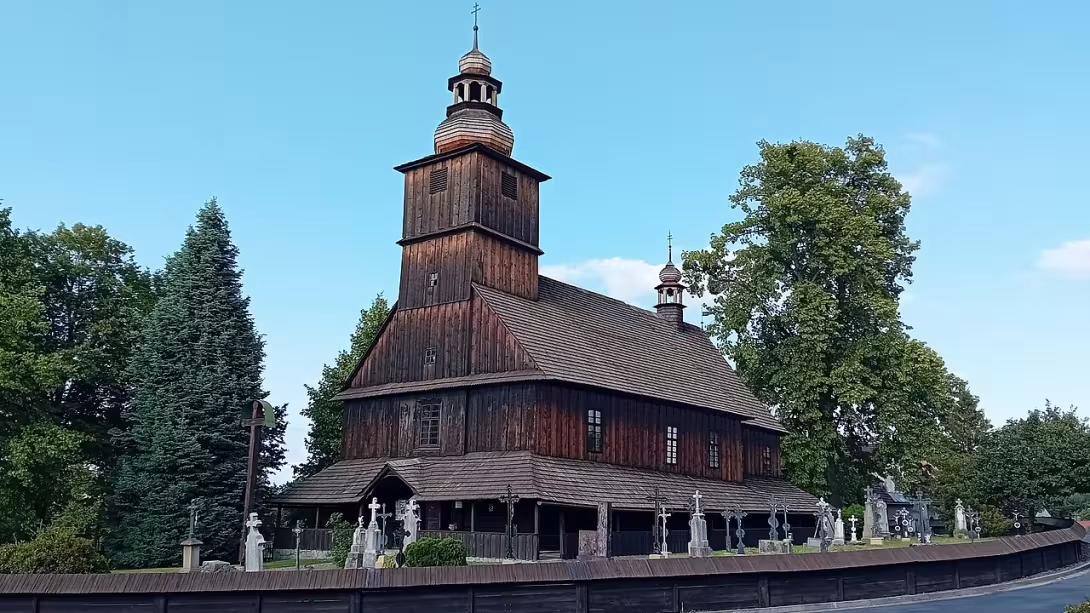

The historical appearance on the left is an AI-generated visualisation and serves as inspiration only.
Historical milestones
- 1638
- The church was rebuilt by the nobleman Jiří z Oppersdorfu.
- 1679
- Carpenters Adam and Václav built the church with helpers, using older beams from Probst Jan Škulteta's time.
Architectural development
The church was built in 1638 using older beams and the floor plan of the original church. In 1860, there was a reconstruction of the tower, which was relocated above the main entrance. The church features baroque sculptures of the Virgin Mary and Saint John Nepomucene.
Historical events
- 1638
- The church was rebuilt by the nobleman Jiří z Oppersdorfu.
- 1679
- According to the Visitation Protocol, carpenters Adam and Václav built the church with their helpers, using older beams from the time of Provost Jan Škulteta.
- 1860
- The originally separate tower was dismantled and rebuilt over the main entrance with a new belfry.
- 1871
- Establishment of the Sedliště parish and appointment of its first priest, Jan Goryl z Těrlicka.
Points of interest
- The church's sobota is an unusual architectural feature that serves to protect its foundations from the elements, a rare characteristic among wooden churches in the region.
- Despite being reconstructed multiple times, including during the tumultuous Thirty Years' War, Kostel Všech svatých has preserved its original layout, showcasing remarkable resilience and continuity through centuries of conflict and change.
- In 1860, the church underwent a significant transformation when its separate tower was dismantled and rebuilt over the main entrance with a new belfry, altering its traditional architectural silhouette.
- The church features baroque sculptures of Panna Marie (Our Lady) and svatý Jan Nepomucký (Saint John of Nepomuk), which are not only artistic treasures but also reflect the religious devotion of the period when they were added.
- In 1994, a memorial was erected nearby to honor victims of communism, adding a layer of historical significance that highlights the region's complex past and its impact on local communities.
Guide
This guide is narrated by a synthetic voice generated by artificial intelligence.
Show guide text
This text was created by artificial intelligence and has not been editorially reviewed. It may contain inaccuracies.
Welcome to the historic site of Kostel Všech svatých in Sedliště, a truly remarkable wooden church that stands as one of the most treasured architectural gems in the Czech Republic. As you stand here, take a moment to soak in its unique presence amidst the charming village setting. The church's distinctive five-sided end and protective sobota catch your eye immediately, hinting at the rich history and craftsmanship embedded within its structure.
The origins of this extraordinary building date back to 1638 when it was reconstructed under the patronage of the noble Jiří z Oppersdorfu. This period marked a time of resilience for the community, as they rebuilt their sacred space amidst the challenges posed by the Thirty Years' War. Further contributing to its storied past, in 1679, master carpenters Adam and Václav undertook another significant phase of construction with the help of their assistants. They ingeniously incorporated older beams from a structure associated with Probošt Jan Škultét, weaving layers of history into the church’s very framework.
As you take a closer look at the architecture, notice how the church's sobota, an unusual feature for wooden churches in this region, stands out as both functional and aesthetic. This protective overhang serves to shield the foundations from the elements, demonstrating thoughtful design that has ensured its longevity through centuries of weathering. The five-sided end of the nave is particularly striking, a rare characteristic that sets it apart from other ecclesiastical structures.
Throughout its history, Kostel Všech svatých has been intertwined with notable figures like Jiří z Oppersdorfu and Jan Škultét, whose contributions have left an indelible mark on this sacred site. These individuals played pivotal roles in shaping the church’s narrative, reflecting their dedication to preserving a place of worship for future generations.
One intriguing aspect that adds to the allure of Kostel Všech svatých is its resilience and adaptability over time. Despite being reconstructed multiple times, including during tumultuous periods like the Thirty Years' War, it has stood firm as a testament to the enduring spirit of the local community.
As you conclude your visit here at this remarkable site, we invite you to continue exploring the surrounding area and delve deeper into the stories that make Sedliště and its historic church such an enchanting destination. Thank you for joining us on this journey through time, and may your exploration be filled with discovery and inspiration.
Tips for visitors
Best Time to Visit: The Kostel Všech svatých is a beautiful spot to visit during the spring and autumn seasons, when the surrounding park is filled with blooming flowers or changing leaves. This allows for great photography opportunities and a peaceful atmosphere. Avoid visiting during peak summer months as it can get quite crowded.
Frequently asked questions
Can the monument be visited?
Religious buildings are usually open mainly during services; at other times a visit is normally arranged with the parish or the operator. We have not verified specific times.
Where is the monument?
Location: Sedliště, Moravskoslezský kraj. The map on this page shows the exact spot.
Why is the monument protected?
It is listed in the Central List of Cultural Monuments of the Czech Republic as a cultural monument (register no. 21823/8-704).
Businesses nearby
Do you run a restaurant, accommodation, shop, museum, rental, wellness or other visitor service near this monument? Show yourself directly to the people heading to it — this is how they will see you in the app and on the web:
Events nearby
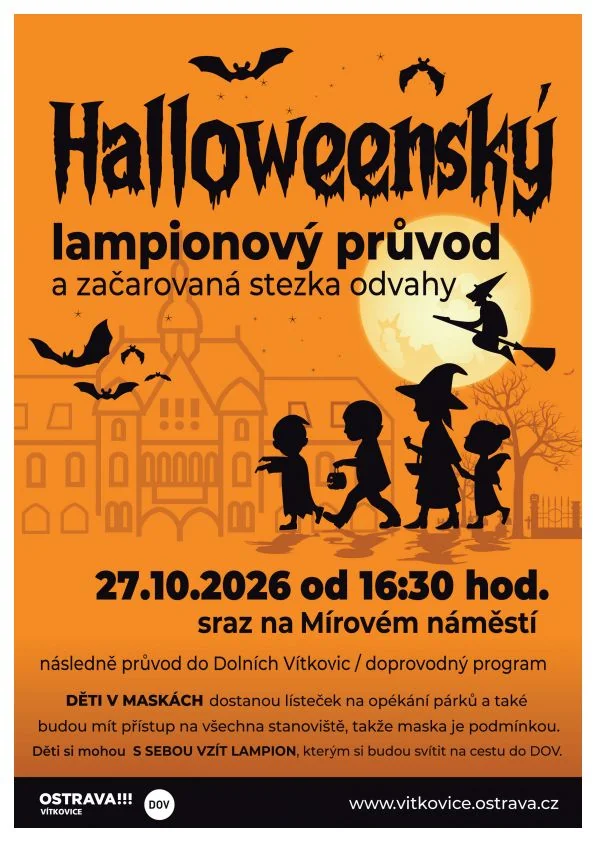
Zdroj akcí: otevřená data měst a obcí ČR (Národní katalog otevřených dat) a kalendář akcí Národního památkového ústavu.
Nearby
The church is located on a cemetery with a valuable collection of iron crosses and surrounded by a wooden palisade fence. Nearby are other historical monuments in the district of Frýdek-Místek.
Accommodation nearby
Themed route
Tematická výletní trasa: Historické památky okresu Frýdek-Místek
1. Kostel Všech svatých (Sedliště)
Typ: Kostel
Proč stojí za návštěvu: Tento barokní kostel, postavený v 18. století, je centrem kulturního dědictví obce Sedliště. Jeho bohaté historické pozadí a architektonická krása ho činí nezbytnou návštěvní pro každého zájemce o regionální historii.
2. Hřbitov s litinovými kříži
Typ: Hřbitov
Proč stojí za návštěvu: Obklopující kostel, hřbitov je domovem jedinečného souboru litinových křížů, které jsou svědectvím místní tradice a uměleckého díla. Tyto kříže nabízejí pohled na historické praktiky a osobnosti z minulosti.
3. Dřevěné parkánové oplocení
Typ: Architektonický prvek
Proč stojí za návštěvu: Tento dřevěný parkán nejenže chrání kostel a hřbitov, ale také představuje dovednosti místních řemeslníků. Jeho elegantní design je vzorem tradičního stavitelství v oblasti.
4. Další historické památky v okrese Frýdek-Místek
Typ: Historické památky
Proč stojí za návštěvu: I když nejsou specificky pojmenovány, další historické památky v okrese nabízejí hluboký vhled do bohaté minulosti a kulturního dědictví regionu. Každá z těchto památek představuje jedinečnou část místní historie, která doplňuje návštěvu kostela Všech svatých.
Tato trasa nabízí komplexní pohled na kulturní a historické aspekty obce Sedliště a okolního regionu Frýdek-Místek, zajišťující návštěvníkům bohatou zkušenost s místními tradicemi.
Seasonal recommendations
Spring: Visiting the Church of All Saints in Sedliště during spring offers a unique experience as nature begins to awaken with vibrant colors and fresh blooms surrounding the historic site. The soft, dappled sunlight filtering through budding trees creates an ethereal atmosphere that enhances the church's timeless beauty. This season is ideal for photography enthusiasts looking to capture the interplay of light and shadow on the ancient architecture. Visitors should be prepared for occasional showers, so carrying a light raincoat or umbrella is advisable. The springtime often sees moderate crowds, making it a pleasant time to explore without the hustle and bustle of peak tourist seasons.
Summer: Summer in Sedliště brings long days filled with warm sunlight that highlights the intricate details of the Church of All Saints. The lush greenery around the church provides a picturesque setting for visitors who wish to enjoy outdoor activities or simply relax amidst nature's splendor. This is the high season, so expect larger crowds and plan accordingly by arriving early in the day to avoid peak visitor times. Comfortable walking shoes and light clothing are recommended due to the warmer temperatures. Additionally, carrying water and sunscreen will help ensure a more enjoyable visit under the summer sun.
Autumn: Autumn transforms Sedliště into a tapestry of reds, oranges, and yellows, offering stunning views that complement the historic charm of the Church of All Saints. The cooler weather provides a comfortable environment for walking tours around the church and its surroundings, with fewer crowds compared to summer months. This season is perfect for those who appreciate the beauty of fall foliage and enjoy quieter exploration. Visitors should dress in layers to accommodate varying temperatures throughout the day and consider bringing a light jacket as evenings can become chilly.
Winter: The Church of All Saints takes on a serene and mystical quality during winter, with snow often blanketing the surrounding landscape, creating a picturesque scene reminiscent of classic European winterscapes. The church's architecture is particularly striking against the stark white backdrop, offering unique photo opportunities. Warm clothing, including hats and gloves, is essential due to the cold weather, and sturdy boots are recommended for navigating potentially icy paths. Despite fewer visitors during this season, the tranquil atmosphere provides a peaceful experience for those who appreciate the quiet beauty of winter.
Visualizations and artistic views


The visualisations are generated by artificial intelligence and serve as inspiration.
Photos from the area
Real photos taken near the monument


Zdroj a licence jsou uvedeny u každého snímku.
Tips from visitors
No tips yet. Be the first!
Log in and add your tip.
Sources and literature
Photos: Vojtasekd / CC BY 4.0 — Wikimedia Commons. The author and licence also appear when you hover over the image.
Faktickým podkladem tohoto textu byl článek na Wikipedii, jehož autory jsou přispěvatelé Wikipedie. Článek je dostupný pod licencí CC BY-SA 4.0.
Location on the map
Příběhy a pověsti
Legendy, pověsti a příběhy spjaté s touto památkou

Fotografie návštěvníků
Zatím žádné fotografie. Buďte první, kdo přidá fotografii z návštěvy!
Log in a přidejte svou fotografii nebo hodnoťte.
Za ověřenou návštěvu v aplikaci získáte víc bodů — poznáme podle GPS, že jste na místě.
Reviews and comments