






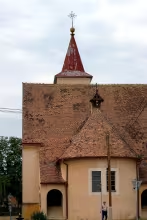
The Church of the Engagement of the Virgin Mary in Mackovice is a Roman Catholic church dedicated to the Engagement of the Virgin Mary. Situated in the village square of Mackovice within the Jihomoravský kraj region, this church exemplifies Baroque architectural influence from the early 18th century. Originally built as a baroque chapel in 1712, it was transformed into its current form by 1722 and is recognized as a cultural monument. The church serves as a filial church for the parish of Břežany u Znojma.
The origins of this church date back to the early 18th century when Bohemia was part of the Habsburg Monarchy, a period marked by significant cultural and architectural development influenced by Baroque art. The original chapel, constructed in 1712, reflects the religious fervor and artistic style prevalent during that era, which saw a flourishing of religious structures across Europe as part of the Counter-Reformation efforts. By 1722, this chapel had been transformed into the church we see today, embodying the architectural characteristics of its time.
Architecturally, the Church of the Engagement of the Virgin Mary showcases typical Baroque design elements. The transformation from a simple chapel to an elaborate church involved expanding and enhancing its structure to reflect the grandeur associated with Baroque aesthetics. Inside, visitors can admire an altar featuring a painting of the Engagement of the Virgin Mary, complemented by painted Stations of the Cross on the walls. Wooden pews and a pulpit contribute to the church's historical ambiance.
The church is centrally located in Mackovice’s village square, making it easily accessible and surrounded by notable features that enhance its cultural significance. Nearby stands a stone statue of Saint John Nepomucene and a war memorial dedicated to victims of both World Wars, adding layers of historical context to the site. A cast iron cross positioned before the church's entrance further emphasizes its religious importance.
Today, the Church of the Engagement of the Virgin Mary remains an active place of worship and is protected as a cultural monument due to its architectural and historical value. Its accessibility and central location make it a worthwhile visit for those interested in exploring Baroque architecture or delving into the rich history of the region. Visitors can appreciate not only the church's artistic elements but also its role within the local community.
The Church of the Engagement of the Virgin Mary stands as a significant cultural and historical landmark, offering insights into the religious and architectural developments of the early 18th century in Bohemia. Its preservation as a cultural monument ensures that future generations can continue to explore and appreciate this piece of history. An invitation is extended to all who wish to experience its serene beauty and learn about its storied past.
Historical milestones
- 1712
- Original chapel constructed in Mackovice.
- 1722
- Chapel transformed into the Church of the Engagement of the Virgin Mary.
Architectural development
The Church of the Engagement of the Virgin Mary was originally a baroque chapel built in 1712. It underwent significant transformation and expansion to become the present-day church by 1722, reflecting the Baroque style prevalent during that period.
Historical events
1712: Original baroque chapel constructed
1722: Chapel transformed into the current church
Points of interest
- The Church of the Engagement of the Virgin Mary was originally constructed as a baroque chapel in 1712 before being transformed into its current form by 1722, reflecting the rapid architectural developments during the early Baroque period.
- Situated in Mackovice’s village square, the church is flanked by a stone statue of Saint John Nepomucene and a war memorial dedicated to World War I and II victims, creating a poignant juxtaposition between religious reverence and historical remembrance.
Guide
Show guide text
Welcome to the Church of the Engagement of the Virgin Mary in Mackovice, a serene and captivating site nestled in the heart of Jihomoravský kraj. As you stand here, surrounded by the tranquil village square, take a moment to breathe in the rich history that envelops this place.
This church, dedicated to the Engagement of the Virgin Mary, began its journey as a baroque chapel back in 1712. Imagine the scene: craftsmen and builders laying down stone upon stone, their hands shaping what would become an enduring symbol of faith for generations. By 1722, the chapel had transformed into the church you see before you today, marking a significant moment in Mackovice's architectural narrative.
As we look around, notice how this structure stands as a testament to the early Baroque period's rapid developments. Though its architects remain unknown, their influence is evident in every detail of the church’s design. The simplicity and elegance of the building invite you to explore further, each element telling a story of dedication and transformation.
Now, direct your gaze towards the altar. Here lies an artwork depicting the Engagement of the Virgin Mary, a focal point that draws both worshippers and visitors alike into its spiritual embrace. This painting is not just an artistic expression but serves as a bridge connecting us to the historical and cultural significance of this sacred space.
While specific historical figures associated with the church's past remain unnamed, their legacy lives on through the enduring presence of this monument. It stands as a filial church for the parish of Břežany u Znojma, protected as a cherished cultural monument that continues to play an active role in the community’s spiritual life.
One intriguing aspect of this church is its evolution from a humble chapel into the architectural gem it is today. This transformation reflects not only changes in design but also shifts in the community's needs and aspirations over time. It's fascinating to think about how each stone and every brushstroke on the altar painting contributes to the story of Mackovice.
As we conclude our brief journey through this historic site, I invite you to linger a little longer, perhaps exploring the surrounding village or simply sitting quietly in reflection. The Church of the Engagement of the Virgin Mary is more than just a building; it's a living narrative waiting for each visitor to add their chapter.
Thank you for joining me on this exploration. May your visit inspire curiosity and appreciation for the rich tapestry of history that surrounds us. Safe travels as you continue your journey through Mackovice and beyond!
Tips for visitors
The best time to visit the Church of the Engagement of the Virgin Mary in Mackovice is during late spring or early autumn when the weather is pleasant, and the village square is less crowded. This period offers a serene atmosphere for appreciating the church's architecture and surrounding historical features. Additionally, visiting on weekdays can provide a more tranquil experience compared to weekends.
Businesses nearby
Do you run a restaurant, accommodation, shop, museum, rental, wellness or other visitor service near this monument? Show yourself directly to the people heading to it — this is how they will see you in the app and on the web:
Nearby
The church is centrally located in the village square of Mackovice, near a children's playground. Nearby features include a stone statue of Saint John Nepomucene and a war memorial for victims of both World Wars. A cast iron cross stands before the entrance to the church.
Accommodation nearby
Themed route
Thematic Walking Tour: Mackovice Village Square
1. Kostel Zasnoubení Panny Marie Type: Church Begin your exploration at the heart of Mackovice, where the Kostel Zasnoubení Panny Marie stands majestically in the village square. This church is a central landmark and offers visitors a glimpse into local religious architecture and history. Its serene atmosphere makes it an ideal starting point for appreciating the cultural heritage of this quaint Jihomoravský kraj community.
2. Statue of Saint John Nepomucene Type: Sculpture A short walk from the church, you'll find a captivating stone statue of Saint John Nepomucene. This sculpture is significant for its historical and religious importance to the local community. It offers an opportunity to reflect on the spiritual narratives that have shaped Mackovice over the centuries.
3. War Memorial Type: Monument Continuing your journey, visit the nearby war memorial dedicated to the victims of both World Wars. This poignant site serves as a reminder of the sacrifices made by those from Mackovice and surrounding areas during tumultuous times. It provides a moment for contemplation on peace and resilience.
4. Cast Iron Cross Type: Monument Conclude your tour at the cast iron cross situated before the entrance to the church. This cross is not only an architectural feature but also a symbol of faith and tradition in Mackovice. Its presence enhances the spiritual ambiance of the village square, offering visitors a sense of connection with the past.
This thematic walking tour allows you to immerse yourself in the historical and cultural essence of Mackovice, all within a compact area that encapsulates the spirit of this charming village.
Seasonal recommendations
Jaro: In the spring months, the Church of the Betrothal of the Virgin Mary in Mackovice opens up in a new way as flowering shrubs and trees surround the monument with their vibrant colors. Sunlight filters through the misty air, adding a special atmosphere of peace and detachment. Although some visitors may appear, the mildness of spring allows for a comfortable stroll around the church without being overwhelmed by crowds. We recommend wearing clothing suitable for mild temperatures and taking advantage of this peaceful period to observe the natural transformation occurring around the historic monument.
Léto: In summer, the Church of the Betrothal of the Virgin Mary is most popular among visitors thanks to warm days and long evenings that offer ideal conditions for a tour. The sunrise creates dramatic lighting on the church's roofs and arches while nature is in full bloom. During the main summer season, more people may be present, so we recommend visiting the monument earlier in the afternoon or in the evening when crowds thin out and temperatures are milder. Don't forget to bring along short-sleeved shirts and sunglasses for protection against strong sunlight.
Podzim: In autumn, the Church of the Betrothal of the Virgin Mary offers unique views as leaves on surrounding trees color the light and shadows. The atmosphere is calm and quiet, allowing a deeper understanding of the historic environment without the distraction of crowds. Sunlight streaming through bare branches gives the church a special touch while cooler temperatures require clothing suitable for mild to cold autumn weather. It's recommended to visit the monument at noon when the sun is strongest, allowing you to enjoy views with maximum illumination.
Zima: The winter season brings quiet and peaceful visits to the Church of the Betrothal of the Virgin Mary. The church is often covered in snow or clouds, providing a magical atmosphere that is hard to achieve in other seasons. Opening hours may be shorter due to winter conditions, and warm clothing is essential for comfort. Winter is an ideal time to focus on architectural details without the disruptive influences of nature or crowds. Visit the monument early in the afternoon to enjoy the winter light and tranquil atmosphere.
Visualizations and artistic views

Vizualizace jsou generovány umělou inteligencí a slouží jako inspirace.


Tips from visitors
No tips yet. Be the first!
Log in and add your tip.




Reviews and comments