



lesní kostel Godula Church
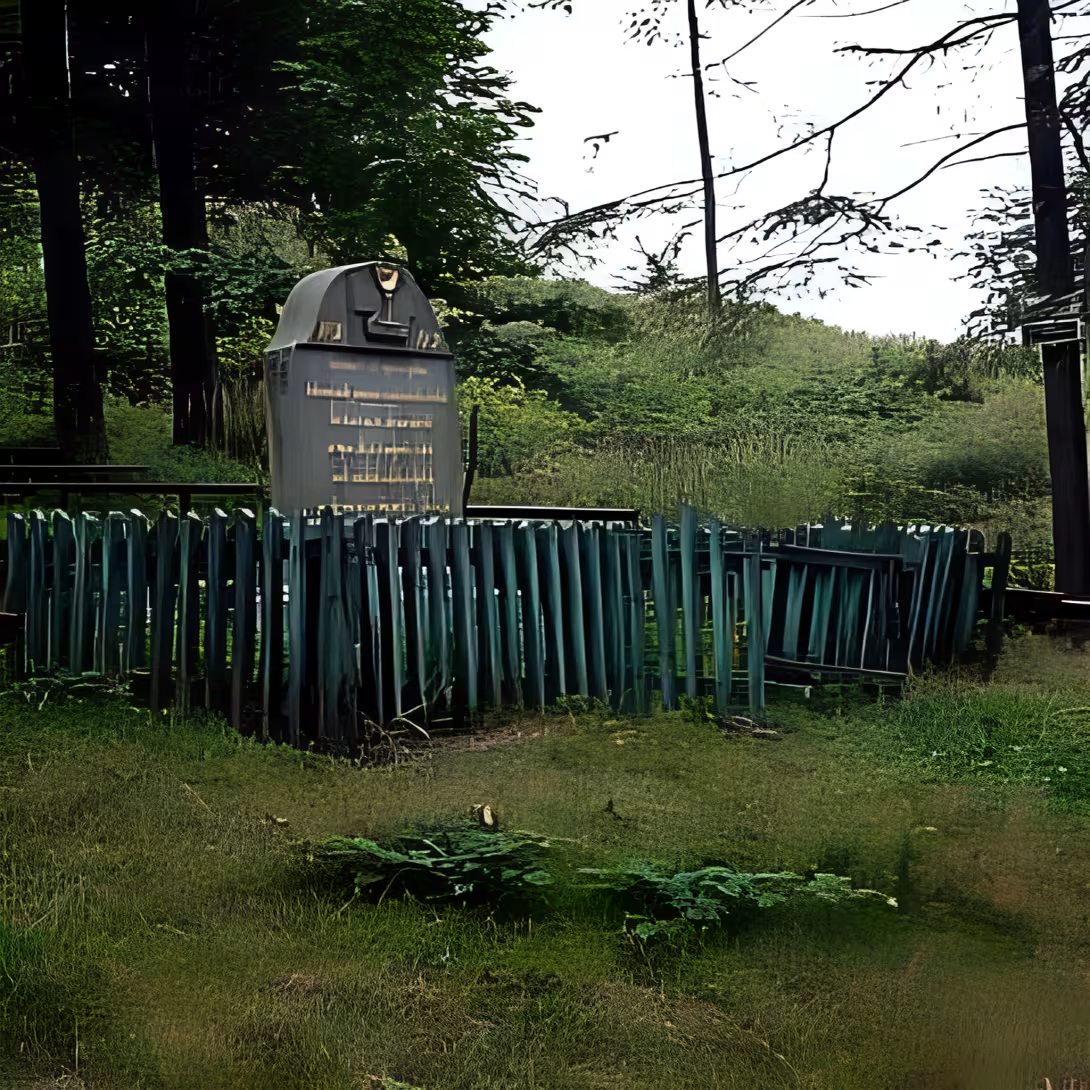
Lesní kostel Godula, also known as the Tolerance Patent Memorial, is a significant historical monument located on Mount Godula's southwestern slope near Komorní Lhotka in Moravskoslezský kraj. This site commemorates secret evangelical services held during periods of religious oppression in Silesian Beskids, particularly during the Counter-Reformation and times of intolerance. Erected in 1931 to honor the 150th anniversary of the Tolerance Patent issued by Emperor Joseph II in 1781, this monument marks a pivotal moment when Evangelicals were granted freedom to practice their faith openly.
The origin of Lesní kostel Godula is deeply rooted in Europe's turbulent religious history during the mid-17th century. Following the Thirty Years' War, which ended in 1648, the Counter-Reformation intensified efforts to suppress Protestantism across regions like Silesia. In 1654, a religious commission under Emperor Ferdinand III confiscated all churches from evangelicals in Těšínské Slezsko. The local evangelical population, still reeling from the war's aftermath, did not resist this act of suppression. Consequently, they resorted to clandestine worship services led by itinerant preachers who traveled secretly from regions such as Upper Hungary, Lower Silesia, and the Polish Kingdom. These services were held in remote locations, primarily within mountainous areas like the Silesian Beskids, to avoid detection and repression.
The historical context of Lesní kostel Godula is further enriched by its connection to Enlightenment ideals that influenced Emperor Joseph II's policies in the late 18th century. The issuance of the Tolerance Patent in 1781 marked a significant shift, allowing Evangelicals to practice their faith without fear of persecution. This decree was celebrated as a milestone for religious freedom and tolerance, leading to the establishment of Lesní kostel Godula as a monument commemorating this transformative event.
Today, Lesní kostel Godula stands not only as a testament to the resilience of those who practiced their faith in secrecy but also as a symbol of religious tolerance. The site is accessible via educational trails from Řeka and Komorní Lhotka, offering visitors scenic views and an opportunity to connect with the natural landscape of the Silesian Beskids. These trails are marked by green and yellow tourist signs, guiding visitors through the area's rich history and natural beauty.
Visiting Lesní kostel Godula provides unique insight into a period when religious freedom was hard-won and cherished. The monument serves as a reminder of the struggles faced by Evangelicals during times of oppression and celebrates their eventual triumph in achieving the right to worship freely. It is a place where history, nature, and cultural heritage converge, making it a worthwhile destination for those interested in exploring the depths of religious tolerance and resilience.
Historical milestones
- 1648
- Konec Třicetileté války.
- 1654
- Konfiskace kostelů evangelikálními věřícími v Těšínském Slezsku.
- 1781
- Vydání Patentu o trpělivosti císařem Josefovem II.
- 1931
- Postavení památníku Lesní kostel Godula.
Historical events
1654: Religious commission under Emperor Ferdinand III confiscated all churches from evangelicals in Těšínské Slezsko.
1781: Issuance of the Tolerance Patent by Emperor Joseph II, allowing Evangelicals to practice their faith freely.
Points of interest
- The Lesní kostel Godula was constructed in 1931 specifically to commemorate the 150th anniversary of Emperor Joseph II's Tolerance Patent, marking a significant shift toward religious freedom for Evangelicals.
- Despite being confiscated by a religious commission in 1654 under Emperor Ferdinand III, evangelical communities continued their worship practices clandestinely, using itinerant preachers from regions like Upper Hungary and Lower Silesia to conduct secret services in the Silesian Beskids mountains.
- The site's connection to Enlightenment ideals highlights its historical significance beyond religious tolerance; it symbolizes a broader cultural shift toward progressive policies under Emperor Joseph II during the late 18th century.
- Lesní kostel Godula is uniquely situated on Mount Godula’s southwestern slope, offering visitors not only a glimpse into religious history but also scenic views of the Silesian Beskids landscape through educational trails marked by green and yellow tourist signs.
- The monument serves as both a historical marker for secret evangelical services during periods of intense Counter-Reformation suppression and as a celebration of the eventual triumph over religious intolerance, embodying resilience and the hard-won right to worship freely.
Guide
This guide is narrated by a synthetic voice generated by artificial intelligence.
Show guide text
This text was created by artificial intelligence and has not been editorially reviewed. It may contain inaccuracies.
The forest church Godula is not a building with walls and a roof. It is a memorial with a plaque on the southwestern slope of Godula mountain in the village of Komorní Lhotka in the Moravian-Silesian Region. It commemorates a place where, during the Counter-Reformation and religious oppression, Protestants secretly gathered for worship services. It is also called a memorial to the issuance of the Edict of Toleration.
The story begins in the year 1654. The so-called religious commission then, on the orders of Emperor Ferdinand the Third, took away all the churches from the Protestants in Těšín Silesia. The local inhabitants had fresh memories of the recently ended Thirty Years' War and offered no resistance. However, they did not abandon their faith.
Because they could not gather in churches, they turned to preachers who came to the region in secret. Most often these were preachers from Upper Hungary, but they also came from Lower Silesia and from the Polish Kingdom. Worship services were held in remote places, mainly in the mountains. There were many such places and they frequently changed so that the faithful could avoid punishment.
Thanks to oral tradition, the memory of nine such places in the Silesian and Moravian-Silesian Beskids has been preserved. Six of them are located on the Polish side of the mountains and three on the Czech side. One of them is precisely this forest church on Godula.
The memorial was created in the year 1931. It was built to commemorate the one hundred and fiftieth anniversary of the issuance of the Edict of Toleration from the year 1781. This edict was a pivotal event for the Protestants. Until then they were persecuted, but thanks to it they were able to openly profess their faith.
Frequently asked questions
Can the monument be visited?
Religious buildings are usually open mainly during services; at other times a visit is normally arranged with the parish or the operator. We have not verified specific times.
Where is the monument?
Location: Komorní Lhotka, Moravskoslezský kraj. The map on this page shows the exact spot.
Businesses nearby
Do you run a restaurant, accommodation, shop, museum, rental, wellness or other visitor service near this monument? Show yourself directly to the people heading to it — this is how they will see you in the app and on the web:
Nearby
Lesní kostel Godula is surrounded by the Silesian Beskids mountain range. It can be accessed via educational trails from Řeka and Komorní Lhotka, offering scenic views and a connection to the natural landscape.
Accommodation nearby
Themed route
Tematická výletní trasa: Lesní kostel Godula a okolí
1. Lesní Kostel Godula
Typ: Historická památka
Proč stojí za návštěvu: Tento jedinečný kostel, postavený v polovině 18. století, je umístěn na vrcholu kopce ve Slezských Beskydech a nabízí nejen historickou hodnotu, ale i pohledy na okolní krajiny. Je známý svou architekturou a duchovním významem pro místní oblast.
2. Vzdělávací stezka od Řeky
Typ: Přírodní stezka
Proč stojí za návštěvu: Tato stezka vede z vesnice Řeka k kostelu a nabízí krásné pohledy na horskou krajinu Slezských Beskyd. Je ideální pro milovníky přírody, kteří chtějí zažít klidnou chůzi skrz lesnatý terén a užívat si pohledy na horizont.
3. Vzdělávací stezka od Komorní Lhotky
Typ: Přírodní stezka
Proč stojí za návštěvu: Tato druhá možnost, jak se dostat k kostelu Godula, zajišťuje pohodlný a krásný vstup do oblasti Slezských Beskyd. Stezka nabízí příležitosti pro pozorování místní fauny a flóry, což je ideální pro návštěvníky zájemce o přírodní výlet.
4. Okolní lesnaté oblasti
Typ: Přírodní prostředí
Proč stojí za návštěvu: Lesy kolem kostela Godula jsou částí Slezských Beskyd a nabízejí klidné prostory pro relaxaci, piknik nebo pochopení místní ekologie. Jsou ideální pro ty, kteří chtějí užít si tiché okamžiky v přírodě.
Tato trasa nabízí kombinaci historických a přírodních zážitků, které jsou ideální pro různorodé skupiny návštěvníků.
Seasonal recommendations
Spring: The arrival of spring breathes new life into the forest surrounding the Godula Chapel, with a vibrant palette of wildflowers and fresh greenery creating an enchanting atmosphere. This season is perfect for nature enthusiasts eager to witness the awakening of flora and fauna. Early mornings are ideal for visits when the dew-kissed landscape is at its most magical, offering softer light that enhances the chapel's rustic charm. Visitors should dress in layers to accommodate the variable temperatures typical of spring days.
Summer: Summer brings a lush canopy over the Godula Chapel, providing ample shade and a serene escape from the heat. The forest is alive with birdsong and buzzing insects, creating an immersive natural symphony that complements the chapel's tranquil setting. This season sees higher visitor numbers, so arriving early in the day can help avoid crowds and allow for a more peaceful experience. Comfortable walking shoes and light, breathable clothing are recommended to navigate the woodland paths comfortably.
Autumn: Autumn transforms the forest around Godula Chapel into a fiery spectacle of reds, oranges, and yellows, offering picturesque views that enhance the chapel's historic allure. The cooler temperatures make for pleasant strolls through the woods as leaves crunch underfoot. This is an ideal time to explore without the summer crowds, though visitors should be prepared for shorter daylight hours by planning visits earlier in the day. Layered clothing will help adapt to the changing weather conditions typical of autumn.
Winter: Winter cloaks the Godula Chapel and its surrounding forest in a serene blanket of snow, casting a mystical aura over the landscape. The stark beauty of bare trees against the white backdrop creates a unique atmosphere that invites contemplation and quiet reflection. Warm clothing, including hats and gloves, is essential to ensure comfort during your visit in this enchanting yet chilly setting.
Visualizations and artistic views


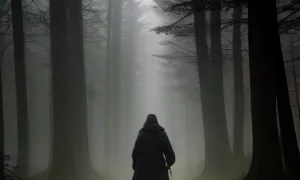
The visualisations are generated by artificial intelligence and serve as inspiration.
Tips from visitors
No tips yet. Be the first!
Log in and add your tip.
Sources and literature
Photos: Michał Pilch / CC BY-SA 4.0, rozlišení zvýšeno umělou inteligencí — Wikimedia Commons. The author and licence also appear when you hover over the image.
Faktickým podkladem tohoto textu byl článek na Wikipedii, jehož autory jsou přispěvatelé Wikipedie. Článek je dostupný pod licencí CC BY-SA 4.0.
Location on the map
Příběhy a pověsti
Legendy, pověsti a příběhy spjaté s touto památkou
Fotografie návštěvníků
Zatím žádné fotografie. Buďte první, kdo přidá fotografii z návštěvy!
Log in a přidejte svou fotografii nebo hodnoťte.
Za ověřenou návštěvu v aplikaci získáte víc bodů — poznáme podle GPS, že jste na místě.
Reviews and comments