



Městské opevnění (Litomyšl-Město) Fortifications
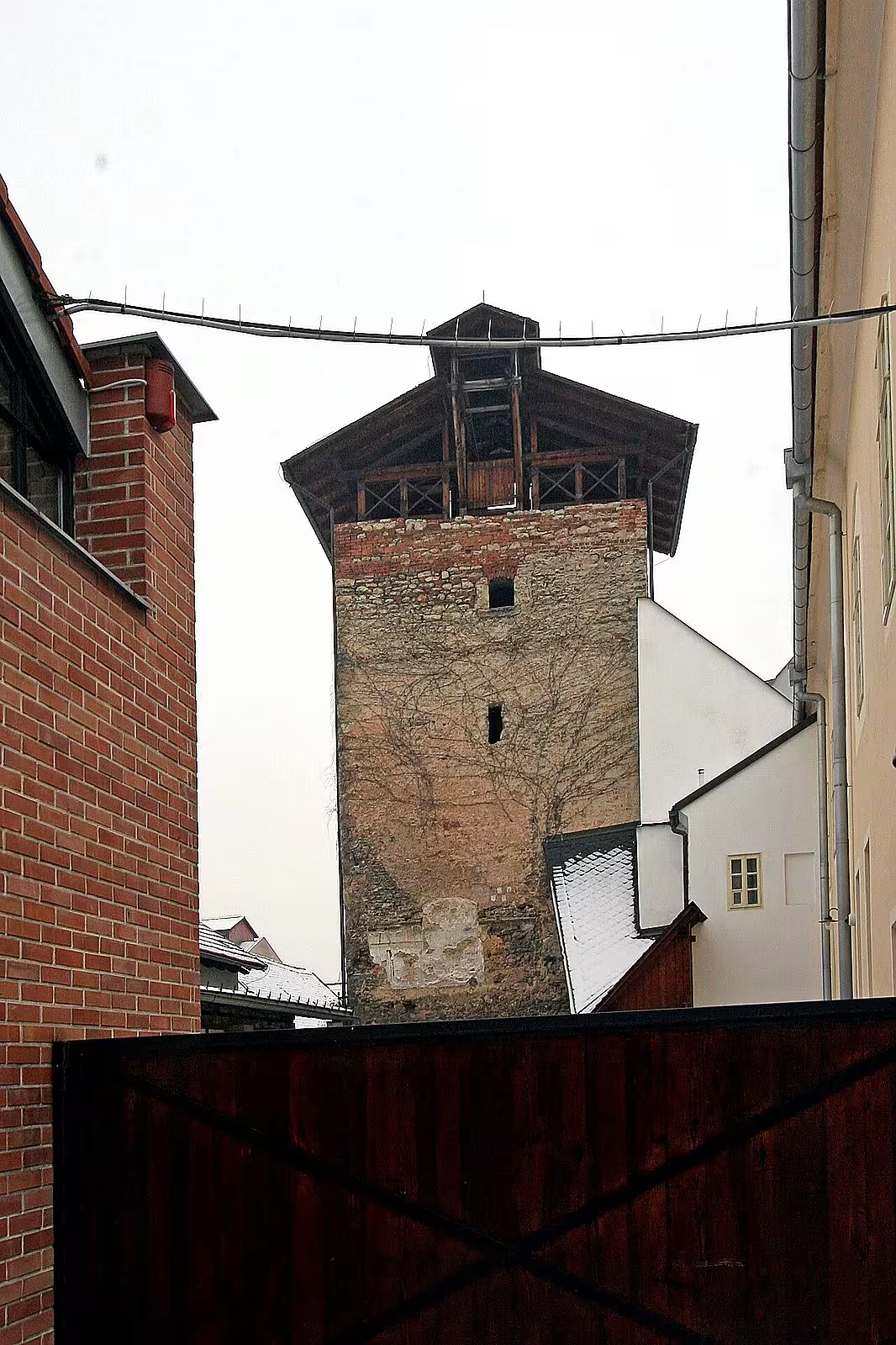
Fortification of the town Litomysl is a cultural monument in Litomysl - City in Pardubice region of the Czech Republic. These remains date back to the Middle Ages and represent significant fortifications from both Lower and Upper cities. These fortifications are remarkable for their historical value and include several walls, basies and the Red Tower, which were part of the defence of the Upper City. Authorized by Emperor Charles IV in the 14th century, they were built to replace deteriorating wooden or temporary buildings.
The origin of the Fortification of Litomysl is based on the strategic needs of medieval urban defence. In the early 14th century, the existing fortifications of Litomyjlo were insufficient and threatened by collapse. Emperor Karel IV granted Bishop John I the right to build stone walls, which means a significant shift from temporary defense to more permanent construction. This initiative was part of a wider effort in the Czech Republic during the reign of Charles IV to strengthen urban fortifications, reflecting the emphasis of the era on architectural development and territorial planning.
During approximately ten years since the mid-14th century, the fortifications have undergone several renovations due to damage caused by fires and other factors. The walls were initially built around a local castle, decaying towards the center of what was then known as Lower Town. These fortifications were two remarkable gates: the Czech (lower) gate and the German (upper) gate, which were named after the prevailing population in their respective directions. In addition, several smaller gates facilitated movement through different parts of the city.
The ownership and administration of the fortification initially consisted of local bishops, starting with Bishop Jan I., who acquired rights from Charles IV. In 1351, Bishop Jan, I got permission to collect taxes for the construction of these defense systems, a major administrative step that underlines the importance of fortified city centers during this period. The fortification faced challenges over time, including fires in 1546 and 1560, which required repairs and further renewal.
The Red Tower stands out as one of the few surviving buildings from the original fortification and emphasizes its historical significance. Despite various damage and partial demolition over the centuries, especially near the river Loučná at the end of the 18th century, some remains were preserved. The area around these fortifications includes historically important gardens such as monastery and dean gardens, adding to the cultural wealth of the site.
Today, the fortifications of Litomyšl are recognised as a cultural monument since 1964. While much of the original structure did not survive, the remaining walls and bastions offer a view of medieval urban defence strategies. The site is accessible to visitors who are interested in exploring historical connections and architectural remains. Its preservation allows you to appreciate the rich history of Litomysl and the wider narrative of medieval fortifications.
The fortification of Litomysl provides valuable knowledge of the strategic and cultural development of medieval Bohemia. As evidence of the architectural development of the region, they call on visitors to explore an important chapter in European history. The site remains an important cultural milestone that offers historical depth and connection with the past for those who visit it.
Then and now
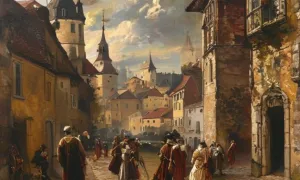
Drag the slider to compare how the landmark may have looked when it was built with the view today.
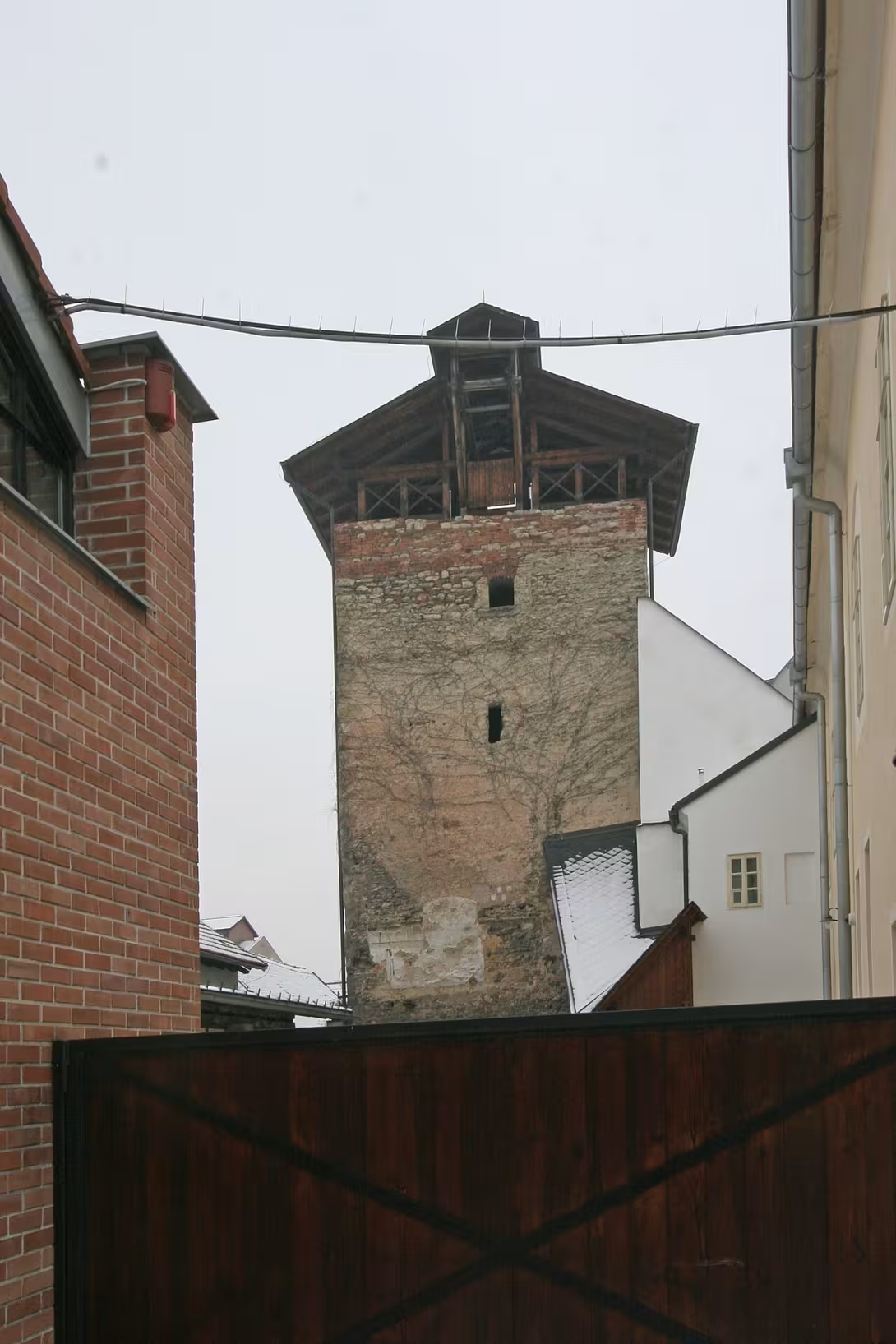
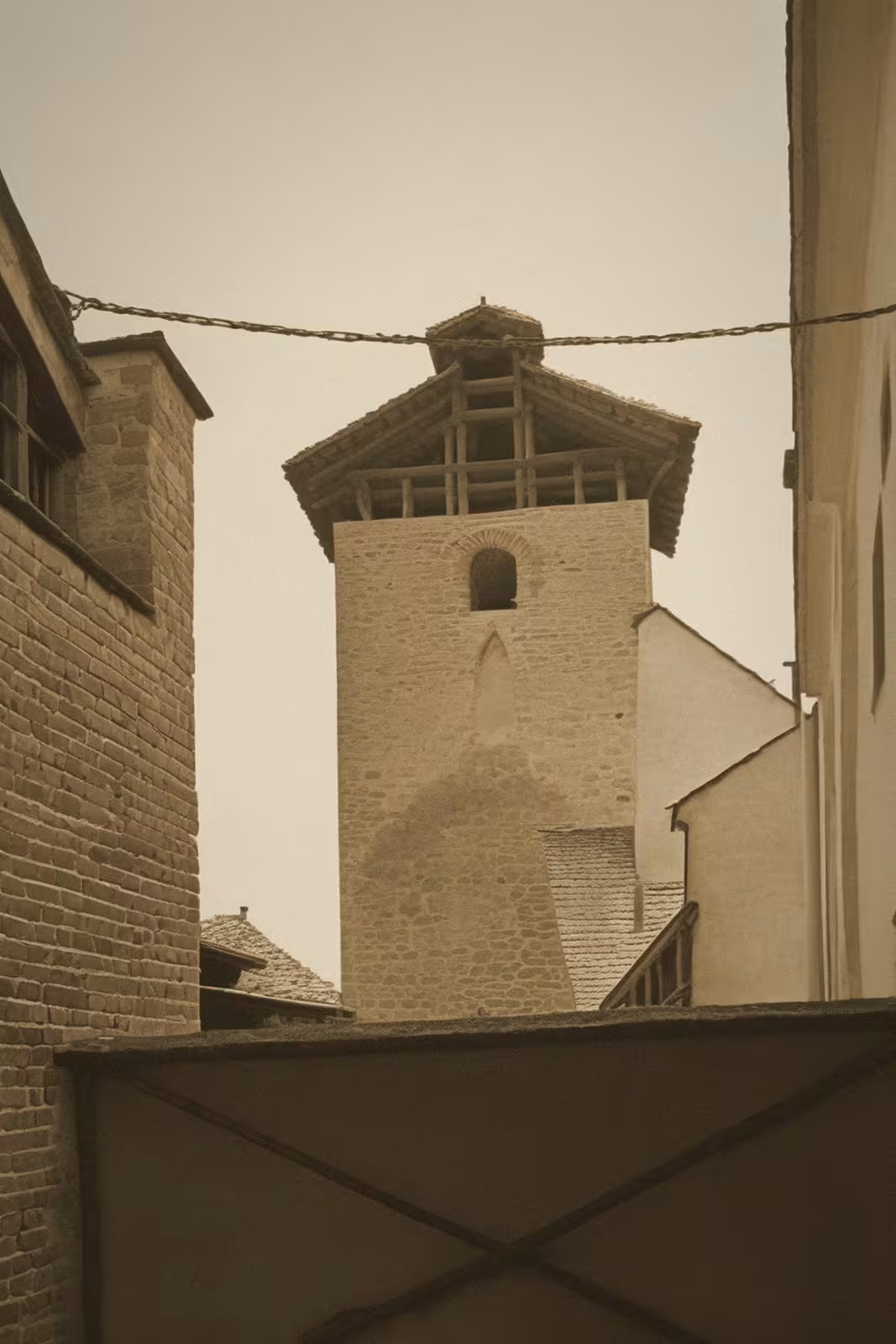
The historical appearance on the left is an AI-generated visualisation and serves as inspiration only.
Historical milestones
- 1351
- Bishop Jan I got permission to collect taxes for building fortification.
- 1546
- The fire caused damage, which led to repairs of the fortifications.
- 1560
- Another fire called for further recovery.
Architectural development
The fortification was built approximately ten years since the mid-14th century. They have undergone several medieval renovations due to damage caused by fires and other factors. At the end of the 18th century, parts near the Loučná River were severely damaged or demolished.
Historical events
1351: Bishop Jan obtained permission to collect taxes for construction of fortifications.
1546 and 1560: Fires the damaged Litomysl, requires repairs fortifications.
Owners
Originally under the jurisdiction of local bishops, starting with Bishop Jan I., who acquired rights from Karel IV in the 14th century.
Points of interest
- The fortification of the town of Litomyšl was approved by Emperor Charles IV in the 14th century as part of a wider initiative to strengthen urban defence across Bohemia, which reflects the focus of its era on architectural development and territorial planning.
- The fortification was two remarkable gates: the Czech (lower) gate and the German (upper) gate, named on the basis of the prevailing population directions that served, illustrating the cultural diversity within Litomysl during this period.
- The property of the fortifications was originally with local bishops, starting with Bishop Jan I., who obtained rights from Emperor Charles IV. In 1351 he was authorised to collect taxes specifically for the construction of these defence systems, which underlines their strategic importance.
- The Red Tower is one of the few surviving buildings from the original fortifications and remains an important historical monument despite various damage over the centuries, including partial demolition at the river Loučná at the end of the 18th century.
- Historically significant gardens such as monastery and dean gardens are located around the fortifications of the site, adding to its cultural wealth and offering views into the medieval lifestyle and landscape of Litomysl.
Guide
This guide is narrated by a synthetic voice generated by artificial intelligence.
Show guide text
This text was created by artificial intelligence and has not been editorially reviewed. It may contain inaccuracies.
Only small remnants of the Litomyšl town fortifications have survived to the present day. Originally they protected both Lower and Upper Town. They included several walls and bastions as well as the Red Tower, which was part of the Upper Town fortifications.
Before Litomyšl received its stone walls, it most likely had wooden or other temporary fortifications. By the fourteenth century they were in such poor condition that there was a danger of their collapse. For this reason, Charles the Fourth granted the bishop Jan the right to build stone walls. The fortifications are first mentioned in the year 1351, when bishop Jan the First obtained the right to collect a fee for their construction.
The construction lasted approximately ten years. The fortifications gradually rose from the local castle, which later became a château, and they enclosed the center of the city, which was previously called Lower Town. The castle became part of the defensive system and the walls led from it in both directions all the way to the Loučná River.
The masonry underwent several repairs even in medieval times. Some repairs were necessitated by fires that struck Litomyšl in the years 1546 and 1560. Two gates of Lower Town were also rebuilt, the Czech or lower gate and the German or upper gate. They were named according to the population that predominated in the direction of the road leading from the gate. Besides these, several small gates passed through the fortifications in other directions.
According to records from the period, the fortifications were damaged in the second half of the eighteenth century, especially near the Loučná River, and in places even demolished. The city leadership did discuss restoration, but was unable to reach an agreement on whether it should take place at all. In the mid-nineteenth century both gates were demolished and the last parts of the original masonry disappeared in 1904.
Nevertheless, something has survived. This includes the remains of one bastion, walls around the monastery and dean gardens, and also some walls near the former Panský Mill. The Red Tower escaped demolition. Since 1964 the remains of the fortifications have been registered as a cultural monument.
Tips for visitors
Best time to visit The fortification of Litomysl is at the end of spring or early autumn when the weather is pleasant, so it is ideal for exploring ruins without the discomfort of summer heat or winter. These seasons also offer beautiful natural lighting and flowering gardens nearby, improving your experience.
For those who prefer public transport, check the local timetables for buses serving the region and ensure a smooth journey to this historic place.
When visiting, it is advisable to bring comfortable walking shoes as you explore uneven terrain between ruins. Hats and sunscreen is recommended if you plan to visit during sun days. In addition, it is essential that the water remains hydrated while enjoying the outdoor fortification settings.
For photo lovers, early morning or late afternoon provides the best light to capture dramatic shadows and texture of ancient walls. The remains near the Loučná River offer a picturesque view, especially during the golden hour, when sunlight increases the historical environment. Don't forget to capture the nearby monastery and dean's garden for a diverse photographic experience.
When it comes to exploring nearby attractions within 30 minutes, consider visiting Pansky Mill or taking a quiet stroll through the historical centre of Litomyšl, which is famous for its architectural beauty. These pages complement your visit to the fortifications by offering knowledge of the region's rich cultural heritage.
Frequently asked questions
Can the monument be visited?
This is a structure in a public space that can usually be seen from outside free of charge. We have not verified that this particular one is freely accessible.
Where is the monument?
Location: Jiráskova, Litomyšl-Město, Litomyšl, Pardubický kraj. The map on this page shows the exact spot.
Why is the monument protected?
It is listed in the Central List of Cultural Monuments of the Czech Republic as a cultural monument (register no. 22602/6-4221).
Businesses nearby
Do you run a restaurant, accommodation, shop, museum, rental, wellness or other visitor service near this monument? Show yourself directly to the people heading to it — this is how they will see you in the app and on the web:
Events nearby
Zdroj akcí: otevřená data měst a obcí ČR (Národní katalog otevřených dat) a kalendář akcí Národního památkového ústavu.
Nearby
The remains are located near the Loučné River, with historical gardens such as monastery and dean gardens nearby. The area also includes a former Pan Mill.
Accommodation nearby
Themed route
Thematic development route: City fortification Litomydlo - City
1. Městské opevnění (Litomyšl-Město) - Walls - * Type: * Historical landmark - * Why is it worth visiting: * Visit these historic walls that are secular rich past Litomysle. These structures offer a uniform view of the urban area and architecture from the time of their intrusion.
2. A meadow river - * Type: * Natural location - * Why is it worth a visit: * Walk along the meadow river offer and a pleasant walk where you can smoke your moss based and is surrounding. This cluster is ideal for relaxing after challenging historical monuments.
3. Monastic Gardens - * Type: * Historical park - * Why is it worth visiting: * These castles are offered on the basis of a traditional foreign market and are linked to the history of a small monastery. They are an ideal place for those to be botany and history.
4. Dekan castles - * Type: * Historical park - * Why is it worth visiting: * Dekan Gardens representing a classical garden bed and are connected to the history of one development house. They are the perfect place to relax in a beautiful garden.
5. Gentlemen's Mill - * Type: * Historical building - * Why is it worth visiting: * Visit this former mlyn, who is witnessing the prerogative past of the area. Although not in operation, there is historical architecture and role in society to ensure.
This route will offer a combination of history, a natural and peaceful prose, whose ideal for anyone who wants to discover Litomysl-City.
Seasonal recommendations
Spring: Visit the ruins of Litomys- City's City Wall during spring offers a unique experience as nature begins to awaken. Blossoming flowers and fresh greenery create a pulsating background that increases a historic place with a lively atmosphere. This season is ideal for photographic enthusiasts thanks to soft natural lighting that highlights ancient architecture. Visitors should be prepared for occasional rain showers by wearing watertight clothing or umbrella. While the weather may be unpredictable, the wounds are often brighter and less crowded than the afternoon.
Summer: Summer in Litomys- City's City Wall is characterized by long daylight hours and warm temperatures, making it ideal for peaceful exploration. The adorable environment comes to life with rich greenery and colorful wild flowers that provide a picturesque environment. This season attracts more visitors due to its pleasant weather, so it is recommended to avoid larger crowds and enjoy a quieter experience. Comfortable walking shoes and light clothes are suitable, along with sun protection such as hats and sunscreen.
Autumn: Autumn brings magical transformation to the ruins of Litomys- City's City Wall, where the vibrant leaves create a stunning contrast to historical structures. Colder temperatures allow comfortable walks around the place, while golden shades of fall provide a charming atmosphere ideal for photography. This season is less crowded than summer, allowing visitors to appreciate the peace and beauty of the surroundings. Composite clothing is recommended to adapt to different temperatures throughout the day.
Winter: Winter on Litomys- City's City Wall offers a peaceful and atmospheric experience as snow covers ruins, adds a touch of the spell to the historic place. Short hours of the day mean planning your visit at noon for optimal lighting conditions. The silence of winter is ideal for those who seek solitude and reflection in the middle of the historic landscape. Visitors should dress warmly in layers, wear insulated shoes and be prepared for ice trails. Due to the potentially limited approach or shortening of opening times in winter, it is wise to check ahead of schedule your visit.
Visualizations and artistic views


The visualisations are generated by artificial intelligence and serve as inspiration.
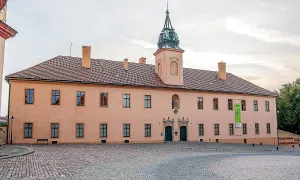
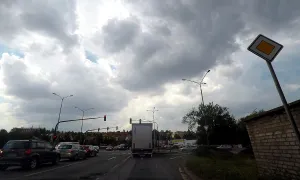
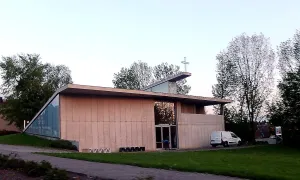
Photos from the area
Real photos taken near the monument

Zdroj a licence jsou uvedeny u každého snímku.
Tips from visitors
No tips yet. Be the first!
Log in and add your tip.
Sources and literature
Photos: Petr1888 / CC BY-SA 3.0 — Wikimedia Commons. The author and licence also appear when you hover over the image.
Faktickým podkladem tohoto textu byl článek na Wikipedii, jehož autory jsou přispěvatelé Wikipedie. Článek je dostupný pod licencí CC BY-SA 4.0.
Location on the map

Příběhy a pověsti
Legendy, pověsti a příběhy spjaté s touto památkou
Fotografie návštěvníků
Zatím žádné fotografie. Buďte první, kdo přidá fotografii z návštěvy!
Log in a přidejte svou fotografii nebo hodnoťte.
Za ověřenou návštěvu v aplikaci získáte víc bodů — poznáme podle GPS, že jste na místě.
Reviews and comments