






Pomník Životické tragédie Monument
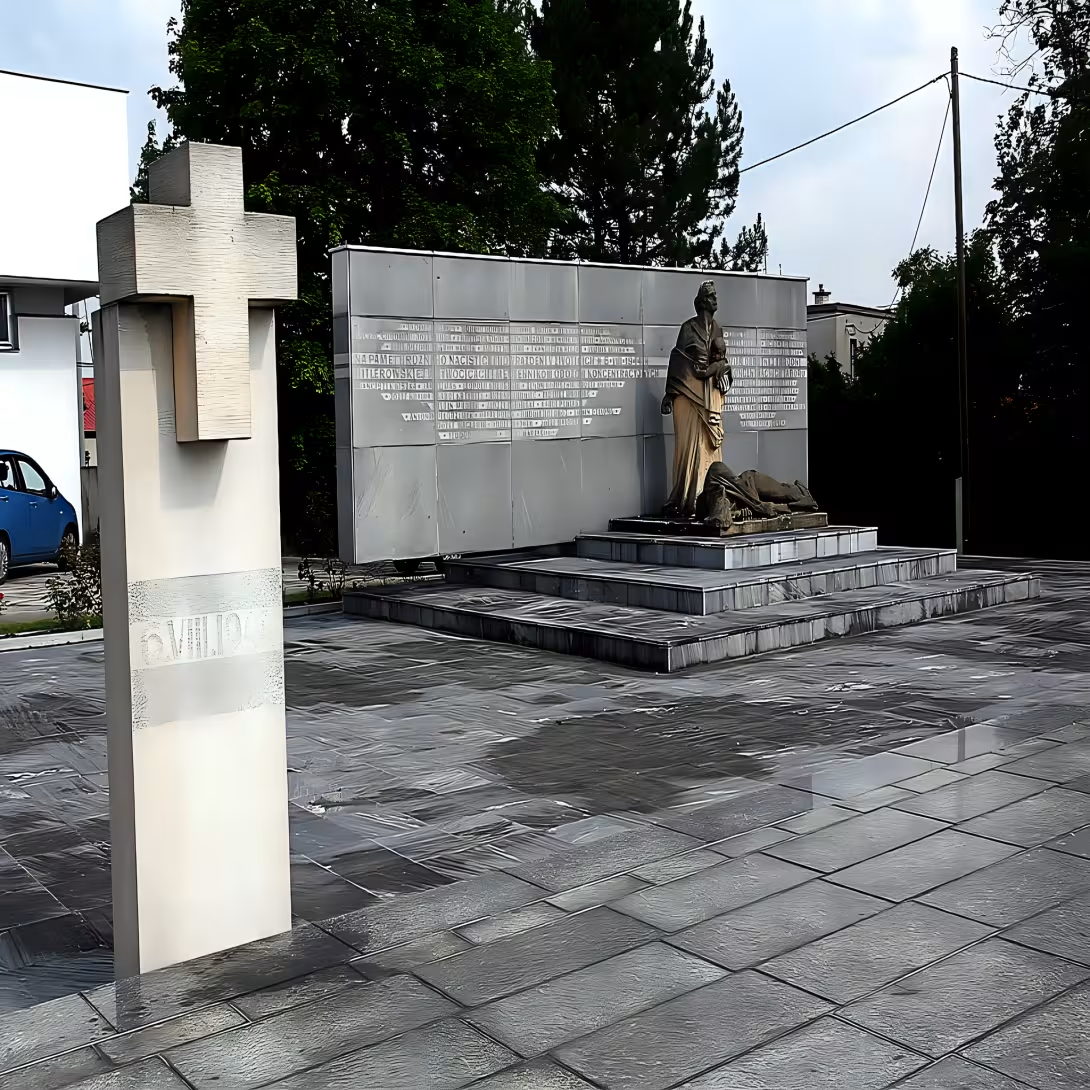
The Životice Tragedy Memorial stands as a poignant reminder of the suffering endured by the inhabitants of Životice during World War II. Located near Havířov in the Moravian-Silesian region, this monument was unveiled on September 25, 1949, marking the fifth anniversary of the local tragedy it commemorates. Created by sculptor Franciszka Świdra, the memorial features a powerful sculpture of a mother holding her child over her deceased husband's body.
This site is significant not only for its historical context but also as a pilgrimage destination and part of a museum complex dedicated to the occupation and resistance in Těšín from 1938 to 1945. The monument was constructed during Czechoslovakia's post-war recovery, focusing on commemorating those who suffered under Nazi occupation. Its unveiling in 1949 coincided with efforts to memorialize resistance and honor victims of wartime atrocities.
Architecturally, the monument is characterized by its poignant artistic form. Franciszka Świdra's original sculpture depicts a two-meter-tall figure of a grieving mother, symbolizing loss and mourning. In 1979, the memorial underwent reconstruction and expansion under architect Bronisława Firly and artist Miroslav Karpala. This renovation included a new museum building to enhance its educational role. The complex now features a permanent exhibition on occupation and resistance, providing deeper insights into this historical period.
Ownership and administration of the memorial have evolved over time. Initially unveiled in 1949, it was designated as a national cultural heritage site on June 1, 1989, reflecting its growing importance within Czechoslovakia's cultural landscape. It had already been recognized as a cultural monument since May 3, 1958.
The unveiling of the memorial in 1949 and its subsequent recognition as a national cultural heritage site highlight its historical significance. These milestones underscore its enduring relevance as both a symbol of remembrance and an educational resource.
Today, the Životice Tragedy Memorial remains accessible to visitors who wish to explore its historical and emotional depth. The surrounding museum complex offers exhibitions on the history of occupation and resistance in Těšín, making it a valuable destination for those interested in World War II history. Its status as a national cultural heritage site ensures its preservation and continued relevance.
The Životice Tragedy Memorial stands as a testament to resilience and remembrance, inviting visitors to reflect on the past while appreciating efforts made to preserve this important historical narrative. It is an essential visit for anyone interested in understanding World War II's impact on local communities.
Then and now
Drag the slider to compare how the landmark may have looked when it was built with the view today.
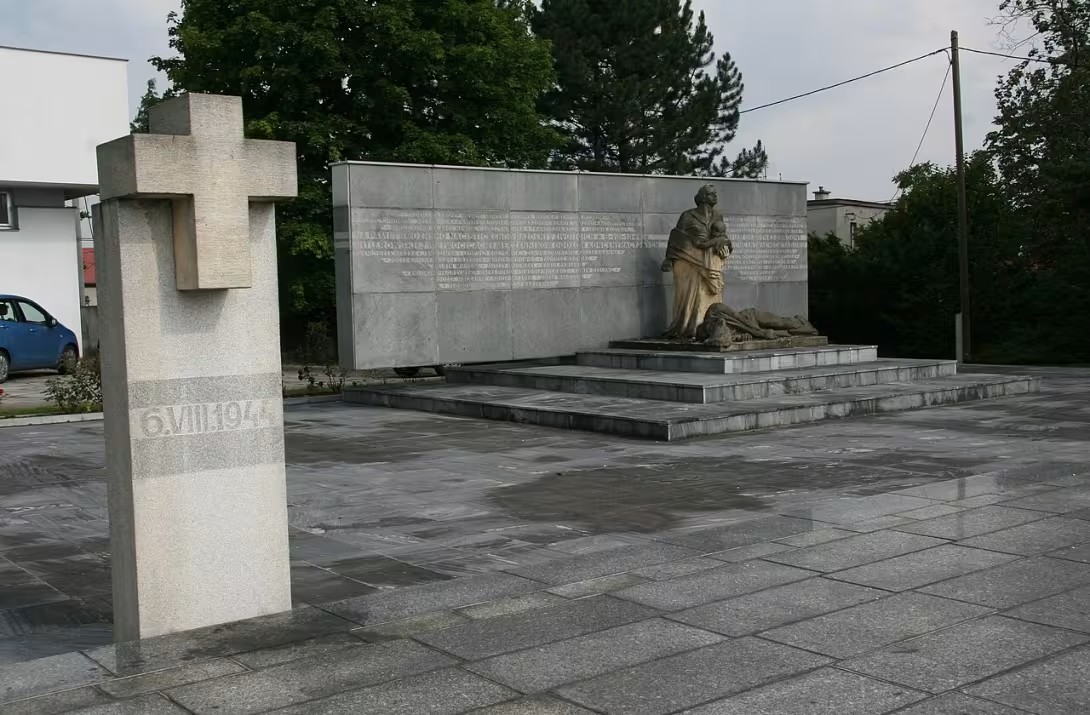

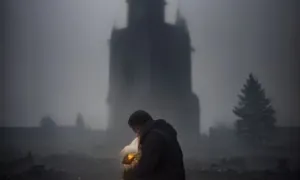
The historical appearance on the left is an AI-generated visualisation and serves as inspiration only.
Historical milestones
- 1938
- Nazi occupation of Těšín begins.
- 1945
- The end of World War II and the Nazi occupation.
- 1949
- A significant event: Unveiling of the Životice Tragedy Memorial.
- 1958
- The memorial is recognized as a cultural monument.
- 1979
- Reconstruction and expansion of the monument with a new museum.
- 1989
- The monument is recognized as a national cultural monument.
Architectural development
Originally constructed in 1949 by sculptor Franciszka Świdra, the memorial underwent reconstruction and expansion. A new museum building was added to the complex, designed by architect Bronisława Firly with contributions from artist Miroslav Karpala. The site now includes a permanent exhibition on occupation and resistance.
Historical events
The monument was unveiled on September 25, 1949, marking the fifth anniversary of the Životice tragedy.
On June 1, 1989, it was designated a national cultural heritage site.
Guide
This guide is narrated by a synthetic voice generated by artificial intelligence.
Show guide text
This text was created by artificial intelligence and has not been editorially reviewed. It may contain inaccuracies.
The Monument of the Životice Tragedy, also called the Monument to the Victims of Nazi Terror, stands in Životice, which is now part of Havířov. It was created by Karviná sculptor Franciszek Świder. It was unveiled on September twenty-fifth, nineteen forty-nine, on the occasion of the fifth anniversary of the Životice tragedy.
The sculpture depicts a two-meter tall figure of a mother holding a child in her arms. The woman is bending over her murdered husband.
During the reconstruction of the monument, a new museum building was created nearby. The entire area was arranged according to the design of architect Bronisław Firla, who collaborated with artist Miroslav Karpala. The building houses a branch of the Těšín Land Museum with a permanent exhibition titled Occupation and Resistance in Těšín from nineteen thirty-eight to nineteen forty-five. It is complemented by thematic exhibitions.
Since May third, nineteen fifty-eight, the monument has been a cultural monument. Since June first, nineteen eighty-nine, it has been a national cultural monument.
Frequently asked questions
Can the monument be visited?
Yes. We verified the opening hours or admission on the official website (10. 10. 2026); you will find them in the visitor information on this page. Please double-check with the operator before you travel.
What are the opening hours and admission?
Details verified on the official website (10. 10. 2026) are listed in the visitor information on this page. Official website: https://www.muzeumct.cz/zivotice/
Where is the monument?
Location: Životice, Moravskoslezský kraj. The map on this page shows the exact spot.
Why is the monument protected?
It is listed in the Central List of Cultural Monuments of the Czech Republic as a national cultural monument (register no. 171).
Businesses nearby
Do you run a restaurant, accommodation, shop, museum, rental, wellness or other visitor service near this monument? Show yourself directly to the people heading to it — this is how they will see you in the app and on the web:
Events nearby
Zdroj akcí: otevřená data měst a obcí ČR (Národní katalog otevřených dat) a kalendář akcí Národního památkového ústavu.
Nearby
The memorial is situated in Životice, near Havířov, and features a museum complex that explores the history of occupation and resistance in Těšín. The surrounding area includes natural landscapes typical of the Moravian-Silesian region.
Accommodation nearby
Themed route
Thematic Tour Itinerary: Životice Memorial and Surroundings
1. Pomník Životické tragédie (Memorial of the Životice Tragedy)
Type: Historical Monument
Why Visit: This poignant memorial honors those who suffered during the occupation in Těšín, offering a deep dive into local history through its museum complex. Visitors can explore exhibits that detail acts of resistance and resilience, providing insight into the region's turbulent past.
2. Museum Complex
Type: Museum
Why Visit: Located adjacent to the memorial, this museum enriches your understanding with detailed narratives and artifacts from the occupation period. It serves as an educational resource for those interested in history and cultural heritage, making it a must-visit for anyone exploring the area.
3. Natural Landscapes of Moravian-Silesian Region
Type: Natural Area
Why Visit: The surrounding landscapes offer serene beauty typical of the region, with rolling hills and lush greenery that provide a peaceful contrast to the historical weight of the memorial. These natural settings are perfect for reflection or leisurely walks, allowing visitors to connect with the area's environment.
This itinerary provides a comprehensive experience combining history, education, and nature, all within close proximity in Životice.
Seasonal recommendations
Spring: Visiting the Životice Tragedy Memorial during spring offers a unique experience as nature begins to awaken around this poignant site. The lush greenery and blooming flowers create an evocative atmosphere that enhances reflection on history amidst natural renewal. Early mornings are ideal for viewing, as the soft light gently illuminates the memorial while avoiding larger crowds. Layers of clothing are recommended due to fluctuating temperatures, with a light jacket suitable for cooler days.
Summer: The summer season brings vibrant colors and longer daylight hours, making it an excellent time to explore the Životice Tragedy Memorial. The warm weather invites visitors to linger and appreciate both the historical significance and the surrounding landscape. However, this is also the peak tourist period, so arriving early in the day can help avoid crowds. Comfortable walking shoes and breathable clothing are advisable, along with sunscreen and a hat to protect against the sun.
Autumn: Autumn at the Životice Tragedy Memorial offers a serene and contemplative atmosphere as the leaves change color, creating a picturesque setting that complements the memorial's somber history. The cooler temperatures make for pleasant visiting conditions, though it’s wise to check weather forecasts for any sudden changes. Layered clothing is recommended to adapt to varying temperatures throughout the day, and carrying an umbrella may be prudent in case of rain.
Winter: Winter transforms the Životice Tragedy Memorial into a quiet and introspective destination, with snow often blanketing the landscape and creating a stark yet beautiful contrast against the historical site. The shorter days mean fewer visitors, allowing for a more intimate experience. However, opening hours may be reduced during this season, so it’s important to verify in advance. Warm clothing, including coats, hats, gloves, and waterproof boots, is essential to ensure comfort while exploring the memorial in colder conditions.
Visualizations and artistic views


The visualisations are generated by artificial intelligence and serve as inspiration.
Photos from the area
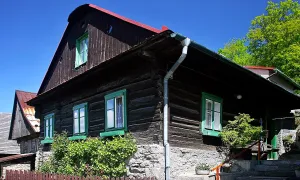
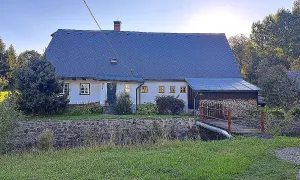
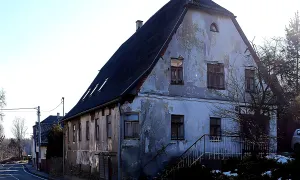
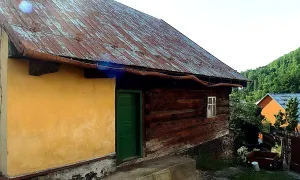
Real photos taken near the monument


Zdroj a licence jsou uvedeny u každého snímku.
View from the area
This animation was generated by artificial intelligence from a real photograph of the surroundings. The motion and details are not real footage of the location.
Tips from visitors
No tips yet. Be the first!
Log in and add your tip.
Sources and literature
Photos: Michal Klajban / CC BY-SA 3.0, rozlišení zvýšeno umělou inteligencí — Wikimedia Commons. The author and licence also appear when you hover over the image.
Location on the map

Příběhy a pověsti
Legendy, pověsti a příběhy spjaté s touto památkou
Fotografie návštěvníků
Zatím žádné fotografie. Buďte první, kdo přidá fotografii z návštěvy!
Log in a přidejte svou fotografii nebo hodnoťte.
Za ověřenou návštěvu v aplikaci získáte víc bodů — poznáme podle GPS, že jste na místě.
Reviews and comments