



Římská vojenská pevnost u Mušova Fortress
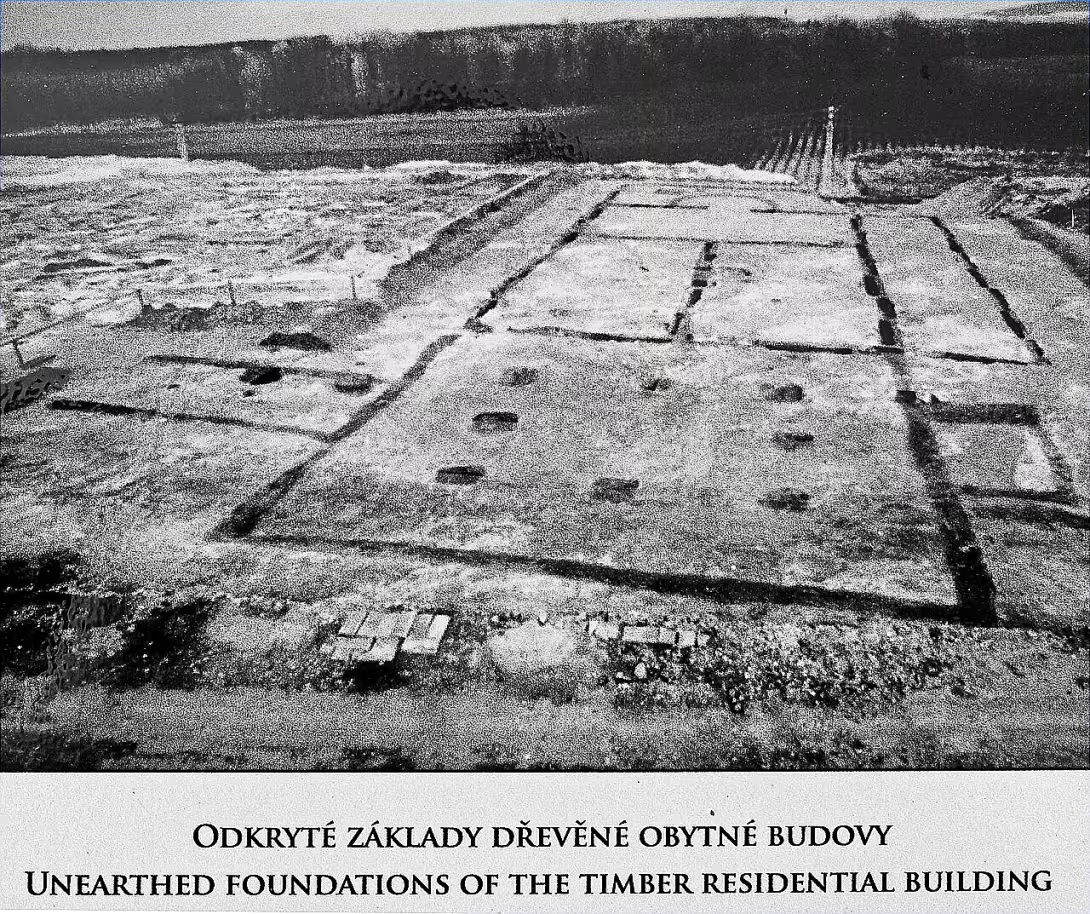
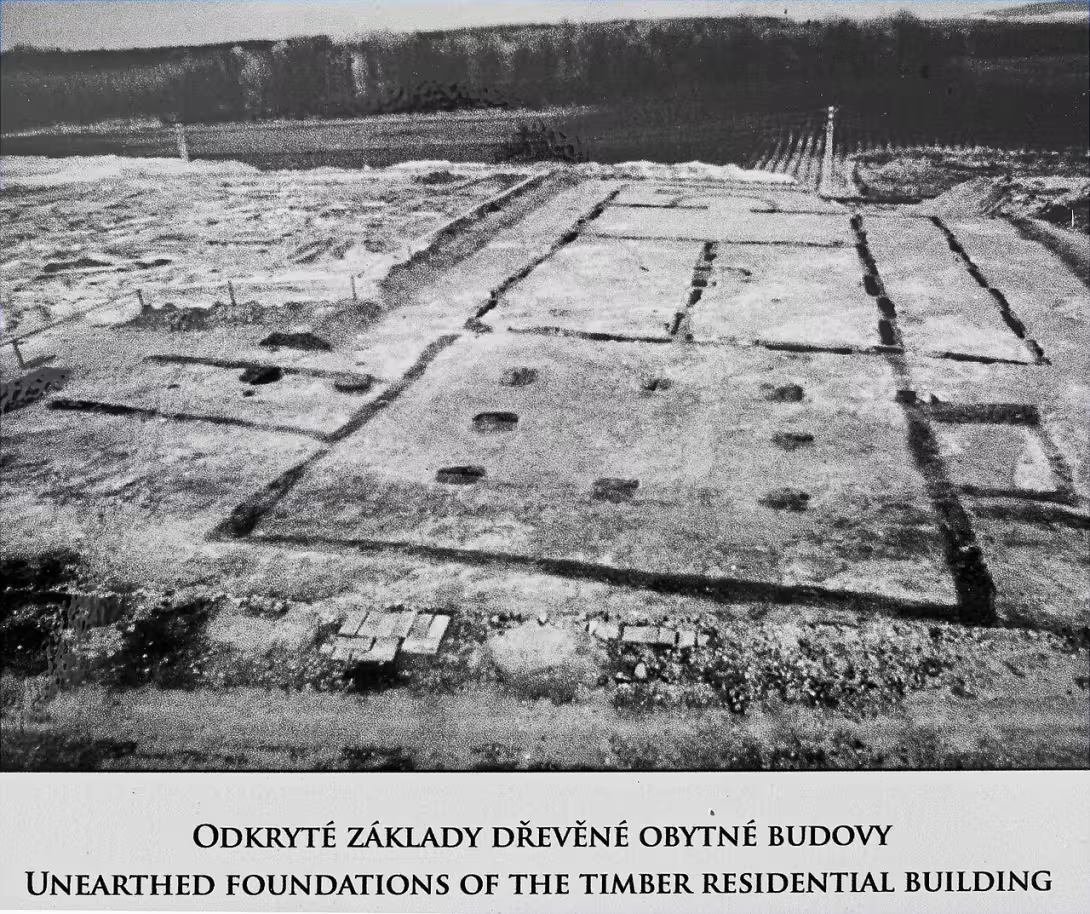
Římská vojenská pevnost u Mušova is an archaeological location located on the hill Hradisko in Olbramovická hill. The rest of the fortress is located today in the Pasohlávky village register in the Brno-venkov district, on a strategically located hill above the Mushovska water tank of Nová Mlýna in Dyja. The archaeological traces of the fortress are protected as a cultural monument.
The Roman residence is known for a long time - local farmers traditionally found Roman objects during field work. It is assumed that the Romans had already used the site in the campaign of Tiberius against Marostavi in 6 AD. The main development of the fortress falls in the second half of the 2nd century, during the reign of Emperor Mark Aurelius. During this period, Roman troops were penetrating far beyond the northern bank of the Danube in Moravia and Slovakia. In 172, troops embarked on a military campaign against the Germanic Marcomans led by Ballomar, known as the Marcomanical Wars (approximately 166-180). The numerous findings of the camps confirm the Roman presence - from Evíček in the north to other camps in Nedědín and Modřice. However, the largest concentration was in the vicinity of Hrastí, where about twenty thousand soldiers wintered and up to one hundred thousand men during summer campaigns.
Systematic archaeological research began only in the 1920s. In 1925, the owner of the land Josef Lieber started digging, who in three days discovered the first Roman bricks. The State Archaeological Institute then began its probationary work in 1926 and systematic research in 1927 and 1928 under the leadership of the experienced Anton Gnirso with the support of President T. G. Masaryk. Gnirs uncovered an area of approximately 100 × 100 meters and found the remains of two buildings. Once there was a rectangular residential building with four rooms. The second construction was a luxury spa with half-circle closure (balneum), equipped with underfloor heating (hypokaustum), water supply and decorated with coloured plaster. Bricks with Legionnaire boots and the inscription LEGXGPF suggest that the buildings were built by the tenth legion, called Legio Decima Gemina Pia Fidelis (dual, loyal, loyal).
In 2020, the visitors' centre "Gate to the Roman Empire" was opened near the fortress. The memory of Mark Aurelius's military campaign also serves a column on Piazza Colonna in Rome, covered with reliefs showing individual episodes of war against Marcomans.
Then and now
Drag the slider to compare how the landmark may have looked when it was built with the view today.

The historical appearance on the left is an AI-generated visualisation and serves as inspiration only.
Historical milestones
- 20
- Opening of the visitor center "Gate to the Roman Empire" with exposure.
Architectural development
The fortress was built as a strategic military centre with rectangular building and spa. Construction material, including bricks, came from the Vinodon tenth Legion.
Historical events
- 6 n.l.
- The first use of the Roman place in the Tiberius campaign against Marostavi.
- 166-180
- Marcomaniac wars, during which Roman troops were in place under the command of Mark Aurelius.
Points of interest
- Římská vojenská pevnost u Mušova is an archaeological location situated on the hill Hradisko in Olbramovická hill. - The rest of the fortress is located in the Pasohlávky village, above the Mushovska water tank Nová Mlýna in Dyja and are protected as a cultural monument. - It is believed that the Romans used the site already in the campaign of Tiberius against Marostavi in 6 AD, and the main development of the fortress falls in the second half of the 2nd century, during the reign of Emperor Mark Aurelius. - Between 1927 and 1928, under the leadership of Anton Gnirso, two buildings were discovered: residential buildings with four rooms and luxury baths with half-circle closure (balneum). - In 2020, the visitors' centre "Gate to the Roman Empire" was opened near the fort.
Guide
This guide is narrated by a synthetic voice generated by artificial intelligence.
Show guide text
This text was created by artificial intelligence and has not been editorially reviewed. It may contain inaccuracies.
Welcome to the Roman military fortress at Musov! You are standing in front of a historical landmark that goes back to the 2nd century AD. Take a look up and notice this massive structure, which is on top of the hill Hradisko in Olbramovická hill.
Let's move back in time and welcome to the Roman Empire. In the year 200 AD, the first excavations began to reveal the military stronghold of the Roman Empire. Who was responsible for her construction? We don't. Why was it built? We don't. But we know she was an important part of the Roman army at the time.
Notice the architecture of this fortress. Its structure is typical of Roman military construction at the time. Look at these massive walls and turrets that are now just remains of the past.
Who were the people who built this fort? We don't. But we know she was important to the Roman army at the time. And what is interesting is one of the most important archaeological findings in the Czech Republic.
Now pay attention to the specific details that you see before you today. Notice these stone walls and wooden towers, which are now merely remains of the past. And what's interesting is that some of these details are still well preserved.
Although we don't know the specific stories of the people who built this fortress, we know it was important for the Roman army at the time. And what's interesting is that her history is still developing and new findings are emerging.
What's interesting? That this place is full of mysteries and secrets. What happened to the people who built this fort? How long has she been here? And what happened when the Roman army left?
And now that you've explored this historical monument, I would invite you to further explore. It's not just about seeing old stone walls and wooden towers. It's that you can participate in historical research and discover new findings.
Let us thank you for your attention, and we hope that you will come back again and explore further leaks of the past.
Tips for visitors
The best time to visit the Roman military fort near Musova is in the summer months when the days are long and sunny. This allows you to fully immerse yourself in history and explore archaeological clues with the best visibility.
For those travelling by public transport, the place is also available from other cities of the South Moravian Region. We recommend checking the current connection before visiting.
When planning a visit, bring a protective umbrella, a guide and suitable shoes to walk on the hill. In addition, it is good to wear a map or use GPS navigation to navigate the location.
Photography offers wonderful views from the top of the hill Hradisko, especially in the early morning or evening when light is softer. These moments are ideal for capturing the atmosphere and historical footprints.
The village Pasohlávky is located around the fortress, which offers the opportunity to explore local culture and traditions. For families with children this place is suitable for short walks and learning about the history of the region.
Frequently asked questions
Can the monument be visited?
This is a ruin. Such sites are often freely accessible, but some can only be visited with a guide or are closed for safety reasons. We have not verified the current situation – take care and respect any restrictions.
Where is the monument?
Location: Pasohlávky, Jihomoravský kraj. The map on this page shows the exact spot.
Why is the monument protected?
It is listed in the Central List of Cultural Monuments of the Czech Republic as a cultural monument (register no. 15909/7-1582).
For kids
Imagine going back to the past, to a time when Rome was a mighty empire and its armies occupied Europe. You mean, what would you do if you went back to that time? Would you live in Rome, or would you go far away?
This is the history of the Roman military stronghold at Musov. It is located on the hill Hradisko in Olbramovická hill and was first discovered by archaeologists in the 20th century. At that time, there was a Roman legionnaire who built the fort as a base for his army.
Businesses nearby
Do you run a restaurant, accommodation, shop, museum, rental, wellness or other visitor service near this monument? Show yourself directly to the people heading to it — this is how they will see you in the app and on the web:
Nearby
The surfing area features a picturesque landscape with rolling hills and the Mushovska tank water reservoir.
Accommodation nearby
Themed route
Thematic cruise route: Římská vojenská pevnost u Mušova
1. Římská vojenská pevnost u Mušova (archaeological site) - Type: Archaeological site - Why it is worth a visit: This monument is one of the best preserved Roman military forts in Bohemia and Moravia. Visitors have the opportunity to explore the historical life of Roman legions whose presence here left traces already in the 2nd century AD.
2. Church of St. Gilji (Pasohlávky) - Type: Church - Why is it worth visiting: This church is one of the oldest sacral objects in the Pasohlavek area. Its history dates back to the 13th century, making it an important cultural and architectural landmark for visitors.
3. Chapel at St. Gilji's Church - Type: Chapel - Why it is worth a visit: The chapel is a small but significant spiritual and historical point near the church. It is a place of peace and shelter for locals and passengers who can relax here and thank you for a safe trip.
4. Naves at the Church of St. Gilji - Type: Naves - Why is it worth a visit: These places are ideal for short rest during the trip. The village offers an opportunity to relax and enjoy the quiet surrounding environment while you continue to discover the history and culture of the village Pasohlávky.
5. Cemetery in Pasohlavky - Type: Cemetery - Why is it worth a visit: A visit to the cemetery offers a view of the local history and memorable personalities that rest here. It is a place of respect for the ancestors and another opportunity to explore the cultural heritage of the village.
This route will guide you around the historical sites of the village Pasohlávky, offer a view of their rich past and allow you to enjoy a quiet and fun day.
Seasonal recommendations
Spring: In the spring season, the archaeological site Římská vojenská pevnost u Mušova is surrounded by flowering fields and trees that are beginning to green. The sun illuminates the surface in fine lights, which contributes to a lively atmosphere full of hope and renewal. Given the increase in tourist activities, it is advisable to keep in mind that there may be more visitors, especially on Saturday and the evening before the holidays.
Summer: In the summer season, the archaeological site becomes a popular place to visit thanks to the long hours today and the warm sun that illuminates historical remains in the most beautiful colors. The atmosphere is full of vitality, but can also be challenging due to higher temperature and possible sun. It is advisable to visit the memory in the early morning or late afternoon to avoid heat and crowds. Don't forget to wear protective eye glasses and plenty of drinking while warm clothes are suitable for morning or evening visits.
Autumn: In autumn the archaeological site offers a unique atmosphere with coloured leaves and mild temperatures. The sun illuminates the surface in a golden and red light, creating ideal conditions for photography and a peaceful walk on historical remains. Due to the decreasing number of tourists, this time may be ideal for those looking for a quieter experience.
Winter: Winter visit to the archaeological site offers a calm and quiet atmosphere with mild temperatures, which can be ideal for those who want to enjoy a history without crowds. The sun illuminates the surface in fine light and adds a magical feeling to the winter morning or evening. It is important to remember warm clothes and suitable shoes for cold winter, especially if you plan to walk around historical remains.
Visualizations and artistic views


The visualisations are generated by artificial intelligence and serve as inspiration.
Photos from the area
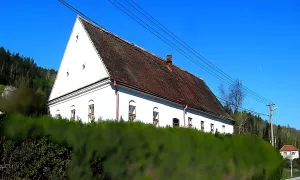
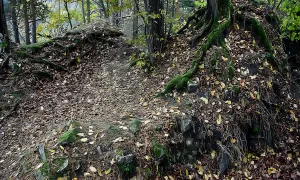
Real photos taken near the monument


Zdroj a licence jsou uvedeny u každého snímku.
Tips from visitors
No tips yet. Be the first!
Log in and add your tip.
Sources and literature
Photos: Jan Sapák / CC BY-SA 3.0 — Wikimedia Commons. The author and licence also appear when you hover over the image.
Faktickým podkladem tohoto textu byl článek na Wikipedii, jehož autory jsou přispěvatelé Wikipedie. Článek je dostupný pod licencí CC BY-SA 4.0.
Location on the map


Příběhy a pověsti
Legendy, pověsti a příběhy spjaté s touto památkou
Fotografie návštěvníků
Zatím žádné fotografie. Buďte první, kdo přidá fotografii z návštěvy!
Log in a přidejte svou fotografii nebo hodnoťte.
Za ověřenou návštěvu v aplikaci získáte víc bodů — poznáme podle GPS, že jste na místě.
Reviews and comments