



Ropice Castle
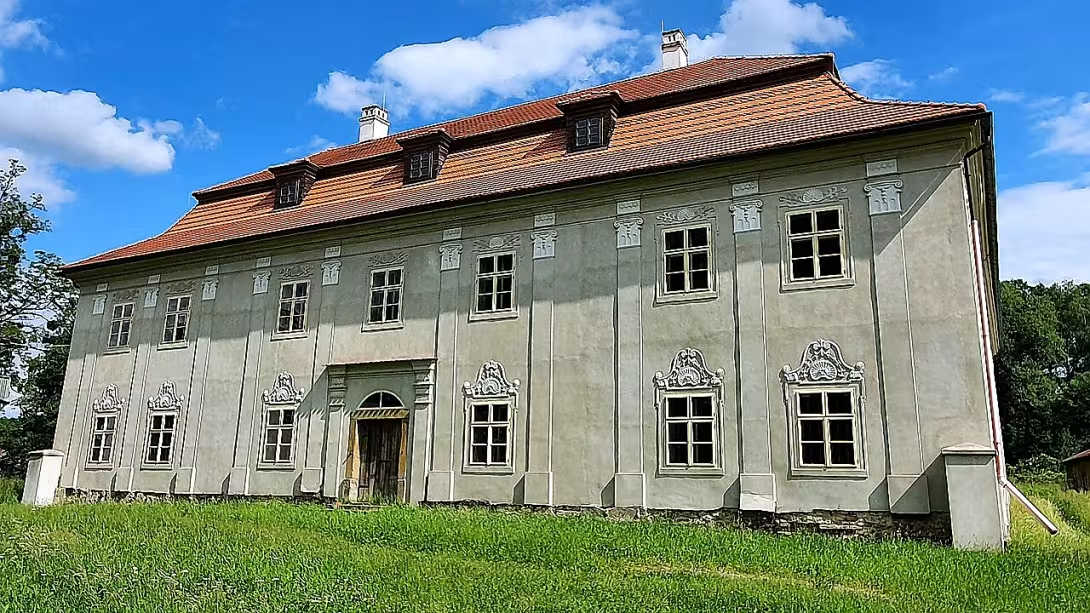
Ropice Castle is a Baroque structure located in Ropice village within the Frýdek-Místek District, Moravian-Silesian Region of the Czech Republic. Built around 1700 on an earlier Renaissance fortress site, it has experienced various ownership changes and architectural modifications over time. Declared a cultural monument in 1958, it is notable for its historical significance and recent restoration efforts following significant flood damage.
The origins of Ropice Castle trace back to the early 18th century when it was constructed as a Baroque edifice on an earlier Renaissance fortress site. This period marked significant political and cultural changes in Europe, with the Baroque style reflecting the grandeur through dramatic art and architecture. The castle's construction aligns with broader European influences blending into local Bohemian traditions during this era.
Architecturally, Ropice Castle was initially built as a Baroque structure around 1700. In the early 19th century, it underwent renovations to adopt a Classical style under Karel Bedřich svobodný pán Celesta z Celestinu, which included establishing a park. Over time, however, the castle faced significant deterioration due to neglect and vandalism.
The ownership of Ropice Castle has seen several dramatic changes throughout its history. Initially owned by the Sobkové z Kornic family in the 15th century, it passed through various hands including Václav Sobek Kornic a na Ropice, Rudolf Sobek z Kornic a na Ropici, and Filip Kasper VII. baron von Saint-Genois. In 1785, the castle was sold to Gabriele sv. paní Celestové rozené Skrbenské z Hříště, who initiated Neoclassical renovations in 1810. Subsequent owners included Emanuel baron Spens-Boden and Heřman Küenburg-Spens until it became state property post-World War II.
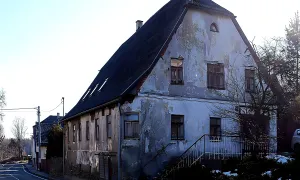
Key events in the castle's history include its declaration as a cultural monument in 1958. However, by the late 20th century, the structure had fallen into disrepair, housing domestic animals like chickens and pigeons during its decline. A significant event occurred on June 22, 2009, when severe flooding caused the central part of the castle to collapse. Despite these challenges, restoration efforts began after its purchase at an auction in 2011.
Today, Ropice Castle is privately owned and has been gradually reconstructed since 2011. Although it was once used as a school until the 1970s, it now stands as a testament to historical resilience and architectural evolution. Visitors are drawn to its rich history and ongoing restoration efforts, making it a worthwhile destination for those interested in exploring the cultural heritage of the Moravian-Silesian Region.
Ropice Castle offers more than just a glimpse into the past; it represents a journey through time, showcasing the blend of Baroque and Classical architectural styles. Its story is one of transformation and perseverance, inviting visitors to appreciate its historical significance and witness the ongoing efforts to preserve this cultural monument for future generations.
Then and now
Drag the slider to compare how the landmark may have looked when it was built with the view today.
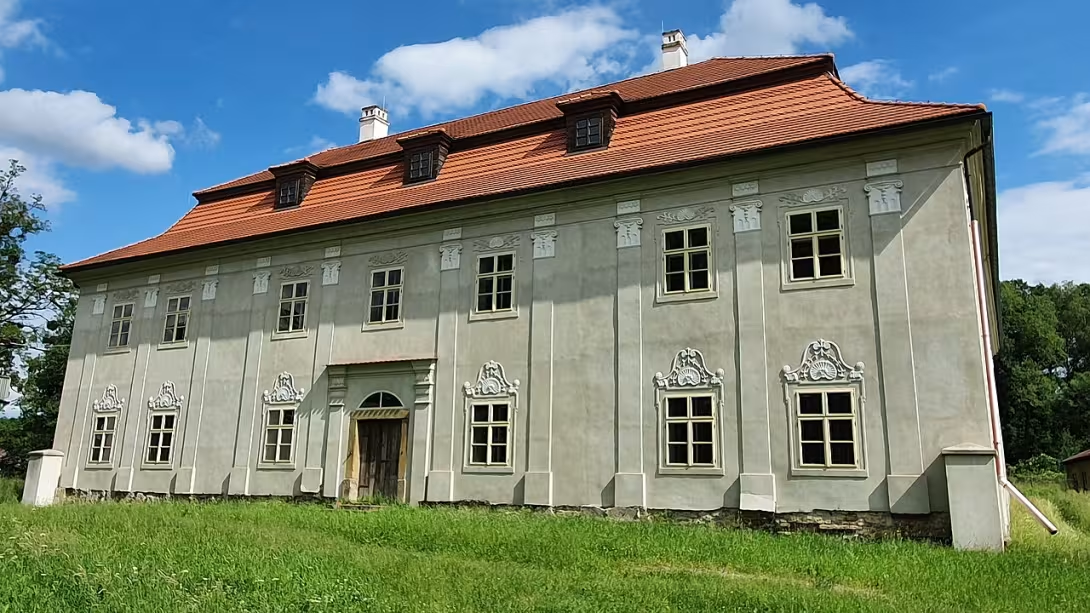
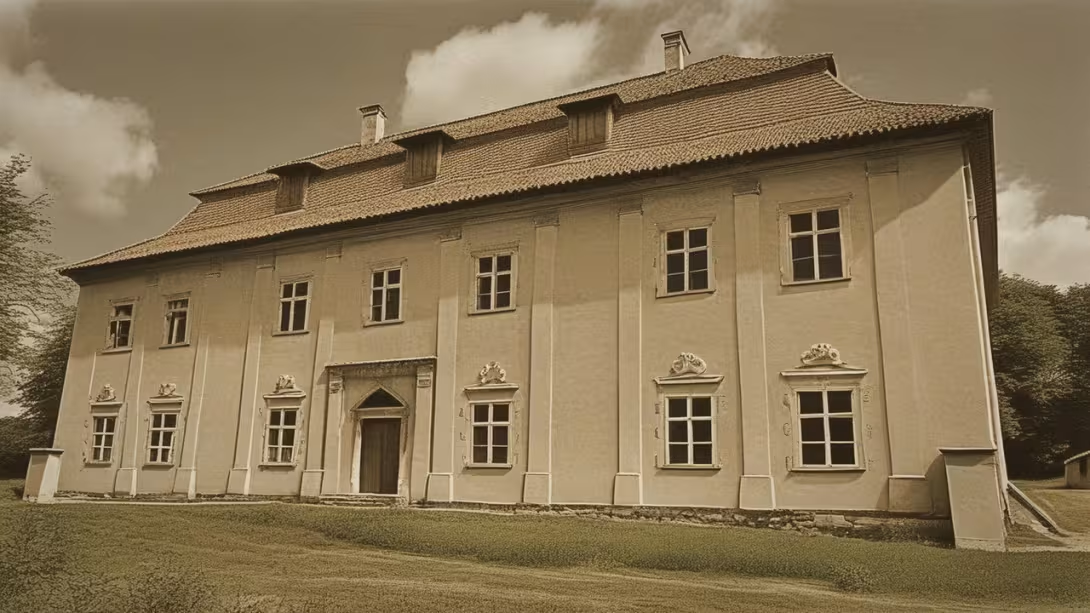
The historical appearance on the left is an AI-generated visualisation and serves as inspiration only.
Historical milestones
- 1700
- Ropice Castle constructed as a Baroque structure.
- 1785
- Castle sold to Gabriele sv. paní Celestové rozené Skrbenské z Hříště.
- 1810
- Neoclassical renovations initiated by new owner.
- 1958
- Declared a cultural monument.
- 2009
- Severe flooding caused central part collapse.
- 2011
- Restoration efforts began after auction purchase.
Architectural development
The castle was originally built around 1700 as a Baroque structure on the site of an earlier Renaissance fortress. In the early 19th century, it underwent renovations to adopt a Classical style under Karel Bedřich svobodný pán Celesta z Celestinu, including the establishment of a park. The castle has faced significant deterioration due to neglect and vandalism over time.
Historical events
Declared a cultural monument in 1958.
Severely damaged by flooding on June 22, 2009.
Owners
Sobkové z Kornic (15th-16th century)
Václav Sobek Kornic a na Ropice (1523)
Rudolf Sobek z Kornic a na Ropici (†1693)
Maxmilián Prohel z Bravantic
Filip Kasper VII. baron von Saint-Genois (1667–1724)
Anna Marie Gurecká z Kornic a na Chotěbuzi, Hradišti a Lhotě (1726)
Jiří Kašpar baron Saint-Genois (1726–1774)
Karel baron pán Saint-Genois
Gabriele sv. paní Celestové rozené Skrbenské z Hříště (1785)
Karel Bedřich svobodný pán Celesta z Celestinu (1810s)
Emanuel baron Spens-Boden
Heřman Küenburg-Spens (1926–1945)
Points of interest
- Ropice Castle's transition from a Renaissance fortress to a Baroque structure reflects the broader European architectural evolution during the early 18th century, showcasing the shift in artistic and cultural influences of that era.
- The castle underwent a unique blend of renovations under Karel Bedřich svobodný pán Celesta z Celestinu in the early 19th century, where it was transformed to adopt Classical style elements while also incorporating a park, illustrating an innovative fusion of architectural styles and landscaping.
- Despite its declaration as a cultural monument in 1958, Ropice Castle experienced significant neglect, leading to a period when domestic animals like chickens and pigeons inhabited the structure, highlighting the challenges faced by historical sites left without proper care.
- The castle's dramatic history includes ownership by various notable families such as the Sobkové z Kornic and later Gabriele sv. paní Celestové rozené Skrbenské z Hříště, who initiated Neoclassical renovations in 1810, reflecting its status as a site of both cultural and aristocratic significance.
- A significant event in the castle's history was the severe flooding on June 22, 2009, which led to the collapse of the central part of Ropice Castle, marking a turning point that spurred restoration efforts after its purchase at auction in 2011.
Guide
This guide is narrated by a synthetic voice generated by artificial intelligence.
Show guide text
This text was created by artificial intelligence and has not been editorially reviewed. It may contain inaccuracies.
Ropice is a Baroque castle in the municipality of the same name in the Frýdek-Místek district. It was built around 1700 on the site of an older Renaissance fortress. Its story shows how close a monument can come to complete destruction.
The village is first mentioned in 1305. The fortress was built here in the fifteenth century by the Sobek family from Kornice, who later also took the name from Ropice. The last of them was Rudolf Sobek from Kornice and Ropice, who died in 1693. Around 1700, the estate was acquired by Filip Kasper Baron von Saint-Genois, and a Baroque castle rose on the site of the fortress. His family held Ropice for roughly three quarters of a century. In 1810, the then owner Karl Friedrich, the free baron Celesta of Celestino, had the castle rebuilt in classical style and established a park next to it. From 1862, the estate belonged to the barons Spens-Boden and their relatives the Küenburgs, who held it until 1945.
After the war, a Czech-Polish kindergarten operated in the castle until 1961. Then it was taken over by the state farm Hnojník, which set up apartments for employees in it. Maintenance was lacking, so the castle fell into disrepair, and in 1972 people completely abandoned it. Hens and pigeons were kept on the first floor. Thieves removed tile stoves, Baroque grilles and railings, and even stone paving, and they even hacked out a stone rusticated portal. And yet, since 1958 the castle had been a cultural monument.
After 1989, the castle was acquired by two restitution claimants as compensation restitution, but they had no interest in renovation. In 2006, it was bought by a development company that planned a luxury hotel, apartments, and dozens of villas there. None of this materialized. During the flood on June 22, 2009, the middle section of the building collapsed, and the municipality considered asking for the castle to be struck from the monument list so it could be demolished.
The turning point came on December 30, 2010. The castle was then purchased at a foreclosure auction by two companies from the Ostrava region. One of the co-owners became businessman Pavel Šmíra, who had previously participated in the rescue of numerous monuments. From April 2011, reconstruction took place in cooperation with the National Heritage Institute. Workers removed the collapsed roof and provisionally covered the building. While clearing debris in the basement, they found a well. By June 2012, they had repaired the façade, and later also the roof of the neighboring granary and the vaults on the ground floor. In the summer of 2023, the castle was offered for sale.
Tips for visitors
The best time to visit Ropice Castle is during the late spring or early autumn months, specifically from May to September. During this period, the weather is generally pleasant, which enhances your experience of exploring both the castle and its surrounding picturesque landscapes. The gardens are in full bloom during these months, offering stunning views that complement the Baroque architecture of the castle.
It's advisable to check current schedules and routes through a transportation search tool before your visit.
When visiting Ropice Castle, it is recommended to bring comfortable walking shoes as there are several areas within the castle grounds that may require some walking. Additionally, consider bringing a camera or smartphone for photography, along with sun protection such as hats and sunscreen during sunny days. A light jacket might also be useful in case of cooler weather.
For photography enthusiasts, Ropice Castle offers several picturesque spots. The best lighting is typically found during the golden hours—shortly after sunrise or before sunset—when the soft light accentuates the castle's Baroque features and surrounding landscapes. The gardens provide a beautiful backdrop for capturing the architectural details of the castle.
Within 30 minutes from Ropice Castle, visitors can explore other historical sites in the Moravian-Silesian Region. One notable nearby attraction is the Church of St. John Nepomuk in Frýdek-Místek, which showcases stunning Baroque architecture. Additionally, the natural beauty of the surrounding area offers opportunities for hiking and enjoying scenic views.
Frequently asked questions
Can the monument be visited?
Some buildings of this kind are open for guided tours, others serve another purpose or are privately owned. We have not verified whether and when this monument is open – please ask the operator. According to the heritage register restoration is under way, so access may be restricted.
What are the opening hours and admission?
We have not verified the opening hours or admission. Current information is published by the operator.
Where is the monument?
Location: č.p. 1, Ropice, Moravskoslezský kraj. The map on this page shows the exact spot.
Why is the monument protected?
It is listed in the Central List of Cultural Monuments of the Czech Republic as a cultural monument (register no. 38983/8-699).
Businesses nearby
Do you run a restaurant, accommodation, shop, museum, rental, wellness or other visitor service near this monument? Show yourself directly to the people heading to it — this is how they will see you in the app and on the web:
Nearby
The Ropice Castle is situated within a picturesque landscape that includes natural features and other historical sites in the Moravian-Silesian Region. The surrounding area offers scenic views and opportunities for exploring local heritage.
Accommodation nearby
Themed route
Thematic Walking Tour: Ropice Castle and Its Surroundings
1. Ropice Castle
Type: Historical Site
Why Visit: Begin your journey at the heart of this tour, the Ropice Castle, a stunning example of Renaissance architecture nestled in the picturesque landscape of Moravia-Silesia. The castle offers visitors a glimpse into its rich history through well-preserved interiors and beautiful gardens that reflect its past grandeur.
2. Castle Gardens
Type: Historical Garden
Why Visit: Just outside the main entrance, explore the meticulously maintained Castle Gardens, which provide serene views of the surrounding countryside. These gardens are a testament to historical landscaping techniques and offer a peaceful retreat where you can enjoy nature's beauty alongside architectural splendor.
3. Local Heritage Walk
Type: Cultural Route
Why Visit: Embark on a short walk around the castle grounds, following paths that highlight local heritage sites within the vicinity of Ropice. This route allows visitors to appreciate the cultural and historical context of the area, connecting them with stories from the past as they stroll through scenic landscapes.
4. Ropice Village
Type: Historic Settlement
Why Visit: Conclude your tour by exploring the charming village of Ropice, located a short distance from the castle. The village offers insights into traditional Moravian-Silesian life, with its quaint architecture and local crafts that continue to thrive in this historic setting.
This thematic walking tour provides an immersive experience into the history and culture surrounding Ropice Castle, allowing visitors to appreciate both the architectural marvels and the natural beauty of the area.
Seasonal recommendations
Jaro: During the spring season, Ropice Castle is surrounded by blooming flowers and trees that create a lively and colorful atmosphere. Sunlight illuminates its ancient architecture, adding romance to its historical features. Visit the castle in the early afternoon to avoid the midday heat and relaxed crowds that can be present during peak tourism season. It's advisable to bring light clothing for the morning chill and an umbrella or sunhat for the afternoon sun.
Léto: In summer, Ropice Castle is full of life as warm weather attracts many visitors. Sunny days are ideal for strolls through the park and enjoying the castle's outdoor spaces. Due to the high number of tourists, it's recommended to arrive early in the morning or later in the evening to enjoy a peaceful tour without long lines. Wear light clothing and sun protection cream, and don't forget a refreshing drink or picnic on the outdoor terraces.
Podzim: In autumn, Ropice Castle offers a unique atmosphere with colorful foliage that provides beautiful backdrops for photographs. Sunny days can be warm and ideal for walks, but afternoon coolness may require an additional layer of clothing. Visit the castle in the early afternoon or evening to avoid the warmer hours and enjoy a tranquil tour.
Zima: A winter visit to Ropice Castle offers a completely different, mildly magical atmosphere. Beautiful snow covering the castle terraces and parks creates an idyllic view perfect for photography. Wear warm clothing and protective boots for snowy surfaces, and if planning a visit during the Advent season, prepare for the ambiance of light decorations.
Visualizations and artistic views


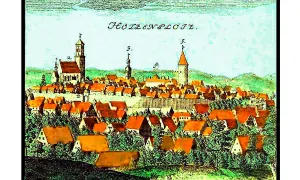
The visualisations are generated by artificial intelligence and serve as inspiration.
Photos from the area
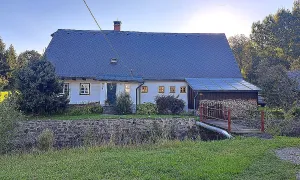
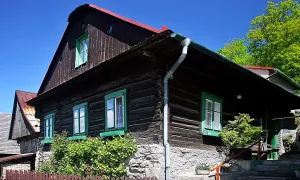
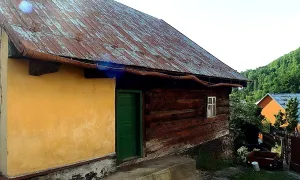
Real photos taken near the monument


Zdroj a licence jsou uvedeny u každého snímku.
Tips from visitors
No tips yet. Be the first!
Log in and add your tip.
Sources and literature
Photos: Qasinka / CC0 — Wikimedia Commons. The author and licence also appear when you hover over the image.
Faktickým podkladem tohoto textu byl článek na Wikipedii, jehož autory jsou přispěvatelé Wikipedie. Článek je dostupný pod licencí CC BY-SA 4.0.
Location on the map
Příběhy a pověsti
Legendy, pověsti a příběhy spjaté s touto památkou
Fotografie návštěvníků
Zatím žádné fotografie. Buďte první, kdo přidá fotografii z návštěvy!
Log in a přidejte svou fotografii nebo hodnoťte.
Za ověřenou návštěvu v aplikaci získáte víc bodů — poznáme podle GPS, že jste na místě.
Reviews and comments