



Textilní továrna Grohmann a spol. Textile factory
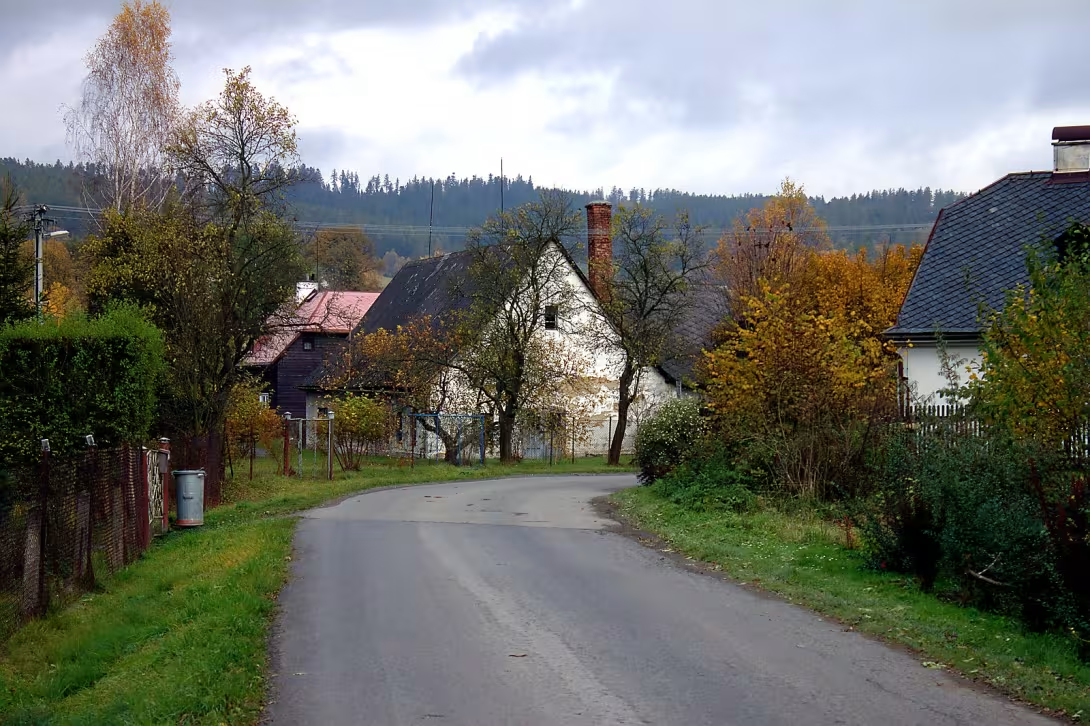
Textilní továrna Grohmann a spol., located on the cadastral area of Markvartice near Široké Niva in the municipality of Široká Niva, is a cultural monument of the Czech Republic. This former flax and cotton yarn factory was declared a cultural monument on 10 January 2003. Its history dates back to the mid-19th century when Karel Grohmann founded a wire and chain factory in Vrbno in 1867 with a branch in Markvartice. Later, the object was converted into yarn production, reflecting industrial changes at the time.
The establishment of the factory is closely linked to the industrial development of the 19th century, when the process of modernization and mechanisation of the textile industry took place in Europe and Bohemia. Karel Grohmann rebuilt the original mill into a wire and chain mill, which was typical of the time when new industrial objects appeared in the Czech Republic. In 1898 the iron production was moved from Markvartic to Bohumín and in 1900 Emil Grohmann purchased the building and converted it into yarn production, reflecting changes in production and technology.
Architecturally, the factory is characterised by its functional structure. Its construction is walled with single and two-storey parts, covered with saddle roofs. The main building has a risalite with the main entrance and on the sides two single-storey wings for auxiliary operations and warehouses. The interior is equipped with iron concrete on the ground floor and cast iron columns on the floor, which reflected technological advances at that time. The facade is plastered with a ledge and lizenas, which split the windows with a common segment enchantment.
The factory's ownership has undergone several changes. After nationalization in 1948 it was converted into a cotton rock and since 1951 it belonged to Olomoucký wholesale. The electricity plant, which originally supplied the Opava River with three turbines, worked until 1964. Later it was reconstructed into a small hydroelectric power plant with new momentum and performance.
The key events include the transfer of iron production from Markvartic to Bohumín in 1898, the demise of the original hydropower plant in 1964 and the reconstruction of the new small hydropower plant in 2017. These events reflected the technological and economic development of the factory.
Today, the Grohmann textile factory and the company is a monument that testifies to the industrial past of the region. Its history and architecture attract people interested in industrial history and cultural monuments. Visiting this building offers a view of technological progress and changes in the textile industry, making it an interesting destination for tourists and historians.
Textilní továrna Grohmann a spol. is a reminder of the industrial heritage behind discovery. Its history and architecture offer a rich source of knowledge about the past of the region and how technology developed over the years. Visiting this object is not only a way into history, but also an opportunity to appreciate the cultural values we have retained.
Then and now
Drag the slider to compare how the landmark may have looked when it was built with the view today.
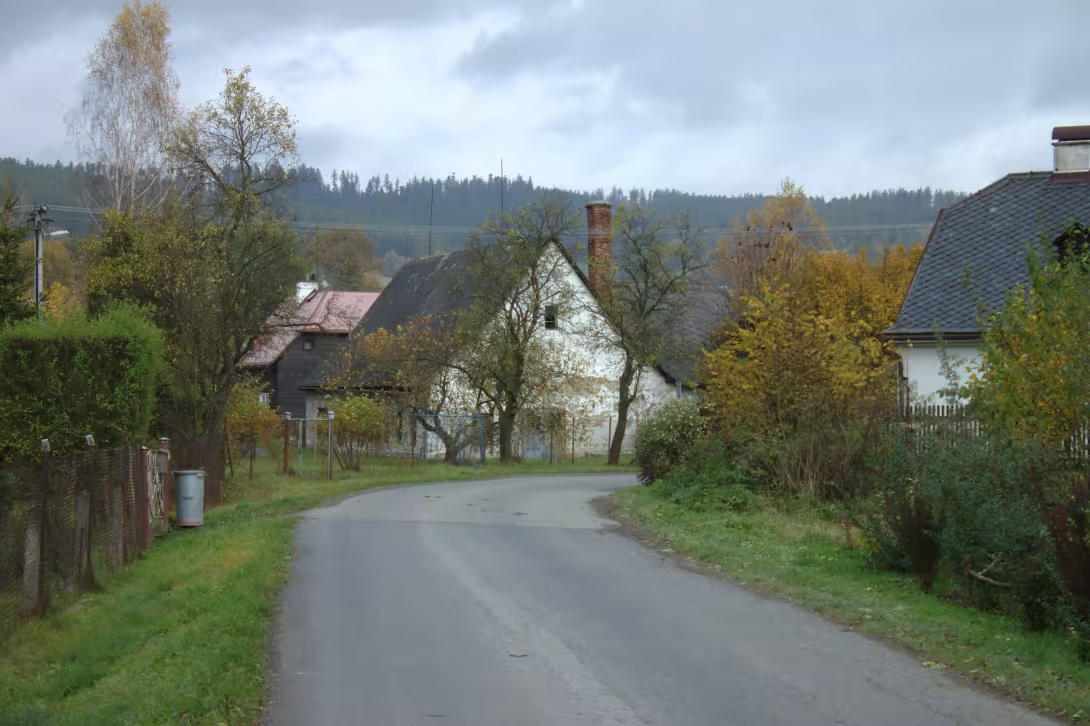
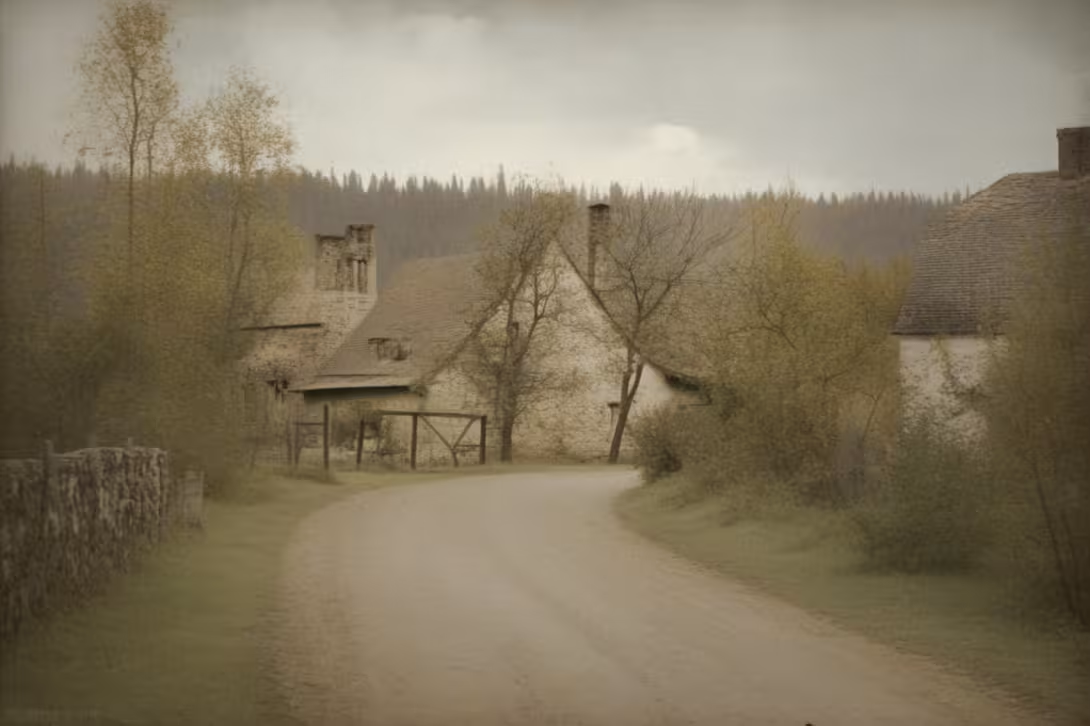
The historical appearance on the left is an AI-generated visualisation and serves as inspiration only.
Historical milestones
- 1867
- The establishment of a wire and chain factory by Karem Grohmann in Vrbno with a branch in Markvartice.
- 1898
- The transfer of iron production from Markvartic to Bohumín.
- 1900
- Emil Grohmann rebuilt the yarn production object, reflecting changes in production and technology.
- 1948
- After nationalization, the factory was converted into a cotton rock.
- 1964
- The demise of the original hydropower plant that supplied the Opava River object.
- 2017
- Reconstruction of a new small hydropower plant with new momentum and performance.
Architectural development
The factory was originally rebuilt from the mill to the wire and chain mill, later for the production of yarn. The use of the Opava River for electric turbines is an important architectural characteristic. The conversion after nationalization involved conversion into a cotton rock.
Points of interest
- The factory was declared a cultural monument on 10 January 2003. - The history of the factory dates back to the mid-19th century when Karel Grohmann founded a wire and chain factory in Vrbno in 1867 with a branch in Marquartice. - In 1898 the iron production was moved from Markvartic to Bohumín, reflecting industrial changes at that time. - The facade of the factory is plastered with a ledge and lizens, which split windows with a common segment enchantment, reflecting technological advances. - The hydroelectric power plant originally operated until 1964 and was reconstructed into a small hydroelectric power plant with new momentum and performance.
Guide
Show guide text
This text was created by artificial intelligence and has not been editorially reviewed. It may contain inaccuracies.
Welcome to the Marquartics of the Wide Niva. Stop for a moment, take a breath and look ahead. You're standing in front of a building that carries echoes of ancient times and tells the story of human ambition, technological progress and constant change. In front of you is the former Grohmann Textile Factory and Associates. It is a place where the force of nature collides with human craft and where, over more than a century, what was created here has completely changed. Feel the atmosphere of this place, feel the silence that today reigns where machines used to thunder and thousands of threads were weaving in the halls.
Let us now return together in time so that this building begins to speak more clearly. The story of this place doesn't start with textiles, as you might think from the title. It all started in 1867. At that time the world was in full expansion of the industrial era and an ambitious man named Karel Grohmann founded a wire and chain factory in Vrbna. To expand his business, he founded a branch right here in Markvartice. So imagine that in these areas, there were initially fine threads not braided, but hard metal formed. It was a world of fire, hammers and hard work where chains were created to serve rough purposes. It was a time when iron dominated the world and Karel Grohmann knew how to use this domination in practice.
Now pay attention to the building itself. Even if you see its present form today, in your mind try to imagine how it probably changed in 1898. There was a major shift this year, because the iron production was moved from Markvartic to Bohumín. The building remained in anticipation of its new destiny for a short time. And this is where another significant person, Emil Grohmann, enters. He made a decisive and courageous gesture in 1900. He had the whole building rebuilt. The irony of fate wanted that instead of hard wire and heavy chains, fine flax and cotton threads were made here.
Look at the facade of the building and think about what a change it must have been. The forge became a textile factory. This change was not random, but reflected the trends in production and technology at the time. Emil Grohmann understood that the future lies in a different direction. Thread was needed everywhere and the textile industry flourished at that time. The building has thus become a home for hundreds of weaving machines and thousands of metres of yarn that have travelled from here to different parts of the country and beyond.
If you stand like this and observe the object, notice its relation to the surrounding area, and especially the Opava River. Water was much more than a source of drinking water or a means of cleaning for this factory. Opava was the heart of the operation. The use of the river for electric turbine propulsion is the most distinctive feature of this monument. The water flowed, drove the turbines and they supplied energy to the machines, which with regular rhythm formed flax and cotton threads. It's a fascinating combination of natural strength and human conscience.
But history has also brought a darker and more complicated period. Let's move on to 1948. This was the year of great political change when the so-called nationalisation took place. The private enterprise of the Grohmann family ceased to exist in the original sense and the factory went to state. With the new regime came the new function of the building. The object was converted into a cotton rock. The rock room is a plant that separates seeds from cotton berries, which was a necessary part of the processing chain at the time. The building changed its face again to serve the new economic plans of that time.
The interesting and slightly sad point in chronology is 1964. It was at that time that the original hydroelectric power plant, which for so long supplied the entire building with energy from the Opava River. With its end, one of the main technical characteristics of the site was lost. The building continued to serve, but her symbiosis with the river was disturbed. However, history tends to close itself into circles. If you look at the present, you will find that there was a great victory in 2017. The new small hydropower plant was reconstructed. With new momentum and new power, life returned to the water works and the Opava River began to power this place again, just like it did during the Grohmann period.
Now, I'd like to invite you to an interesting event that gives this place official recognition. Note that this building is not just an ordinary old factory object. On 10 January 2003, Textilní továrna Grohmann a spol. was declared a cultural monument of the Czech Republic. That means the state has recognized its irreplaceable value for our history and architecture. It is proof that even industrial buildings can be as valuable as locks or cathedrals because they tell a true story about the people who built our landscape and economy.
Think about how many generations have passed here. From Karl Grohmann with his chains, to Emil Grohmann with his strings, to thousands of workers who spent their days here. Each of them left a trail in these walls. It is a place where iron hardness has turned into the softness of textiles and where Opava water has turned into an electric spark.
Now, if you look around you, consider this object a living book. Every detail, every wall and every stream of river leading to the building is one word in this story. Although we do not know the names of the particular architects who designed this construction, their work survived for decades and still allows us to touch the past.
Now that you know the story of the Grohmann family and the fate of this factory, I suggest you go around the building and watch from different angles as it is inserted into the landscape of Markartic and Wide Niva. Consider how close the building is to the water and imagine the noise and the noise that existed here a century ago.
Thank you for accompanying me on this short journey through time. I hope that this view of the Grohmann textile factory and spol. helped you see more in this construction than just the old walls. Now it's time for your own discovery. Walk around, feel the calm of the Opava River and be inspired by the spirit of industrial courage. I wish you a pleasant continuation of your research and I bid you farewell.
Tips for visitors
The best time to visit the Grohmann and spol. factory is in the spring or autumn period when the weather is pleasant for walking around historical buildings. In these months, lighting is also ideal for photography, especially at noon or in the evening in the sunlight.
What to take with you: We recommend you not to sleep with your protective sunglasses, shoes suitable for walking on an unbalanced surface and handkerchief. It is also good to have water and food with you if you plan to spend more time on a walk.
Photography: The best places for photos are gardens around the factory buildings. The bright light at noon can be too strong, so it's better to take pictures in the morning or evening. The rear part of the building offers an interesting view of the sunset.
What to visit in the area: In the vicinity of the factory you can explore the natural beauty of Markvartic, which are suitable for short walks. Although there are no other specific places in the text, there is a possibility to enjoy the quiet surroundings and nature.
Frequently asked questions
Can the monument be visited?
The building is in use (offices, a school, shops and the like). The interior is generally accessible only during operating hours and tours are not usually offered; we have not verified the details. You can see the exterior from the street.
Where is the monument?
Location: Široká Niva, Moravskoslezský kraj. The map on this page shows the exact spot.
Why is the monument protected?
It is listed in the Central List of Cultural Monuments of the Czech Republic as a cultural monument (register no. 1427055378).
Businesses nearby
Do you run a restaurant, accommodation, shop, museum, rental, wellness or other visitor service near this monument? Show yourself directly to the people heading to it — this is how they will see you in the app and on the web:
Nearby
🏰 Historic sites (30)
- Pomník bývalé školy 2.3 km
- Kosárna 5.0 km
- Freudenštejn 5.2 km
- Eduard Schön-Engelsberg 5.9 km
- Zátor 7.8 km
- Muzeum Bruntálska 8.1 km
- Panna Maria 8.2 km
- morový sloup 8.4 km
- Africké muzeum Safari 8.7 km web
- Zřícenina hradu Burkvíz 10.1 km
- Angeliki Gianka 10.4 km
- Zámek Brantice 10.9 km
- Fürstenwalde 11.2 km
- Jedle v lázeňském parku 12.2 km
- Soukromé muzeum Kapličkový vrch 12.5 km +420 602 732 056 web
- Turbína Müllerovy papírny 12.5 km
- muzeum Kapličkový vrch 12.6 km web
- sv. Anna Samotřetí 13.2 km
- Nový zámek Město Albrechtice 13.4 km Nerudova 521/12
- Jan Paweł II 13.4 km
🍽️ Restaurants and dining (66)
- Hospůdka u rybníčku 5.2 km
- U Železné Koníka 5.5 km
- BUC 5.5 km
- U Supa 5.9 km
- Hexe 6.4 km
- Affinity Cafe bar & restaurant 7.7 km Nádražní 1090/24 +420 724 105 253 web
- Freud 7.7 km
- Pivnice Roští 7.7 km
- Viva 7.8 km
- Grand Pub Bruntál 7.8 km
- Pizza Donna Emona 7.9 km Dukelská 1884/7 web
- Stop Cafe 8.0 km web
- Elektrárna 8.0 km
- Bistro and Bar Nix 8.3 km Sv. Čecha 25
- U repoušů 8.3 km Opletalova 28/10
- Tipáč o kousek vedle 8.3 km nám. Míru 47/17
- Radegastovna Bruntál 8.3 km nám. Míru 52/16 +420770168000 web
- Pivovar Hasič 8.4 km Ruská 1448/1 +420 739 600 000 web
- Restaurace Biograf 8.5 km web
- Penzion U Hradilů 8.7 km
🏨 Accommodation (44)
- Penzion U Pelikána 5.4 km
- Anděl 5.9 km +420554737114 web
- U Tondy 6.0 km
- Montenegro 7.3 km +420 554 230 780 web
- Penzion Zámeček Grohmann 7.9 km Husova 154
- Paramon 8.0 km web
- Hotel Slezan 8.2 km
- Hotel Holzberg 8.3 km +420 722 175 749 web
- Centrum Stone 8.9 km
- Penzion Růženka 10.0 km
- Penzion Stonožka 10.4 km
- Pension Grizzly 10.4 km
- Autokempink Dolina 10.4 km
- Pension u Jiřího 10.4 km
- Penzion Ludvíkov 10.4 km web
- Penzion Mariana 10.4 km
- Rekreační středisko Jitřenka 10.4 km
- Hotel Peras 10.5 km
- Chata Amálka 10.5 km web
- Hotel Bezruč 11.8 km
🚲 Rentals and sport (4)
- Dostihové centrum Olehla 6.0 km web
- Koupaliště 7.8 km
- LZS Fortuna Chomiąża 14.3 km
- Lokomotiva Krnov 14.8 km
🥾 Hiking and nature (209)
- Špičák 0.9 km
- Na rozhledně 1.7 km
- Tábor 1.9 km
- Ševcovský kopec 2.0 km
- Ovčí kopec 2.1 km
- Partyzánský vrch 2.2 km
- Větrovec 2.3 km
- Zadní díly 2.6 km
- Uhlíř 2.6 km
- Jelení vrch 2.8 km
- Farský vrch 3.0 km
- Vlčí hora 3.0 km
- Nad školkou 3.2 km
- Drsný vrch 3.3 km
- Svoboda 3.3 km
- Zlatý kopec 3.4 km
- Tkalcovský vrch 3.5 km
- Jakubčovický kopec 3.6 km
- Staroměstská lesní 3.8 km
- Větrná 3.9 km
Accommodation nearby
Themed route
Thematic cruise route including the Grohmann Textile Factory and Associates.
1. Textilní továrna Grohmann a spol. (textile factory) This historic textile factory is our main destination. Its architectural character and significant role in the development of the local industry make it necessary to visit. Here you can take into account the technology of past times and understand how textile production has evolved.
2. Local Museum Široká Niva After visiting the factory visit the local museum, which is located just a few minutes walk from the main destination. The museum offers exhibitions related to the history of the textile industry and the life of factory workers, which provides a richer context to understand the history of the factory.
3. Park near Broad Niva The ideal place for relaxing after visits to the museum and factory is the park, located near the village. The park offers beautiful walks between trees and places to relax where you can enjoy the natural environment and calm.
4. Traditional pub in the village After a tour of the park visit the traditional pub in Široká Niva, where you can see local gastronomy. The pub offers traditional foods and drinks that perfectly complement your day of history and nature.
5. Church of St. John Nepomuk At the end of the day, rest in the peace of St. John Nepomuk's church, located near the pub. This church is known for its architecture and historical value, which makes it an interesting place to visit.
This route will guide you through the rich heritage of the textile industry despite the cultural and natural beauty of the village Široká Niva.
Seasonal recommendations
Spring: In the spring season, Textilní továrna Grohmann a spol. is dazzling with its green decoration when flowers around the Wide Niva create a lively atmosphere full of hope. Sun rays break through the fog and illuminate historical buildings with fine flashes, which adds instead of magic. Visitors should use this period to visit when the openness of nature is the most beautiful and the crowds are still relatively mild. It is recommended to wear light clothes with the possibility to add layers in winter mornings when the mood can be cold.
Summer: In summer, the atmosphere around the Grohmann Textile Factory is full of heat and life. The sun illuminates buildings in the best light, allowing you to catch the details of historical architectural elements. Visitors are increasing in the main summer season, so it is advisable to come early to avoid pushed times. Wear light and light clothes that protect from sunlight, and not miss the irrigation station for maintaining hydration.
Autumn: In autumn, the surroundings of the Grohmann Textile Factory are covered with cool leaf colours, creating views full of calm and quiet beauty. The sunlight is less intense, but it still refreshes buildings that appear to be wrapped with gold threads. This time of year has relatively mild crowds of visitors, which allows a more comfortable tour. It is advisable to wear layered clothes to adapt to rapid changes in temperature and possible rainfall.
Winter: During winter Textilní továrna Grohmann a spol. is surrounded by snow or frost, which adds a calm and quiet atmosphere. The sunlight creates long shadows on the snowy surface, which gives the place a romantic character. It is important to wear warm clothes, including hat and gloves, and be prepared for shorter tours due to winter conditions.
Visualizations and artistic views


The visualisations are generated by artificial intelligence and serve as inspiration.
Photos from the area
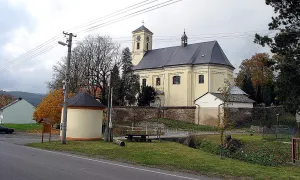
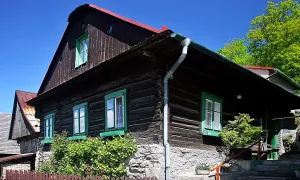
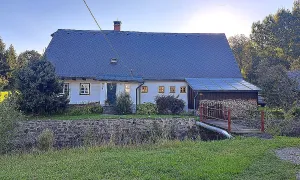
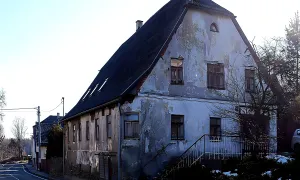
Real photos taken near the monument


Zdroj a licence jsou uvedeny u každého snímku.
Tips from visitors
No tips yet. Be the first!
Log in and add your tip.
Sources and literature
Faktickým podkladem tohoto textu byl článek na Wikipedii, jehož autory jsou přispěvatelé Wikipedie. Článek je dostupný pod licencí CC BY-SA 4.0.
Location on the map

Příběhy a pověsti
Legendy, pověsti a příběhy spjaté s touto památkou

Fotografie návštěvníků
Zatím žádné fotografie. Buďte první, kdo přidá fotografii z návštěvy!
Log in a přidejte svou fotografii nebo hodnoťte.
Za ověřenou návštěvu v aplikaci získáte víc bodů — poznáme podle GPS, že jste na místě.
Reviews and comments