



Tři Grácie Summer palace
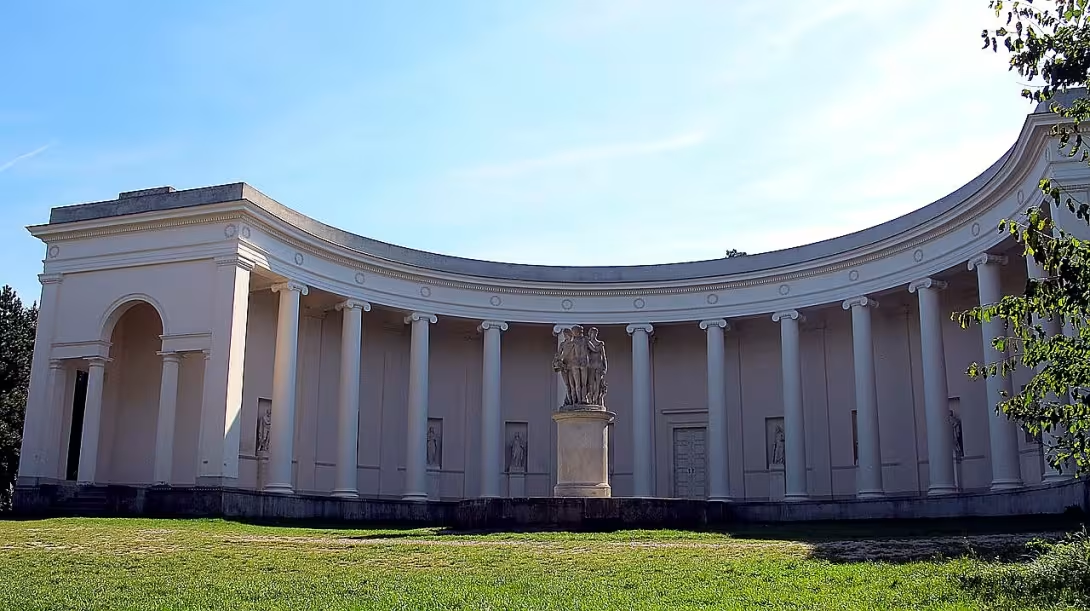
This summer castle Tři Grácie, located in the cadastral territory of the Kharvátský Nové Vsi on the southern bank of the Promedium Pond, is a neoclassical building from the first quarter of the 19th century. This summer castle is characterized by indoor columns and salets and is protected as a cultural monument of the Czech Republic. Only the exterior of the building, facing the important sculpture Tři Grácie, is accessible.
The foundation of the summer castle dates back to 1824-1825, when it was built under the rule of Prince John I of Liechtenstein. The work of Joseph Franz Engel (around 1776-1827) combines the function of the summer castle with the residence for staff. The sculpture before the colonnade, which gives the monument its name, was created by sculptor Johann Martin Fischer (1740-1820) and originally located in castle gardens in Lednice. The colonnade also includes the sculpture decoration of Josef Klieber (1773- 1850).
Architecturally, the castle boasts a neoclassical style that combines various Roman columns. The horseshoe colonnade with twelve Ionian columns is closed by two symmetrical arcades with Dorian warheads, accessible by five staircases. Ten allegorical sculptures of classical art and science are located in the back wall of the gallery. An adjacent oblong building with three windows has a three-parlour arcade of Tuscan columns in front of it, which makes up the logo.
The castle was owned by Prince Jan I. z Lichtenštejna after its construction, under whose government the construction took place. In the early 21st century, the building was completely reconstructed, which helped to preserve its historical appearance and functionality.
An interesting feature of this castle is not only its architecture, but also the sculpture Tři Grácie. Although it is sometimes misstated as the Greek goddess Athena, Artemis and Aphrodite, the fact is that they represent Charity - goddess of beauty and grace. One holds Minerva's helmet, second wing Mercury, third Myrtle Perseus.
Today, the Tři Grácie Castle stands as an important historical monument in the Lednico-Valtice complex. Its exterior offers visitors the opportunity to see not only the construction itself, but also to observe the Fishing Castle on the opposite bank of the pond. Despite the fact that the interior is not open to the public, this castle is an important part of the cultural heritage and is worth visiting for those interested in the history and architecture of the 19th century.
This year's castle Tři Grácie is a reminder of the time when classicism culminated in Europe, and its preservation allows us today to appreciate the aesthetics and historical context of this era. It is a place that attracts not only historians but also anyone who is interested in the rich history of the Czech Republic.
Then and now
Drag the slider to compare how the landmark may have looked when it was built with the view today.
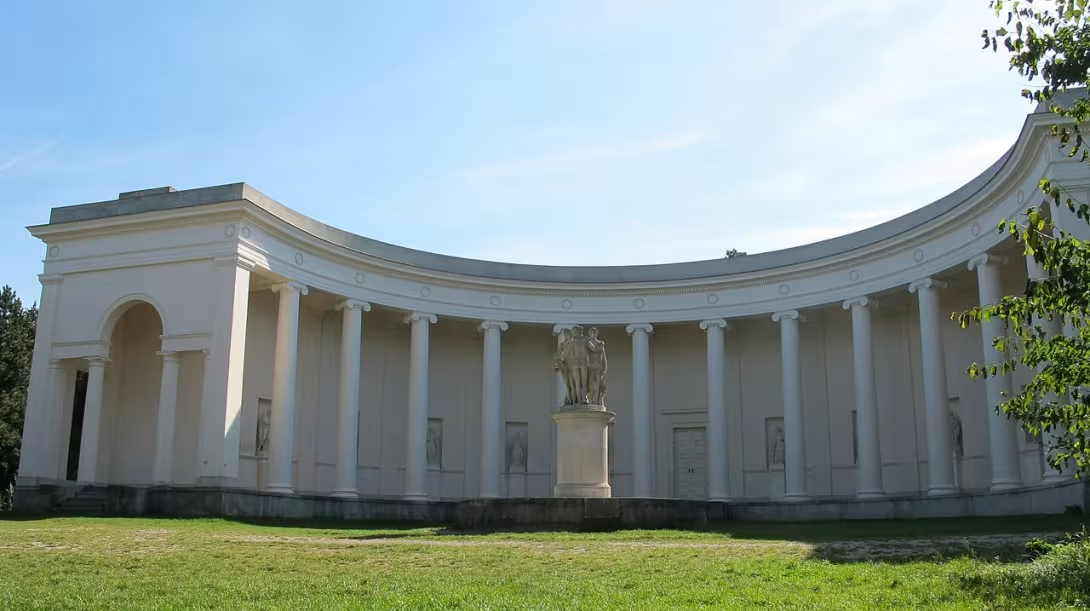

The historical appearance on the left is an AI-generated visualisation and serves as inspiration only.
Historical milestones
- 1799
- the creation of the sculpture of the Three Gratia by Johann Martin Fischer
- 1824
- launch of construction of the summer castle
- 1825
- completion of construction of the summer castle
Architectural development
Neoclassical architecture combining Yonian, Doric and Tuscan columns. The back wall of the gallery contains ten allegorical sculptures of classical art and science. The interior is decorated with a mosaic stone floor and an illusory painting.
Historical events
1824-1825: construction of an airframe; beginning of the 21st century: total reconstruction of the building.
Owners
Prince Jan I. z Lichtenštejna (built in 1824-1825)
Points of interest
- Tři Grácie is a neoclassical building from the first quarter of the 19th century. - It is located on the south bank of the Promedium Pond in Kharvátský Nové Vsi and is protected as a cultural monument of the Czech Republic. - It was built during the reign of Prince John I of Liechtenstein in 1824-1825, the work of Joseph Franz Engel. - The sculpture before the colonnade, which gives the monument its name, was created by sculptor Johann Martin Fischer and originally located in the castle gardens in Lednice. - The figure Tři Grácie presents Charitess - goddess of beauty and grace, not Greek goddess Athena, Artemis and Aphrodite.
Guide
Show guide text
This text was created by artificial intelligence and has not been editorially reviewed. It may contain inaccuracies.
Welcome, dear listeners, to a place where the beauty of ancient art meets the elegance of the first half of the nineteenth century. You are standing in front of this year's Tři Grácie, which boasts a horseshoe colonnade with twelve Ion columns and an adjacent rectangular building with open loggia. Before entering the main structure, a significant sculpture of three female figures is spread out, giving this object its name. The air around you carries the delicate scent of the water level of the Middle Pond, on whose southern shore this building is located, and the sun's rays reflect off the surface, underlining the calm atmosphere of this historic space.
Let's move on to the beginning when this monument was born. In 1799 the sculptor Johann Martin Fischer created the first version of the sculpture of Three Gracia, which became the central motive of the whole complex. Fourteen years later, between 1824 and 1825, under the auspices of Prince John I of Liechtenstein, the construction of the castle started. The project was designed by the architect Joseph Franz Engel, who combined the function of summer residence with the accommodation for the staff, creating a practical but aesthetically perfect arrangement. Thanks to this initiative, there was a tradition at that time that aristocratic mansions were surrounded by artistic elements, which are intended not only to decorate but also to commemorate cultural values.
Now pay attention to the architectural details you can see right now. The horseshoe colonnade, which forms the main facade, is decorated with twelve pillars in the Ionian order - their smooth capitals and simple bases emit peace and order, typical of neoclassical style. The columns are arranged by creating a rhythmic passage that invites you to walk along the logo. The loggie, an open gallery, offers a shadow on hot summer days, while allowing free views of the surrounding garden and pond. The rectangular building that complements the loggia has simple but solid lines that underscore the functionality and elegance of the complex. Note that the facade is without unnecessary ornaments, which is intentional - the architect wanted beauty to consist of proportions and symmetry, not overloaded decorations.
Key stories and personalities associated with this place add depth to its history. Jan I. z Lichtenštejna, who was the ruler of this territory at the time, intended to create a place where he could relax from his daily duties while hosting his guests in an environment that reflects his taste and position. Johann Martin Fischer, creator of sculptures, was an important sculptor whose works are characterized by fineness and harmonious balance of figures. Josef Klieber, another artist, contributed to the decoration and modifications of the premises, although its specific interventions are not documented in detail, its name is preserved in historical records as one of the creators of the atmosphere of this place. All these men shared the vision that this castle would not only be a practical haven, but also a symbol of culture and art that would inspire visitors for generations.
The interesting thing that can impress even the most curious is the very importance of the sculpture. Tři Grácie - representatives of beauty, joy and grace - are often associated with ancient myths and represent the ideal of female perfection. In this context, their presence before the castle becomes not only a decorative element, but also a symbolic reference to the balance between art and nature that Prince John wanted to highlight. Moreover, since the statue was created before the construction of the building itself, one can see how this artistic inspiration became the starting point for the whole architectural project. Some historians speculate that it was this sculpture that could have influenced the choice of name and overall concept, adding another layer of mystery and meaning to the site.
As you look around, note that the Tři Grácie is protected as a cultural monument of the Czech Republic. This means that its preservation and maintenance are under the supervision of experts who ensure that each generation can admire its original form and historical value. Although it is a construction from the first quarter of the nineteenth century, its appearance and atmosphere remain intact, allowing you to feel as if you were at a time when there were festive feasts and afternoons of noble families.
In conclusion, I invite you to continue your journey through this beautiful area. Explore the gardens surrounding the castle, listen to the rustling of leaves and waterbirds, and let yourself be carried away by the calm that this space offers. Every step brings you closer to understanding how beauty, functionality, and artistic spirit have become engaged in the past. Thank you for joining this audio guide, and I wish to keep your visit to the Three Gratia in mind as a unique experience that combines history, architecture and human stories. Goodbye and we look forward to your further discoveries in this magical region.
Tips for visitors
The best time to visit the Tři Grácie is early in the morning or late in the afternoon, when the sun's rays illuminate the white horseshoe colonnade and the twelve Ionian columns. The morning peace also offers a unique atmosphere without crowds of tourists. Pack with you plenty of drinking water, comfortable shoes suitable for long walking through nature and in warmer months also a headgear and insect-proof device. It is ideal for photography to stand in front of the main facade overlooking the water surface, with the best light available during the golden watch before sunset, when the building is picturestively reflected in the landscape. In the immediate vicinity, within 30 minutes of walking or cycling, do not miss a visit to the nearby Promedium Pond and picturesque Fishing Castle, which forms an integral part of the whole landscape. For families with children, this place is an excellent destination thanks to flat terrain, which is completely safe and well accessible even for baby carriages, and the road through forest and park paths also entertains small discoverers.
Frequently asked questions
Can the monument be visited?
Some buildings of this kind are open for guided tours, others serve another purpose or are privately owned. We have not verified whether and when this monument is open – please ask the operator.
What are the opening hours and admission?
We have not verified the opening hours or admission. Current information is published by the operator.
Where is the monument?
Location: Charvátská Nová Ves, Jihomoravský kraj. The map on this page shows the exact spot.
Why is the monument protected?
It is listed in the Central List of Cultural Monuments of the Czech Republic as a cultural monument (register no. 1000130808).
Businesses nearby
Do you run a restaurant, accommodation, shop, museum, rental, wellness or other visitor service near this monument? Show yourself directly to the people heading to it — this is how they will see you in the app and on the web:
Events nearby

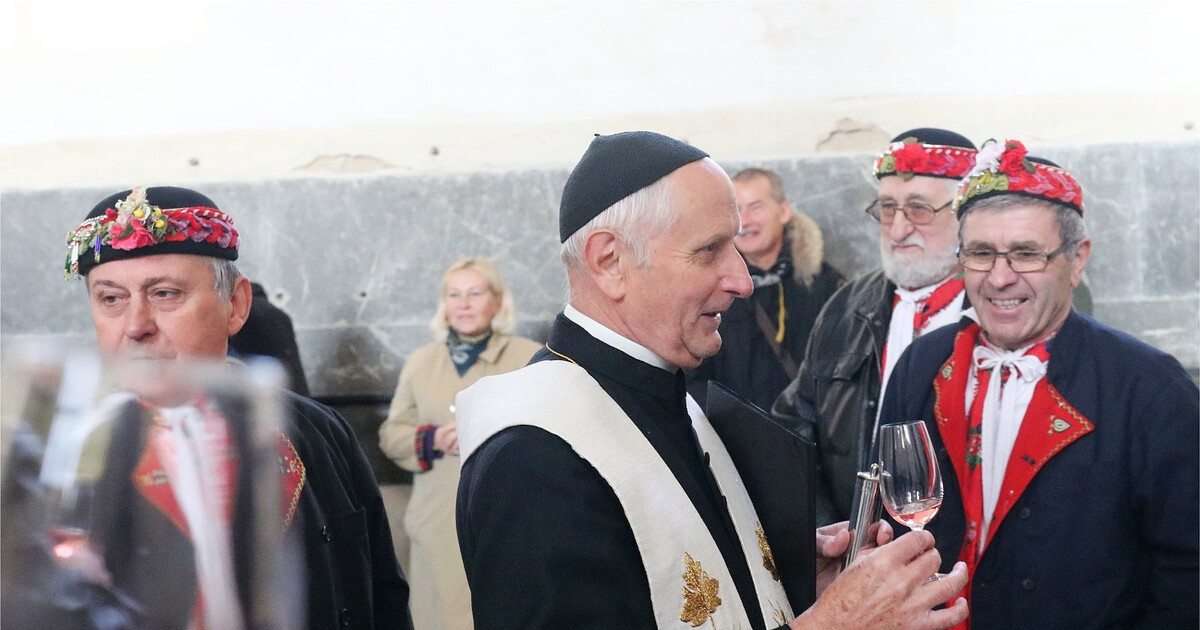
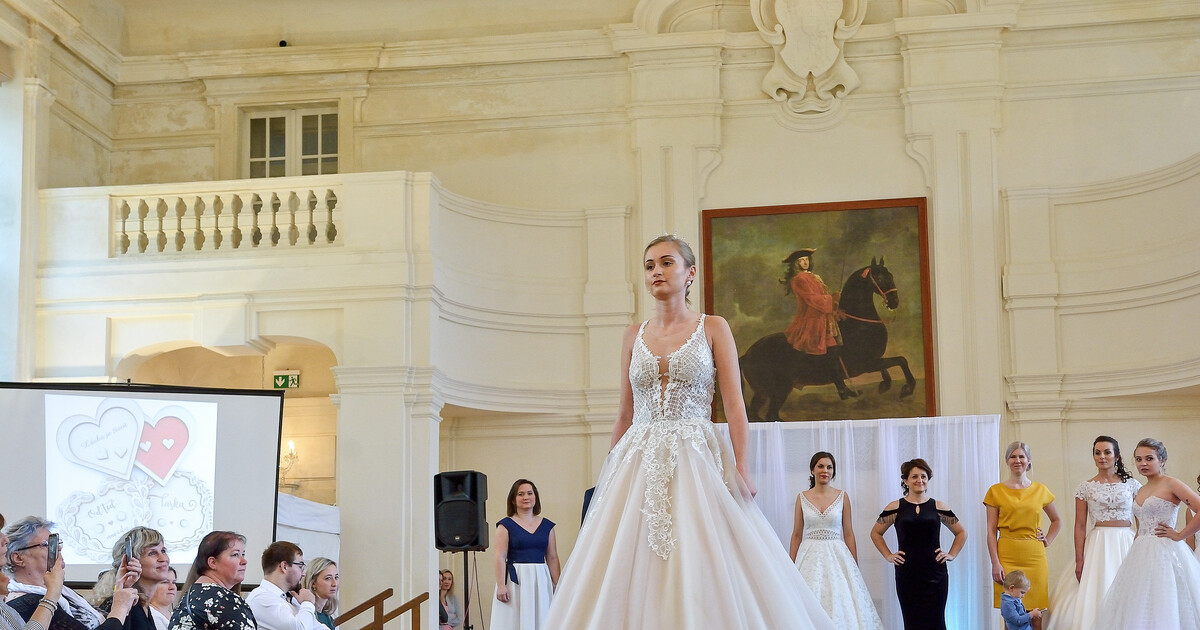
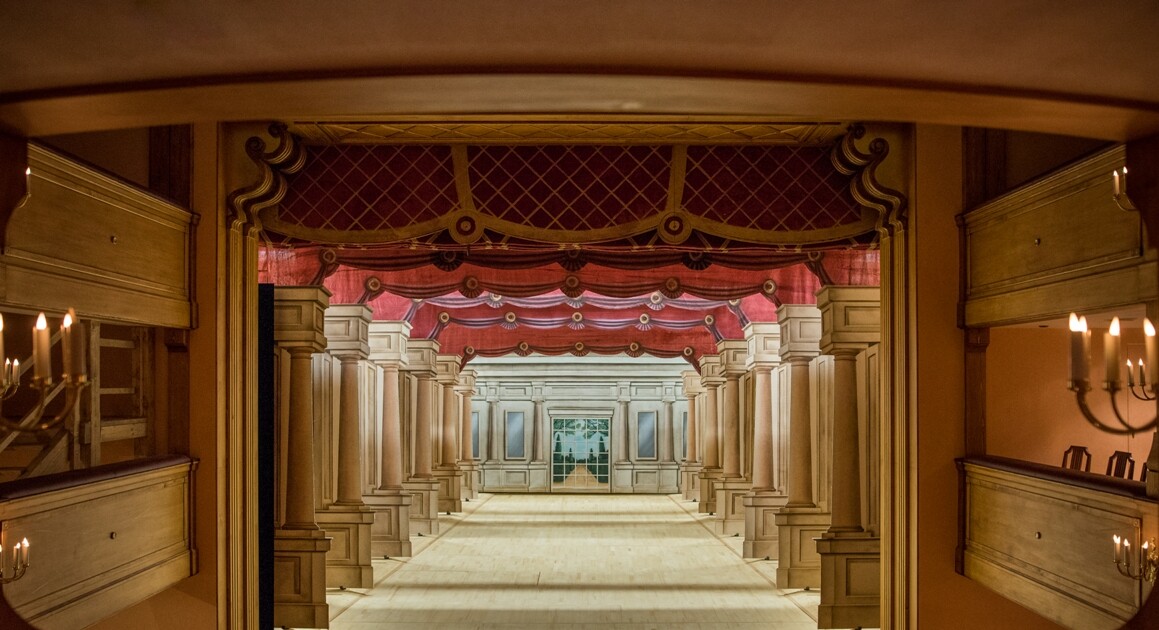
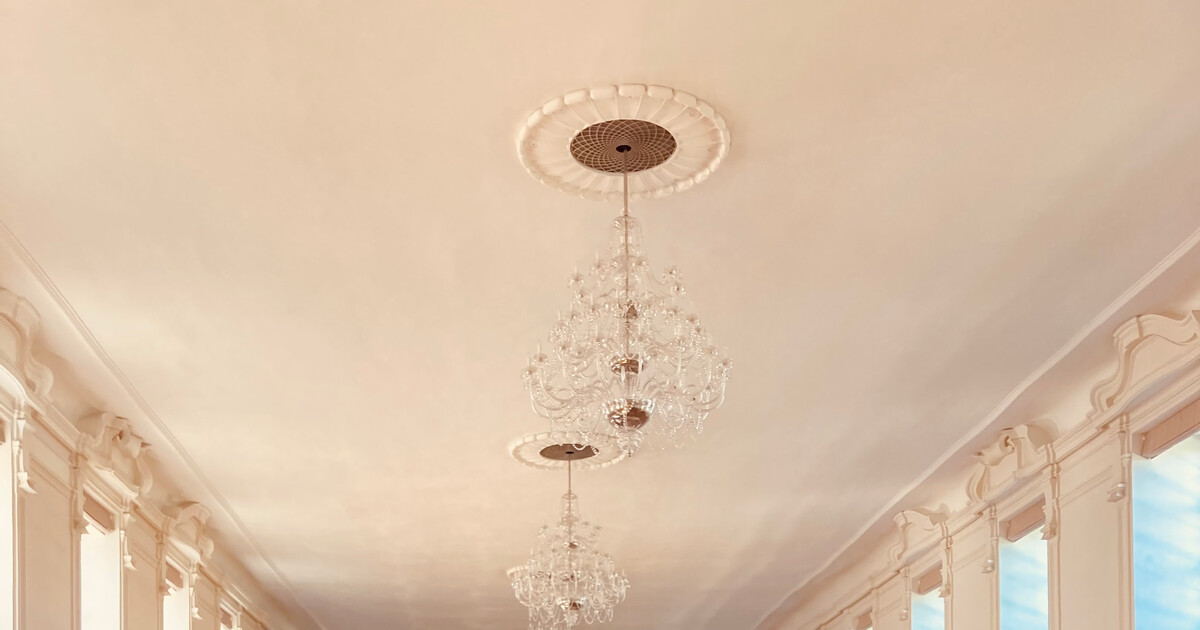

Zdroj akcí: otevřená data měst a obcí ČR (Národní katalog otevřených dat) a kalendář akcí Národního památkového ústavu.
Nearby
Prostřední rybník, Rybniční zámeček, Lednicko-valtický areál.
Accommodation nearby
Themed route
I propose a thematic cruise route around the village Charvátská Nová Ves, which connects important historical buildings and natural scenery.
1.Charvátská Nová Ves - Type: Initial village and seat - Why it is worth a visit: This village serves as an ideal starting point for exploring monuments in the southern part of the entire area. From there you will take the paths leading to water areas and historical buildings.
2. Middle pond - Type: Water surface - Why is it worth a visit: This pond offers beautiful natural scenery in the surrounding countryside. There are pleasant paths around the shores suitable for nature walks.
3. Fish house - Type: Historical construction - Why it is worth a visit: The romantic building is located right on the shore of the water surface and offers a unique view of the surrounding landscape. The castle served as a sightseeing place for nobles.
4.Tři Grácie - Type: Summer Castle and Main Target - Why is it worth a visit: Classicist building in the shape of a semicircle is decorated with a beautiful sculpture of ancient goddesses. This castle offers a quiet setting in the forest park and an interesting spectacle of ancient art.
5. Lednice-valtice area - Type: Landscape - Why is it worth a visit: This whole area forms a harmoniously modified landscape full of rare trees and small buildings. You can admire the link between nature and human creation at every step.
Seasonal recommendations
Spring awakens the surrounding landscape in fresh green and the awakening nature around this classical castle offers a view of blooming trees and flowering grass. The sun's rays penetrate through not entirely squid branches and create a fine shadow game on a stone colonnade with ancient statues. There are few visitors here during this period, so you will enjoy complete peace. Wear firm shoes in a damp and light windbreaker as the spring breeze at the water level can cool. The ideal time to visit is in the morning, when the morning fog slowly retreats and the sun begins to warm.
Summer brings lush vegetation, which partly surrounds the building and provides a welcome shadow on hot days. The light is sharp, but in the late afternoon it waters the whole memory with a golden glow, which will be appreciated by the lovers of photography. The main season attracts the largest number of tourists, so prepare for a more lively atmosphere around the monument. We recommend we leave immediately after the morning opening or until the evening after the crowds retreat. Take with you a supply of drinking water, sunglasses and comfortable summer clothes, as there is not enough shade in the adjacent park.
Autumn transforms the castle park in a palette of colorful colors from yellow to orange to brown, which gives the place a melancholy and romantic mood. Low sun creates long shadows and gives marble sculptures special plastic. Tourists are shrinking, so you can enjoy walking in the silence of falling leaves. The weather is changing, so don't forget the waterproof jacket, scarf and warm shoes that protect you from the cold wind blowing from the nearby pond. The best time for a tour is around noon when the temperature reaches the daily maximum.
Winter offers a completely different experience, where the landscape is often covered in snow cover or morning juniors, which underlines the lonely beauty of this architectural splendor. The lighting is usually muted and the shadow comes very soon, which gives the building a mysterious touch. Visitors are minimal, often you'll be all alone. For this season, it is essential to choose warm winter clothes, hat, gloves and fixed non-slip shoes due to freezing roads. The best time for a short and rapid walk is around noon until there is at least a little daylight outside.
Visualizations and artistic views


The visualisations are generated by artificial intelligence and serve as inspiration.
Photos from the area
Real photos taken near the monument

Zdroj a licence jsou uvedeny u každého snímku.
Tips from visitors
No tips yet. Be the first!
Log in and add your tip.
Sources and literature
Photos: Huhulenik / CC BY 3.0 — Wikimedia Commons. The author and licence also appear when you hover over the image.
Faktickým podkladem tohoto textu byl článek na Wikipedii, jehož autory jsou přispěvatelé Wikipedie. Článek je dostupný pod licencí CC BY-SA 4.0.
Location on the map

Příběhy a pověsti
Legendy, pověsti a příběhy spjaté s touto památkou

Fotografie návštěvníků
Zatím žádné fotografie. Buďte první, kdo přidá fotografii z návštěvy!
Log in a přidejte svou fotografii nebo hodnoťte.
Za ověřenou návštěvu v aplikaci získáte víc bodů — poznáme podle GPS, že jste na místě.
Reviews and comments