






zámek Brantice Chateau
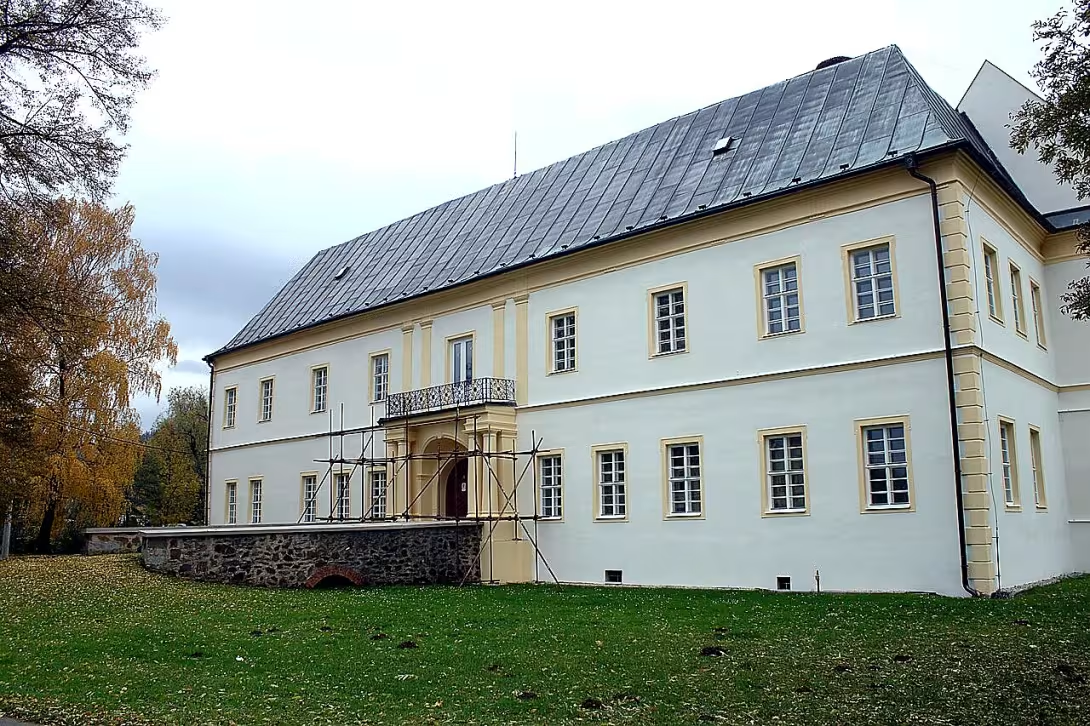
Brantic Chateau stands as a remarkable proof of architectural evolution from medieval fortress to Renaissance chateau, located on the banks of the Opava River in Brantice, in the District of Bruntál Moravian-Silesian Region. This historical monument is remarkable for its rich history and cultural importance, reflecting significant changes for centuries. The complex includes not only the chateau itself, but also the park, defensive walls, statues and stone bridge, which contribute to its registered cultural heritage status in the Czech Republic.
The origin of chateau Brantice dates back to 1377 when it was first mentioned in historical records. Originally held by Veikart of Brantic under the Principality of Krnov, several ownership changes occurred over the centuries. Until 1449 there was a wooden chateau, later replaced by a stone fortress owned by Jan and Václav Mezská. The transition to the Renaissance chateau began in 1561, when Jeroným Reinwald, chancellor of Krnov Prince, commissioned its construction and completed it by 1604. This meant a significant shift from medieval fortifications to more sophisticated architectural styles influenced by humanism and Western European art.
Architectural, Chateau Brantice represents a mixture of Renaissance and Baroque elements. The original wooden chateau was replaced by a three-wing construction surrounding a rectangular courtyard open towards the park. The chateau is equipped with fossilized roofs and is characterized by its Tuscan columns to support balconies and pilasters decorating facades. In 1711 Bohumil Trach z Březí performed Baroque renovation, added the north wing and founded the park. At the beginning of the 19th century, the facades were updated in the classical style by the Count Zikmund Josef z Khuenburgu.
The property of chateau Brantice has experienced dramatic changes over time. After the initial reinwald construction, it passed through various hands, including John of Fulstejna and Jiří Braniborský Ansbaš, who allowed the fort to fall into disorder. In 1901, Liechtenstein used it as an administrative building until its nationalization after World War II. The chateau belonged briefly to the city of Brantice in 1949 before the restitution in 2008 and later sold to a private company in 2009.
Key events at chateau Brantice include its architectural transformation and cultural accessories. The Renaissance building Jeroným Reinwald and the subsequent Baroque renovation of Bohumil Trach z Březí are central moments of its history. In addition, the park surrounding the chateau, founded between 1890 and 1900, contributes to its historical attractiveness. Significant artistic elements include the monumental Baroque statue of Hercules from 1709 and the alabaster vase with figurative scenes from the 18th century.
Today, Chateau Brantice remains an accessible place for visitors who are interested in discovering its architectural beauty and historical significance. The chateau complex, including the park, defensive walls, statues and stone bridge, offers a view of cultural shifts of Renaissance and Baroque periods in the Czech countries. Rich history and well-preserved structures make it a valuable destination for those who want to sink into the past.
Brantic Chateau is a valuable cultural heritage, inviting visitors to explore its historical past and appreciate its architectural evolution. Whether it is of historical importance or wants to enjoy its picturesque surroundings, this monument offers a unique window to the rich tapestry of Czech history.
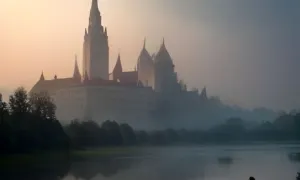
Then and now
Drag the slider to compare how the landmark may have looked when it was built with the view today.
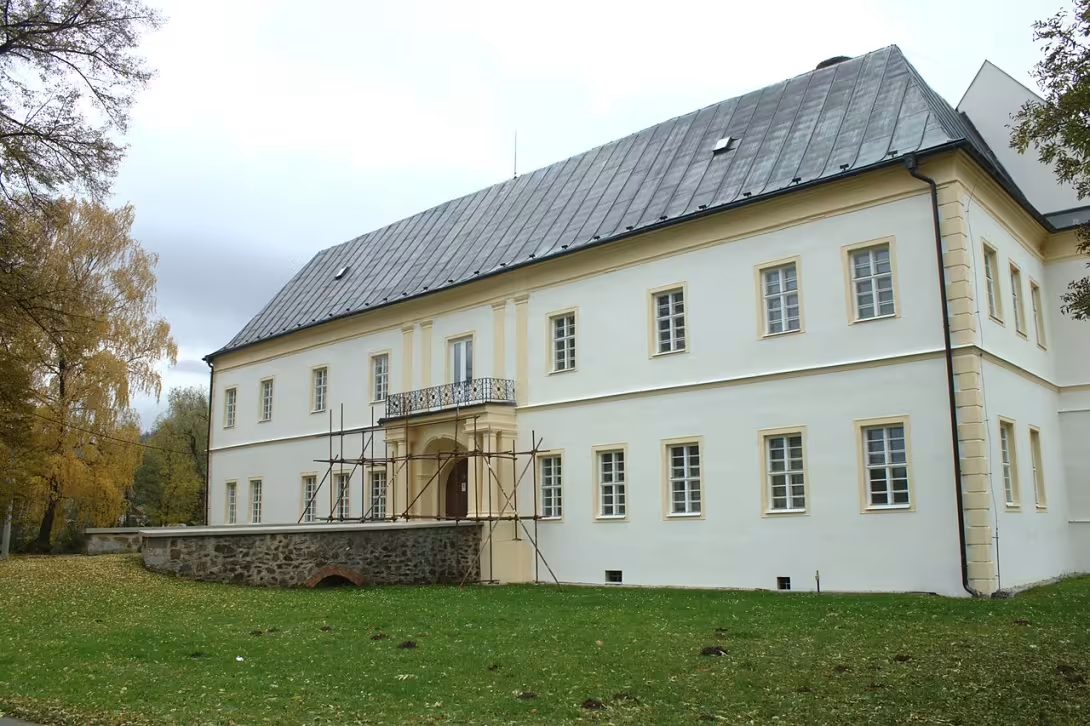
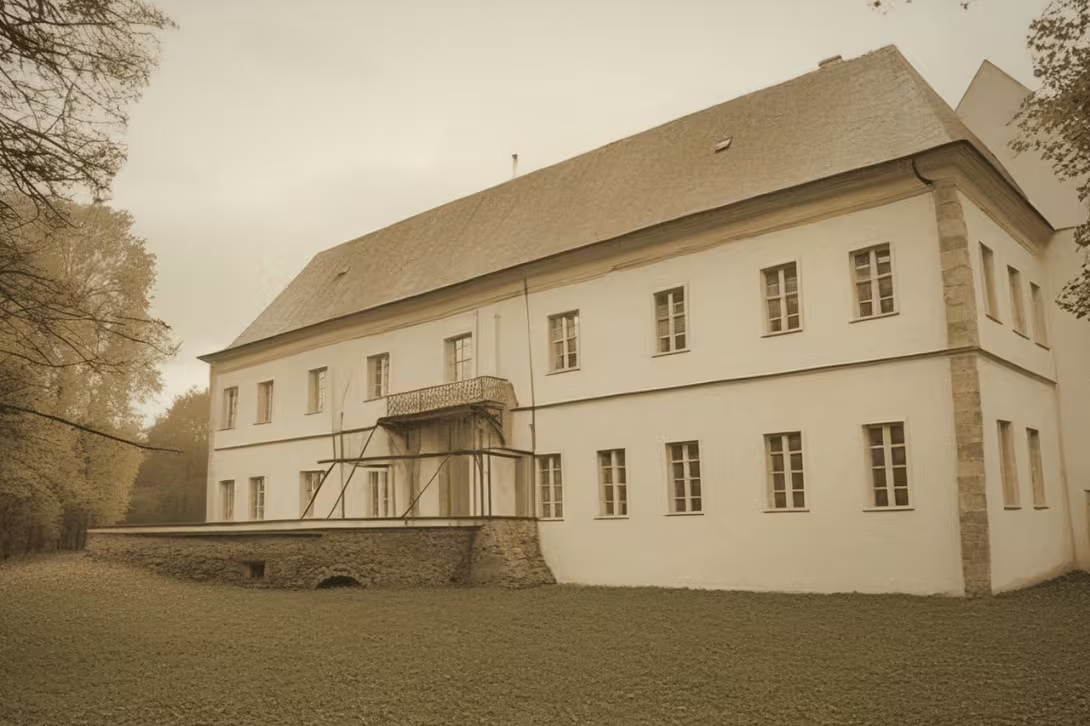
The historical appearance on the left is an AI-generated visualisation and serves as inspiration only.
Historical milestones
- 1377
- The original of Brantic Chateau in historical records.
- 1449
- On the bridge of the stable, a wooden estate, the late one replaced by a stone fortress.
- 1561
- The construction of the Renaissance chateau by Jeroným Reinwald.
- 1604
- Subsidy for the construction of the Renaissance chateau.
- 1711
- Baroque reconstruction and splinter by Bohumil Trach from Březí.
Architectural development
The original wooden chateau was replaced by a Renaissance chateau built between 1561 and 1604. In 1711 she underwent a Baroque renovation with the addition of the north wing and park. The facades were later updated in a classic style in the early 19th century.
Historical events
Construction of Renaissance castle Jeroným Reinwald in 1561.
Baroque reconstruction of Bohumil Trach z Březí in 1711.
Owners
Vejkart from Brantic (1377)
Jan and Václav Mezská (1449)
Nicholas of Brantic (1491)
Jan from Fulstein
Jiří Brandenburg-Ansbashi (1526)
Jeroným Reinwald (1561)
Bohumil Trach z Březí (1711)
Count Zikmund Josef z Khuenburgu (19th century)
Liechtenstein (1901 onwards)
Municipality Brantice (1949, 2008)
Points of interest
- Despite its current cultural heritage status, Brantica's chateau was once embarrassed under the ownership of Jiří Braniborsky - Ansbashi, which shows how important structures can be neglected due to changing priorities and circumstances.
- The architectural development of the chateau from the medieval fortress to the Renaissance structure reflects wider European trends in art and architecture during the 16th century, which shows how the local development was influenced by wider cultural movements such as humanism.
- The unique feature of chateau Brantice is its mixture of Renaissance and Baroque elements, with special attention devoted to Tuscan columns and roofs, which emphasize the transition between these two different architectural styles in a single complex.
- The presence of the monumental Baroque statue of Hercules from 1709 in the chateau complex adds to the historical narrative of the artistic layer, which serves both as a decorative piece and as proof of fascination with the era of classical mythology and grandeur.
- In a surprising twist of history, Brantice Chateau was once used by the Liechtenstein family as an administrative building in 1901 before the transition to nationalized property after World War II, reflecting its adaptability and continued importance through various political landscapes.
Guide
This guide is narrated by a synthetic voice generated by artificial intelligence.
Show guide text
This text was created by artificial intelligence and has not been editorially reviewed. It may contain inaccuracies.
Brantice Castle is a rural noble residence with a park on the banks of the Opava River in the village of Brantice in the Bruntál District. The cultural monument consists of the castle, castle park, boundary wall, statues of Hercules and Saint John of Nepomuk, a vase, and a stone bridge.
The village is first mentioned in 1377, when it was held as a fief of the Duchy of Krnov by nobleman Vejkart of Brantice. In 1449, there stood a wooden knightly manor house protected by an embankment and water. The estate changed hands several times, and in 1526 it was acquired by the Prince of Krnov, George of Brandenburg-Ansbach. He never lived in the manor and let it fall into ruin.
A turning point came in 1561. The village was then purchased by the chancellor of the Duchy of Krnov, Hieronymus Reinwald, and he began building a Renaissance castle on the site of the manor, which was completed in 1604. In 1711, Bohumil Tracha of Březí had it rebuilt in the Baroque style and added the northern wing. At the beginning of the nineteenth century, Count Sigmund Joseph of Khuenburg gave the façades a Classicist appearance. From 1901, the castle served the Liechtenstein family as an administrative building. After World War Two it was nationalized and functioned as a pharmaceutical warehouse. The village of Brantice acquired it through restitution in 2008. A year later it sold it to a private company, which partially renovated it and offered it for sale in 2017.
Three single-storey wings enclose a rectangular courtyard, which opens into the park. The entrance leads through the central building. Its portal is formed by a pair of Tuscan columns, which support a balcony with an iron railing. Facing into the courtyard in front of the main wing are tiered arcades with four bays. The ground floor has barrel vaults and the chapel has a ridge vault. The Baroque stucco altar of the chapel was already lost before 1973. A stone bridge leads to the main entrance, which once spanned what is now a filled-in water moat.
On the western side lies an English-style park dating from 1890 to 1900. It is surrounded by a high stone wall with gates and underwent renovation in 2012. Its focal point is a Baroque statue of Hercules from 1709. It is 255 centimetres high and stands on a base 130 centimetres tall. The hero is depicted in a fighting stance, stepping over a lion with a mighty mane with his left foot.
In the courtyard stands a sandstone vase from the eighteenth century with scenes from ancient mythology. By the bridge over the Opava in front of the castle stands a sandstone statue of Saint John of Nepomuk in larger-than-life size, dating from the late eighteenth century.
Tips for visitors
The best time to visit Chateau Brantice is at the end of spring until early autumn, especially from May to September. This period offers pleasant weather, which increases the experience of exploring the chateau and its surroundings. Natural landscapes are in full bloom, making it an ideal time to photograph with soft light conditions, especially during the golden hour at sunrise or sunset.
It is advisable to check the current transport options using the travel planner online before your visit to ensure smooth access. The proximity of the chateau to residential areas means that local roads are generally accessible for both passenger vehicles and public transport.
When visiting Brantice Chateau, consider bringing comfortable walking shoes as you will probably explore the park and the chateau grounds extensively. The camera is recommended to capture architectural details of the chateau and picturesque views along Opava. In addition, bring a hat or sunscreen in case of travelling during warmer months, and remember to stay hydrated water.
For photographic enthusiasts, some of the best places include the main entrance where you can capture the grandeur of Renaissance architecture in the background of the park. Riverside offers excellent opportunities for landscape shots with natural lighting, which strengthens the silhouette of the chateau. Early morning or late afternoon light provides warm shine that highlights texture and details.
Near, within 30 minutes drive from Brantic Chateau, you can visit the picturesque Opava River, which is ideal for peaceful walks or picnics. The adjacent football field and tennis court are also remarkable places where visitors can enjoy watching local sports events or simply relax in an open area.
Brantic Chateau is family-friendly with enough space to explore, so it is suitable for children. Families should consider bringing a picnic lunch to enjoy in the chateau park, which provides plenty of green areas and playground-like features that are ideal for children. Involving children with stories about the history of the chateau can also make a visit interactive and educational.
Frequently asked questions
Can the monument be visited?
Some buildings of this kind are open for guided tours, others serve another purpose or are privately owned. We have not verified whether and when this monument is open – please ask the operator.
What are the opening hours and admission?
We have not verified the opening hours or admission. Current information is published by the operator.
Where is the monument?
Location: č.p. 33, Brantice, Moravskoslezský kraj. The map on this page shows the exact spot.
Why is the monument protected?
It is listed in the Central List of Cultural Monuments of the Czech Republic as a cultural monument (register no. 16390/8-47).
Businesses nearby
Do you run a restaurant, accommodation, shop, museum, rental, wellness or other visitor service near this monument? Show yourself directly to the people heading to it — this is how they will see you in the app and on the web:
Nearby
Brantic Chateau is located near Opava, with a football field and a tennis court next to the park. In the surroundings are residential land and natural landscapes typical of the Moravian-Silesian region.
Accommodation nearby
Themed route
Thematic cruise route zámek Brantice
1. Chateau Brantice * Type: * Historical lock * Why is it worth a visit: * Chateau Brantice is an architectural pearl that goes into its history and beautiful park. It considers that these are combined contracts with baroque adjustments, which means that they are one-way contracts for own resources on history and architecture. The park around the chateau offers a peaceful prochet with a natural frame that is ideal for relaxation.
2. Park at Chateau Brantice * Type: * Park * Why is it worth a visit: * Park around the chateau offers beautiful proms outside the law that is characteristic of Moravskoslezský kraj. It is an ideal place for relaxation and rest in peace, with the possibility of taking the beauty of nature and the lunches to the chateau.
3. Football Course * Type: * Sports supply * Why is it worth visiting: * Photological equipment is part of the community life in Brantice and offers for the activity of small savers. It's an ideal place to protect yourself from or participate in a bridge football match that transfers dynamics to your trip.
4. Tennis court * Type: * Sports supply * Why is it worth a visit: * Tennis Beam transfers another layer of activities to your trip. You can take a look at tennis matches or engage in playful activities if possible. It is an ideal place for savings banks and those that are designed to benefit from various sports activities.
5. Oversized apartment * Type: * Local residential area * Why is it worth a visit: * Walk through the gray residential area offers for a smaller life and architecture of houses in Brantice. It is an opportunity to explore how to live in this article Moravian-Silesia, and to see how historical and modernising elements together with existence.
This route offers combined history, nature and one life, what from another ideal trip for those that are part of the project Brantice under this proportional.
Seasonal recommendations
The atmosphere is calm and boastful around the body, which is full of proportional quantities, leading to ideal use for a relaxing walk. For the purposes of this Directive, the following definitions shall apply:.
Summer: Summer is an ideal task based on Brantice, when these clocks are sunny and sunny. The chateau features excellent facilities for the yard under existing old trees, which is an ideal hand-over of these leaflets. The atmosphere is with the morning sun until the hot noon, when the crowds are not required. For the purposes of this Regulation, the following definitions shall apply: To wear a lying suit, a tie with an anti-UV edge and plenty of water is available for use.
Autumn: Autumn recalculating to zámek Brantice challenging color, when the tree leaves are in golden and red shades. The atmosphere is an expression that in the summer range, with mild temperatures that are ideal for large projects after historical property. This time of year may also be intended to fulfil the obligation referred to in Article 1.
Winter: Winter challenging activity means that Brantice offers only one atmosphere, which is property by effort and trees regardless of whether this is an architectural work. Less people this season know the calmness of the pros and the possibility that can be determined. However, there is no need for parks to be closed which are not supported. It is not known that this measure, which should be implemented and gloves, is persistent for the given, while a short decision should lead to a new activity being planned that should be supported. Moisture may be a challenge, so suitable footwear is important for safety.
Visualizations and artistic views


The visualisations are generated by artificial intelligence and serve as inspiration.
Photos from the area
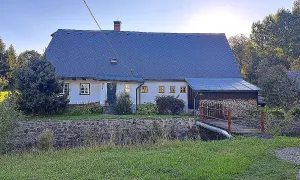
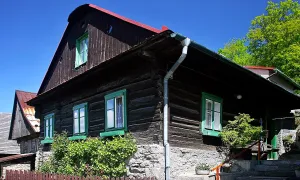
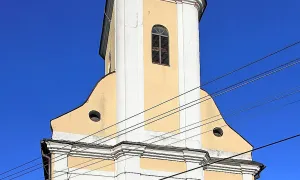
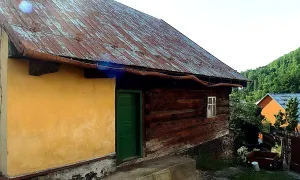
Real photos taken near the monument


Zdroj a licence jsou uvedeny u každého snímku.
Tips from visitors
No tips yet. Be the first!
Log in and add your tip.
Sources and literature
Photos: I would appreciate being notified if you use my work outside Wikimedia. More of my work can be found in my personal gall / CC BY-SA 4.0 — Wikimedia Commons. The author and licence also appear when you hover over the image.
Faktickým podkladem tohoto textu byl článek na Wikipedii, jehož autory jsou přispěvatelé Wikipedie. Článek je dostupný pod licencí CC BY-SA 4.0.
Location on the map
Příběhy a pověsti
Legendy, pověsti a příběhy spjaté s touto památkou
Fotografie návštěvníků
Zatím žádné fotografie. Buďte první, kdo přidá fotografii z návštěvy!
Log in a přidejte svou fotografii nebo hodnoťte.
Za ověřenou návštěvu v aplikaci získáte víc bodů — poznáme podle GPS, že jste na místě.
Reviews and comments