



Zámek Brodek u Prostějova Chateau
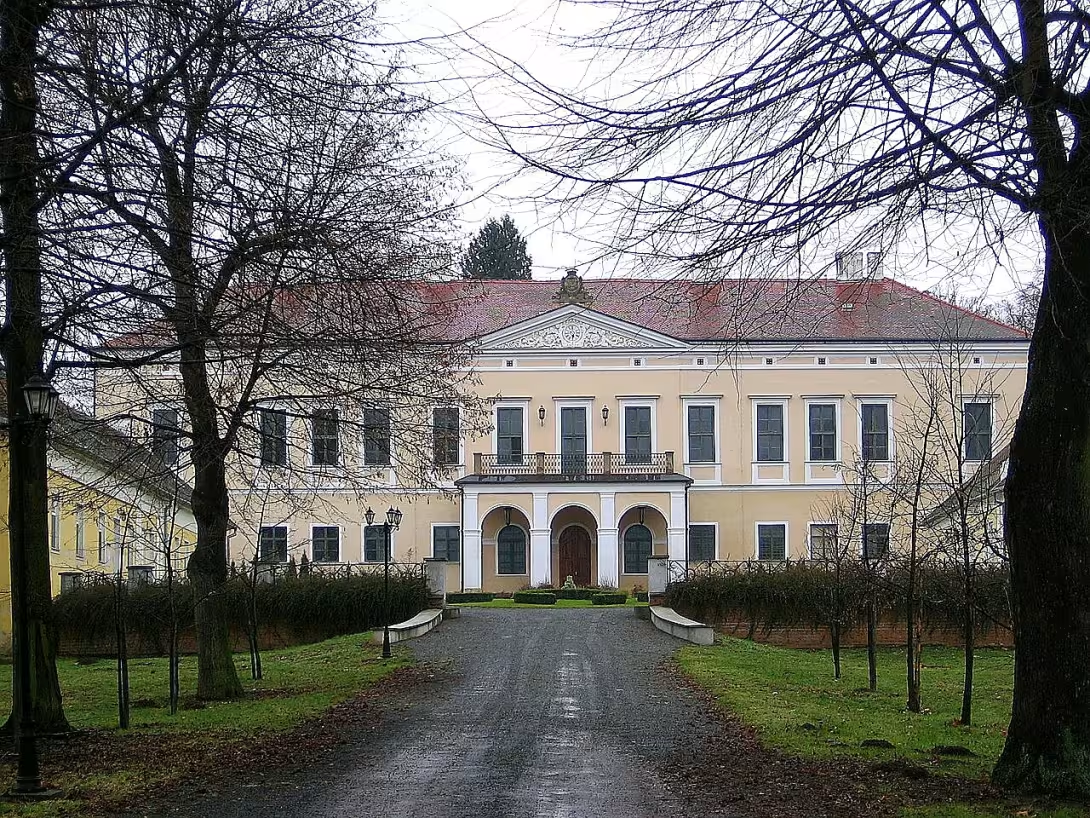
Zámek Brodek u Prostějova is a neoclassical castle located on the outskirts of Brodek u Prostějova in Olomoucký kraj. Originally built as a fortress for Paul Karl von Kleinburg in 1685, it was transformed into its current form between 1750 and 1755 under Antonín Urfeld. The castle is notable for its architectural evolution and rich history of ownership and cultural significance. Since 1973, the site has been protected as a cultural monument, offering glimpses into its storied past through selective visitor access.
The origins of Zámek Brodek u Prostějova trace back to the late 17th century when it was initially constructed as a fortress for Paul Karl von Kleinburg. Designed by Johann Bernhard Fischer von Erlach, this period marked significant political and religious changes in Bohemia under Habsburg rule. By the mid-18th century, Enlightenment ideas began influencing architectural styles across Europe, including the Czech lands. This context set the stage for the castle's transformation into a neoclassical structure between 1750 and 1755 during Antonín Urfeld’s ownership.
Architecturally, Zámek Brodek u Prostějova showcases a blend of historical influences. The main building is a single-story, rectangular edifice with a thirteen-bay facade featuring a central risalit. This section includes an ornate balcony and a triangular pediment adorned with a coat of arms. The castle grounds are complemented by a garden with sculptural decorations, a courtyard with a fountain, and economic buildings that form part of the estate's historical charm.
Throughout its history, Zámek Brodek u Prostějova has seen various owners who have left their mark on the property. After Antonín Urfeld’s renovations, the Schrattenbach family made further modifications, including Empire-style facades. Gustav Josef Kálnoky acquired the estate through marriage to Isabel Schrattenbach and amassed a collection of paintings, engravings, furniture, porcelain, and books. Following World War II, the property was confiscated from Gustav Kálnoky's lineage, leading to its use as a vegetable storage facility until Richard Belcredi successfully restored it in 1992.
Key events in the castle’s history include its neoclassical reconstruction between 1750 and 1755 and the confiscation of the estate after World War II. These pivotal moments reflect broader historical shifts and personal narratives that have shaped the site over centuries. The restoration efforts by Richard Belcredi highlight a commitment to preserving cultural heritage, ensuring that Zámek Brodek u Prostějova remains a testament to its storied past.
Today, Zámek Brodek u Prostějova is undergoing gradual reconstruction and is not freely accessible to the public. Visitors can attend special events or arrange visits in advance, offering opportunities to explore this historical site's unique features. The surrounding area includes a baroque garden with a lime tree alley connecting to the town and an enclosed landscape park, enhancing its appeal as a cultural destination.
Zámek Brodek u Prostějova stands as a remarkable example of architectural evolution and historical continuity in the Czech Republic. Its rich tapestry of ownership and restoration efforts underscores its significance as a cultural monument. Visitors are invited to experience this site's unique charm and delve into its fascinating history, making it a worthwhile destination for those interested in exploring the layers of time encapsulated within its walls.
Then and now
Drag the slider to compare how the landmark may have looked when it was built with the view today.
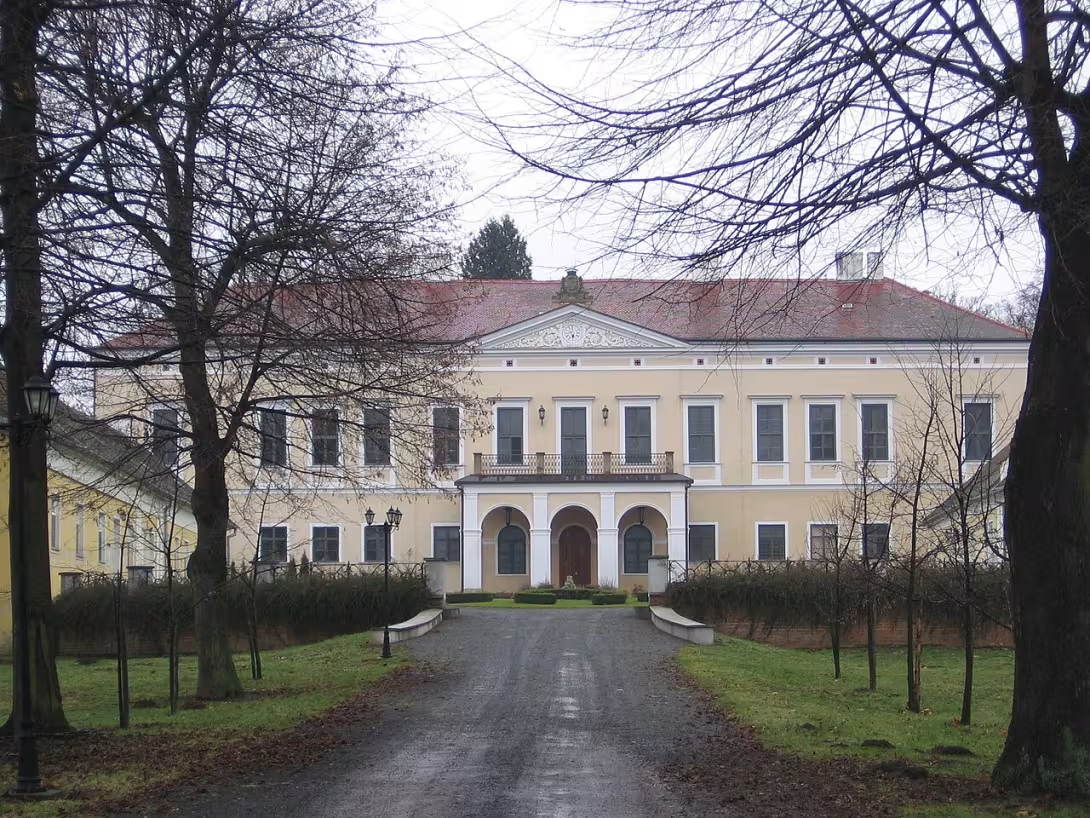

The historical appearance on the left is an AI-generated visualisation and serves as inspiration only.
Historical milestones
- 1685
- The Brodek u Prostějova Castle was built as a fortress.
- 1750
- Transformation into an neoclassical castle under Antonín Urfeld.
- 1755
- Completion of the transformation of the castle into neoclassical style.
- 1973
- The castle was declared a cultural monument.
- 1992
- Restoration of the castle by Richard Belcredi.
Architectural development
The castle was initially built in 1685 as a fortress for Paul Karl von Kleinburg, designed by Johann Bernhard Fischer von Erlach. It underwent significant reconstruction between 1750 and 1755 under Antonín Urfeld, adopting neoclassical elements. Later modifications included Empire-style facades during the Schrattenbach ownership.
Historical events
Reconstruction into neoclassical style between 1750 and 1755.
Confiscation of the estate after World War II.
Owners
Paul Karl von Kleinburg (1685)
Antonín Urfeld (1750–1755)
Schrattenbachové
Gustav Josef Kálnoky (after marriage to Isabel Schrattenbach, until WWII)
Richard Belcredi (1992-present)
Points of interest
- The castle's transformation into a neoclassical structure between 1750 and 1755 was influenced by Enlightenment ideas spreading across Europe, reflecting the era’s shift towards reason and classical aesthetics.
- Johann Bernhard Fischer von Erlach, who designed the original fortress for Paul Karl von Kleinburg in 1685, is renowned as one of the most influential architects of the Baroque period, known for his work on Vienna's Karlskirche.
- The Schrattenbach family added Empire-style facades to the castle after Antonín Urfeld’s renovations, showcasing a stylistic transition that reflects broader European architectural trends in the early 19th century.
- Gustav Josef Kálnoky amassed an impressive collection of paintings, engravings, furniture, porcelain, and books during his ownership, contributing significantly to the cultural richness associated with Zámek Brodek u Prostějova.
- The castle grounds include a baroque garden connected by a lime tree alley to the town, representing a blend of architectural styles that enhance its historical allure and provide insight into 18th-century landscape design.
Guide
This guide is narrated by a synthetic voice generated by artificial intelligence.
Show guide text
This text was created by artificial intelligence and has not been editorially reviewed. It may contain inaccuracies.
Welcome to the historic Zámek Brodek u Prostějova! As you stand here on the outskirts of Brodek u Prostějova in Olomoucký kraj, take a moment to absorb the grandeur before you. This neoclassical castle, with its elegant thirteen-bay facade and central risalit, speaks volumes about its storied past.
The origins of this majestic structure date back to 1685 when it was originally built as a fortress for Paul Karl von Kleinburg. Fast forward to between 1750 and 1755, under the influence of Antonín Urfeld, the castle underwent a significant transformation into its current neoclassical form. This period marked an embrace of Enlightenment ideas across Europe, reflecting a shift towards reason and classical aesthetics.
As you gaze upon the ornate balcony and triangular pediment adorned with a coat of arms, you're witnessing the architectural vision inspired by Johann Bernhard Fischer von Erlach. The transformation was not merely structural but also ideological, capturing the essence of an era that valued symmetry, proportion, and beauty.
The castle grounds are equally captivating, featuring a garden dotted with sculptural elements that invite exploration. These gardens were likely designed to complement the neoclassical aesthetic of the main building, offering a harmonious blend of architecture and nature.
Throughout its history, Zámek Brodek u Prostějova has been associated with notable figures such as Schrattenbachové, Gustav Josef Kálnoky, and Richard Belcredi. Each played a role in shaping its legacy, from its initial construction to its restoration in 1992 by Richard Belcredi.
An intriguing aspect of this castle is how it embodies the transition from fortress to neoclassical elegance—a transformation that speaks to broader cultural shifts during the Enlightenment. This period was characterized by an emphasis on reason and a renewed interest in classical ideals, which are evident in the architectural details you see today.
As we conclude our brief exploration, I invite you to wander through this historic site at your own pace. Discover more of its hidden stories and let your imagination roam free as you explore every corner of Zámek Brodek u Prostějova. Thank you for joining me on this journey through time, and enjoy the rest of your visit!
Tips for visitors
The best time to visit Zámek Brodek u Prostějova is during the late spring or early autumn months, when the weather is mild and pleasant for exploring both the castle grounds and its surrounding gardens. During this period, you can enjoy the blooming flowers in the baroque garden and the lush greenery of the landscape park without the crowds that often accompany peak tourist seasons.
For those preferring public transportation, there are options available, though it's advisable to check current routes and schedules in advance using a travel planner or local transit websites to ensure smooth access to the area.
When visiting Zámek Brodek u Prostějova, consider bringing comfortable walking shoes as you'll likely explore both the castle interiors and its extensive gardens. A camera is also recommended for capturing the stunning neoclassical architecture of the castle and the picturesque views within the baroque garden. Don't forget a hat or sunscreen to protect against sun exposure during your visit.
For photography enthusiasts, some of the best spots include the exterior façade of the castle, which offers striking architectural details in natural light, especially during the golden hours of early morning or late afternoon. The lime tree alley and the baroque garden provide beautiful backdrops for both landscape and portrait shots. Be mindful of lighting conditions to make the most of your photography session.
Nearby attractions within a 30-minute drive include other cultural sites in Olomoucký kraj, such as historical towns or additional castles that offer insights into the region's rich heritage. The enclosed landscape park around Zámek Brodek u Prostějova is also worth exploring for its natural beauty and tranquility.
For families with children, Zámek Brodek u Prostějova offers a delightful experience with plenty of space to explore both indoors and outdoors. The gardens are particularly appealing for kids who enjoy running around and discovering nature. Consider bringing snacks or a picnic lunch to enjoy in the park area, making it a memorable outing for the whole family.
Frequently asked questions
Can the monument be visited?
Some buildings of this kind are open for guided tours, others serve another purpose or are privately owned. We have not verified whether and when this monument is open – please ask the operator. According to the heritage register restoration is under way, so access may be restricted.
What are the opening hours and admission?
We have not verified the opening hours or admission. Current information is published by the operator.
Where is the monument?
Location: Zámecká 108, Brodek u Prostějova, Olomoucký kraj. The map on this page shows the exact spot.
Why is the monument protected?
It is listed in the Central List of Cultural Monuments of the Czech Republic as a cultural monument (register no. 41889/7-5453).
Businesses nearby
Do you run a restaurant, accommodation, shop, museum, rental, wellness or other visitor service near this monument? Show yourself directly to the people heading to it — this is how they will see you in the app and on the web:
Nearby
The surrounding area features a baroque garden with a lime tree alley connecting to the town, and an enclosed landscape park. The region is part of Olomoucký kraj, known for its cultural heritage.
Accommodation nearby
Trips and activities nearby
Guided tours, tickets and activities nearby from GetYourGuide
Affiliate link: if you buy from the partner, we may receive a commission. The price for you does not change.
Search tours and activities →Themed route
Thematic Vlog Tour Itinerary: Zámek Brodek u Prostějova and Surroundings
1. Zámek Brodek u Prostějova (Castle) - Start your journey at the heart of this cultural gem, the Zámek Brodek u Prostějova. This baroque castle is a stunning example of architectural elegance from the 18th century and offers visitors an insight into the region's rich history. The interiors are beautifully preserved, showcasing period furnishings and art collections that highlight the lifestyle of its former noble inhabitants.
2. Baroque Garden (Garden) - A short stroll from the castle leads you to the enchanting baroque garden. This meticulously designed space features symmetrical layouts and ornamental plantings typical of baroque aesthetics. The garden is particularly famous for its impressive lime tree alley, which connects the castle grounds with the town beyond, providing a serene walkway that blends nature with historical architecture.
3. Lime Tree Alley (Alley) - Continue along the lime tree alley, an iconic feature of the estate's landscape design. This charming pathway is lined with mature lime trees, offering shade and tranquility as you explore further into the garden. The alley not only serves as a physical connection to the town but also symbolizes the blend of natural beauty and human craftsmanship that characterizes the area.
4. Enclosed Landscape Park (Park) - Conclude your visit at the expansive enclosed landscape park surrounding the castle. This park offers a more relaxed, picturesque setting with winding paths through lush greenery and varied landscapes. It's an ideal spot for leisurely walks or simply enjoying the peaceful atmosphere while reflecting on the cultural heritage of Olomoucký kraj.
This itinerary provides a comprehensive exploration of Zámek Brodek u Prostějova and its immediate surroundings, allowing visitors to appreciate both its historical significance and natural beauty.
Seasonal recommendations
Spring: The arrival of spring at Zámek Brodek u Prostějova brings a refreshing transformation as the surrounding landscape bursts into life with blooming flowers and lush greenery, creating an idyllic setting for visitors. The gentle warmth of the season encourages longer daylight hours, perfect for exploring both the castle grounds and its ongoing renaissance. While the weather can be unpredictable, bringing occasional rain showers, it's advisable to dress in layers and carry a light waterproof jacket. Early mornings or late afternoons are ideal times to visit, as they tend to be less crowded, allowing you to fully appreciate the castle's beauty amidst nature’s revival.
Summer: Summer at Zámek Brodek u Prostějova is characterized by vibrant energy and extended daylight hours, making it an excellent time for outdoor exploration. The lush gardens are in full bloom, providing a picturesque backdrop for leisurely strolls or picnics. However, the peak tourist season means larger crowds, so arriving early can help you avoid long lines and enjoy a more serene experience. Comfortable walking shoes and light clothing are recommended due to warm temperatures, and don't forget sunscreen and a hat to protect against the sun. The castle's renaissance efforts may also offer unique summer events or activities, enhancing your visit.
Autumn: Autumn at Zámek Brodek u Prostějova offers a stunning display of fall foliage as the leaves transform into vibrant hues of red, orange, and yellow, creating a picturesque setting for photography enthusiasts. The cooler temperatures make it an ideal time to explore without the summer crowds or heat. While the days are shorter, the milder weather is perfect for walking around the castle grounds and enjoying the seasonal atmosphere. Layered clothing is advisable as temperatures can vary throughout the day, and carrying a light jacket can be useful if you decide to linger in the cooler evenings.
Winter: Winter transforms Zámek Brodek u Prostějova into a serene and enchanting destination, with snow-covered landscapes offering a magical backdrop for castle visits. The shorter days mean that visiting early is recommended to make the most of the daylight hours available. While some areas might be less accessible due to snow or ice, the castle's architecture takes on a new charm against the winter scenery. Dress warmly in layers and wear sturdy boots with good grip for walking on potentially slippery surfaces.
Visualizations and artistic views


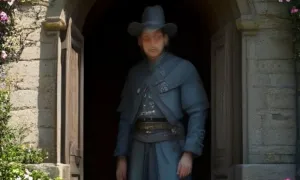
The visualisations are generated by artificial intelligence and serve as inspiration.
Tips from visitors
No tips yet. Be the first!
Log in and add your tip.
Sources and literature
Photos: Radek Bartoš / CC BY 3.0 — Wikimedia Commons. The author and licence also appear when you hover over the image.
Faktickým podkladem tohoto textu byl článek na Wikipedii, jehož autory jsou přispěvatelé Wikipedie. Článek je dostupný pod licencí CC BY-SA 4.0.
Location on the map
More monuments – Brodek u Prostějova
Show all in the municipality
Příběhy a pověsti
Legendy, pověsti a příběhy spjaté s touto památkou
Fotografie návštěvníků
Zatím žádné fotografie. Buďte první, kdo přidá fotografii z návštěvy!
Log in a přidejte svou fotografii nebo hodnoťte.
Za ověřenou návštěvu v aplikaci získáte víc bodů — poznáme podle GPS, že jste na místě.
Reviews and comments