






zámek Deštné Chateau
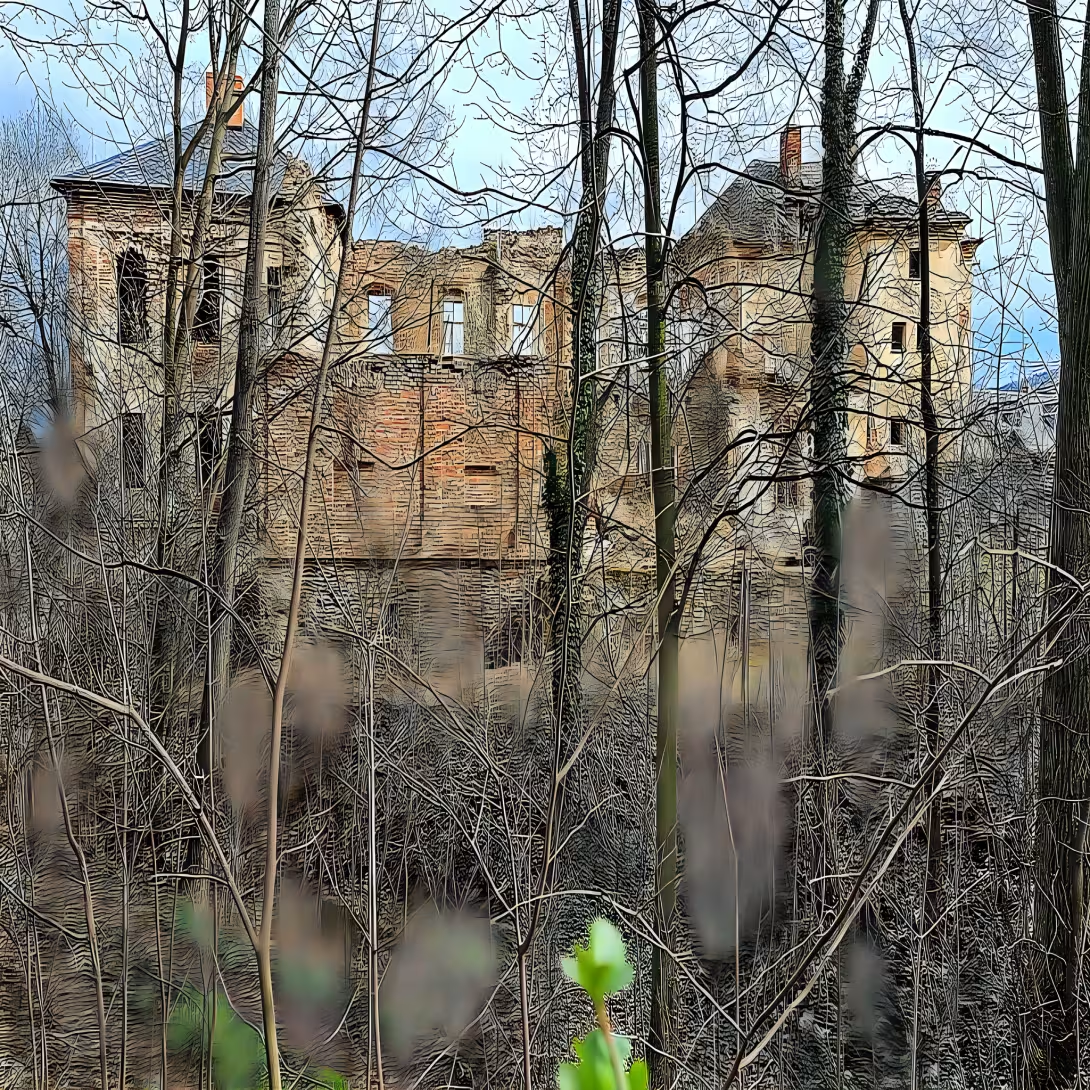
Zámek Deštné is a historical monument in the village of Deštné, within the Jakartovice district of Moravskoslezský kraj, Czech Republic. Originally built as a Gothic fortress, it transformed into a baroque-style castle during the 16th and 17th centuries, with its current appearance shaped by renovations between 1727 and 1730. Recognized as a cultural monument of the Czech Republic, Zámek Deštné is notable for its architectural evolution and historical significance.
The origins of Zámek Deštné date back to at least 1408 when it was first mentioned in historical records. At this time, Olomoucký biskup confirmed a fiefdom on Deštné with the fortress to Zikmund z Bítova. This early mention marks its documented history as an important regional structure. The castle's transformation from a Gothic fortress into a baroque-style edifice reflects broader architectural and political changes in Europe during this period, especially after the Thirty Years' War.
Architecturally, Zámek Deštné began as a Gothic fortress before being transformed into a baroque-style castle in the early 18th century. The renovations between 1727 and 1730 were pivotal in giving the castle its current appearance. Later, during the late 18th century, significant repairs included reinforcing the central part of the castle with timber framing, undertaken by Ondřej Renard in the 1760s.
Ownership and administration of Zámek Deštné have seen several notable changes over the centuries. After its initial mention in 1408, it was owned by various individuals, including Ondřej Renard in the late 18th century who conducted significant repairs. In 1936, Josef Morr became the last private owner before World War II. Following the war, in 1945, the castle was nationalized as part of the Beneš Decrees, which restructured property ownership across Europe. From 1951 onwards, it was managed by Československé státní statky until the late 20th century when it fell into disrepair.
Key events in the history of Zámek Deštné include its nationalization post-World War II and the collapse of its western wing in 1977. These highlight both the castle's resilience and vulnerability over time. The nationalization reflects broader geopolitical shifts, while the structural damage underscores challenges in preservation efforts.
Today, Zámek Deštné remains a site of historical interest despite being in disrepair since 1974. In the late 20th century, brothers Karel and Jan Trlicovi purchased the property and ensured its static stability, preserving it for future generations. As a cultural monument, it offers visitors insight into the architectural transformations and historical narratives that have shaped this region.
Zámek Deštné is not only an architectural marvel but also a testament to the rich history of the Czech Republic. Its journey from a Gothic fortress to a baroque castle encapsulates centuries of change and adaptation. Visitors are invited to explore its storied past, appreciating both its historical significance and ongoing preservation efforts.
Then and now
Drag the slider to compare how the landmark may have looked when it was built with the view today.
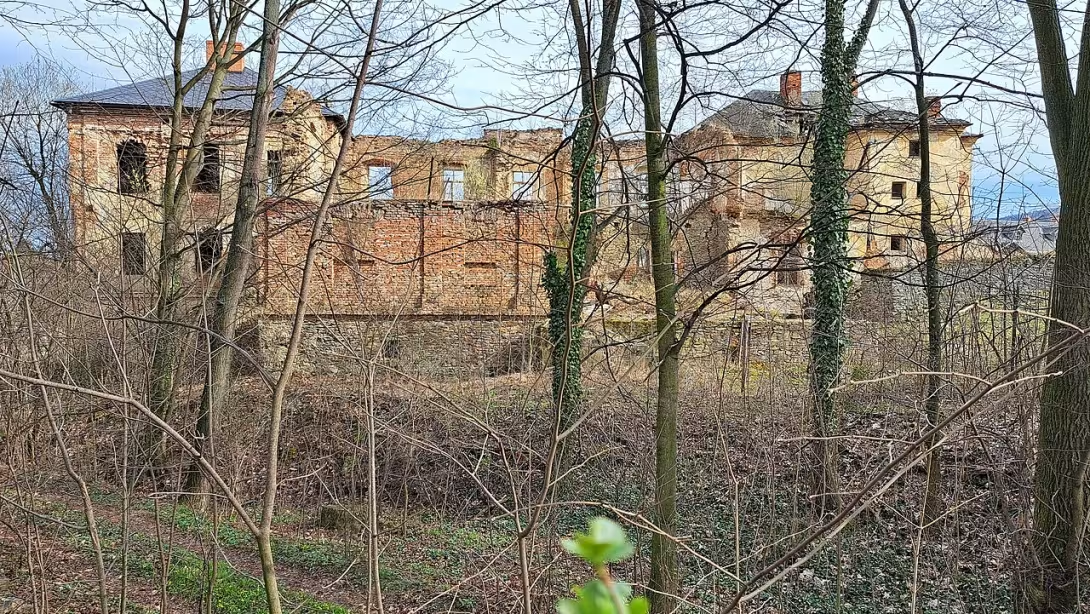

The historical appearance on the left is an AI-generated visualisation and serves as inspiration only.
Historical milestones
- 1408
- The Olomouc bishop confirmed the fiefdom at Deštné with the fortress for Zikmund of Bítov.
- 16th and 17th centuries
- The fortress was transformed into a Baroque château.
- 1727
- The château was rebuilt to its current appearance.
- 1730
- The reconstruction of the château was completed.
- 1760
- Ondřej Renard carried out repairs with a wooden truss system.
- 1945
- The château was managed by the state under the Beneš decrees.
Architectural development
Zámek Deštné began as a Gothic fortress, later transformed into a baroque-style castle in the early 18th century. Significant renovations occurred between 1727 and 1730, giving it its current appearance. The central part of the castle was reinforced with timber framing during repairs in the late 18th century.
Historical events
- 1408
- First mention of the fortress in historical records.
- 1945
- Castle was nationalized following Beneš Decrees.
- 1977
- Western wing of the castle collapsed.
Owners
- 1408
- 1936
- 1951
- 20. let 20. století
Points of interest
- One of the lesser-known facts about Zámek Deštné is that it was confirmed as a fiefdom with a fortress by Olomoucký biskup to Zikmund z Bítova in 1408, marking its early significance in regional history.
- An intriguing detail about the castle's architectural evolution is that during renovations between 1727 and 1730, it underwent a transformation from Gothic to baroque style, reflecting broader European trends following the Thirty Years' War.
- A curious aspect of Zámek Deštné’s history involves Ondřej Renard, who in the 1760s reinforced the central part of the castle with timber framing, showcasing innovative techniques for that era and highlighting its adaptive reuse over time.
- After World War II, Zámek Deštné was nationalized under the Beneš Decrees, a significant geopolitical shift that restructured property ownership across Europe, reflecting broader post-war changes in Czechoslovakia.
- Despite falling into disrepair since 1974, the castle's preservation was ensured by brothers Karel and Jan Trlicovi in the late 20th century, who focused on maintaining its structural stability for future generations.
Guide
This guide is narrated by a synthetic voice generated by artificial intelligence.
Show guide text
This text was created by artificial intelligence and has not been editorially reviewed. It may contain inaccuracies.
Castle Deštné originated from an originally Gothic stronghold. In the sixteenth and seventeenth centuries, it was rebuilt into a castle and acquired its present appearance during reconstruction between seventeen twenty-seven and seventeen thirty. It is protected as a cultural monument of the Czech Republic.
The first mention of the stronghold dates from fourteen oh eight. At that time, the Olomouc bishop confirmed to Zikmund of Bítov a fief on Deštné including the stronghold.
In the sixteen sixties, Ondřej Renard had the castle repaired. The central part was pulled together with tension rods and the castle wing was supported at the foundations. The chapel and the buildings of the farmyard were also repaired.
In nineteen thirty-six, Josef Morr became the last private owner. In nineteen forty-five, the castle was nationalized as German property under the Beneš decrees. From nineteen fifty-one, it was managed by the Czechoslovak state farms.
Since nineteen seventy-four, the castle has been in a state of disrepair and in nineteen seventy-seven its western wing collapsed. Twenty years later, the brothers Karel and Jan Trlica purchased the building and ensured its structural stabilization.
Tips for visitors
The best time to visit Zámek Deštné is during the late spring or early autumn months, from May to September. During this period, the weather is generally pleasant, making it ideal for exploring the castle grounds and enjoying outdoor activities. Additionally, these months often coincide with local festivals and events that can enhance your experience.
It's advisable to check current transport schedules in advance to plan your journey efficiently.
When visiting Zámek Deštné, it's recommended to bring comfortable walking shoes as there is a fair amount of ground to cover within the castle and its surroundings. Don't forget to wear weather-appropriate clothing, especially if you're planning to explore the gardens or nearby trails. A camera is also essential for capturing the stunning architecture and scenic views.
For photography enthusiasts, some of the best spots at Zámek Deštné include the main courtyard and the castle's façade during golden hour, which occurs shortly after sunrise or before sunset. The soft lighting during these times can create dramatic effects on the castle’s Gothic features. Inside, capturing details in the grand halls and rooms can be rewarding.
Nearby attractions within a 30-minute drive include the picturesque village of Deštné itself, known for its charming streetscapes and local shops. Additionally, nature lovers might enjoy visiting nearby hiking trails or exploring the natural landscapes that surround the area. These spots offer great opportunities for short excursions from the castle.
For families with children, Zámek Deštné offers a variety of activities to keep young visitors engaged. The expansive grounds are perfect for a family walk or picnic. Interactive tours may be available, providing educational insights into the history and architecture of the castle in an engaging way. Always check ahead for any special events or programs tailored for children.
Frequently asked questions
Can the monument be visited?
Some buildings of this kind are open for guided tours, others serve another purpose or are privately owned. We have not verified whether and when this monument is open – please ask the operator. According to the heritage register the structure is in poor condition – do not enter it and take care nearby.
What are the opening hours and admission?
We have not verified the opening hours or admission. Current information is published by the operator.
Where is the monument?
Location: Deštné č.p. 1, Jakartovice, Moravskoslezský kraj. The map on this page shows the exact spot.
Why is the monument protected?
It is listed in the Central List of Cultural Monuments of the Czech Republic as a cultural monument (register no. 17124/8-1354).
Businesses nearby
Do you run a restaurant, accommodation, shop, museum, rental, wellness or other visitor service near this monument? Show yourself directly to the people heading to it — this is how they will see you in the app and on the web:
Accommodation nearby
Themed route
Tematická Výletní Trasa: Zámek Deštné a Okolí
1. Zámek Deštné (Zámek) Začněte svou výletní trasu u samotného zámku, který je nejvýraznější památkou obce Deštné. Tento historický objekt byl postaven na počátku 18. století a sloužil jako sídlo místní šlechty. Zámek vyniká architektonicky svým barokním slohem, který je doplněn elegantními zahradami. Navštívte interiéry s bohatými freskami a historickou expozicí, která poskytuje vhled do života šlechtických rodů.
2. Kaple u Zámku (Kaple) Krátce po prozkoumání zámku se podívejte na kapli umístěnou v parku zámku Deštné. Tato malá, ale poutavá kaple je příkladem barokní architektury a sloužila jako místo modlitby pro obyvatele zámku i sousední vesnice. Její klidný prostor nabízí krásný pohled na okolní zahrady, což činí návštěvu ideálním odpočinkem po průzkumu zámku.
3. Park Zámku Deštné (Park) Prodloužením výletu do parku zámku si užijte přírodní krásy a klidné prostory, které okolní zahrady nabízejí. Park je plný stromů a trávníkových návrší, což vytváří ideální podmínky pro relaxaci nebo piknik. Prozkoumejte cesty vedoucí k místnímu rybníku, který je domovem různého druhu ptáků a poskytuje pohledy na klidná vodní ploutve.
4. Místní Obchody a Restaurace (Obchody/Restaurace) Po prozkoumání zámku a jeho okolí se podívejte do místního obchodu nebo restaurace v Deštném, kde si můžete poznat tradiční regionální pokrmy. Tyto místa jsou ideální pro relaxaci a užití z krásného venkovského prostředí, které nabízí obec Deštné. Zde si můžete nejen odpočinout, ale také objevit místní produkty a gastronomii.
Tato trasa vám umožní prozkoumat historický zámek Deštné a jeho okolí s důrazem na klidná a pohodlná místa, která nabízejí místní obec.
Seasonal recommendations
Jaro: In the spring season, Chateau Deštné offers stunning views of blooming shrubs and trees that enliven the surrounding landscape with vibrant colors. The sunnier weather attracts both locals and tourists to explore the chateau, leading to moderate crowds. This season is ideal for visiting due to its warm and sunny climate, which allows for a comfortable stroll around the chateau. We recommend wearing light clothing with an additional sweater or jacket for cooler mornings and evenings. Don't forget some sun protection as spring sunshine can be strong.
Léto: Summer at Chateau Deštné brings long days and warm weather, making it an ideal time to visit. However, caution is advised due to the potential for large crowds, especially during peak summer months when the chateau becomes a popular destination. The sunny and warm atmosphere offers opportunities for relaxation in the gardens or enjoying a picnic in the surrounding park area. We recommend visiting earlier in the afternoon to avoid peak crowds, and wearing light clothing with a hat or wide-brimmed gloves for sun protection. Don't forget to bring some extra water as well.
Podzim: The autumn season at Deštné is characterized by a colorful palette of leaves that provide serene and beautiful views. Temperature changes mean visits are often less frequent than in the summer months, allowing for a more relaxed tour. The atmosphere is mild and tranquil, idealized for photography and relaxation. We recommend wearing layered clothing to adjust to temperature fluctuations throughout the day. Given the shorter days, it's advisable to plan your visit so that it starts early in the afternoon.
Zima: Winter brings a cold and quiet environment around Chateau Deštné. Although the monument is in disrepair, it can be fascinating to see how the chateau transforms into an icy beauty under a blanket of snow. Warm clothing with a head covering and protective footwear are essential for a comfortable walk in the cold weather. The winter atmosphere offers a quieter environment without large crowds, ideal for those seeking calm and peaceful experiences.
Visualizations and artistic views


The visualisations are generated by artificial intelligence and serve as inspiration.
Photos from the area
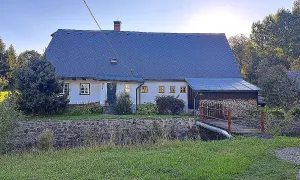
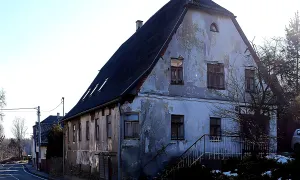
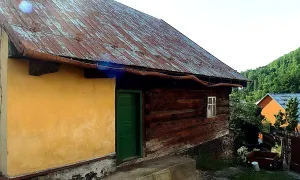
Real photos taken near the monument

Zdroj a licence jsou uvedeny u každého snímku.
Tips from visitors
No tips yet. Be the first!
Log in and add your tip.
Sources and literature
Photos: Mikuláš Galuszka / CC BY-SA 4.0, rozlišení zvýšeno umělou inteligencí — Wikimedia Commons. The author and licence also appear when you hover over the image.
Faktickým podkladem tohoto textu byl článek na Wikipedii, jehož autory jsou přispěvatelé Wikipedie. Článek je dostupný pod licencí CC BY-SA 4.0.
Location on the map
Příběhy a pověsti
Legendy, pověsti a příběhy spjaté s touto památkou
Fotografie návštěvníků
Zatím žádné fotografie. Buďte první, kdo přidá fotografii z návštěvy!
Log in a přidejte svou fotografii nebo hodnoťte.
Za ověřenou návštěvu v aplikaci získáte víc bodů — poznáme podle GPS, že jste na místě.
Reviews and comments