






zámek Kyjovice Chateau
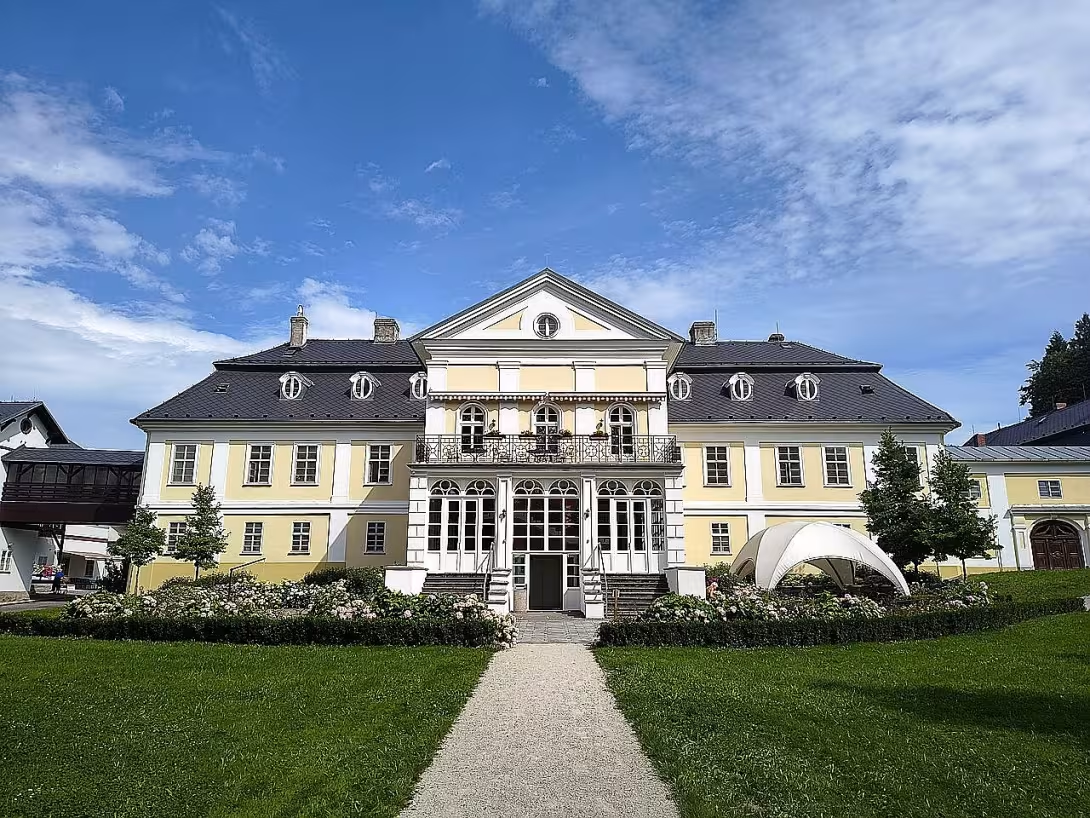
Zámek Kyjovice is a notable baroque-style castle located in the village of Kyjovice within Moravskoslezský kraj, Czech Republic. Constructed in 1783 by Hrabě Quidem Antonín z Kalkreuthu, it stands as an architectural testament to late 18th-century European aristocratic estates that symbolized power and culture during a time of significant political and cultural shifts influenced by the Enlightenment.
The castle is distinguished not only for its historical significance but also for its artistic elements, including two baroque sculptures from the same era. Architecturally, Zámek Kyjovice was initially designed in the baroque style, characterized by elaborate ornamentation and dramatic forms. In the early 19th century, it underwent significant modifications under Hrabě Arnošt Falkenhayn z Glošku, who transformed it into an Empire style—a reflection of the neoclassical movement that emphasized symmetry and simplicity.
This transformation was complemented by the establishment of a surrounding park featuring rare trees, enhancing the estate's aesthetic appeal. Throughout its history, Zámek Kyjovice has seen various owners and served multiple purposes. After Hrabě Falkenhayn's modifications, Bedřich Theodor hrabè Stolberg became the owner in 1915, maintaining possession until 1945 when political changes led to his expulsion and the estate's transfer to Charity administration.
In subsequent years, the castle adapted to new roles: it briefly housed an Okresní pomocná škola in 1950, followed by a Krajská škola pro mládež, and later a Družstevní učňovská škola. By 1966, the castle came under the administration of the Okresní výbor, Odboru sociálního zabezpečení, eventually becoming a home for the elderly in 1967. A significant restoration took place between 1999 and 2002, ensuring its preservation.
The site is also known for its artistic features, particularly two baroque sculptures of St. John Nepomucene and St. Florian located near the entrance road. These sculptures add to the historical ambiance of the castle grounds, reflecting the artistic tastes of their time.
Today, Zámek Kyjovice stands as a preserved piece of history, offering visitors insight into its architectural evolution and multifaceted past. Its transformation from an aristocratic residence to a community-serving institution highlights its adaptability and enduring relevance. Visitors are invited to explore this remarkable site, appreciating both its historical significance and the beauty of its surroundings. Zámek Kyjovice remains a testament to the cultural heritage of the region, making it a worthwhile destination for those interested in history and architecture.
Then and now
Drag the slider to compare how the landmark may have looked when it was built with the view today.
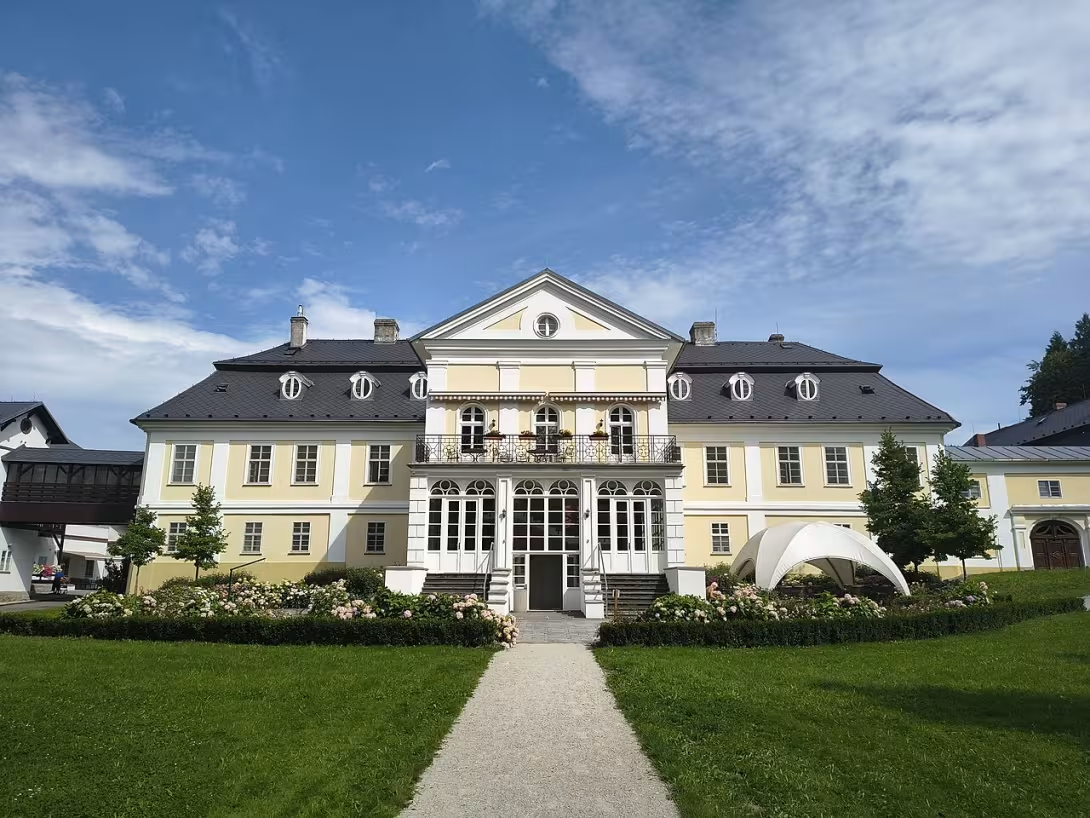
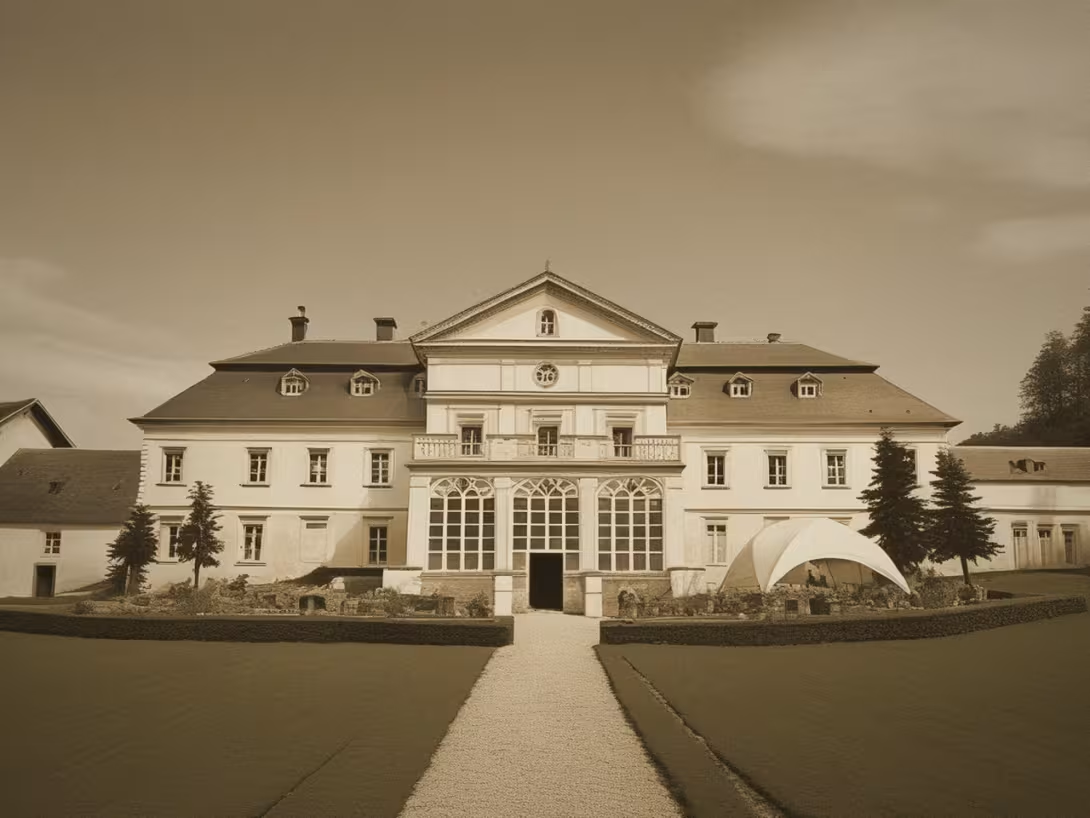
The historical appearance on the left is an AI-generated visualisation and serves as inspiration only.
Historical milestones
- 1783
- The Kyjovice Castle was built by Count Quid Antonín von Kalkreuth.
- c. 1800
- The castle was rebuilt in the Empire style under the direction of Count Arnošt Falkenhayn von Glošk.
- 1915
- Friedrich Theodor Count Stolberg became the owner of the castle.
- 1945
- The castle was transferred to a charitable administration after Friedrich Theodor Count Stolberg was expelled.
- 1950
- A District Auxiliary School opened in the castle.
- 1999
- A significant reconstruction of the castle began, which lasted until 2002.
Architectural development
Originally built in baroque style by Hrabè Quidem Antonín z Kalkreuthu in 1783, Zámek Kyjovice underwent significant modifications in the early 19th century when it was transformed into an Empire style by its owner, Hrabè Arnošt Falkenhayn z Glošku. The castle has been preserved in this style to date. In recent history, it served various educational and social functions before becoming a home for the elderly.
Historical events
- 1783
- Construction of Zámek Kyjovice began under Hrabě Quidem Antonín z Kalkreuthu.
- 1915
- Bedřich Theodor hrabè Stolberg became the owner of the castle.
- 1945
- The Stolbergs were expelled, and the estate was transferred to Charity administration.
Owners
Hrabě Quidem Antonín z Kalkreuthu (1783)
Hrabě Arnošt Falkenhayn z Glošku (early 19th century)
Bedřich Theodor hrabè Stolberg (1915-1945)
Charity administration post-1945
Okresní výbor, Odboru sociálního zabezpečení since 1966
Points of interest
- The transformation of Zámek Kyjovice from a baroque-style castle to an Empire style under Hrabě Arnošt Falkenhayn z Glošku reflects the broader European shift towards neoclassical architecture in the early 19th century, emphasizing symmetry and simplicity over elaborate ornamentation.
- A less-known fact about Zámek Kyjovice is its role as a home for the elderly starting in 1967, showcasing its adaptability to serve community needs beyond its original aristocratic purposes, thus contributing to local social welfare history.
- The baroque sculptures of St. John Nepomucene and St. Florian near the entrance road are not only artistic treasures but also reflect the religious influences prevalent during the castle's construction in 1783, highlighting the intertwining of faith and art in European aristocratic estates.
- Zámek Kyjovice's ownership by Bedřich Theodor hrabè Stolberg from 1915 until his expulsion in 1945 illustrates the impact of political changes on private properties during turbulent times, marking a significant transition in its history amidst shifting national boundaries and ideologies.
- Despite undergoing various transformations and serving different purposes over the years, Zámek Kyjovice underwent a major restoration between 1999 and 2002, ensuring its preservation as a historical monument and allowing contemporary visitors to appreciate its architectural evolution.
Guide
This guide is narrated by a synthetic voice generated by artificial intelligence.
Show guide text
This text was created by artificial intelligence and has not been editorially reviewed. It may contain inaccuracies.
The castle in Kyjovice was built in 1783 by Count Quido Antonín of Kalkreuth in the Baroque style. Two Baroque sculptures from the end of the 18th century stand by the approach road to the castle: a statue of Saint John of Nepomuk and a statue of Saint Florian.
In the first half of the 19th century, the castle belonged to Count Ernst Falkenhayn of Glošek. He had it renovated in the Empire style, and it is in this form that the castle has been preserved to this day. At the same time, the surrounding park with rare trees was created.
In 1915, the castle became the property of Bedřich Theodor, Count Stolberg. The Stolbergs remained in Kyjovice until 1945. At that time, the family was expelled from the municipality and the property was taken over by Charity for administration.
After that, the castle served schools for several years. At the beginning of 1950, a District Auxiliary School was established there, but it did not last long. Just a year later, a Regional School for Youth began operating in the building. In 1957, it was replaced by a Cooperative Apprentice School for Commerce and Cooking.
In 1966, the castle came under the District Committee, specifically under its Social Security Department. Since 1967, it has housed a retirement home. Between 1999 and 2002, the castle building underwent extensive reconstruction.
Tips for visitors
The best time to visit Zámek Kyjovice is during the late spring or early autumn months, from May to September. During this period, the weather is typically pleasant, allowing visitors to fully enjoy the castle's gardens and outdoor sculptures without the discomfort of extreme heat or cold. The natural lighting during these months also enhances the beauty of the baroque architecture and the surrounding landscape.
Public transport options are available, though specific routes and schedules should be checked beforehand using an online search tool or local transit resources.
When visiting Zámek Kyjovice, it's recommended to bring comfortable walking shoes as there may be some uneven paths or stairs within the estate. A hat, sunscreen, and water are also advisable, especially if you plan to explore the gardens during warmer months. Additionally, a camera is essential for capturing the picturesque views of the baroque sculptures and architecture.
For photography enthusiasts, the best spots at Zámek Kyjovice include the main entrance where the grandeur of the baroque style can be appreciated, as well as the areas surrounding the late 18th-century sculptures of St. John. Early morning or late afternoon light provides a soft glow that enhances the textures and details of the castle's façade and gardens.
Nearby attractions within a 30-minute drive include other historical sites in Moravskoslezský kraj, such as local museums or smaller castles that offer insights into the region’s history. These nearby locations can provide additional context to the cultural heritage surrounding Zámek Kyjovice and are perfect for extending your exploration of the area.
For families with children visiting Zámek Kyjovice, consider bringing along a picnic lunch to enjoy in one of the open spaces around the castle grounds. The estate's gardens offer a safe environment for kids to explore while parents can appreciate the historical features. Additionally, engaging children with stories about the baroque period or the history of Hrabě Quidem Antonín z Kalkreuthu might make the visit more interesting and educational.
Frequently asked questions
Can the monument be visited?
Some buildings of this kind are open for guided tours, others serve another purpose or are privately owned. We have not verified whether and when this monument is open – please ask the operator.
What are the opening hours and admission?
We have not verified the opening hours or admission. Current information is published by the operator.
Where is the monument?
Location: č.p. 1, Kyjovice, Moravskoslezský kraj. The map on this page shows the exact spot.
Why is the monument protected?
It is listed in the Central List of Cultural Monuments of the Czech Republic as a cultural monument (register no. 22598/8-1425).
Businesses nearby
Do you run a restaurant, accommodation, shop, museum, rental, wellness or other visitor service near this monument? Show yourself directly to the people heading to it — this is how they will see you in the app and on the web:
Events nearby
Zdroj akcí: otevřená data měst a obcí ČR (Národní katalog otevřených dat) a kalendář akcí Národního památkového ústavu.
Accommodation nearby
Themed route
Tematická výletní trasa zámek Kyjovice
1. Zámek Kyjovice (zámek) Začněte svou cestu u samotného Zámku Kyjovice, který je hlavním cílem vaší trasy. Tento historický zámek, nacházející se v obci Kyjovice, nabízí návštěvníkům pohled na klasicistní architekturu a bohatou historii regionu. Je to ideální místo pro ty, kteří mají zájem o historické památky a chtějí se dozvědět více o minulosti Moravskoslezska.
2. Park u Zámku Kyjovice (park) Po prozkoumání interiérů zámku si odpočiňte v parku u Zámku Kyjovice. Tento park nabízí krásné procházky mezi stromy a je ideálním místem pro relaxaci. Je to také skvělý prostor pro fotografování, zejména v příjemných počasích, kdy se zámek a park zdají ve svém nejlepším světle.
3. Kaple u Zámku Kyjovice (kaple) Následující bodem trasy je Kaple u Zámku Kyjovice. Tato kaple představuje důležitý náboženský a historický prvek v rámci zámkového areálu. Je to místo klidu, kde si můžete užít momentu sami sebou nebo navštívit pro modlitbu. Kaple je také zajímavá svým architektonickým designem a historickými prvky.
4. Nádvoří Zámku Kyjovice (nádvoří) Konečnou částí vaší trasy je procházka po nádvoří Zámku Kyjovice. Nádvoří nabízí pohled na zámek ze strany venkovního prostoru a je ideálním místem pro pozorování architektonických detailů. Můžete si užít klidné chvilky nebo se podívat na jakékoli výstavy či akce, které zde probíhají.
Tato trasa nabízí komplexní pohled na historii a kulturu oblasti Kyjovice prostřednictvím hlavní památky a jejího bezprostředního okolí.
Seasonal recommendations
Spring: The arrival of spring at Zámek Kyjovice brings a refreshing transformation as the surrounding landscape bursts into vibrant colors. Wildflowers carpet the grounds, and the gentle warmth encourages early blossoms in nearby gardens, creating an idyllic setting for visitors to explore. The soft light of longer days enhances the charm of the castle's architecture, making it a picturesque backdrop for photography. Visitors are advised to dress in layers as temperatures can vary throughout the day, and early mornings or late afternoons might offer a more tranquil experience before larger crowds gather.
Summer: Summer at Zámek Kyjovice is characterized by lush greenery and warm sunshine, ideal for outdoor activities around the castle grounds. The peak of tourist season means that visitors should plan their visit during off-peak hours to avoid large groups. Wearing comfortable footwear and light clothing is recommended due to the warmer temperatures. Additionally, bringing a hat or sunscreen can enhance comfort while exploring the extensive gardens and enjoying the scenic views.
Autumn: Autumn at Zámek Kyjovice offers a stunning display of fall foliage with vibrant reds, oranges, and yellows painting the landscape. The cooler weather creates a cozy atmosphere perfect for leisurely strolls through the castle’s grounds. As daylight hours shorten, it's advisable to plan visits earlier in the day to fully appreciate the natural beauty. Layered clothing is recommended to adapt to fluctuating temperatures, and visitors may find fewer crowds during this season.
Winter: Winter transforms Zámek Kyjovice into a serene and magical setting, with snow often blanketing the grounds and adding a touch of enchantment to the castle's historic architecture. The shorter days mean that visiting hours are limited, so it’s best to arrive early to make the most of your time. Dressing warmly in thermal layers, including gloves and hats, is essential for comfort during this season. While some areas may be less accessible due to snow, the quiet atmosphere provides a unique opportunity to experience the castle's charm in a more intimate setting.
Visualizations and artistic views


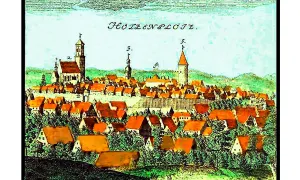
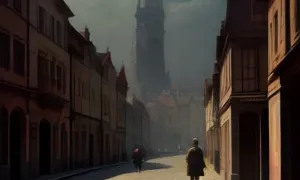
The visualisations are generated by artificial intelligence and serve as inspiration.
Photos from the area
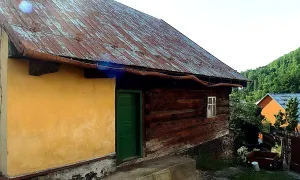
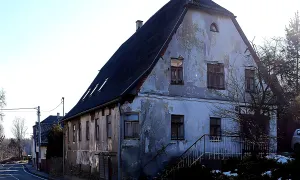
Real photos taken near the monument


Zdroj a licence jsou uvedeny u každého snímku.
Tips from visitors
No tips yet. Be the first!
Log in and add your tip.
Sources and literature
Photos: Ladin / CC BY-SA 3.0 — Wikimedia Commons. The author and licence also appear when you hover over the image.
Faktickým podkladem tohoto textu byl článek na Wikipedii, jehož autory jsou přispěvatelé Wikipedie. Článek je dostupný pod licencí CC BY-SA 4.0.
Location on the map
Příběhy a pověsti
Legendy, pověsti a příběhy spjaté s touto památkou
Fotografie návštěvníků
Zatím žádné fotografie. Buďte první, kdo přidá fotografii z návštěvy!
Log in a přidejte svou fotografii nebo hodnoťte.
Za ověřenou návštěvu v aplikaci získáte víc bodů — poznáme podle GPS, že jste na místě.
Reviews and comments