






Zámek Prstná Chateau
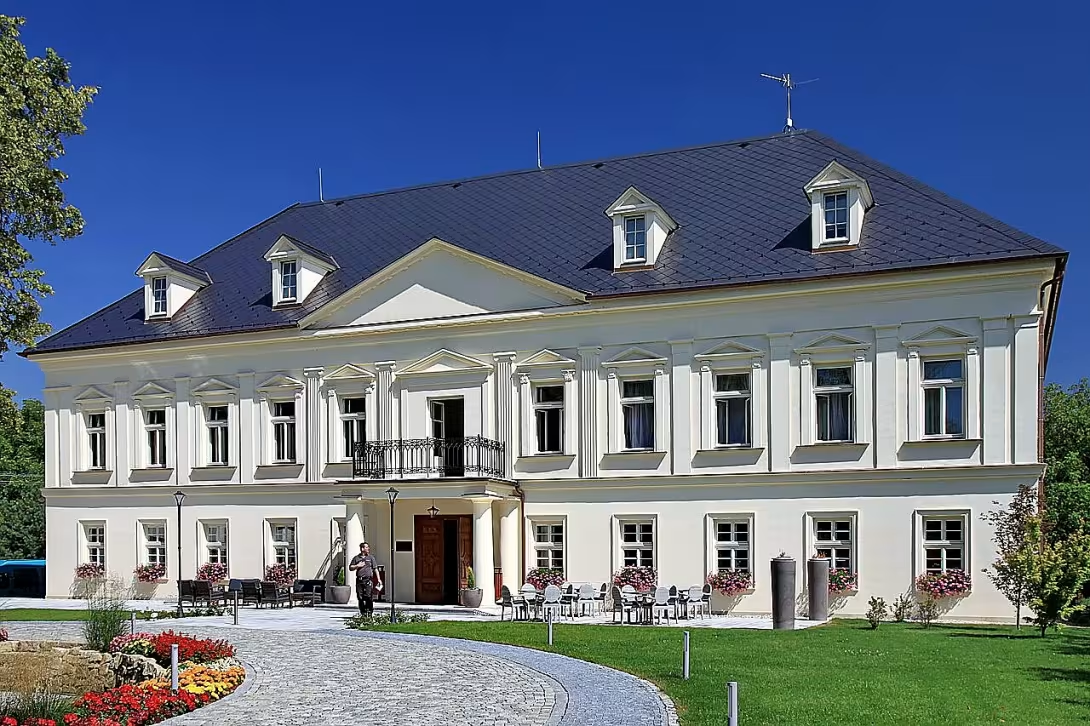
Zámek Prstná, located in the municipality of Prstná in the district of Karviná, Moravskoslezský kraj, is a classicist two-storey building entered in the list of cultural monuments before 1988. This historical object boasts a rich past and architectural features that make it an important cultural monument. The chateau was built at the end of the 18th century and underwent several stages of reconstruction and changes of ownership, which enriched its historical significance.
Zámek Prstná appeared as part of the Enlightenment Period in Central Europe, which affected the architecture and culture of that time. In the Czech Republic, this trend was evident in the development of classical style, which is also obvious at the Chateau Prstná. His founder was Knight Vojtěch Gussnar z Komorné, who purchased the land in 1796 and had the chateau built along with the English park.
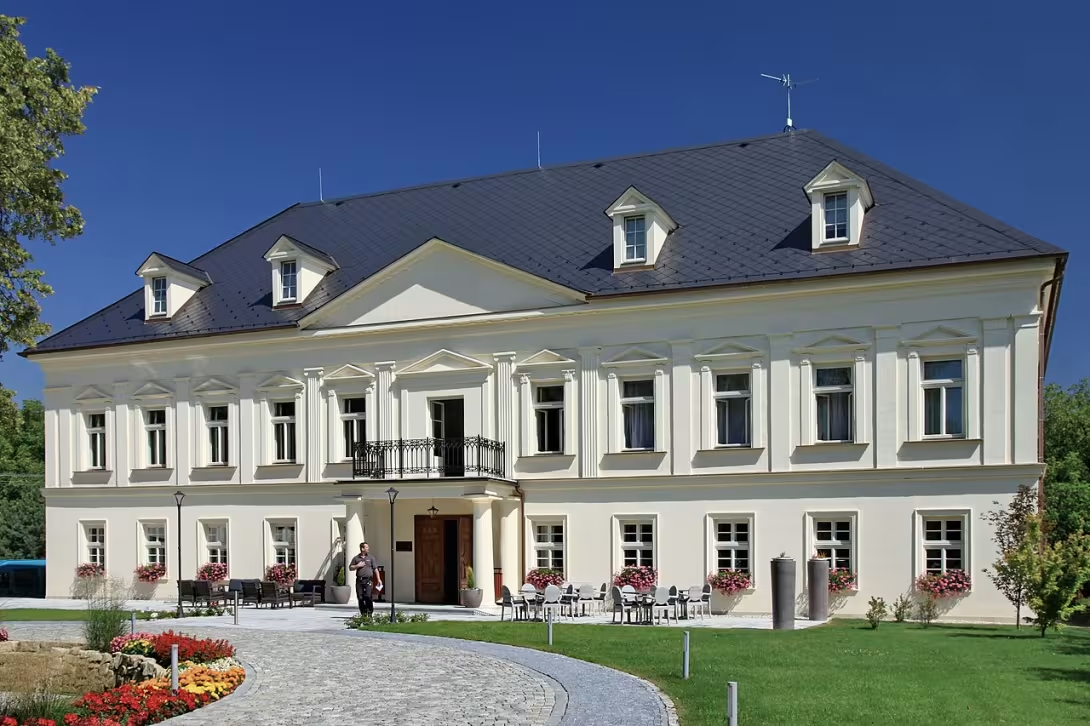
Architecturally, the Zámek Prstná is a classicist two-storey building with a floor plan L. The building features Tuscan columns, balcony entrance and stucco decoration. The main facade is eleven-axis, one-storey with windows and rectangular entrances. The windows on the ground floor are in a simple frame, while the windows on the floor have an editorial with pilasters without heels and volute headers. The facade is decorated with a cordon ledge and the roof ledge is profiled with pilasters between windows.
The chateau has undergone several changes in ownership. After Vojtěch Gussnar from Komorná, Jindřich hrabě Larisch Mönnich purchased it in 1893. In 1927 she became owner of Silesia-Teschen Sokol County, which reconstructed the chateau and set up a Czech elementary school on the first floor. During World War II, the chateau served as an internment camp for displaced Poles from Silesia and later as a munitions warehouse. In 1947, Wnuk's husbands became owners, followed by Unito - Jedność in Český Těšín in 1978, when the chateau was reconstructed. In 1999 there was restitution and in 2012 the chateau was purchased by TRESTLES, a.s., which made further repairs.
The park adjacent to the chateau was originally an English park, which was reconstructed in 2012- 2013. Glass sculptures Blanka Matragi were placed in the park, which made it attractive. The park also includes a covered parking lot and children's playground.
Today Zámek Prstná is open to visitors, allowing the public to appreciate its historical and architectural value. Its rich past and major reconstruction make it an interesting place for those interested in cultural monuments and the history of the region.
Zámek Prstná is not only an architectural pearl, but also a witness of many important events in Czech history. His visit offers a unique view of the past and an opportunity to honor the monument that has remained for future generations.
Then and now
Drag the slider to compare how the landmark may have looked when it was built with the view today.
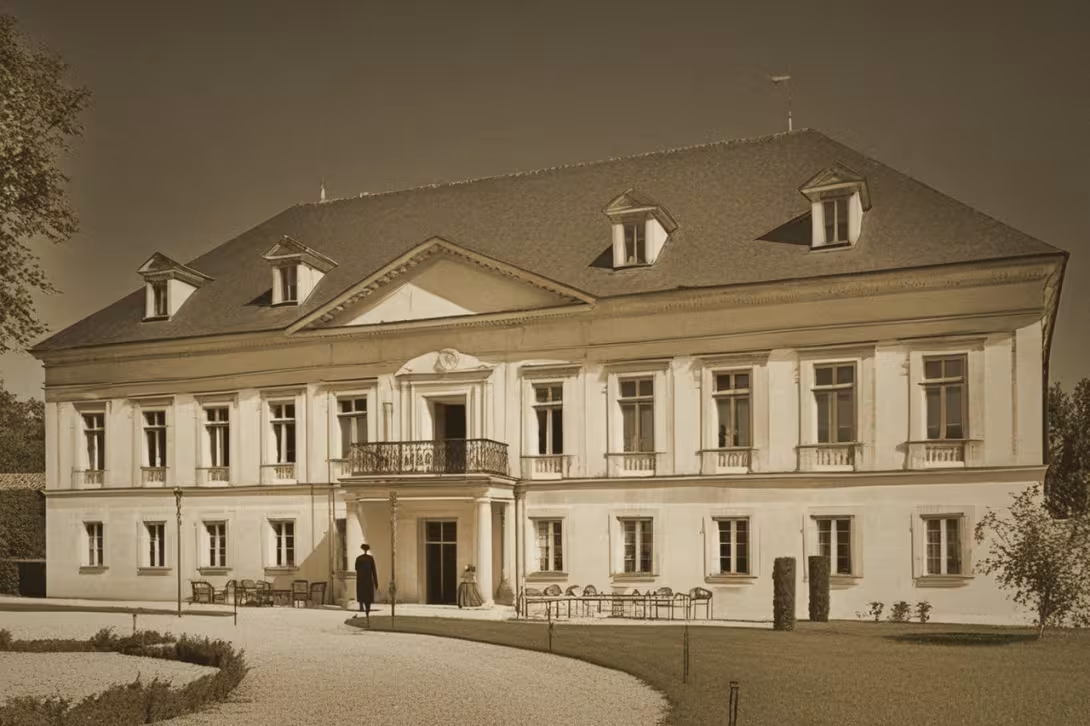
The historical appearance on the left is an AI-generated visualisation and serves as inspiration only.
Historical milestones
- The chateau was included in the list of cultural monuments before 1988.
Architectural development
The chateau is a classicist two-storey building with a floor plan L. The architecture includes Tuscan columns, balcony entrance and stucco decoration. Over the years, the chateau was reconstructed several times, most recently in 2012- 2013, when a complex repair of both the chateau itself and the park took place.
Historical events
- 1796
- The chateau was purchased by Vojtěch Gussnar from the Chamber.
- 1927
- The chateau was purchased by Silesia-Teschen Sokol County.
- 1947
- The owners became married to Wnuk.
- 1978
- The chateau was reconstructed and became the property of the team Unito - Jedność in Český Těšín.
Owners
- 1796
- 1893
- 1927
- 1947
- 1978
- 1999
- 2012
Points of interest
- Zámek Prstná is a classicist two-storey building included in the list of cultural monuments before 1988. - It was built in the late 18th century by the knight Vojtěch Gussnar of the Chamber, who purchased the land and had the chateau built along with the English park in 1796. - The chateau underwent several phases of reconstruction and changes of ownership, including periods like an internment camp during World War II and later as a munitions warehouse. - The park adjacent to the chateau was reconstructed in the years 2012- 2013, in which glass sculptures Blanka Matragi were placed. - Today Zámek Prstná is open to visitors and offers the public the opportunity to appreciate its historical and architectural value.
Guide
This guide is narrated by a synthetic voice generated by artificial intelligence.
Show guide text
This text was created by artificial intelligence and has not been editorially reviewed. It may contain inaccuracies.
Welcome! You are standing in front of the historic chateau Prstná, located in the village Prstná, in the Moravian-Silesian Region. The chateau is a wonderful display of classical architecture and stands before you like a rock that will consume your attention.
Let's move on to the beginning of this history. The chateau was built at the end of the 18th century by Knight Vojtěch Gussnar of the Chamber. He purchased the land and had the chateau built along with the English park in 1796. Vojtěch Gussnar z Komorné was a man who carried himself in the spirit of his time and tried to make his seat a symbol of his wealth and influence.
Notice how you can see a two-story lock. The facade is decorated with shields and nobodies that give the whole object an elegant and harmonious look. The chateau is built of stone and its facade is decorated with stucco. Take a look at the details and notice how the chateau architecture adapts to the natural surroundings.
Zámek Prstná has undergone several phases of reconstruction and ownership, which has enriched its historical significance. One of the major owners was Jindřich hrabě Larisch Mönnich. He entered the chateau history as a man who tried to save and renovate this beautiful mansion.
Now pay attention to how you can see the English park, which is part of the chateau. The park is an amazing example of nature and offers quiet space for walking.
Zámek Prstná is interesting because it is a classicist two-storey building entered in the list of cultural monuments before 1988. It is a fact that gives him exceptional status and indicates that he is a valuable cultural heritage.
Let's go back to the history of the chateau. Vojtěch Gussnar z Komorné was not the only person who entered the chateau history. Jindřich hrabě Larisch Mönnich was also an important character who tried to save and renovate the chateau.
Zámek Prstná is a place worth visiting. It is a historical monument that offers a wonderful example of classical architecture and nature. Wait a minute and feel the atmosphere you're experiencing. Zámek Prstná is a truly unique place that captures and captures you. Allow yourself to explore other parts of the chateau and its surroundings.
Tips for visitors
The best time to visit the chateau Prstná is in the spring or autumn season when nature is around in its most beautiful form and temperatures are pleasant. In addition, during these months cultural events associated with the history of the chateau are often held.
The best connections can be verified by using an online search engine or by contacting local transport services.
When visiting the chateau, bring protective clothes such as shoes and jackets, because the conditions in the country can change quickly. Don't forget to also bring an umbrella or umbrella depending on the weather.
Photography is very popular in the chateau Prstná, especially in the evening before sunset when beautiful light effects are captured. The best places for photos are gardens and horizons on the surrounding landscape.
In the vicinity of the chateau you can visit the historic pond, which is nearby and offers beautiful places for relaxation. It can be interesting for families with children to explore the surrounding forests, where it is possible to have a picnic or short walks.
Frequently asked questions
Can the monument be visited?
Some buildings of this kind are open for guided tours, others serve another purpose or are privately owned. We have not verified whether and when this monument is open – please ask the operator.
What are the opening hours and admission?
We have not verified the opening hours or admission. Current information is published by the operator.
Where is the monument?
Location: Prstná č.p. 1, Petrovice u Karviné, Moravskoslezský kraj. The map on this page shows the exact spot.
Why is the monument protected?
It is listed in the Central List of Cultural Monuments of the Czech Republic as a cultural monument (register no. 19225/8-814).
For kids
Imagine a beautiful chateau built in a forest that seems to be right out of dreams. It's a place full of secrets and adventures: Zámek Prstná! Once we get there, we feel like heroes of old legends. The building is so elegant and beautiful, you'd think you were in a transparent book with color pictures.
Businesses nearby
Do you run a restaurant, accommodation, shop, museum, rental, wellness or other visitor service near this monument? Show yourself directly to the people heading to it — this is how they will see you in the app and on the web:
Nearby
ITEX Show interactive overview of the surroundings - restaurants, accommodation, rentals and other places within a 15 km radius.
Data: OpenStreetMap contributors, 15 km radius.
‡ Historical monuments
- Statue of St. John Nepomuk (1.4 km)
- Pomnik św. Jana Nepomucena (3.1 km)
- Galeria Historia Miasta (5.1 km)
- Pałac w Zebrzydowicach (5.2 km)
- Chateau in Karviné- Fryštáta (5.4 km)
- Statue TGM (5.4 km)
- Pomnik Ofiar Marszu Śmierci (5.5 km)
- Łazienki I (5.6 km)
Restaurant and catering
- Castle Petrovi (0.0 km - Slovakia 2905 49)
- Adamo Restaurant (5.2 km)
- Le Caffé (5.4 km)
- Saga (5.9 km)
- Orlovka (10.7 km)
- Closing point
- Bar Babilon (12.2 km)
- Mini Ostrawa (12.7 km)
Accommodation
- Koleje Universita (4.1 km - On Outlook 1079 / 1)
- Willa "Dąbrówka" (5.2 km)
- Hotel "Dąbrówka" (5.2 km)
- Willa "Dąbrówka" II (5.2 km)
- Omega (7.0 km)
- Zajazd Astoria (8.9 km)
- Nasz Folwark (9.6 km)
- Hotel Sport (9.7 km)
› Rental and sports
- Pool Stars (4.3 km)
- 4F (5.2 km)
- Sportisimo (5.4 km)
- ToMaZi Bike (6.5 km)
- LagunA (6.8 km)
- Stadium Miejski (6.9 km)
- Hala Omega (7.0 km)
- Kola Go (8.6 km)
© Tourism and nature
- Dolina Mikołaja (5.5 km)
- Dwór Witchzaków (6.4 km)
- Kępa (8.2 km)
- Szubieniczne Wzgórze (11.8 km)
- Albrechtice, Paseky (12.8 km)
- Informacja (12.9 km)
- Horní Dry (zw) (12.9 km)
- Albrechtice (rozc.) (13.0 km)
Accommodation nearby
Themed route
Start from the village Prstná and direction to Karviná.
1. Church of St. Bartholomew (church) - worth visiting for its unique architecture and history. 2. Cities Prstná (municipal part) - worth visiting for its picturesque historical centre and local traditions. 3. Zámek Prstná (lock) - the main destination of the route is worth visiting for its history and architecture.
Seasonal recommendations
Spring: In the spring season the Prstná Chateau is surrounded by green meadows and forests that begin to awaken from winter sleep. The atmosphere is full of optimism and hope for a fresh start. Specific is also that some parts of the chateau are still closed, so visitors have the opportunity to see the garden architecture and natural beauty surrounding.
Practical advice: We recommend visiting the chateau in spring break when crowds of visitors are smaller. It is also good to bring an umbrella because spring is a period of frequent rains. The best time to visit the chateau is from 9 am to 11 am, when it is still relatively quiet.
Summer: The Prstná Chateau is full of life and energy in the summer season. The atmosphere is relaxed and relaxed, visitors can walk through the gardens and see the courtyard. Specific is that in the summer months the garden sculptures and fountains are fully active, which creates a pleasant variety for visitors.
Practical advice: We recommend visiting the chateau in the morning when crowds of visitors are smaller. It is also good to bring a sun screen and water because summer weather can be very hot. The best time to visit the chateau is from 9 am to 11 am, when it is still relatively quiet.
Autumn: In the autumn season the Prstná Chateau is surrounded by golden colors of fallen leaves and the atmosphere is full of melancholy and respect. It is also specific that some parts of the chateau are already closed, so visitors have the opportunity to see the garden architecture and natural beauty surrounding.
Practical advice: We recommend visiting the chateau in autumn holidays when crowds of visitors are smaller. It is also good to bring an umbrella, because autumn is a period of frequent rains. The best time to visit the chateau is from 9 am to 11 am, when it is still relatively quiet.
Winter: In the winter season the Prstná Chateau is surrounded by snow and ice and the atmosphere is calm and quiet. It is also specific that some parts of the chateau are closed so that visitors have the opportunity to see the garden architecture and natural beauty surrounding.
Practical advice: We recommend visiting the chateau in winter holidays when crowds of visitors are smaller. It's also good to bring warm clothes and headgear, because the winter is full. The best time to visit the chateau is from 10 a.m. to 12 a.m. when it is still relatively quiet.
Visualizations and artistic views


The visualisations are generated by artificial intelligence and serve as inspiration.
Photos from the area
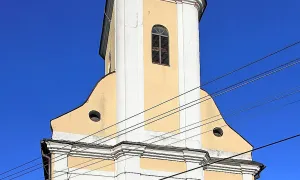
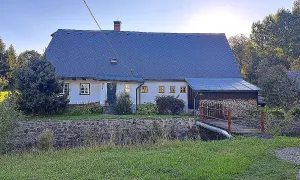
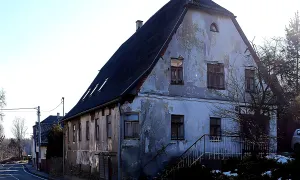
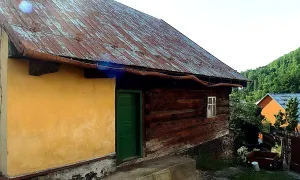
Real photos taken near the monument


Zdroj a licence jsou uvedeny u každého snímku.
Atmosphere of the place
This atmospheric visualisation of the place and period was generated by artificial intelligence. It is not real footage of the location.
Tips from visitors
No tips yet. Be the first!
Log in and add your tip.
Sources and literature
Photos: Hons084 / CC BY-SA 3.0 — Wikimedia Commons. The author and licence also appear when you hover over the image.
Faktickým podkladem tohoto textu byl článek na Wikipedii, jehož autory jsou přispěvatelé Wikipedie. Článek je dostupný pod licencí CC BY-SA 4.0.
Location on the map
Příběhy a pověsti
Legendy, pověsti a příběhy spjaté s touto památkou
Fotografie návštěvníků
Zatím žádné fotografie. Buďte první, kdo přidá fotografii z návštěvy!
Log in a přidejte svou fotografii nebo hodnoťte.
Za ověřenou návštěvu v aplikaci získáte víc bodů — poznáme podle GPS, že jste na místě.
Reviews and comments