



zámek Troubsko Chateau
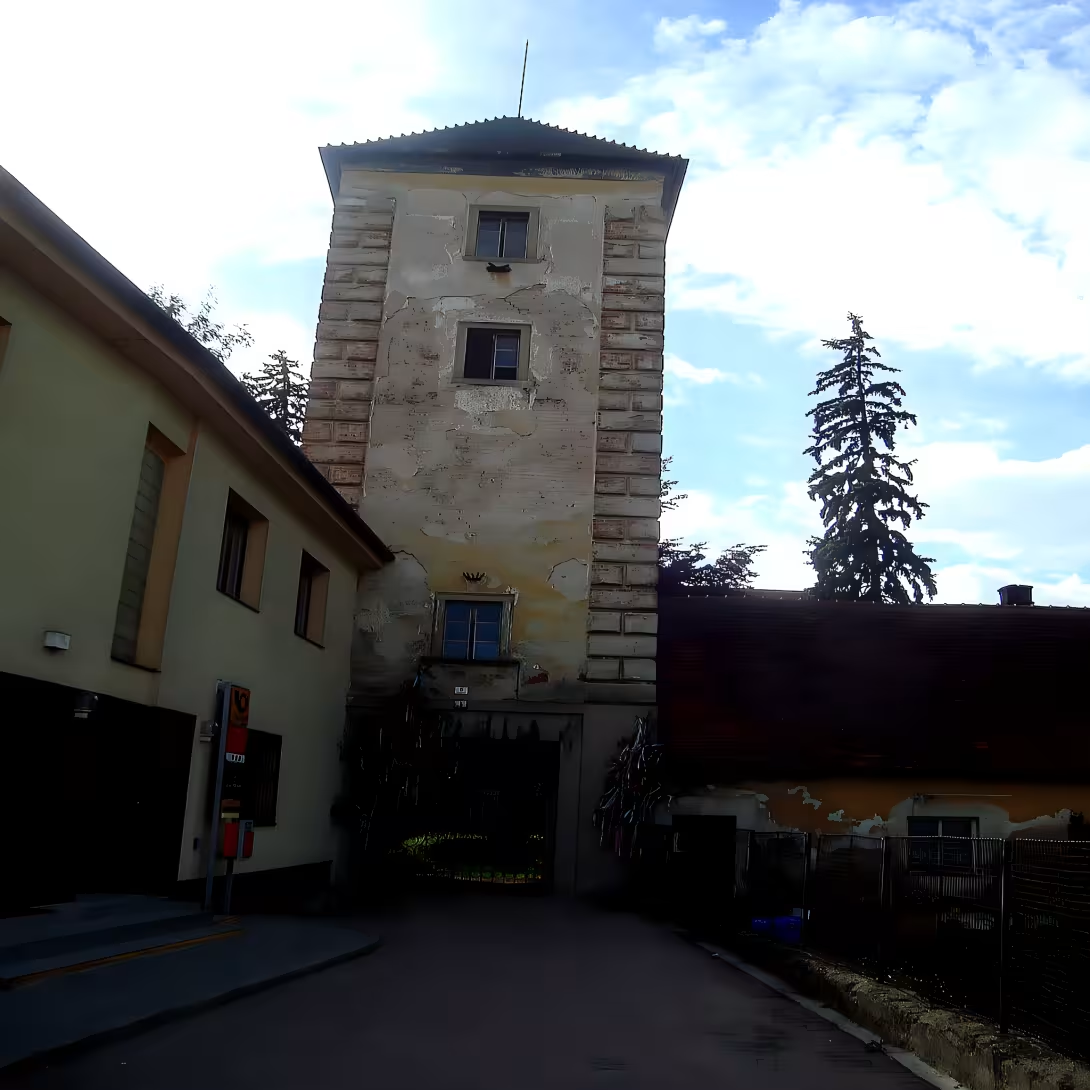
Zámek Troubsko is a Renaissance chateau located in the village of Troubsko, within the Brno-venkov District. It sits on the western edge of the village. This historical monument showcases architectural evolution from its origins as a fortified manor at the end of the 15th century to its transformation into a Renaissance and later Baroque structure. Recognized as a cultural monument of the Czech Republic, Zámek Troubsko is notable for its significant architectural changes over time and its historical importance.
The origin of Zámek Troubsko dates back to the late 15th century when it was initially established as a fortified manor. By 1573, under Jan Munka's commission, construction began on transforming this structure into a Renaissance chateau. Antonius Gabris, a Brno-based architect known for his work during this period, led the project. The original design intended to create a closed four-winged complex; however, only two perpendicular wings were completed. This architectural endeavor reflects broader cultural and artistic exchanges in Bohemia during the Renaissance, significantly influenced by Italian styles.
The architecture of Zámek Troubsko is characterized by its transition from Renaissance to early Baroque elements. The initial construction under Gabris laid the foundation for a structure that would later undergo significant modifications around 1660. These changes included adding an octagonal tower with a passageway, enhancing both aesthetic and functional aspects of the chateau. Surrounding economic buildings were also constructed during this period, contributing to the site's comprehensive design. This evolution in architectural style is indicative of broader trends in Bohemian architecture during the early Baroque period.
Ownership of Zámek Troubsko has seen several notable figures throughout its history. Initially built by Jan Munka, the chateau later came under Bedřich Hochberg's ownership after World War II when it was nationalized. Following political changes post-1989, the property was returned to Hochberg's descendants before being sold again. These shifts in ownership reflect broader socio-political transformations that have influenced the region over centuries.
Key events associated with Zámek Troubsko include its initial construction phase beginning in 1573 and significant architectural modifications around 1660. The addition of the octagonal tower during this period is a particularly noteworthy development, marking the chateau's transition into early Baroque style. These changes not only enhanced the structure's visual appeal but also its functionality within the estate.
Today, Zámek Troubsko remains an important cultural and historical site. As a protected monument, it offers visitors insight into architectural styles that have shaped the region over centuries. The surrounding area, including the former chateau park with its late Baroque pavilion, adds to the scenic and historical value of the site. Visitors are encouraged to explore this remarkable example of Renaissance and Baroque architecture, appreciating its significance within Czech cultural heritage.
Zámek Troubsko stands as a testament to the rich architectural history of the region, offering visitors a unique glimpse into the past. Its evolution from a fortified manor to a Renaissance chateau with Baroque modifications highlights the dynamic nature of historical preservation. This site is not only an important cultural monument but also a captivating destination for those interested in exploring Czech history and architecture.
Then and now
Drag the slider to compare how the landmark may have looked when it was built with the view today.
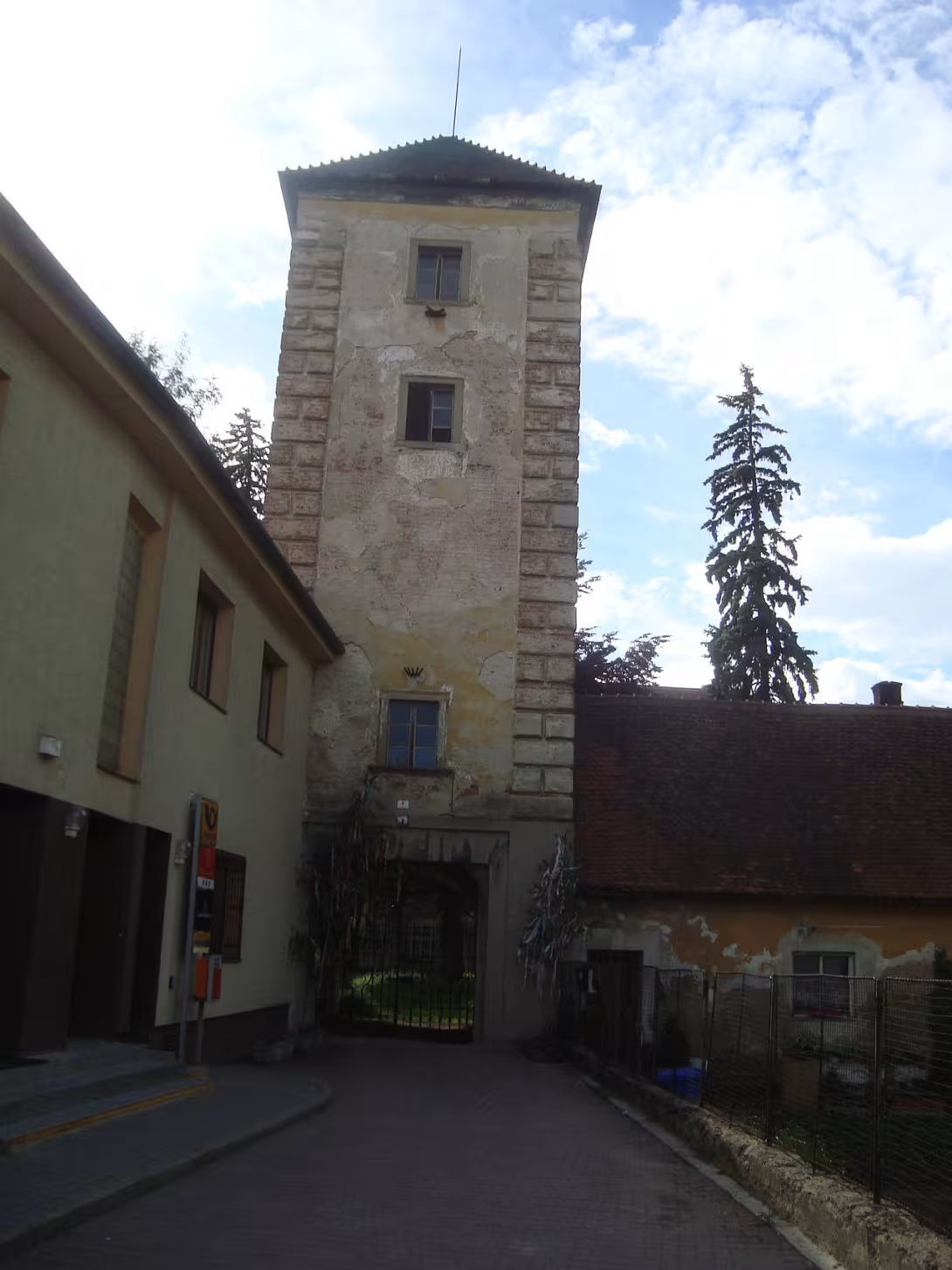
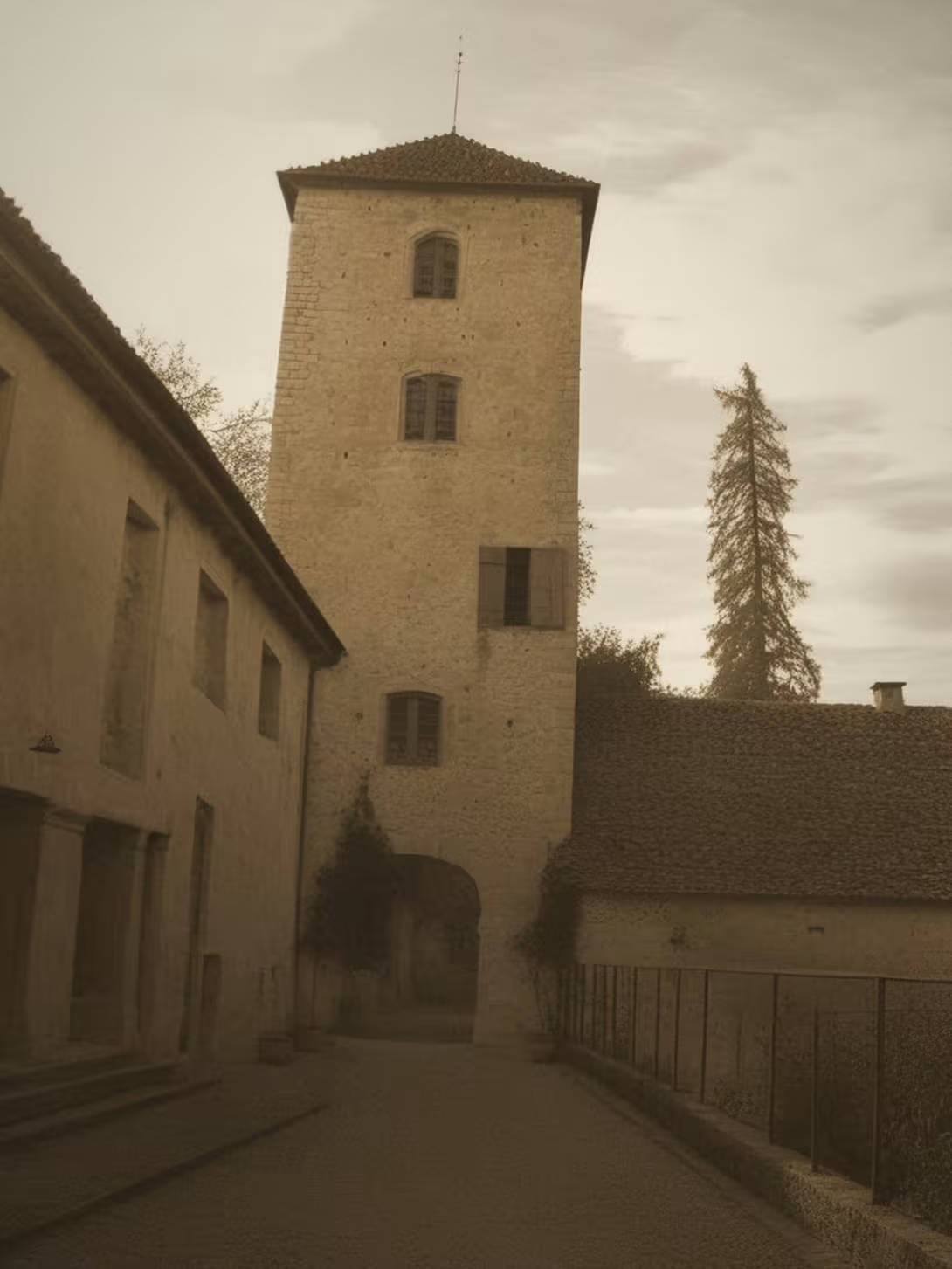
The historical appearance on the left is an AI-generated visualisation and serves as inspiration only.
Historical milestones
- end of the 15th century
- The founding of Troubsko as a fortified stronghold.
- 1573
- The beginning of the construction of the Renaissance chateau under Jan Munka.
- around 1660
- Significant architectural changes, including the addition of an octagonal tower.
- after 1989
- The return of property to the Hochberg family after political changes.
Architectural development
The original fortified manor was transformed into a Renaissance chateau starting in 1573. The initial plan for a closed four-winged structure resulted in only two perpendicular wings being built. Around 1660, the chateau underwent early Baroque modifications, including the addition of an octagonal tower with a passageway and surrounding economic buildings.
Historical events
Beginning of Renaissance chateau construction in 1573 by Jan Munka.
Early Baroque modifications around 1660, including the addition of an octagonal tower.
Owners
Jan Munka (1573), Bedřich Hochberg (post-World War II until 1989), Hochberg descendants (after 1989)
Guide
This guide is narrated by a synthetic voice generated by artificial intelligence.
Show guide text
This text was created by artificial intelligence and has not been editorially reviewed. It may contain inaccuracies.
Troubsko Castle is located on the western edge of Troubsko in the Brno-venkov district and is protected as a cultural monument of the Czech Republic.
A fortified manor used to stand on this site. References to it date back to the end of the 15th century. In 1573, the beginning of construction of a Renaissance castle is mentioned. It was commissioned by the then owner of the estate, Jan Munka, and he entrusted the construction to the Brno builder Antonio Gabrim. The castle was originally supposed to have four wings around a closed courtyard. However, only two were built, which connect perpendicularly to each other.
Around 1660, the castle underwent early Baroque modifications. At the entrance to the grounds, a pyramid-shaped tower with a passage was then built, and agricultural buildings were constructed around it.
After the Second World War, the grounds were expropriated from the then owner Bedřich Hochberg, and the neighboring state farm began to use it. After 1989, the Hochberg descendants regained the castle, which they later sold.
Frequently asked questions
Can the monument be visited?
Some buildings of this kind are open for guided tours, others serve another purpose or are privately owned. We have not verified whether and when this monument is open – please ask the operator.
What are the opening hours and admission?
We have not verified the opening hours or admission. Current information is published by the operator.
Where is the monument?
Location: Zámecká 1/6, Troubsko, Jihomoravský kraj. The map on this page shows the exact spot.
Why is the monument protected?
It is listed in the Central List of Cultural Monuments of the Czech Republic as a cultural monument (register no. 32053/7-1054).
Businesses nearby
Do you run a restaurant, accommodation, shop, museum, rental, wellness or other visitor service near this monument? Show yourself directly to the people heading to it — this is how they will see you in the app and on the web:
Events nearby


Zdroj akcí: otevřená data měst a obcí ČR (Národní katalog otevřených dat) a kalendář akcí Národního památkového ústavu.
Nearby
Zámek Troubsko is situated on the western edge of the village of Troubsko. The area includes a former chateau park enhanced by a late Baroque pavilion, contributing to its historical and scenic value.
Accommodation nearby
Trips and activities nearby
Guided tours, tickets and activities nearby from GetYourGuide
Affiliate link: if you buy from the partner, we may receive a commission. The price for you does not change.
Search tours and activities →Themed route
Tematická výletní trasa zámek Troubsko
1. Zámek Troubsko
Typ: Historický zámek
Proč stojí za návštěvu: Zámek Troubsko je klíčovou památkou umístěnou na západním okraji vesnice Troubsko. Tento historický komplex nabízí pohled do minulosti s jeho architektonicky zajímavými prvky a bohatou historií, která přitahuje návštěvníky zájmem o kulturní dědictví.
2. Bývalý zámekový park
Typ: Park s architektonickým prvkem
Proč stojí za návštěvu: Původní zámekový park byl obohacen pozdně barokním pavilónem, který dodává krajině jedinečnou estetickou hodnotu. Park je ideálním místem pro relaxaci a procházku v příjemné zelené atmosféře, kde si návštěvníci mohou užít klid a krásy přírody.
3. Pozdně barokní pavilón
Typ: Architektonický prvek v parku
Proč stojí za návštěvu: Tento pavilón je významnou součástí zámku Troubsko a přispívá k historickému i estetickému charakteru celého areálu. Jeho architektura odráží elegance pozdně barokní doby, což ho činí zajímavým pro milovníky historie a architektury.
4. Procházka po zámku
Typ: Vnitřní prohlídka
Proč stojí za návštěvu: Navštívili jsme všechny vnější atrakce, je čas se ponořit do interiéru samotného zámku. Procházka po jeho prostranných sálech a komorách nabízí návštěvníkům hlubší vhled do života, který zde kdysi probíhal, a umožňuje si užít historické detaily a dekorace.
5. Nádvoří zámku
Typ: Historické nádvoří
Proč stojí za návštěvu: Návštěva nádvorí zámku Troubsko uzavírá výlet pohledem na toto klíčové místo, které bylo kdysi srdcem života a aktivity na zámku. Zde si můžete užít panoramatický pohled na celý areál a připomenout si své nejlepší dojmy od návštěvy tohoto historického místa.
Tato trasa nabízí komplexní zážitek, který spojuje architektonickou krásu s historickým významem a přírodním klidem.
Seasonal recommendations
Spring: Visiting Troubsko Chateau during spring offers a unique experience as the surrounding landscape bursts into life with vibrant colors and fresh blooms, creating an enchanting atmosphere. The chateau grounds are adorned with blooming flowers and lush greenery, providing picturesque views that enhance the historical charm of the site. Visitors should consider wearing comfortable shoes for exploring the gardens and bringing a light jacket in case of cooler temperatures typical of this season. Although crowds can be moderate as families and nature enthusiasts flock to see the springtime splendor, arriving early ensures a more peaceful exploration.
Summer: The summer months at Troubsko Chateau are characterized by long daylight hours and warm weather, making it an ideal time for outdoor activities around the chateau grounds. The lush greenery is at its peak, offering perfect conditions for picnics or leisurely walks. However, this season also attracts larger crowds, so it's advisable to arrive early to avoid the busiest times. Light, breathable clothing is recommended, along with sun protection such as hats and sunscreen. This period often marks the chateau’s main visiting season, providing vibrant events that enhance the historical experience.
Autumn: Autumn at Troubsko Chateau presents a serene and picturesque setting, with the landscape transformed into warm hues of red, orange, and yellow. The cooler temperatures make for comfortable exploration, while the reduced number of visitors compared to summer allows for a more intimate encounter with the chateau's beauty. This season is perfect for photography enthusiasts looking to capture stunning autumnal scenes.
Winter: Winter transforms Troubsko Chateau into a magical winter wonderland, with snow-covered grounds offering a unique and enchanting atmosphere that contrasts beautifully with the chateau's historical architecture. Although some areas might be less accessible due to weather conditions, the season provides a peaceful setting for those looking to enjoy the quiet beauty of the site. Visitors should dress warmly in layers, including thermal wear and waterproof outer garments, as temperatures can be quite cold.
Visualizations and artistic views


The visualisations are generated by artificial intelligence and serve as inspiration.
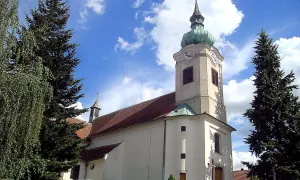
Photos from the area
Real photos taken near the monument

Zdroj a licence jsou uvedeny u každého snímku.
Atmosphere of the place
This atmospheric visualisation of the place and period was generated by artificial intelligence. It is not real footage of the location.
Tips from visitors
No tips yet. Be the first!
Log in and add your tip.
Sources and literature
Photos: Dendrofil / CC BY-SA 3.0, rozlišení zvýšeno umělou inteligencí — Wikimedia Commons. The author and licence also appear when you hover over the image.
Faktickým podkladem tohoto textu byl článek na Wikipedii, jehož autory jsou přispěvatelé Wikipedie. Článek je dostupný pod licencí CC BY-SA 4.0.
Location on the map


Příběhy a pověsti
Legendy, pověsti a příběhy spjaté s touto památkou
Fotografie návštěvníků
Zatím žádné fotografie. Buďte první, kdo přidá fotografii z návštěvy!
Log in a přidejte svou fotografii nebo hodnoťte.
Za ověřenou návštěvu v aplikaci získáte víc bodů — poznáme podle GPS, že jste na místě.
Reviews and comments