



Žerotín (zámek) Chateau
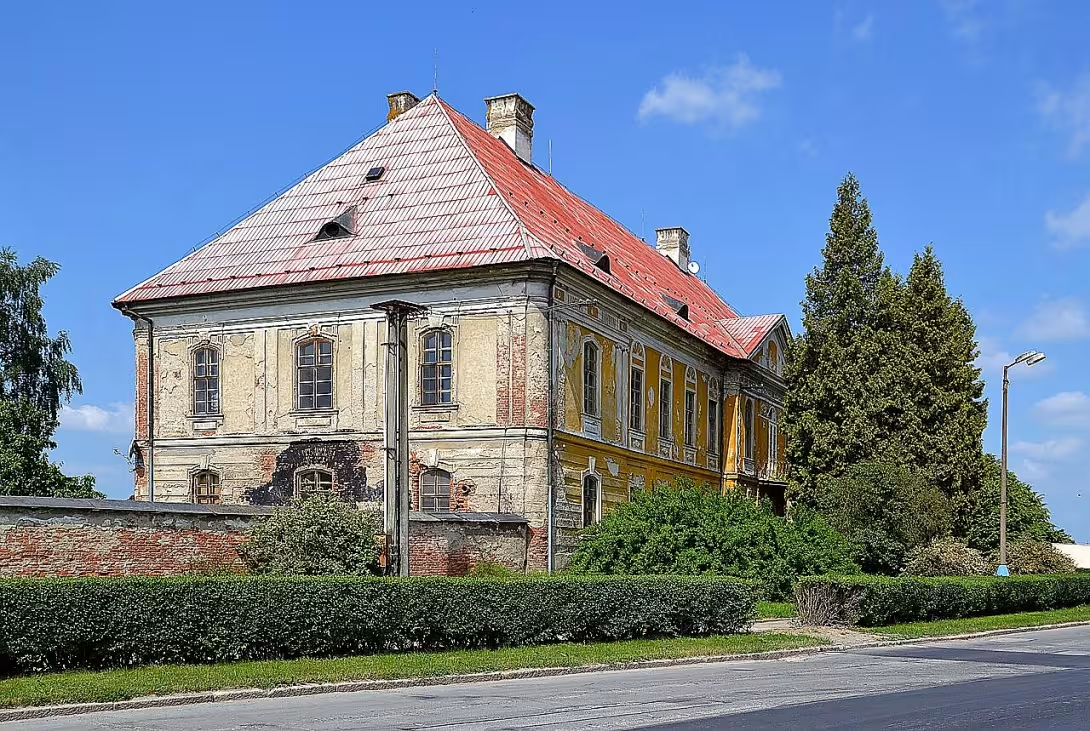
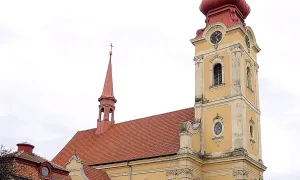
Žerotín Chateau stands as a testament to 18th-century architectural evolution in the village of Žerotín within the Olomouc District. Built during the mid-1700s by the Šternberští augustiniáni, this baroque-classical zámek is notable for its cultural significance and historical transformations. Recognized as a protected cultural monument of the Czech Republic, it offers insights into the region's past through its varied roles—from a noble residence to a hospital, brewery, and agricultural cooperative headquarters.
The origins of Žerotín Chateau are rooted in the mid-18th century when the Šternberští augustiniáni constructed it as their residence. This period was marked by baroque influences across Bohemia, then part of the Habsburg Monarchy. The chateau's initial design reflected architectural trends of the time, characterized by an oblong floor plan typical of baroque style.
Architecturally, Žerotín Chateau began as a baroque structure but underwent significant changes over the centuries. In the 19th century, the Saint Genois family acquired the property and transformed it into a classical-style edifice, reflecting their taste and architectural trends of that era. This renovation marked a shift from its original design, illustrating the chateau's adaptability to different aesthetic preferences.
Ownership of Žerotín Chateau has seen several notable transitions. Initially held by the Šternberští augustiniáni, it later came into the possession of the Saint Genois family, who were responsible for its classical renovations. Subsequently, the Lichtenstein family acquired the chateau and repurposed it as a brewery. During the communist era, it was managed by a local agricultural cooperative, leading to significant deterioration due to its use as offices and storage facilities.
Throughout its history, Žerotín Chateau has witnessed various key events that highlight its multifaceted role in the community. In the late 18th century, it served as a hospital, providing medical care during a time when such facilities were scarce. The classical renovations by the Saint Genois family in the 19th century further underscored its importance as a cultural and architectural landmark.
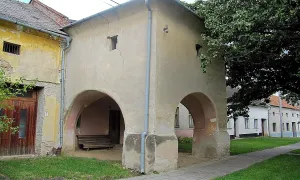
Today, Žerotín Chateau remains privately owned but is unfortunately in a state of disrepair. Despite this, it continues to attract visitors interested in its historical significance and unique features. Within the chateau park lies a small pond and an oak-carved gazebo known locally as "Koráb," adding charm to the site's natural surroundings.
Visiting Žerotín Chateau offers a glimpse into the rich tapestry of Czech history, from its baroque origins to its classical transformations. Its enduring presence in the Olomouc District serves as a reminder of the region's cultural heritage and architectural evolution. For those intrigued by historical narratives and architectural diversity, Žerotín Chateau is undoubtedly worth exploring.
Then and now
Drag the slider to compare how the landmark may have looked when it was built with the view today.
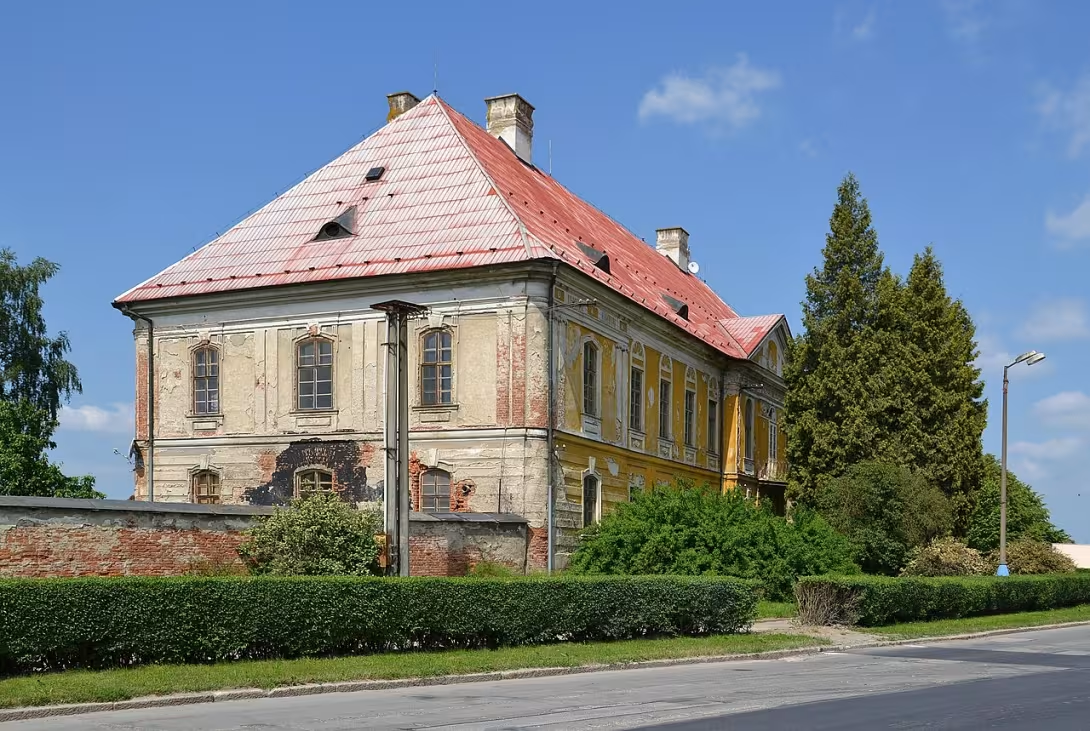
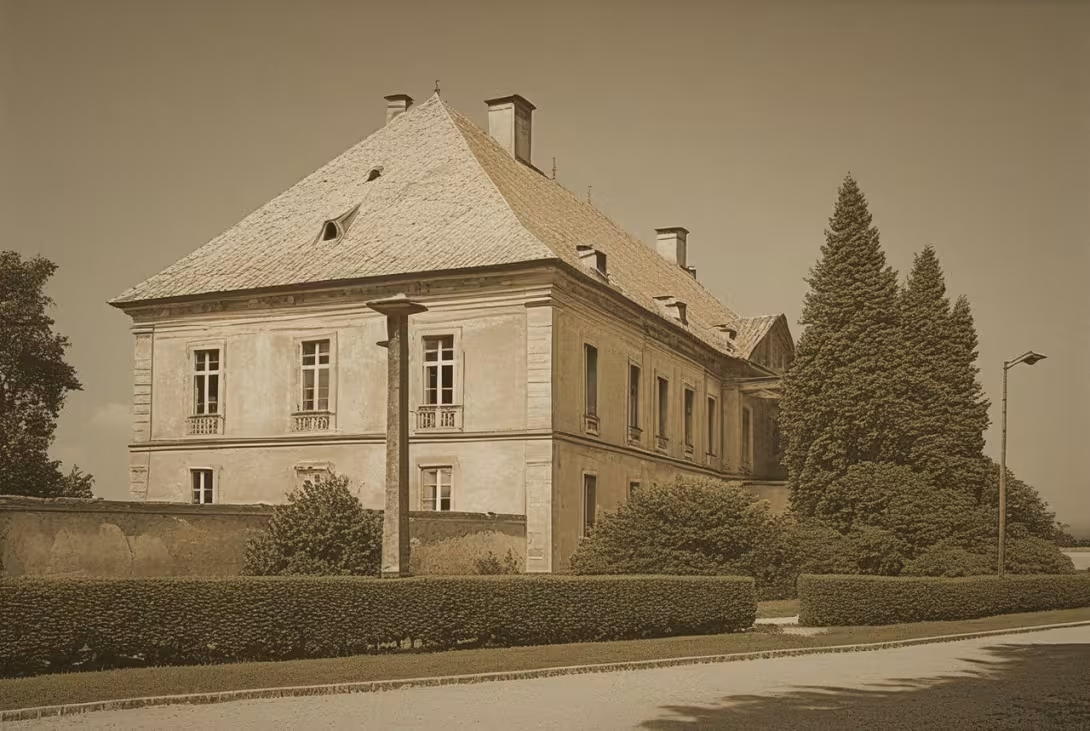
The historical appearance on the left is an AI-generated visualisation and serves as inspiration only.
Historical milestones
- 1750
- Šternberští augustiniáni constructed Žerotín Chateau.
- 1800
- Saint Genois family acquired and renovated the chateau in classical style.
- 1900
- Lichtenstein family repurposed it as a brewery.
- 1948
- Chateau managed by agricultural cooperative during communist era.
Architectural development
Originally built in the baroque style by the Šternberští augustiniáni, the chateau underwent significant changes when the Saint Genois family later renovated it in a classical style. Its architectural evolution reflects its varied uses over time.
Historical events
In the late 18th century, the chateau was used as a hospital.
During the 19th century, the Saint Genois family undertook classical renovations.
Owners
Initially owned by the Šternberští augustiniáni in the late 18th century, it was later acquired by the Saint Genois family who renovated it in the classical style. In the subsequent period, it belonged to the Lichtenstein family and served as a brewery. During communism, it was managed by a local agricultural cooperative.
Points of interest
- Žerotín Chateau was built in the mid-18th century by the Šternberští augustiniáni as a baroque-style residence. - The chateau underwent significant architectural changes in the 19th century when it was transformed into a classical-style edifice by the Saint Genois family. - It has served various roles throughout its history, including being used as a hospital and later repurposed as a brewery by the Lichtenstein family. - During the communist era, Žerotín Chateau was managed by a local agricultural cooperative, leading to deterioration due to its use for offices and storage. - Despite being in disrepair today, it remains privately owned and continues to attract visitors interested in its historical significance.
Guide
This guide is narrated by a synthetic voice generated by artificial intelligence.
Show guide text
This text was created by artificial intelligence and has not been editorially reviewed. It may contain inaccuracies.
Žerotín Castle stands in the village of the same name in the Olomouc district. It is a baroque-classical building from the mid-eighteenth century with a typical rectangular floor plan. The castle is protected as a cultural monument of the Czech Republic.
It was built by the Šternberk Augustinians as their residence. At the end of the eighteenth century, the building served as a hospital. In the nineteenth century, the Saint Genois family became its owners and had the entire castle classically renovated. Later the castle belonged to the Lichtensteins and at that time it housed a sugar factory.
After the onset of communism, the castle was acquired by an agricultural cooperative. The local unified agricultural cooperative had offices and storage facilities in it, which led to the complete devastation of the building.
Today the castle is once again in private ownership, but it continues to deteriorate. The castle is accompanied by a park with a small pond. In it there is also a gazebo for four people carved from oak, which is commonly called Koráb.
Tips for visitors
The best time to visit Žerotín Chateau is during late spring or early autumn, when the weather is pleasant for exploring the outdoor areas without the summer crowds. The natural surroundings are particularly beautiful during these seasons, with vibrant greenery in spring and warm hues in autumn. Additionally, visiting on a weekday can provide a more tranquil experience compared to weekends.
The village setting offers a charming approach to the site.
When visiting Žerotín Chateau, consider bringing comfortable walking shoes as there are several areas to explore on foot. A camera or smartphone is recommended for capturing the picturesque views of the chateau and its natural surroundings. Don’t forget sunscreen and a hat if you plan to spend time outdoors during sunny days.
Photography enthusiasts will find the best spots around Žerotín Chateau in the early morning or late afternoon when the light is soft, casting beautiful shadows across the baroque architecture and surrounding landscape. The small pond and oak-carved gazebo nearby also offer unique photo opportunities with their serene settings.
Within a 30-minute drive from Žerotín Chateau, visitors can explore other attractions in the rural Czech countryside. Nearby villages often feature charming local markets or traditional festivals that provide insight into regional culture. These excursions are perfect for extending your visit and experiencing more of what the area has to offer.
Frequently asked questions
Can the monument be visited?
Some buildings of this kind are open for guided tours, others serve another purpose or are privately owned. We have not verified whether and when this monument is open – please ask the operator. According to the heritage register the structure is in poor condition – do not enter it and take care nearby.
What are the opening hours and admission?
We have not verified the opening hours or admission. Current information is published by the operator.
Where is the monument?
Location: Olomoucký kraj. The map on this page shows the exact spot.
Why is the monument protected?
It is listed in the Central List of Cultural Monuments of the Czech Republic as a cultural monument (register no. 1000131046).
Businesses nearby
Do you run a restaurant, accommodation, shop, museum, rental, wellness or other visitor service near this monument? Show yourself directly to the people heading to it — this is how they will see you in the app and on the web:
Events nearby

Zdroj akcí: otevřená data měst a obcí ČR (Národní katalog otevřených dat) a kalendář akcí Národního památkového ústavu.
Nearby
Žerotín Chateau is situated in a village setting with natural features such as a small pond and an oak-carved gazebo nearby. The surrounding landscape includes typical rural Czech countryside within a 5 km radius.
Accommodation nearby
Trips and activities nearby
Guided tours, tickets and activities nearby from GetYourGuide
Affiliate link: if you buy from the partner, we may receive a commission. The price for you does not change.
Search tours and activities →Themed route
Žerotín Castle Tour
Stop 1: Žerotín (zámek) Visit the beautiful Žerotín Chateau, a stunning example of Baroque architecture with a rich history dating back to the 17th century. Explore the chateau's impressive facade, beautifully decorated interiors, and learn about its fascinating past.
Stop 2: The Oak-Carved Gazebo Take a short walk to the picturesque oak-carved gazebo located near the chateau. This charming gazebo offers a serene atmosphere and a glimpse into the region's natural beauty.
Stop 3: Village of Žerotín Walk through the quaint village of Žerotín, where you can experience the traditional Czech countryside. Admire the village's rustic charm, visit the local church, and get a taste of rural life in the Czech Republic.
Seasonal recommendations
Jaro: Specific features include bright sunshine and the surrounding green nature of the chateau. The atmosphere is calm and serene. Practical tips: the best time to visit is in the morning or late afternoon to avoid crowds of tourists. It's advisable to wear clean, comfortable shoes for walking in nature.
Léto: The specific features are warm weather and long days that allow a tour of the chateau even in the late afternoon. The atmosphere is relaxed and sunny. Practical tips: it's good to arrive early before large groups of tourists start coming, and take an umbrella to avoid getting caught in the rain.
Podzim: Specific features include colorful foliage and tranquil nature. The atmosphere is calm and romantic. Practical tips: it's best to visit the chateau in late autumn when trees are at their peak color, and wear warm clothing to avoid the cold.
Zima: The specific features are a quiet and serene atmosphere and snow-covered surroundings. The atmosphere is calm and peaceful. Practical tips: it's good to visit the chateau in winter to avoid large crowds of tourists, and wear warm clothing and a hat to protect against the cold.
Visualizations and artistic views


The visualisations are generated by artificial intelligence and serve as inspiration.
Tips from visitors
No tips yet. Be the first!
Log in and add your tip.
Sources and literature
Photos: Pudelek / CC BY-SA 4.0 — Wikimedia Commons. The author and licence also appear when you hover over the image.
Faktickým podkladem tohoto textu byl článek na Wikipedii, jehož autory jsou přispěvatelé Wikipedie. Článek je dostupný pod licencí CC BY-SA 4.0.
Location on the map

Příběhy a pověsti
Legendy, pověsti a příběhy spjaté s touto památkou

Fotografie návštěvníků
Zatím žádné fotografie. Buďte první, kdo přidá fotografii z návštěvy!
Log in a přidejte svou fotografii nebo hodnoťte.
Za ověřenou návštěvu v aplikaci získáte víc bodů — poznáme podle GPS, že jste na místě.
Reviews and comments