



Aloch Fortress
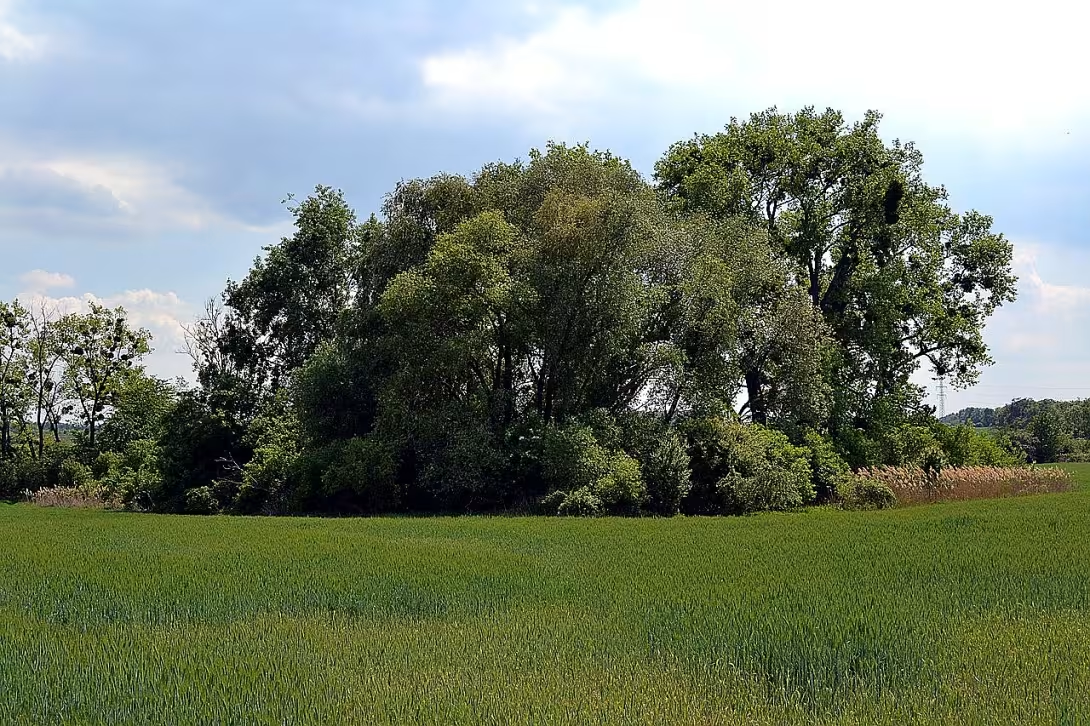
Aloch is a medieval fortress near Bezručova aleje, between Lednice and Valtice in the South Moravian Region of the Czech Republic. First recorded in 1391 as part of the Valtice estate, it was initially owned by the Lords of Lichtenstein before being acquired by the Habsburgs in 1424. The site is notable for its early medieval origins and archaeological significance, offering insights into Bohemia's feudal developments during the 12th century.
The origin of Aloch dates back to a period when southern Moravia was undergoing significant colonization as part of broader European territorial expansions. While specific details about its construction are sparse, it likely originated in the 12th century. Archaeological research conducted in 1995 uncovered remnants of a wooden tower-like structure surrounded by a moat and embankment, suggesting medieval architectural elements typical of fortifications from this era.
Architecturally, Aloch's design reflects its function as a defensive stronghold. Excavations revealed pottery fragments and iron objects dating back to the 12th-15th centuries, indicating human activity and construction during these times. These artifacts provide valuable insights into the materials and craftsmanship used in building such medieval structures.
Ownership of Aloch transitioned from the Lords of Lichtenstein to the Habsburgs in the early 15th century. This change marked a significant shift in its administrative history as it became part of the larger Habsburg domain. By 1571, historical records describe both the fortress and the village as deserted, highlighting a period of decline that eventually led to their abandonment.
Key events associated with Aloch include its initial documentation in 1391 and subsequent acquisition by the Habsburgs in 1424. These milestones underscore its importance within the Valtice estate and reflect broader historical shifts in ownership and territorial control during this period. The archaeological findings from 1995 further enrich our understanding of the site's past, offering tangible evidence of its medieval origins.
Today, Aloch stands as a testament to the region's feudal history, with remnants that attract historians and tourists alike. Located near Bezručova aleje, it is accessible within a forested area featuring a small hill known as tvrziště by a stream feeding into the Allahových rybníků water system. Visitors can explore this historical site to gain insights into medieval life and architecture in southern Moravia.
Aloch offers a unique glimpse into the past, making it a worthwhile destination for those interested in history and archaeology. Its preserved remnants serve as a reminder of the region's rich heritage and the dynamic changes that have shaped its landscape over centuries. Visitors are invited to explore this fascinating site and immerse themselves in the historical narrative it continues to tell.
Then and now
Drag the slider to compare how the landmark may have looked when it was built with the view today.
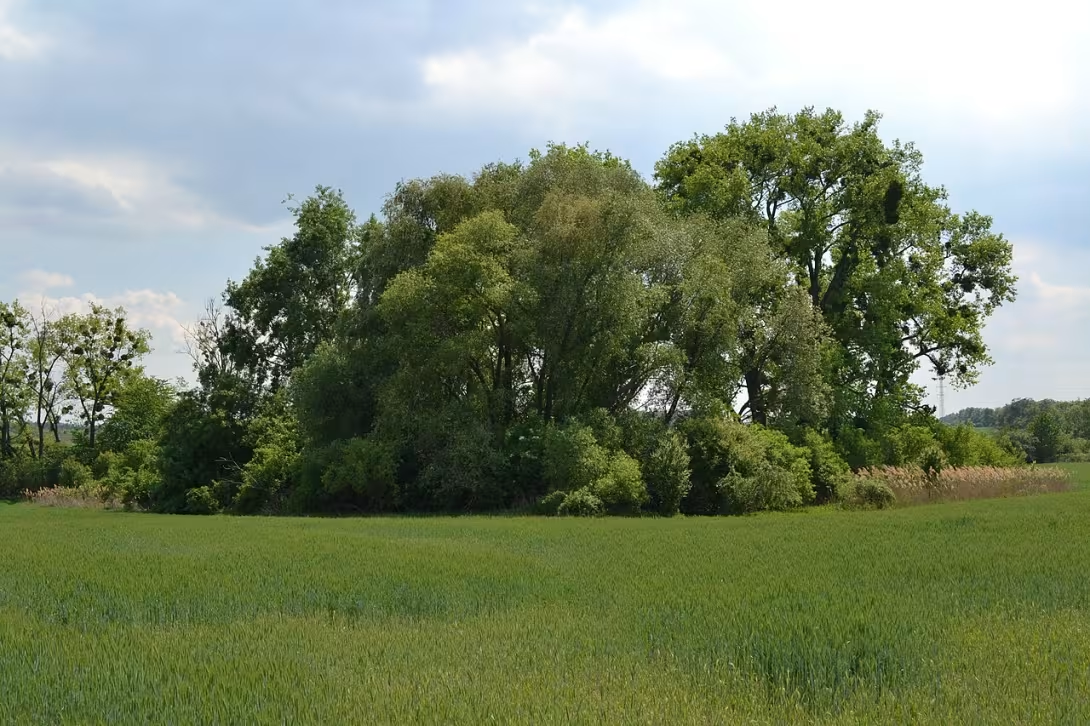

The historical appearance on the left is an AI-generated visualisation and serves as inspiration only.
Historical milestones
- 1391
- First documented mention as part of the Valtice estate.
- 1424
- Acquired by the Habsburgs along with the Valtice domain.
- 1571
- Described as deserted in historical records.
Architectural development
The fortress likely originated in the 12th century during a colonization process. Archaeological research from 1995 revealed remnants of a wooden tower-like structure surrounded by a moat and embankment, indicating its medieval construction.
Historical events
First mentioned in historical records in 1391 as part of the Valtice estate.
Acquired by the Habsburgs in 1424 along with the Valtice domain.
Described as deserted in 1571.
Owners
First documented ownership by the Lords of Lichtenstein in 1391; acquired by the Habsburgs in 1424.
Points of interest
- Aloch is a medieval fortress first recorded in 1391 as part of the Valtice estate. - It was initially owned by the Lords of Lichtenstein before being acquired by the Habsburgs in 1424. - Archaeological research conducted in 1995 uncovered remnants of a wooden tower-like structure surrounded by a moat and embankment. - Excavations revealed pottery fragments and iron objects dating back to the 12th-15th centuries, indicating human activity during these times. - By 1571, historical records describe both the fortress and the village as deserted, highlighting a period of decline that eventually led to their abandonment.
Guide
This guide is narrated by a synthetic voice generated by artificial intelligence.
Show guide text
This text was created by artificial intelligence and has not been editorially reviewed. It may contain inaccuracies.
Between Lednice and Valticí, not far from Bezručova aleja, there stood a fortress in the Middle Ages with a small village around it. Today they are called Aloch. What the fortress was originally called is not documented. Historical sources also mention forms such as Kuperk or Goldberg.
The fortress probably emerged in the twelfth century as part of the colonization of southern Moravia. The settlement is first mentioned in writing in the year thirteen ninety-one. At that time it belonged to the Valticí estate and was owned by the lords of Liechtenstein. In fourteen twenty-four, together with the entire Valticí estate, it was acquired by the Habsburgs.
During the fifteenth century, both the fortress and the village were gradually abandoned. We do not know for certain why this happened. It is assumed that wars devastated the area, or that people left the place due to unfavorable natural conditions. The last written mention comes from fifteen seventy-one and describes the village as deserted.
An archaeological survey from nineteen ninety-five revealed more about the appearance of the fortress. Archaeologists found ceramic fragments from the period between the twelfth and fifteenth centuries, iron objects, and charcoal from hearths. According to the survey results, there stood a wooden tower-like structure protected by a moat and an embankment. Around it lay a smaller agricultural settlement.
Of the entire settlement, only an inconspicuous hillock has survived to the present day, the so-called tvrziště. It lies in a forest island near a stream. On old maps, this stream is also marked with the name Aloch, and in German sources as Alah or Allah. The stream feeds a system of so-called Allahovy rybníky.
Frequently asked questions
Can the monument be visited?
This is a ruin. Such sites are often freely accessible, but some can only be visited with a guide or are closed for safety reasons. We have not verified the current situation – take care and respect any restrictions.
Where is the monument?
Location: Valtice, Jihomoravský kraj. The map on this page shows the exact spot.
Why is the monument protected?
It is listed in the Central List of Cultural Monuments of the Czech Republic as a cultural monument (register no. 1367525776).
Businesses nearby
Do you run a restaurant, accommodation, shop, museum, rental, wellness or other visitor service near this monument? Show yourself directly to the people heading to it — this is how they will see you in the app and on the web:
Events nearby






Zdroj akcí: otevřená data měst a obcí ČR (Národní katalog otevřených dat) a kalendář akcí Národního památkového ústavu.
Nearby
Aloch is located near Bezručova aleje, close to Lednice and Valtice. The area features a small hill known as tvrziště within a forested island by a stream that feeds into the Allahových rybníků water system.
Accommodation nearby
Themed route
Tematická výletní trasa Aloch (tvrz) a okolí
1. Aloch (Tvrz)
Typ: Historická památka
Proč stojí za návštěvu: Tato malá hradištní tvrz je fascinujícím příkladem historické architektury, který nabízí pohled na život v minulosti. Její umístění na malebném místě s názorem na okolní lesnatou ostrov a potok ztělesňuje klidnou krásu venkovského prostředí.
2. Bezručova aleje
Typ: Parková procházka
Proč stojí za návštěvu: Tato idylická alej vede k Alochu a nabízí krásnou příležitost pro relaxační procházku. Je to místo, kde si můžete užít klidu a pohledu na zelené okolí, což je ideální pro odpojení od každodenního života.
3. Tvrziště
Typ: Historická lokalita
Proč stojí za návštěvu: Malý kopec známý jako tvrziště je historicky významnou lokalitou, která představuje původní místo, kde byla Aloch postavena. Je to ideální místo pro ty, kteří mají zájem o historii a archeologii, nabízející vhled do minulého života v této oblasti.
4. Lesní ostrov
Typ: Přírodní prostor
Proč stojí za návštěvu: Tento lesnatý ostrov, který Aloch ohraničuje, je skvělým místem pro přírodovědače a milovníky klidného odpočinku. Procházka po jeho cestách nabízí pohled na divokou zvěř a různorodé rostliny, což vytváří pocit úplného propojení s přírodou.
5. Potok
Typ: Přírodní prvek
Proč stojí za návštěvu: Potok, který se vlévá do Allahových rybníků, je klidným a čistým přírodním prvkem, který dodává místu jedinečnou atmosféru. Jeho zvuky a pohled na tekoucí vodu jsou ideální pro relaxaci a inspiraci během vašeho výletu.
Tato trasa nabízí kombinaci historických, kulturních a přírodních prvků, které společně tvoří nezapomenutelnou zkušenost pro návštěvníky obce Valtice.
Seasonal recommendations
Spring: As spring arrives, the ruins of Aloch Castle are enveloped in a vibrant tapestry of wildflowers and fresh greenery, creating a picturesque setting that enhances its historical charm. The soft morning light bathes the ancient stones in a warm glow, making it an ideal time for photography enthusiasts to capture the interplay between nature and history. Visitors should be prepared for unpredictable weather; while mornings can be crisp, afternoons may turn warm and sunny. Layered clothing is recommended, allowing you to adapt comfortably throughout your visit. Although spring is not peak tourist season, it's wise to arrive early in the day to enjoy a more tranquil experience before larger groups gather.
Summer: Summer at Aloch Castle offers long days filled with sunshine, perfect for exploring the expansive grounds and imagining life in medieval times under clear blue skies. The lush landscape comes alive with vibrant colors, providing an idyllic backdrop for picnics or leisurely walks. However, this is also the busiest time of year, so expect larger crowds, especially on weekends and holidays. To avoid long waits and ensure a more enjoyable visit, plan to arrive early in the morning when it's cooler and less crowded. Comfortable walking shoes and light clothing are essential, as well as bringing plenty of water to stay hydrated under the summer sun.
Autumn: The autumn season transforms Aloch Castle into a serene haven with its rich palette of reds, oranges, and yellows, offering a stunning contrast against the weathered stones. This is an excellent time for those who appreciate photography or simply wish to experience the castle in a more peaceful setting, as visitor numbers dwindle compared to summer. The cooler temperatures make it comfortable for walking around without the need for heavy layers, though carrying a light jacket is advisable if you plan on staying late into the afternoon when temperatures can drop. Early mornings provide the best lighting conditions for capturing the castle's beauty against the autumn sky.
Winter: Winter at Aloch Castle presents a mystical and atmospheric experience as snow blankets the ruins, adding an ethereal quality to its ancient structure. The quietness of the season offers a unique opportunity to reflect on history in solitude, with fewer visitors around to share the space. However, winter weather can be unpredictable, so it's crucial to dress warmly in layers, including waterproof outerwear if needed. Shorter daylight hours mean that visits should be planned for earlier in the day to make the most of natural light, and some paths may be less accessible due to snow or ice. Despite these challenges, the castle’s winter charm is well worth the effort for those seeking a tranquil escape from the holiday bustle.
Visualizations and artistic views


The visualisations are generated by artificial intelligence and serve as inspiration.
Tips from visitors
No tips yet. Be the first!
Log in and add your tip.
Sources and literature
Photos: RomanM82 / CC BY-SA 4.0 — Wikimedia Commons. The author and licence also appear when you hover over the image.
Faktickým podkladem tohoto textu byl článek na Wikipedii, jehož autory jsou přispěvatelé Wikipedie. Článek je dostupný pod licencí CC BY-SA 4.0.
Location on the map


Příběhy a pověsti
Legendy, pověsti a příběhy spjaté s touto památkou

Fotografie návštěvníků
Zatím žádné fotografie. Buďte první, kdo přidá fotografii z návštěvy!
Log in a přidejte svou fotografii nebo hodnoťte.
Za ověřenou návštěvu v aplikaci získáte víc bodů — poznáme podle GPS, že jste na místě.
Reviews and comments