



Blatník Fortress
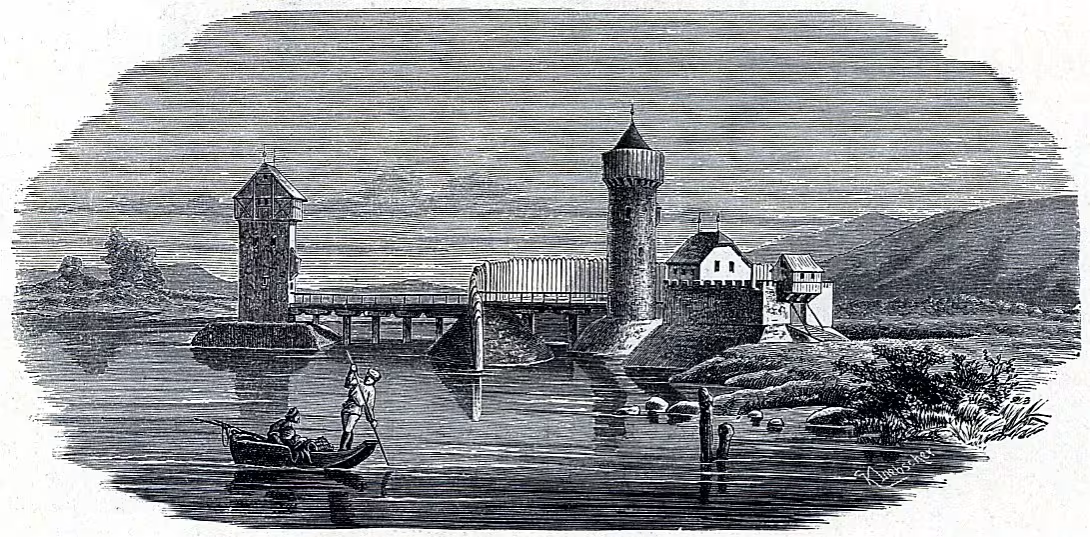
Blatník is a vanished fortress located in Rybitví, within the Pardubice Region of the Czech Republic. Situated near the original course of the Elbe River, it stands out as an intriguing historical site due to its unique position between a fortress and a castle. Its remnants include an oval fortification with a moat and rampart, alongside a rectangular estate area, documented in the mid-19th century but now lost under modern industrial development.
The first recorded mention of Blatník dates back to 1339 when it was associated with Ctibor z Blatníka. Historical sources suggest that Ctibor may have been linked to the Cimburk family, a notable noble lineage during this period. Ownership transitioned over time, with Bernard z Cimburka noted as an owner by 1349 and 1363. Later, in 1377, Albrecht z Cimburka sold Blatník to Jan z Orle, the abbot of Opatovice Monastery, a transaction confirmed by Charles IV.
Architecturally, Blatník was characterized as a small water castle with an oval residential tower as its main feature. By the mid-19th century, only traces of these structures remained, including the fortification's moat and rampart. August Sedláček described it as a modest water fortress, while Karel Liebscher created a reconstruction plan based on this description. However, the exact details of its architectural elements remain speculative due to the lack of surviving physical evidence.
Throughout its history, Blatník experienced significant events that shaped its fate. The most notable was in 1421 when it may have been destroyed during the Hussite conquest and subsequent destruction of the monastery. This event marked a dramatic end to its historical presence as a fortified site. Additionally, the area once known as 'Blatnický přívoz' due to its proximity to a ferry crossing over the Elbe highlights its strategic importance in medieval times.
Today, the site where Blatník once stood is occupied by chemical plants belonging to Explosia and is inaccessible to the public. Despite this, its historical significance remains noteworthy for those interested in the medieval history of Bohemia, particularly during the reign of Charles IV when the region was part of the Holy Roman Empire. Its story offers a glimpse into the political and cultural dynamics of Central Europe during that era.
Visiting Blatník today may not be possible due to its current industrial occupation, but understanding its historical context enriches one's appreciation for the complex tapestry of Czech history. The remnants of this once-prominent fortress serve as a reminder of the region's medieval past and invite curiosity about the lives and events that unfolded there centuries ago.
Historical milestones
- 1339
- First documented mention in connection to Ctibor z Blatníka.
- 1377
- Jan z Orle acquired the fortress from Albrecht z Cimburka with confirmation by Charles IV.
Architectural development
Blatník was a small water castle with an oval residential tower as its main feature. By the mid-19th century, only traces of this structure remained, including the fortification's moat and rampart.
Historical events
First documented mention in 1339 as part of Ctibor z Blatníka's holdings.
In 1421, the fortress may have been destroyed during the Hussite conquest and destruction of the monastery.
Owners
The first recorded owner was Ctibor z Blatníka in 1339, possibly linked to the Cimburk family. Bernard z Cimburka owned it by 1349 and 1363. Albrecht z Cimburka sold it to Jan z Orle, abbot of Opatovice Monastery, in 1377.
Points of interest
- Blatník's strategic location near the Elbe River made it an important site for controlling river traffic and trade in medieval Bohemia, evidenced by its historical reference as 'Blatnický přívoz' due to a nearby ferry crossing.
- The fortress is linked to the Cimburk family through Ctibor z Blatníka, who may have been a member of this influential noble lineage, highlighting the interconnectedness of noble families in medieval Czech history.
- Despite its destruction during the Hussite conquest in 1421, Blatník's sale by Albrecht z Cimburka to Jan z Orle, confirmed by Charles IV, underscores its significance within the political and religious dynamics of the time.
- August Sedláček described Blatník as a modest water fortress, yet the lack of surviving physical evidence leaves much about its architectural details open to interpretation, inviting speculation on its original design and structure.
- Today's industrial occupation by chemical plants such as Explosia prevents public access to Blatník, but it remains an intriguing subject for historians exploring the medieval landscape and socio-political environment of the Holy Roman Empire.
Guide
This guide is narrated by a synthetic voice generated by artificial intelligence.
Show guide text
This text was created by artificial intelligence and has not been editorially reviewed. It may contain inaccuracies.
Welcome to the historical site of Blatník, a vanished fortress nestled in the Rybitví municipality within the scenic Pardubice Region. As you stand here, imagine the rolling landscapes that once framed this strategic location near the original course of the Elbe River. The air carries whispers of its storied past, inviting you to explore what remains of its legacy.
Blatník first emerged in historical records in 1339, linked to Ctibor z Blatníka. Its significance grew over time, particularly by 1377 when Jan z Orle acquired it from Albrecht z Cimburka with the endorsement of Charles IV. The site's strategic importance was underscored by its role as a control point for river traffic and trade in medieval Bohemia, earning it the historical reference 'Blatnický přívoz' due to a nearby ferry crossing.
As you survey the landscape, take note of the oval fortification that once stood proud. Though now only remnants remain, the moat and rampart speak volumes about its former grandeur. Nearby lies the rectangular estate area, hinting at the site's dual nature as both fortress and castle.
Blatník is intertwined with notable historical figures such as Ctibor z Blatníka, Bernard z Cimburka, Albrecht z Cimburka, and Jan z Orle. Each played a role in shaping its history, leaving behind stories that echo through time.
One intriguing aspect of Blatník is its strategic location near the Elbe River, which made it an essential site for controlling river traffic and trade during medieval times. The nearby ferry crossing added to its importance, marking it as a vital link in regional commerce.
As you conclude your visit here, allow yourself to be inspired by the layers of history that surround you. We invite you to continue exploring this fascinating area, where every step uncovers more of Bohemia's rich past. Thank you for joining us on this journey through time at Blatník. Safe travels as you discover more treasures in your explorations!
Tips for visitors
The best time to visit the Blatník ruins is during late spring or early autumn when the weather is mild, and the surrounding landscape is lush with greenery. This period offers a pleasant atmosphere for exploring the historical site without the discomfort of summer heat or winter cold. The natural lighting conditions are also ideal for photography during these months.
Visitors should plan their trip by car if possible, as there is no public transportation directly serving the site. It's advisable to check current road conditions and access restrictions before your visit.
When visiting Blatník, it's recommended to bring comfortable walking shoes, a hat, sunscreen, water, and some snacks, especially since the area might be remote with limited facilities nearby. Given the historical nature of the site, bringing a camera is also suggested to capture its ruins against the backdrop of the natural landscape.
For photography enthusiasts, early morning or late afternoon provides the best light for capturing the dramatic contrast between the ruins and the sky. The surrounding area offers various angles from which to photograph the remnants of Blatník, with the nearby chemical plants adding an industrial juxtaposition to the historical site.
Nearby within a 30-minute drive is the original course of the Elbe River, offering scenic views and opportunities for nature walks. This natural setting provides a peaceful contrast to the historical ruins and can be a pleasant addition to your visit.
Frequently asked questions
Can the monument be visited?
This is a ruin. Such sites are often freely accessible, but some can only be visited with a guide or are closed for safety reasons. We have not verified the current situation – take care and respect any restrictions.
Where is the monument?
Location: Rybitví, Pardubický kraj. The map on this page shows the exact spot.
Businesses nearby
Do you run a restaurant, accommodation, shop, museum, rental, wellness or other visitor service near this monument? Show yourself directly to the people heading to it — this is how they will see you in the app and on the web:
Nearby
The area is now occupied by chemical plants of Explosia and is inaccessible. Historically, it was near the original course of the Elbe River.
Accommodation nearby
Themed route
Thematic Vlog Tour: Blatník Castle and Its Historical Surroundings
Welcome to a journey through time at the historic site of Blatník (tvrz) in Rybitví, where we explore its rich past and surrounding landmarks that tell stories of medieval life. This tour is designed to immerse you in history while respecting modern-day boundaries.
1. Blatník Castle Ruins
Type: Historical Site
Begin your adventure at the heart of our journey—the ruins of Blatník (tvrz) itself. Once a formidable stronghold, these remnants offer a glimpse into medieval architecture and strategic military planning. The castle's proximity to the original course of the Elbe River underscores its historical significance as a defensive site.
2. Explosia Chemical Plants
Type: Industrial Site
While modern-day access is restricted, the presence of Explosia’s chemical plants marks an intriguing juxtaposition between past and present. Historically, this area was part of the castle's strategic landscape, offering insights into how industrialization has transformed historical sites.
3. Original Course of the Elbe River
Type: Historical Landmark
Although not directly accessible, reflecting on the original course of the Elbe River near Blatník provides a deeper understanding of the site’s geographical and strategic importance. The river's proximity would have been crucial for trade, transport, and defense in medieval times.
This thematic tour invites you to explore the layers of history at Blatník (tvrz) while appreciating how time has reshaped its surroundings.
Seasonal recommendations
Spring: Visiting Blatník during spring offers a unique experience as the surrounding landscape bursts into life with vibrant wildflowers and budding trees, creating a picturesque setting for exploring the ruins. The soft, diffused light of early morning or late afternoon accentuates the textures of the ancient stones, adding to the site's mystique. As nature awakens, you may encounter an increase in visitors drawn by the mild weather and blooming scenery, so arriving early is advisable to enjoy a quieter experience. Dress comfortably with layers that can be adjusted as temperatures fluctuate throughout the day.
Summer: The summer months bring long days of sunshine ideal for exploring Blatník's expansive grounds. The lush greenery provides a refreshing backdrop to the historic ruins, while the warm weather allows for leisurely exploration. However, this is also peak tourist season, so expect larger crowds and consider visiting during weekdays or early in the morning to avoid the midday rush. Wear light, breathable clothing and comfortable footwear suitable for walking on uneven terrain; don’t forget sunscreen and a hat to protect against the sun.
Autumn: Autumn transforms Blatník into a serene retreat with its palette of warm colors as leaves turn shades of red, orange, and gold. The cooler temperatures make it an ideal time for photography enthusiasts seeking dramatic lighting conditions during sunrise or sunset. While fewer visitors mean quieter exploration opportunities, be prepared for unpredictable weather by wearing layers that can accommodate sudden changes in temperature. This season offers a tranquil atmosphere to appreciate the historical significance of Blatník amidst nature's fall display.
Winter: Winter at Blatník presents a stark yet beautiful contrast as snow blankets the ruins and surrounding landscape, creating an enchanting winter wonderland effect. The shorter days mean that visiting early in the morning is recommended to make the most of daylight hours for exploring. With fewer visitors due to the cold weather, you can enjoy a more intimate experience with the site's historical ambiance. Dress warmly in layers, wear waterproof boots, and consider bringing gloves and a hat to stay comfortable during your visit amidst the chilly conditions.
Visualizations and artistic views


The visualisations are generated by artificial intelligence and serve as inspiration.
Photos from the area
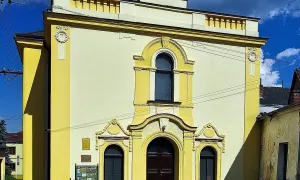
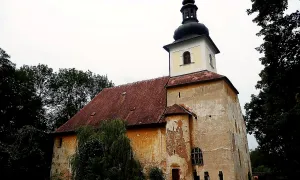
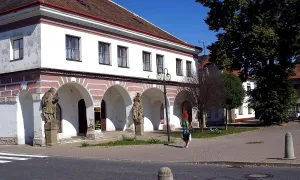
Real photos taken near the monument


Zdroj a licence jsou uvedeny u každého snímku.
Tips from visitors
No tips yet. Be the first!
Log in and add your tip.
Sources and literature
Photos: Karel Liebscher / CC BY-SA 4.0 — Wikimedia Commons. The author and licence also appear when you hover over the image.
Faktickým podkladem tohoto textu byl článek na Wikipedii, jehož autory jsou přispěvatelé Wikipedie. Článek je dostupný pod licencí CC BY-SA 4.0.
Location on the map
Příběhy a pověsti
Legendy, pověsti a příběhy spjaté s touto památkou

Fotografie návštěvníků
Zatím žádné fotografie. Buďte první, kdo přidá fotografii z návštěvy!
Log in a přidejte svou fotografii nebo hodnoťte.
Za ověřenou návštěvu v aplikaci získáte víc bodů — poznáme podle GPS, že jste na místě.
Reviews and comments