



Boží muka v Ždárci Wayside shrine
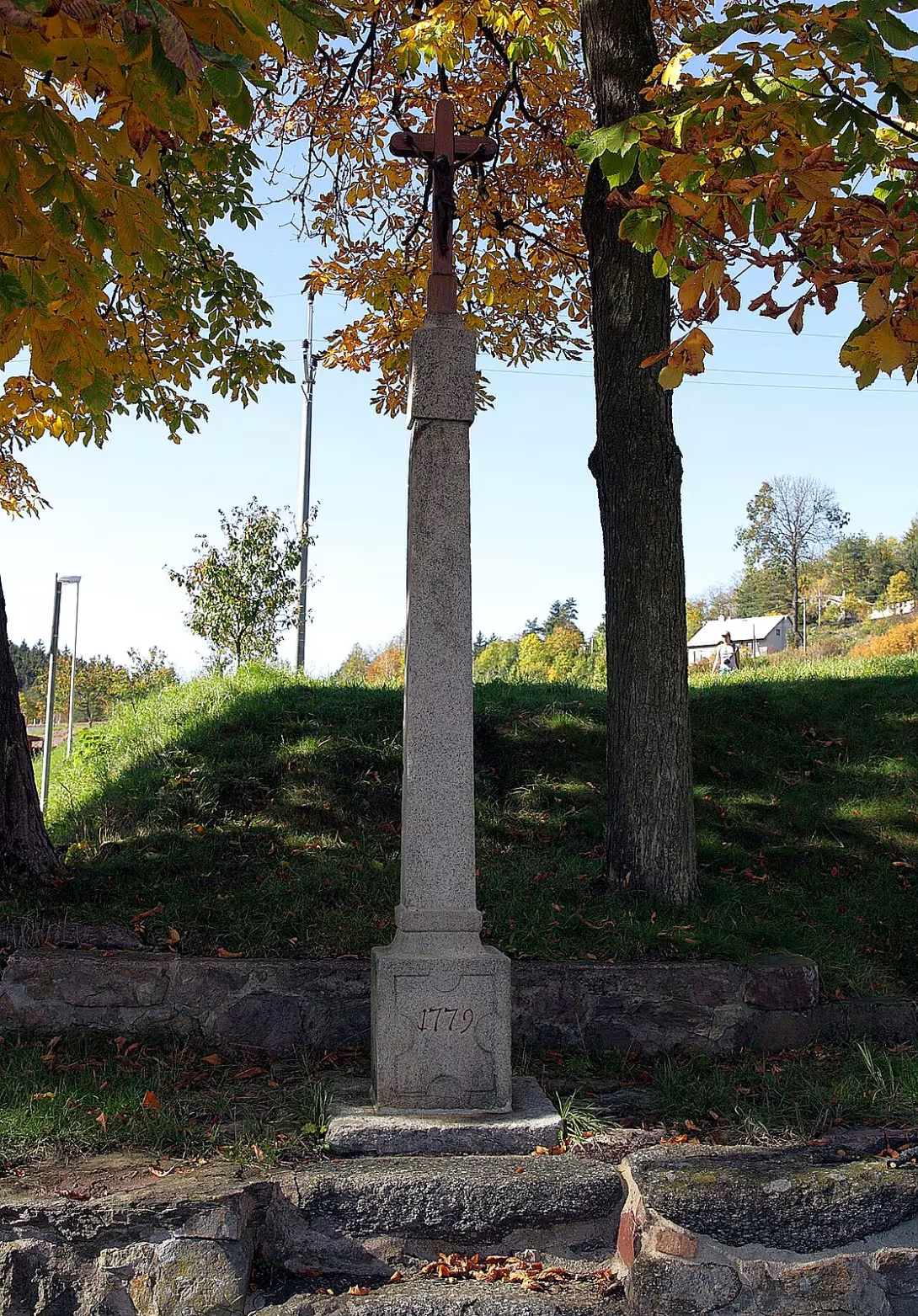
Boží muka v Ždárci is a protected cultural monument from 1779. They are located in the municipality of Žďárec in the district of Brno-venkov in the South Moravian Region. The building is registered in the register of cultural monuments and serves as a historical element in the location.
Construction was established in 1779. There are few reports about the persons who built it and the exact reasons for its creation. The monument thus remains the expression of popular sacral architecture. In the eighteenth century, she performed various functions in the landscape, from orientations to places of prayer.
Architecturally, it's typical of God's torment. Due to limited descriptive data, materials or details of decorating can only be discussed in general. The construction is defined by its location in the village Žďárec, where it forms part of the local cultural heritage and fits into the surrounding area.
The object is currently registered under registration number 37733 / 7-4673. His condition and protection are secured by a system of historical care, which confirms the value of the construction for regional history. Thanks to the location in the field, the location is freely accessible for interested and tourists who explore the monuments of the Brno-venkov district.
Boží muka v Ždárci represents an authentic element of the historical landscape of South Moravia. Visiting this place offers a meeting with a subtle but significant trail from the late eighteenth century. It resembles the ancient spirituality and arrangement of rural space.
Then and now
Drag the slider to compare how the landmark may have looked when it was built with the view today.
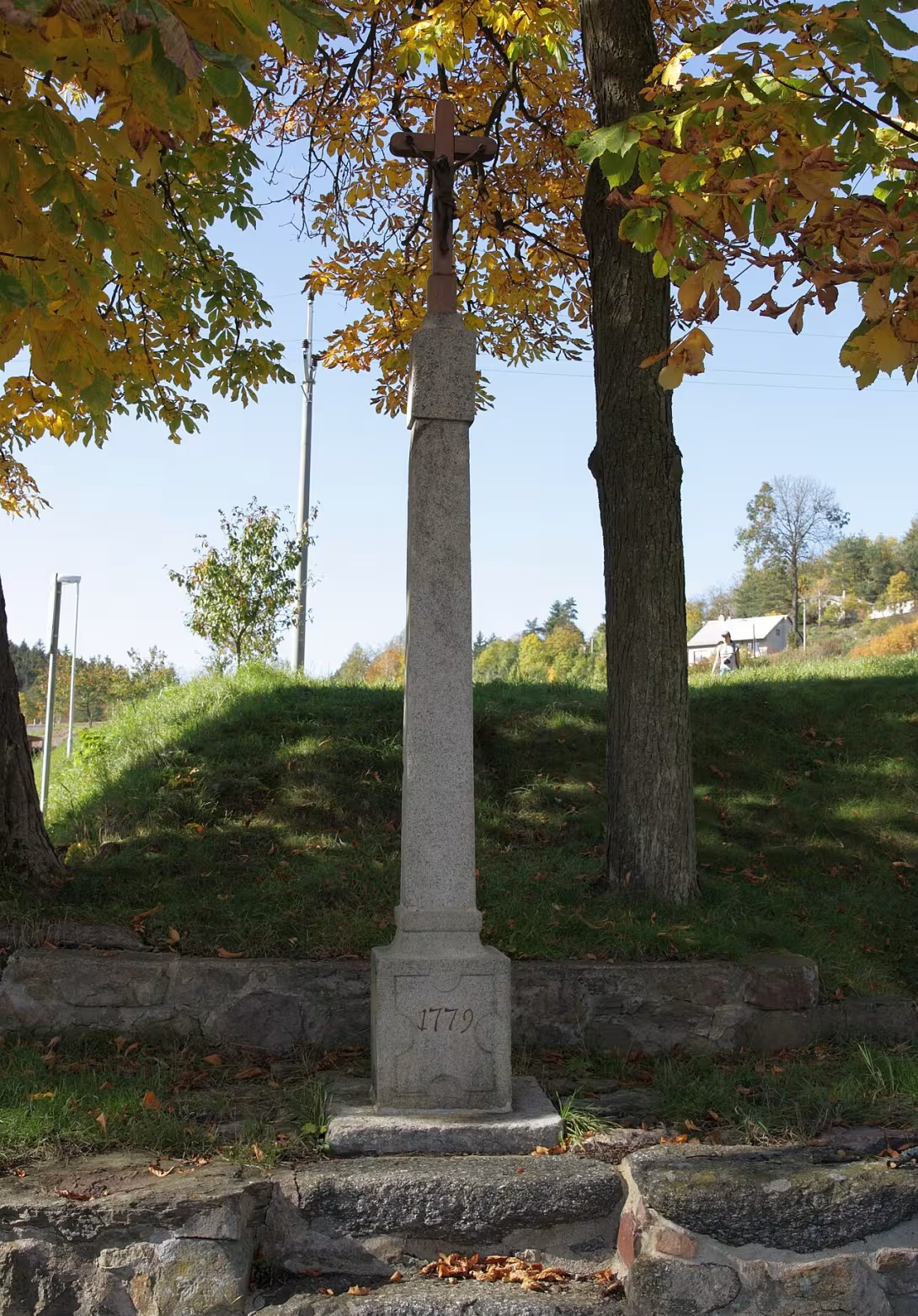
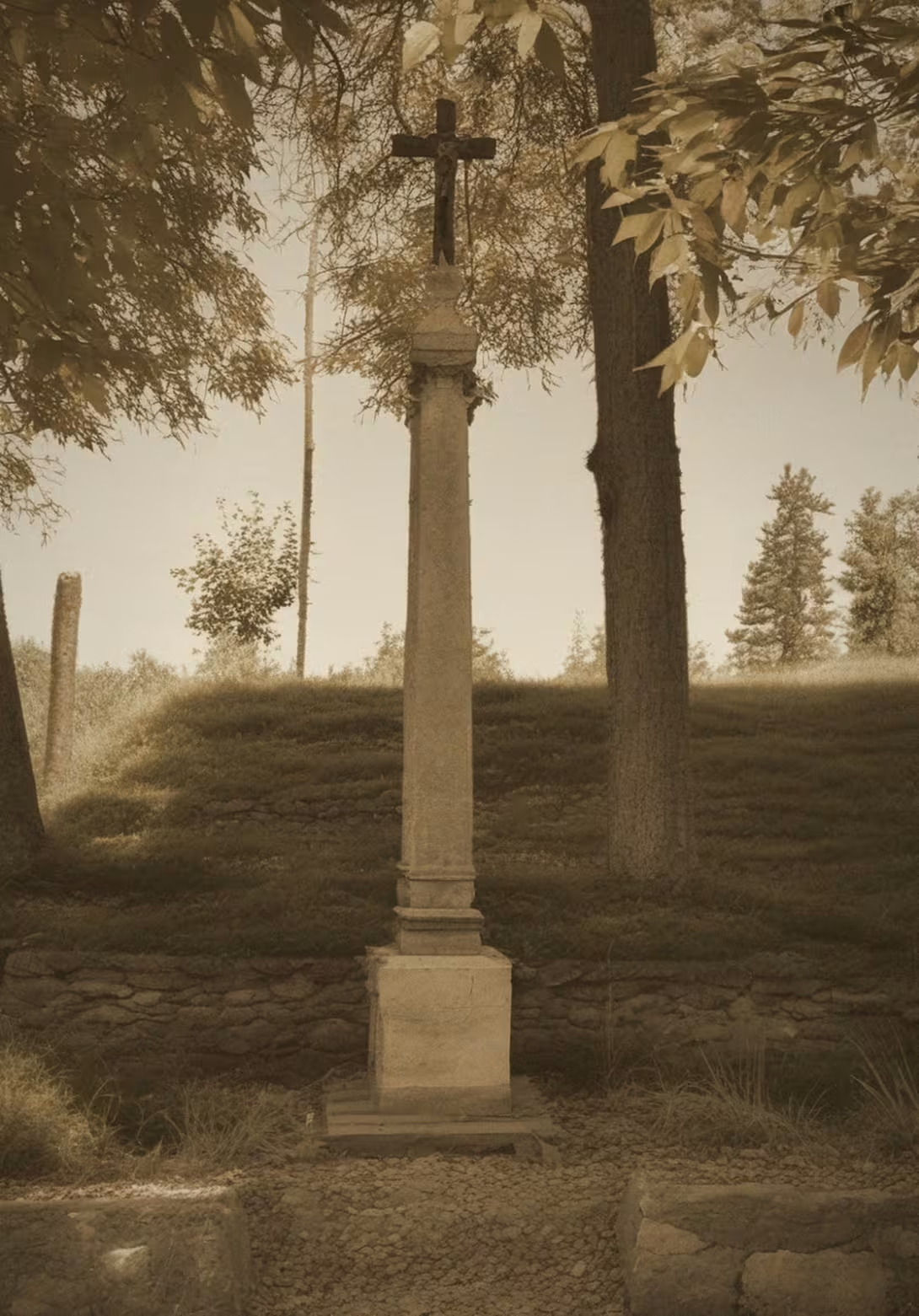
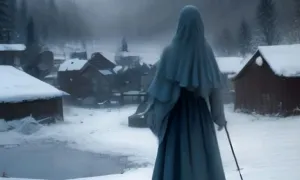
The historical appearance on the left is an AI-generated visualisation and serves as inspiration only.
Historical milestones
- 1779
- The creation of God's torment in the Freshman.
- around 1800
- God's torment served as a landmark and a place of prayer.
- 19th century
- The construction became part of the local cultural heritage.
- 20th century
- God's torment was written as a protected cultural monument.
Points of interest
- Boží muka v Ždárci is a protected cultural monument from 1779.
- They are located in the municipality of Žďárec in the district of Brno-venkov in the South Moravian Region and are registered in the register of cultural monuments.
- Construction is a typical example of God's torture, which performed various functions from the orientation point to the place of prayer in the 18th century.
- It is registered under the registration number 37733 / 7-4673 and its status is ensured by the system of conservation, which confirms its value for regional history.
- The site is freely accessible to visitors and tourists who explore the monuments of the Brno-venkov district.
Guide
Show guide text
This text was created by artificial intelligence and has not been editorially reviewed. It may contain inaccuracies.
Welcome to the village Žďárec. You just stopped by one of those quiet, but extremely important points that make up the soul of our country. You are standing right in front of God's torments, which exist here as witnesses of time and as a reminder of the human faith and traditions that have shaped this region for many generations. Feel this moment. Let the calm that prevails here engulf you and pay attention to this small but important structure that floats above the ground and attracts the sight of anyone who stops by. Right now, at this point, you're part of something much bigger than a short stop during a walk.
If you look at this memory, you might wonder who built it and when it first appeared in this country. It is a fascinating question, but we do not have a clear answer. The exact date of the creation of these torments of God remains hidden in the fog of the past. We don't know the name of the architect who designed their form, nor do we know the names of the people who carried them with their hands into this country and built them here to serve as a landmark or instead of a spiritual compliment. But this ignorance does not mean that this monument is less valuable. On the contrary, it is this ambiguity that gives this place special weight. This building is not just stone or matter, it is the embodiment of the anonymous efforts of many people who lived here before us. It is a connection with people whose faces have long since fallen into oblivion, but whose clues in the form of this protected cultural monument can still be perceived.
Now pay close attention to the very form of this monument. Although we do not know the specific materials it was made of, you may notice how well it fits into the surrounding environment of the South Moravian landscape. Look at her face, the way her lines draw against the sky. Feel how this building breaks the horizon and how it attracts your attention to each other. Look at its surface, its structure, and how light hits it. Even in the smallest details, in every curvature, or in the way this monument rests on the ground, there is an attempt to express something lasting. This monument is not just an object, it is part of the landscape that works with it in symbiosis. Feel her presence, her stability, and the quiet power she radiates.
Now let's think about people who could move in these places in the past. Even if we don't find any specific historical personalities in our records associated with this exact location, we can imagine them. Imagine the pilgrims who passed through here hundreds of years ago, the tired passengers who have rested here, or the local farmers who have been here every day in their work. For them, this divine torture was an important point in their world. It could serve as a place of short prayer, as a point where different paths connect, or simply as a sign that they are not alone in this desolate landscape. Even if we don't know their names, their existence is felt in this place. Everyone who came here once left a piece of their own history, even if it was just a silent presence.
And right here, we're getting to something that might impress your imagination. There's one big mystery. And it's a mystery that concerns the very essence of this place. How is it that such an important monument, which is today protected as a cultural heritage, remains so mysterious in many respects? Why have we failed to preserve the names of those who created it? This emptiness in the records may seem like a lack of information, but I urge you to look at it differently. This emptiness is a space for your own imagination. It is a call for you to try to understand the spirit of this place through feeling and perception, not just through dry facts and figures. This monument retains its mystery precisely to make you think, to make you seek meaning in what is invisible. It is precisely this elusive aura that makes God's torment in Zhdar something extraordinary.
Now that you have acquired this memory and perceive its meaning, continue to follow your path. This monument is just one of the many treasures this region offers. Žďárec and its surroundings have many other stories waiting to be discovered. Continue to explore, look around you, perceive the beauty of South Moravian nature and look for other traces of the past that are hidden in the silence of this region. Perhaps you'll find other tiny clues that tell you stories about the people who lived here, worked and dreamed.
Thank you for spending this moment with us and for paying attention to this protected monument. We hope that this brief insight into the past has brought you peace and new thoughts. Read the surrounding landscape, enjoy the atmosphere of this place and remember that even the smallest monuments carry a vast universe of human stories. We'll brighten up, but your journey in the beautiful Whipper is about to begin. Have a good time and look forward to everything this journey will bring you.
Tips for visitors
The best time to visit God's torture in Zdar is autumn or spring when vegetation is best visible in the surroundings and the light is ideal for photography. These periods also offer mild weather compared to sunny summer.
The location is available both by car and public transport.
When visiting, remember to bring your protective sunglasses, shoes suitable for walking on unbalanced terrain and warm clothes during winter months. Water and sunscreen are also useful.
For photography it is best to come to a place in the early morning hours or in the evening when light takes on warm shades. From the outside you can take views from different angles and capture historical architecture in the natural environment.
In the vicinity of God's torture in Zdar there are several attractions that can be visited in 30 minutes. We recommend exploring the historical center of the village Žďárec and its surrounding green areas. For families with children it is suitable to visit local parks where children can enjoy their leisure time.
Frequently asked questions
Can the monument be visited?
This is a structure in a public space that can usually be seen from outside free of charge. We have not verified that this particular one is freely accessible.
Where is the monument?
Location: Žďárec, Jihomoravský kraj. The map on this page shows the exact spot.
Why is the monument protected?
It is listed in the Central List of Cultural Monuments of the Czech Republic as a cultural monument (register no. 37733/7-4673). It is protected as part of a larger listed ensemble.
Businesses nearby
Do you run a restaurant, accommodation, shop, museum, rental, wellness or other visitor service near this monument? Show yourself directly to the people heading to it — this is how they will see you in the app and on the web:
Events nearby
Zdroj akcí: otevřená data měst a obcí ČR (Národní katalog otevřených dat) a kalendář akcí Národního památkového ústavu.
Nearby
➜ Zobrazit interaktivní přehled okolí – restaurace, ubytování, půjčovny a další místa v okruhu 15 km.
Data: OpenStreetMap contributors, okruh 15 km.
🏰 Historické památky
- Hrádek (0.5 km)
- Košíkov (2.8 km)
- Rysov (3.4 km)
- Újezd (4.1 km)
- padlým ve světových válkách (5.5 km)
- hrad Lúčka (7.4 km)
- Pernštejn (9.1 km)
- Čepička (9.2 km)
🍽️ Restaurace a stravování
- Ranč U bizona (2.8 km)
- Hospůdka na Kutinách U trempů (3.0 km)
- Pod kapličkou (3.5 km)
- Hospůdka Níhov (3.9 km)
- U Martina (7.1 km)
- Lesní penzion Podmitrov (7.1 km)
- Cukrárna u Zdubů (10.2 km – Masarykovo náměstí 10)
- Hotel U Raušů (10.2 km – Masarykovo náměstí 13)
🏨 Ubytování
- Šafránkův mlýn (2.2 km)
- Lesní penzion Podmitrov (7.2 km)
- Nostop ubytování (10.1 km)
- Pension Lesacka (10.2 km – Masarykovo náměstí 6)
- Hotel U Nádraží (10.2 km)
- Pension Pod sýpkou (10.9 km – Tišnovská 3)
- Slovácka Chalupa (11.0 km)
- Penzion Laskala (11.2 km – Klášterská 357)
🚲 Půjčovny a sport
- Orlovna (6.6 km)
- sport-vysocina.cz (8.2 km)
- Výří skála (8.6 km)
- Perut (10.3 km)
- Cykloski Doubek (10.3 km)
- E-POHONY Šikula (11.5 km)
- Cykloservis Tip-Ťop kolo (11.6 km)
- Style sport (11.7 km)
🥾 Turistika a příroda
- Níhov (3.8 km)
- Níhov (žst) (4.5 km)
- Katov (5.0 km)
- Okolí Brna - Tišnovsko, Nedvědicko a Velkomeziříčsko (5.5 km)
- Březské (5.5 km)
- Babylon (6.9 km)
- Svatá hora / Svatá Zdislava (7.6 km)
- Velký Žlíbek (rozc.) (7.8 km)
Accommodation nearby
Themed route
Thematic cruise route: Boží muka v Ždárci
1. Boží muka v Ždárci (Divine Torture) This divine torment is one of the greatest and best preserved in Moravia. It is a monument built in the 17th century to remember the Thirty Years' War and the suffering of the people. Visit it to see its architectural details and historical significance.
2. St Jilji Chapel (Chapel) This chapel is located near God's torment and served as a place of prayer for the Ždar people. It is an example of baroque architecture, which offers a peaceful space for relaxation and reflection.
3. Church of St. Gilji (Church) The church is the main religious centre of Ždarec village. Its history dates back to the 14th century and offers pilgrims an opportunity to explore the interior with rich decoration and artistic elements.
4. Garden area of God's torture (park) The area around God's torture is a beautifully wooded park that offers opportunities for relaxation and walking in nature. It is an ideal place to relax after visiting historical monuments.
5. Municipal Office of Ždara (historical object) The visit to the municipal office offers a view of the ancient building, which was the long-term administrative centre of the village. It is an interesting place for those who want to know the local administration and the history of Zdar.
This route allows you to explore the rich history and architecture of the village of Ždarec with an emphasis on its cultural monuments.
Seasonal recommendations
Spring: In the spring period, God's torment in Zdar is fertilized by flowering beds that are surprisingly flourishing in the surrounding countryside. The sun illuminates the statue and its surroundings with warmer light, creating a wonderful atmosphere for the tour. It is advisable for visitors to bring protective eyeglasses and sun umbrellas due to increased glare. This period may also be a bit wet, therefore it is recommended to wear durable shoes.
Summer: In summer, God's torment in Zdar is a shining place to visit. The sun's dawn brings clear visibility and the dazzling colors of the statue seem even more vivid. Humidity in the air can cause visitors to experience a warm day, so it would be advisable to bring a drink and wear light clothes. Although this is the period of the most visited tourists, visitors can enjoy a quiet moment in the natural environment.
Autumn: In autumn, God's torment in Zdar melancholic beauty gains. Tree leaves colour the landscape in vivid shades and the sun's dawn becomes colder, giving the statue a romantic look. Humidity may be present, so it is advisable to bring blankets or poncho. This season offers a calm atmosphere without large crowds.
Winter: During winter, God's torment in Zdar is covered with snow, which gives her a whole new view. Sunrise is weaker, so the statue and its surroundings seem to be in the shade. Visitors should bring warm clothes, including hat and gloves, and suitable shoes for walking on snow or ice. This period is ideal for a quieter visit without large crowds.
Visualizations and artistic views


The visualisations are generated by artificial intelligence and serve as inspiration.
Photos from the area
Real photos taken near the monument


Zdroj a licence jsou uvedeny u každého snímku.
Tips from visitors
No tips yet. Be the first!
Log in and add your tip.
Sources and literature
Photos: RomanM82 / CC BY-SA 4.0 — Wikimedia Commons. The author and licence also appear when you hover over the image.
Location on the map

Příběhy a pověsti
Legendy, pověsti a příběhy spjaté s touto památkou
Fotografie návštěvníků
Zatím žádné fotografie. Buďte první, kdo přidá fotografii z návštěvy!
Log in a přidejte svou fotografii nebo hodnoťte.
Za ověřenou návštěvu v aplikaci získáte víc bodů — poznáme podle GPS, že jste na místě.
Reviews and comments