






Víckov Ruin
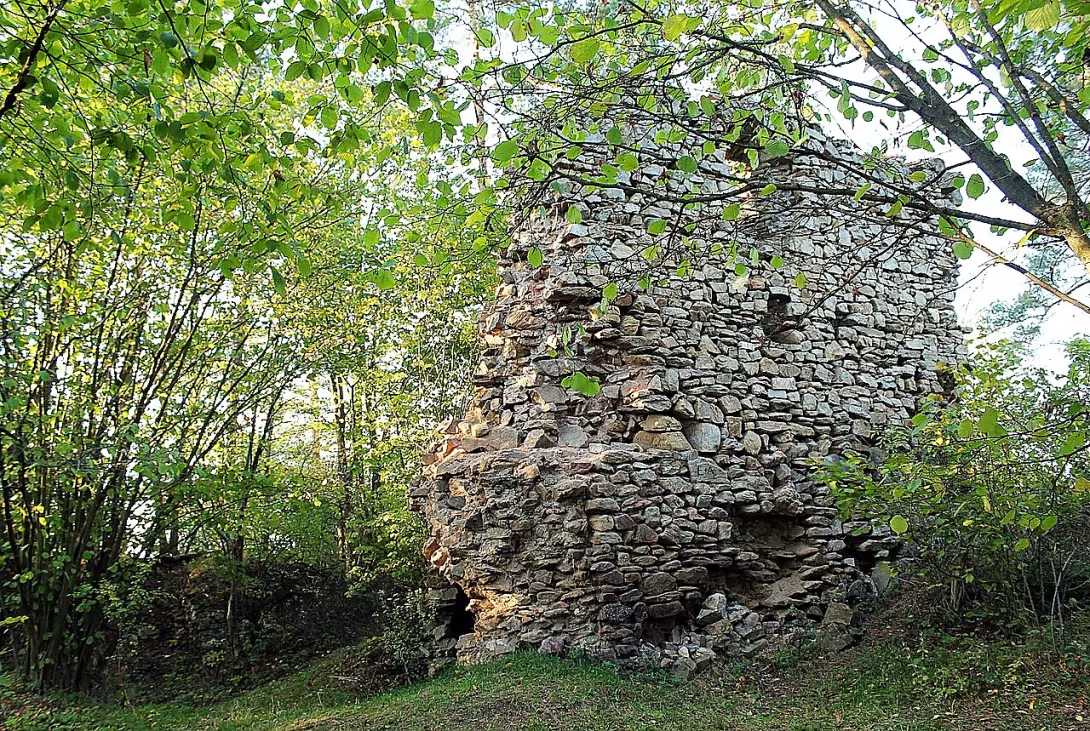
Hrad Víckov is a medieval castle ruin near Žďárec in the Brno-venkov District, South Moravian Region. Constructed in the early 14th century on the estate of Hrad Buko, it has lost its former glory but remains an important cultural heritage site in the Czech Republic. The remnants are protected as a national cultural monument due to their historical significance and current state.
The origins trace back to the early 14th century when it was built on the estate of Hrad Buko, which had ceased to exist by then. Historical records first mention Bernard in connection with Víckov in 1340. By 1365, Markrabě Jan Jindřich acquired the castle from Bohuslav, a relative of Bernard. The site was part of the feudal landscape during political and social transformations across Europe under the Luxembourg dynasty's rule within the Holy Roman Empire.
Architecturally, Hrad Víckov featured an irregular hexagonal layout enclosed by defensive walls with a prominent corner tower. A transverse wall divided the site, and remnants of a long stone building are near the southwestern wall. In the northern corner stand ruins that may have been a three-roomed or possibly tower-like palace. The castle was strategically protected on three sides by the steep valley of Bobrůvka, with a moat separating it from nearby hills to the west and southwest.
Ownership changed hands several times during its history. After Bernard's initial mention in 1340, Markrabě Jan Jindřich acquired it in 1365. In the early 15th century, the Pernštejnové family temporarily held it as a fief. By the first quarter of the 15th century, the castle may have been abandoned and was described as a ruin by 1454. King Ladislav Pohrobek gifted the dilapidated site to Jan z Pernštejna that year.
Key events include its first documented mention under Bernard in 1340, acquisition by Markrabě Jan Jindřich from Bohuslav in 1365, and its description as a ruin gifted to Jan z Pernštejna by King Ladislav Pohrobek in 1454. These highlight the castle's transition through various ownerships and eventual decline.
Today, Hrad Víckov stands as a testament to medieval architecture and feudal history, despite being in disrepair. The National Heritage Institute considers it one of the most endangered immovable cultural monuments due to its deteriorating condition. Visitors can explore this historical site near Žďárec, surrounded by a hilly landscape with natural features such as the valley of Bobrůvka.
Hrad Víckov offers a unique glimpse into the medieval past and serves as an important reminder of the region's cultural heritage. Its preservation is crucial for understanding the architectural and historical context of 14th-century Bohemia. Visitors are invited to explore this remarkable site, where history comes alive amidst its ruins.
Then and now
Drag the slider to compare how the landmark may have looked when it was built with the view today.
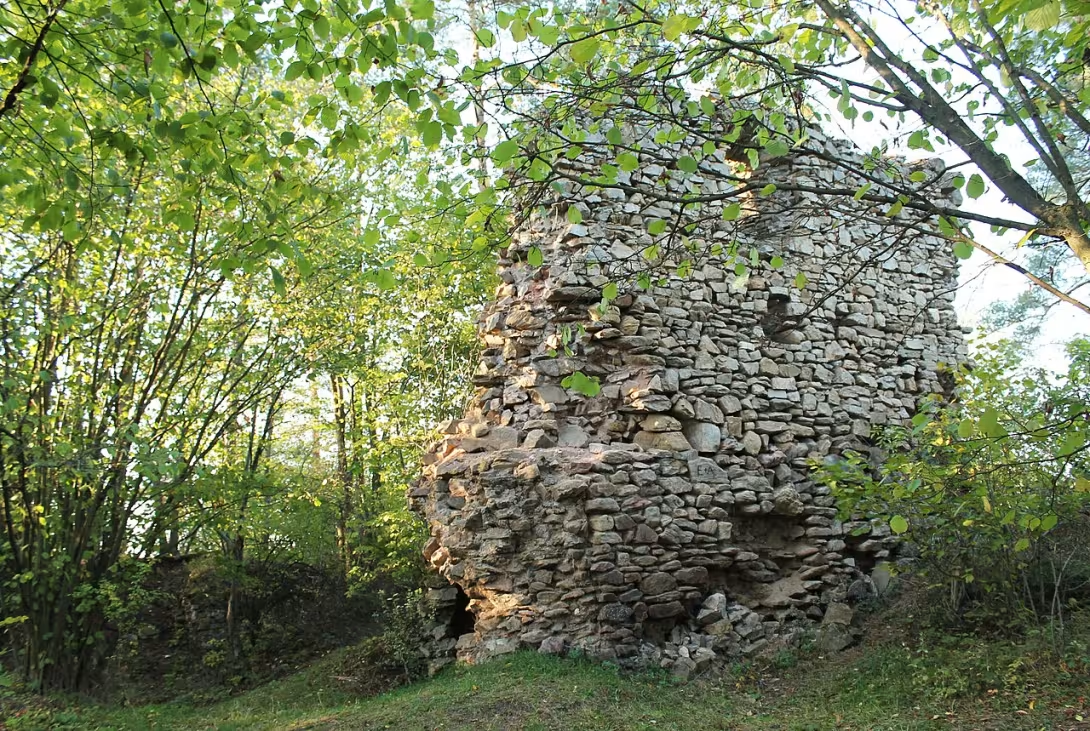

The historical appearance on the left is an AI-generated visualisation and serves as inspiration only.
Historical milestones
- 1340
- First documented mention under Bernard.
- 1365
- Acquired by Markrabě Jan Jindřich from Bohuslav.
- 1454
- Described as a ruin and gifted to Jan z Pernštejna.
Architectural development
Hrad Víckov featured a two-part irregular hexagonal layout enclosed by defensive walls, with a prominent corner tower. The site was divided by a transverse wall, and remnants of a long stone building are found near the southwestern wall. A three-roomed or possibly tower-like palace ruins stand in the northern corner.
Historical events
First documented mention in 1340 under Bernard.
Acquired by Markrabě Jan Jindřich from Bohuslav in 1365.
Possibly abandoned in the first quarter of the 15th century.
Described as a ruin and gifted to Jan z Pernštejna by King Ladislav Pohrobek in 1454.
Owners
Bernard (1340)
Bohuslav, příbuzný Bernarda
Markrabě Jan Jindřich (1365 onwards)
Pernštejnové family (early 15th century)
Jan z Pernštejna (1454)
Points of interest
– Despite its current state as a ruin, Hrad Víckov was once part of the strategic landscape during the Luxembourg dynasty's rule within the Holy Roman Empire, reflecting significant political and social transformations in medieval Europe.
– The castle's irregular hexagonal layout with defensive walls and a prominent corner tower showcases unique architectural features that were designed to maximize defense capabilities during its time.
– Hrad Víckov is considered one of the most endangered immovable cultural monuments by the National Heritage Institute, highlighting ongoing challenges in preserving such historical sites amidst natural deterioration.
– The castle's history includes ownership changes from Bernard in 1340 to King Ladislav Pohrobek's gifting it as a ruin to Jan z Pernštejna in 1454, illustrating its fluctuating significance and eventual decline over the centuries.
– Located near the valley of Bobrůvka, Hrad Víckov was strategically protected on three sides by natural features, with a moat further enhancing its defensive position against potential invaders.
Guide
This guide is narrated by a synthetic voice generated by artificial intelligence.
Show guide text
This text was created by artificial intelligence and has not been editorially reviewed. It may contain inaccuracies.
Welcome to the historic site of Hrad Víckov, a captivating medieval castle ruin nestled near the village of Žďárec in the Brno-venkov District, South Moravian Region. As you stand here, imagine yourself transported back in time to when this imposing structure first rose from the landscape over seven centuries ago.
The origins of Hrad Víckov can be traced back to the early 14th century, built on the estate known as Hrad Buko. This period was marked by political and social shifts within the Holy Roman Empire under the Luxembourg dynasty's rule. The castle first appeared in historical records in 1340 when Bernard is mentioned as its steward. It later became a focal point of strategic importance, reflecting the era's dynamic nature.
As you take in your surroundings, observe the remnants of Hrad Víckov's irregular hexagonal layout. This design was not just for aesthetics but served crucial defensive purposes. The castle walls, though now weathered and partially crumbled, still tell stories of past conflicts and the strategic minds that once walked these grounds.
Throughout its history, Hrad Víckov has been associated with notable figures who shaped its destiny. In 1365, Markrabě Jan Jindřich acquired it from Bohuslav, a relative of Bernard, marking another chapter in its storied past. By 1454, the castle had fallen into ruin and was gifted to Jan z Pernštejna, further entwining it with the region's noble lineage.
One intriguing aspect of Hrad Víckov is its role during the Luxembourg dynasty's reign, a time when political alliances and territorial control were pivotal. Despite its current state as a ruin, the castle once played a significant part in these historical transformations, offering us a glimpse into medieval Europe's complex tapestry.
As you continue to explore this site, let your imagination wander through the centuries that have passed here. Feel the echoes of history in every stone and consider the lives that unfolded within these walls. We invite you to delve deeper into its mysteries and perhaps discover something new with each visit.
Thank you for joining us on this journey through time at Hrad Víckov. May your exploration inspire a lasting appreciation for this remarkable piece of cultural heritage. Safe travels as you continue your adventure in the Czech Republic!
Tips for visitors
The best time to visit Hrad Víckov is during late spring or early autumn, when the weather is pleasant for exploring the ruins without the discomfort of summer heat or winter cold. These seasons offer clear skies and vibrant landscapes, enhancing your experience as you explore the historical site.
For those preferring public transport, it is accessible via regional buses from nearby towns; check current schedules online or at local information centers before your visit.
When visiting the ruins of Hrad Víckov, it's advisable to bring comfortable walking shoes as there are uneven paths and steps around the site. A hat, sunscreen, and water are also recommended due to exposure to the elements. Additionally, consider bringing a camera or smartphone for capturing the scenic views.
Photography enthusiasts will find several spots at Hrad Víckov ideal for capturing stunning images. The best light is usually during the golden hours of early morning or late afternoon when sunlight softly illuminates the ruins and surrounding landscape. The valley of Bobrůvka provides a picturesque backdrop, adding depth to your photos.
In addition to exploring Hrad Víckov itself, consider visiting nearby cultural heritage sites within a 30-minute drive. These include other historical landmarks in the region that offer insights into the area's rich history and culture. Such excursions can enrich your visit by providing broader context and additional exploration opportunities.
Frequently asked questions
Can the monument be visited?
This is a ruin. Such sites are often freely accessible, but some can only be visited with a guide or are closed for safety reasons. We have not verified the current situation – take care and respect any restrictions.
Where is the monument?
Location: Žďárec, Jihomoravský kraj. The map on this page shows the exact spot.
Why is the monument protected?
It is listed in the Central List of Cultural Monuments of the Czech Republic as a cultural monument (register no. 39584/7-4604).
Businesses nearby
Do you run a restaurant, accommodation, shop, museum, rental, wellness or other visitor service near this monument? Show yourself directly to the people heading to it — this is how they will see you in the app and on the web:
Events nearby
Zdroj akcí: otevřená data měst a obcí ČR (Národní katalog otevřených dat) a kalendář akcí Národního památkového ústavu.
Nearby
Hrad Víckov is situated near the village of Žďárec, surrounded by a hilly landscape with natural features such as the valley of Bobrůvka. The area includes other cultural heritage sites within a 5 km radius.
Accommodation nearby
Themed route
Thematic Walking Tour: The Ruins of Hrad Víckov and Surroundings
1. Hrad Víckov - Type: Castle Ruin - Why Visit: Explore the historical remnants of Hrad Víckov, a medieval castle ruin nestled in the scenic hills near Žďárec. This site offers a glimpse into the region's past and provides panoramic views of the surrounding landscape.
2. Valley of Bobrůvka - Type: Natural Feature - Why Visit: Stroll through the picturesque valley of Bobrůvka, located near Hrad Víckov. The serene natural setting is perfect for a peaceful walk or picnic, offering beautiful vistas and a chance to appreciate the area's lush greenery.
3. Local Cultural Heritage Sites within 5 km - Type: Cultural Landmarks - Why Visit: Discover other cultural heritage sites in the vicinity of Hrad Víckov. These locations provide additional context about the region’s history and culture, enriching your understanding of the area's historical significance.
This tour offers a balanced mix of history and nature, allowing visitors to immerse themselves in both the past and present beauty of the Jihomoravský kraj region.
Seasonal recommendations
Spring: The arrival of spring at Víckov Castle Ruins brings a refreshing transformation as the surrounding landscape bursts into life with vibrant wildflowers and budding trees. This season offers a unique opportunity to witness nature's rebirth, creating an enchanting atmosphere that enhances the historical ambiance of the ruins. Visitors can enjoy longer daylight hours, making it ideal for exploring the site thoroughly. However, be prepared for occasional rain showers, so wearing waterproof footwear is advisable. The weather can be unpredictable, so layering your clothing will help you stay comfortable as temperatures fluctuate.
Summer: Summer at Víckov Castle Ruins is characterized by warm days and lush greenery, making it a popular time for visitors seeking to enjoy the outdoors. The long daylight hours provide ample opportunity to explore the site in full detail, but it's wise to arrive early to avoid the larger crowds that gather during peak tourist season. With temperatures often reaching their highest, light and breathable clothing is recommended, along with sunscreen and plenty of water to stay hydrated. Insects may also be more active, so consider bringing insect repellent.
Autumn: Autumn offers a magical experience at Víckov Castle Ruins as the foliage changes into vibrant shades of red, orange, and yellow. The cooler temperatures create a serene atmosphere perfect for photography enthusiasts eager to capture the picturesque landscape. As days grow shorter, planning your visit during daylight hours is essential to make the most of the site's beauty. Wearing layers will help you adapt to fluctuating temperatures throughout the day, while sturdy shoes are recommended for navigating potentially muddy paths after rain.
Winter: Winter transforms Víckov Castle Ruins into a mystical landscape with snow-dusted ruins and frost-covered trees, offering a unique and atmospheric experience. The shorter days mean that visiting early is advisable to maximize your time at the site. Be prepared for chilly weather by dressing in warm layers, including thermal clothing and a windproof jacket. Snow can make paths slippery, so wearing boots with good traction is recommended. While some areas may be less accessible due to snowfall, the winter setting provides an opportunity for solitude and reflection amidst the quiet beauty of the ruins.
Visualizations and artistic views


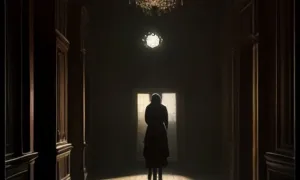
The visualisations are generated by artificial intelligence and serve as inspiration.
Photos from the area
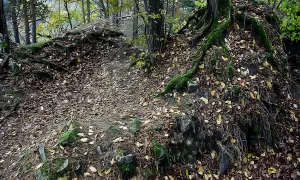
Real photos taken near the monument


Zdroj a licence jsou uvedeny u každého snímku.
Tips from visitors
No tips yet. Be the first!
Log in and add your tip.
Sources and literature
Photos: Harold / CC BY-SA 3.0 — Wikimedia Commons. The author and licence also appear when you hover over the image.
Faktickým podkladem tohoto textu byl článek na Wikipedii, jehož autory jsou přispěvatelé Wikipedie. Článek je dostupný pod licencí CC BY-SA 4.0.
Location on the map


Příběhy a pověsti
Legendy, pověsti a příběhy spjaté s touto památkou
Fotografie návštěvníků
Zatím žádné fotografie. Buďte první, kdo přidá fotografii z návštěvy!
Log in a přidejte svou fotografii nebo hodnoťte.
Za ověřenou návštěvu v aplikaci získáte víc bodů — poznáme podle GPS, že jste na místě.
Reviews and comments