






Dům umění města Brna Gallery
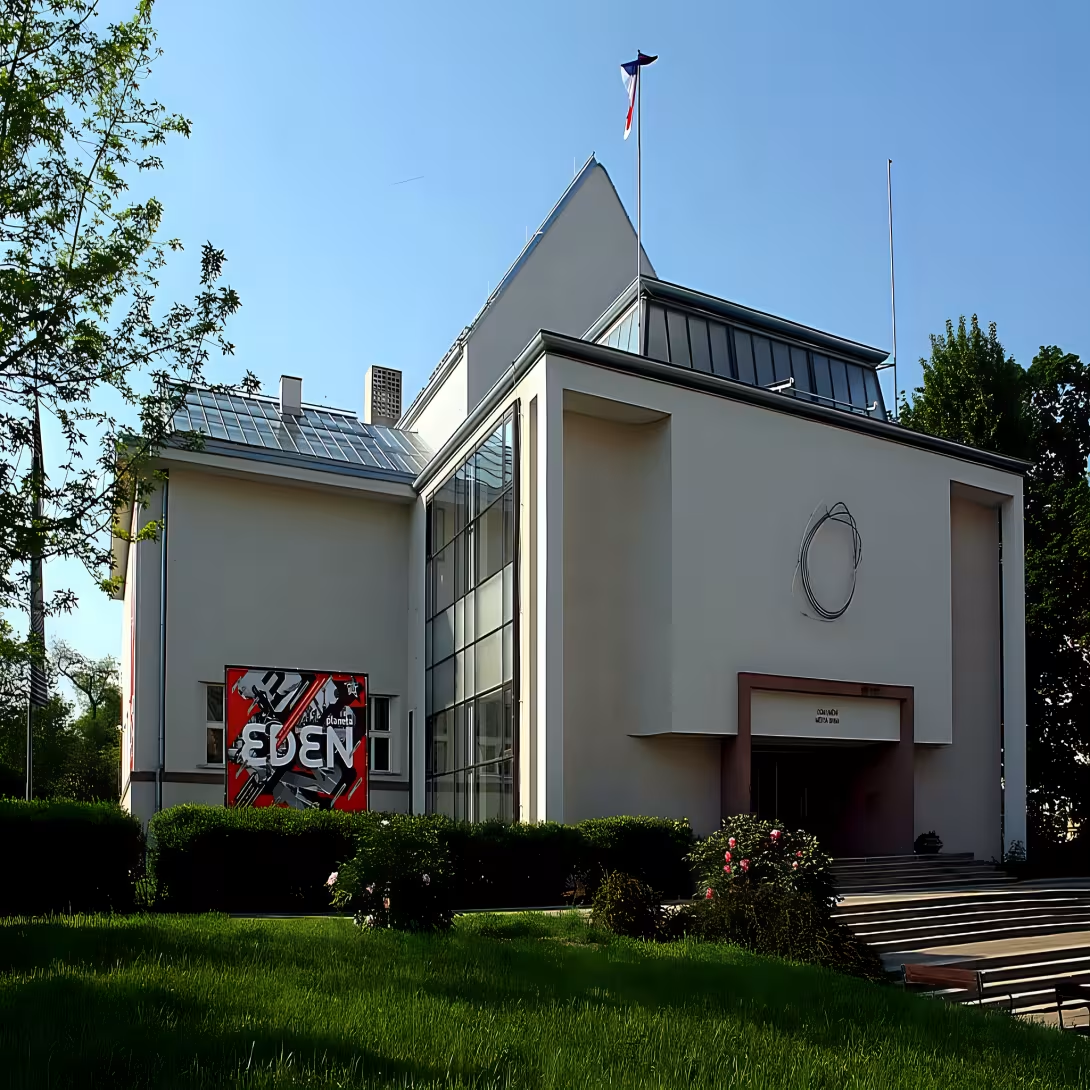
Dům umění města Brna is a contributory organization of the statutory city based in Malinovsky Square No. 2, dedicated to the presentation of contemporary art. The House of Lords of Kunštát on Dominican Street 9 also falls under his administration.
The beginnings of the history of this house are linked to the Moravian Art Association, which was established in the second half of the 19th century with the aim of organising regular exhibitions in Brno and other Moravian cities, promoting art among the public and promoting artistic artists. After a long effort for its own representation space, a building opened by император Franz Joseph was built on the design of architect Heinrich Karl Ried. The opening ceremony of the Jubilee House of Artists took place on 25 March 1911. On the facade, the building combined a resounding Art Nouveau style with modern-designed gallery spaces - spacious without unnecessary decoration, illuminated by glass roofs.
World War II has brought about major changes. The Moravian Artistic Society came under the influence of Nazi organizations and was later abolished in 1946 on the basis of the decrees of President Edvard Benes. A year earlier, in 1945, the building was taken over by the Brno City Administration, which renamed it the House of Arts. Since 1946, the city's National Committee has managed the building. The building carried its own fate - the bombing of the US Air Force on 20 November 1944 was partially damaged.
The renewal took place between 1946 and 1947 under the leadership of Bohuslav Fuchs. During the reconstruction, the ornamental elements based on Germanic mythology were removed and the facade gained a functionalist look which better corresponded with the modern character of the exhibition space. In 1958 the House of Arts was handed over to the administration of the House of Lords of Podebrad, which was renamed the House of Lords of Kunštát a year later. There were created other specialized exhibition premises - Cabinet photography, Cabinet graphics and Cabinet architecture. The cabinet of photographs of Jaromír Funk, founded in 1958, became an important institution and strongly supported the emancipation of photography in Czechoslovakia.
The last extensive changes occurred between 1990 and 2003, when the building of the House of Lords of Kunštát was reconstructed. The internal layout changed - the café Trojka and gallery G99 focused on the youngest generation of artists was created instead of the professional cabinet. The latest major reconstruction was carried out by the House of Arts from 2008 to 2009, the authors of which were Petr Horša and Margaret Horšová. Since December 2023, the Centre for the Art of New Media - Vasulka Kitchen Brno, which was previously located in the basement of the main building. The director of the institution has been Terezie Petišková since March 2013. Today, the building serves as a space for presenting contemporary art and cultural projects.
Then and now
Drag the slider to compare how the landmark may have looked when it was built with the view today.
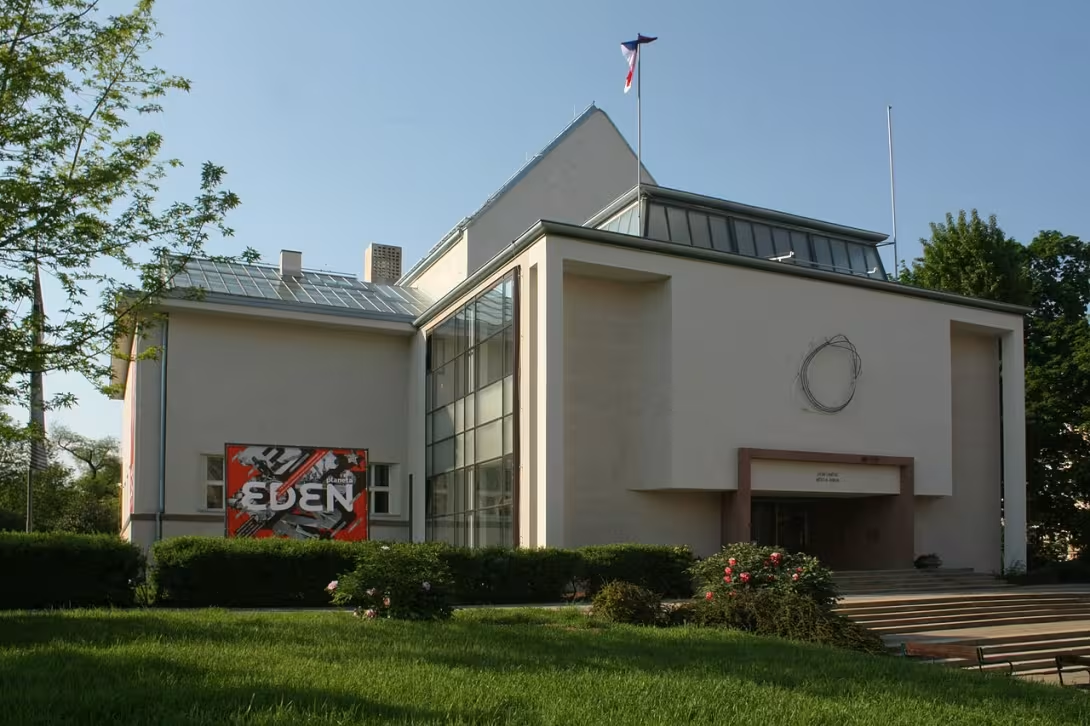

The historical appearance on the left is an AI-generated visualisation and serves as inspiration only.
Historical milestones
- 1911
- Ceremonial opening of the Jubilee house of artists of emperor Franz Joseph.
- 1944
- Partial damage to the building during the US Air Force bombing.
- 1946
- Cancellation of Moravian Art Association and takeover of the building by the Brno City Administration.
- 1946
- The beginning of the functionalist reconstruction of the building under Bohuslav Fuchs.
Architectural development
The original state was realized in the maturing Art Nouveau style with modern gallery spaces. After the damage to the air force, a reconstruction was carried out in which the ornaments were removed and the building gained a functionalist appearance. The last major reconstruction was carried out by architects Petr Horša and Markéta Horšová in 2008-2009.
Historical events
25 March 1911: Opening ceremony of the Jubilee House of Artists; 20 November 1944: Partial damage to the building by bombing the U.S. Air Force; 1946-1947: Functional reconstruction of the building; 1958: Establishment of the cabinet of photographs of Jaromír Funk.
Owners
Moravian Art Association (until 1946), Brno City Administration (since 1946), statutory city Brno (present)
Points of interest
- Dům umění města Brna was opened on 25 March 1911 and the ceremonial opening took place on the design of architect Heinrich Karl Ried. - During World War II, the Moravian Art Association was under the influence of Nazi organizations and the building was bombed by the American Air Force on 20 November 1944. - The reconstruction of the building after the war took place between 1946 and 1947, when the ornamental elements were removed from Germanic mythology and the facade gained a functionalist appearance. - In 1958 he took over the administration of the House of Lords of Poděbrad, which was
Guide
This guide is narrated by a synthetic voice generated by artificial intelligence.
Show guide text
This text was created by artificial intelligence and has not been editorially reviewed. It may contain inaccuracies.
Welcome to the heart of Brno. You are standing right in front of a building that is not just an ordinary object of stone and plaster, but a living witness to the changing destinies of our city and the entire national art. In front of your eyes is Dům umění města Brna. Stop for a moment, perceive the atmosphere of this place and let yourself be carried away by the feeling that you are entering the space where history meets the latest creations of human imagination. This building, which you are now observing, tells the story of the rise, the tragedy, and the incredible ability to recover.
Let's go back deep into the past together to understand why this place is so special. Imagine the beginning of the silk decade of the last century. It's 1911. Brno had a period of great flourishment and national pride. Just then, on March 25, 1911, an event took place that was about to change the face of Brno's culture. The building you now see was opened at the time as the Jubilee house of artists of emperor Franz Joseph. Its formation was not random; was deeply rooted in the traditions of the Moravian Artistic Association, which formed in the second half of the nineteenth century. This association was a pillar for local artists and the need to have a dignified place for their creation led to the implementation of this magnificent project.
Now pay attention to the architecture itself, which you are now seeing with your senses. When you look at the facade and the overall structure of the building, you have before you the work of an important architect who was Heinrich Karl Ried. His original vision was intended for the imperial empire era, it was representative and meant to reflect the nobility of the jubilee character of the house. However, what you're seeing right now is the result of a fascinating encounter of two different epoch.
Notice how different layers of time intersect in this building. The building has undergone a fundamental and unexpected transformation. We must look again at the dark years of World War II. On November 20, 1944, a rumble of explosives spread over the city. The U.S. Air Force hit the building and caused partial damage. This tragic event has changed the physical form of this place forever. After the war, in 1946, it was time for a crucial decision. The Moravian Art Association was abolished and the building was taken over by the Brno City Administration. But this was not the end, but the beginning of a new chapter.
It was in 1946 that one of the most important reconstructions in the history of Brno architecture began. Bohuslav Fuchs, one of the most prominent figures of modern construction, entered the project management. Under his hands, the building transformed towards functionalism. If you are now looking at the shapes and lines of this building, see this dialogue between the original, representative intention of Heinrich Karl Ried and the new, clean and rational aesthetics brought by Fuchs. It is a fascinating example of how architecture can adapt to new needs and the consequences of war destruction.
Looking at this place, however, we must not forget the people who left their mark. The House of Art is not just an empty space, it is a place that shaped the fate of prominent personalities. In his history, there were stories of people like Terezie Petišková, Adolf Kroupa or Jaromír Funk. Although their names may not appear so often in a normal conversation, it is their presence and activity within the artistic life of the subject that this place has gained its profound cultural weight. They stood here, created, debated, and it was because of them that this house became a real kussthall, a place where art became part of the everyday life of the city.
Now I want to tell you one interesting thing that might make you look at the building a little differently. You may find the building very uniform, but it's actually like a book with plastered and glued pages. The reconstruction under Fuchs wasn't just a bomb repair; It was a philosophical change. From a place to serve as a celebration of the imperial jubilee, a place to serve a modern man who is open, clear and functional. The invisible line between what was here in 1911 and what is here now is what makes this memory so unique. It is an architecture that survived the destruction and was born again in a completely different spirit.
I now invite you, with pleasure and respect, to take the most important step. Leave behind these historical considerations and enter. Dům umění města Brna now awaits you with its current exhibitions, which are a direct continuation of this long and rich tradition. Explore his premises, perceive the light that permeates his interior, and let yourself be inspired by what contemporary artists have in their hearts. Thank you for spending this moment with me at this important monument. I wish you a nice tour and many unforgettable experiences in the Brno art world. Goodbye.
Tips for visitors
Best time to visit At home the art of Brno is early afternoon, when the gallery is most visited and offers optimal light for viewing exhibitions. This time also means less probability of long fronts before the entrance.
Parking can be found in parking lots near Malinovska Square, or you can use public transport. The House of Art is well accessible by bus and tram; a specific connection can be found in the current transport schedule.
When visiting, bring comfortable shoes because the gallery can also be visited by children. If you plan to spend more time in it, it is advisable to take your bag or bag with you.
Photography of works of art is generally permitted but without the use of wells and while following instructions from employees. The best light for photos can be found in the gallery's interior areas during the early afternoon.
In the surroundings of the House of Art you can visit the historic House of Lords from Kunštát, which offers interesting architecture and exhibitions. For families with children it is also advisable to explore Malinovska Square with its public green spaces.
For kids
Imagine going back 81 years to the past. Before our towns and villages were born, before the streets and squares were settled, there was only a forest where Dům umění města Brna stands today.
It was a big forest with trees that were as tall as clouds and full of birds singing songs. There were also animals in the forest - foxes, squirrels and wolves. They all lived here happily and happily. But sometimes something unexpected came up.
We wait! How did it look here? Who lived here? What happened here?
Businesses nearby
Do you run a restaurant, accommodation, shop, museum, rental, wellness or other visitor service near this monument? Show yourself directly to the people heading to it — this is how they will see you in the app and on the web:
Events nearby




Zdroj akcí: otevřená data měst a obcí ČR (Národní katalog otevřených dat) a kalendář akcí Národního památkového ústavu.
Nearby
Malinovska Square, House of Lords from Kunštát
Accommodation nearby
Trips and activities nearby
Guided tours, tickets and activities nearby from GetYourGuide
Affiliate link: if you buy from the partner, we may receive a commission. The price for you does not change.
Search tours and activities →Themed route
Malinovska Square - historical square, center of urban culture. A walk around this picturesque space will bring you into the atmosphere of the old city of Brno and offer an opportunity to soak up local tourism and architecture.
The house of gentlemen from Kunštát - Renaissance city house, monument to architecture. Just a few minutes walk from the square, this preserved house presents a unique view of the Brno nobility and allows you to admire richly decorated facades and historic interiors.
Dům umění města Brna - modern gallery, exhibition space. From the House of Lords of Kunštát you can get approximately 400 m to the main destination, where you will find contemporary exhibitions of Czech and foreign artists, interactive installation and inspiring programs.
The entire route is pedestrian, the total length of about 800 m, and allows a smooth transition from the historical core to the modern artistic space.
Seasonal recommendations
Spring: In spring, the surroundings of the gallery awaken and the city gets a fresh breath. The light is fine in this period, which matches the calm mood of artistic space. We recommend you take layered clothes because the morning cold may conflict with the afternoon heat. The ideal time to visit is in the morning, when the halls are still airy and visitors gradually join.
Summer: The summer months bring intense sun and high temperatures, making the building a great shelter from the heat. The atmosphere of the city is very lively and dynamic. In order to avoid the biggest crowds and unpleasant noon heat, we recommend to come right after opening. Dress lightly and comfortably to enjoy the tour in a colder environment without unnecessary sweating.
Autumn: Autumn season offers a melancholy atmosphere that is perfectly complementary to artistic expression. The golden colours of the leaves and the fog wound create poetic sets for the journey to the gallery. It is advisable to prepare your coat or scarf because the weather can change quickly. It is best to visit a place in the afternoon when light is softer and there is a quieter mood in the halls.
Winter: In winter time the gallery becomes a comfort before the cold and short day. The atmosphere of the interior is cosy and offers a pleasant contrast to the freezing weather outside. There are more people in the city in advent time, so it's a good time to plan ahead of time. Don't forget the warm clothes and shoes that will protect you when you travel, and always check in advance for any shortened opening hours.
Visualizations and artistic views


The visualisations are generated by artificial intelligence and serve as inspiration.
Photos from the area
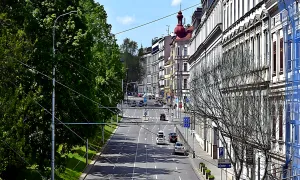
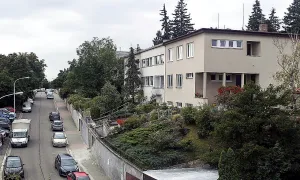
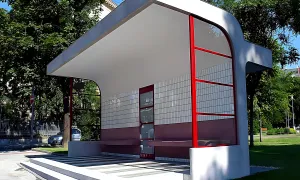
Real photos taken near the monument


Zdroj a licence jsou uvedeny u každého snímku.
Atmosphere of the place
This atmospheric visualisation of the place and period was generated by artificial intelligence. It is not real footage of the location.
Tips from visitors
No tips yet. Be the first!
Log in and add your tip.
Sources and literature
Fotografie: This image is a work by Mercy. When reusing, please credit me as: Mercy from Wikimedia Commons. I would appreciate being / CC BY-SA 3.0, rozlišení zvýšeno umělou inteligencí — Wikimedia Commons. The author and licence also appear when you hover over the image.
Faktickým podkladem tohoto textu byl článek na Wikipedii, jehož autory jsou přispěvatelé Wikipedie. Článek je dostupný pod licencí CC BY-SA 4.0.
Location on the map

Příběhy a pověsti
Legendy, pověsti a příběhy spjaté s touto památkou
Fotografie návštěvníků
Zatím žádné fotografie. Buďte první, kdo přidá fotografii z návštěvy!
Přihlaste se a přidejte svou fotografii nebo hodnoťte.
Za ověřenou návštěvu v aplikaci získáte víc bodů — poznáme podle GPS, že jste na místě.
Reviews and comments