






Muzeum starobrněnského opatství Museum
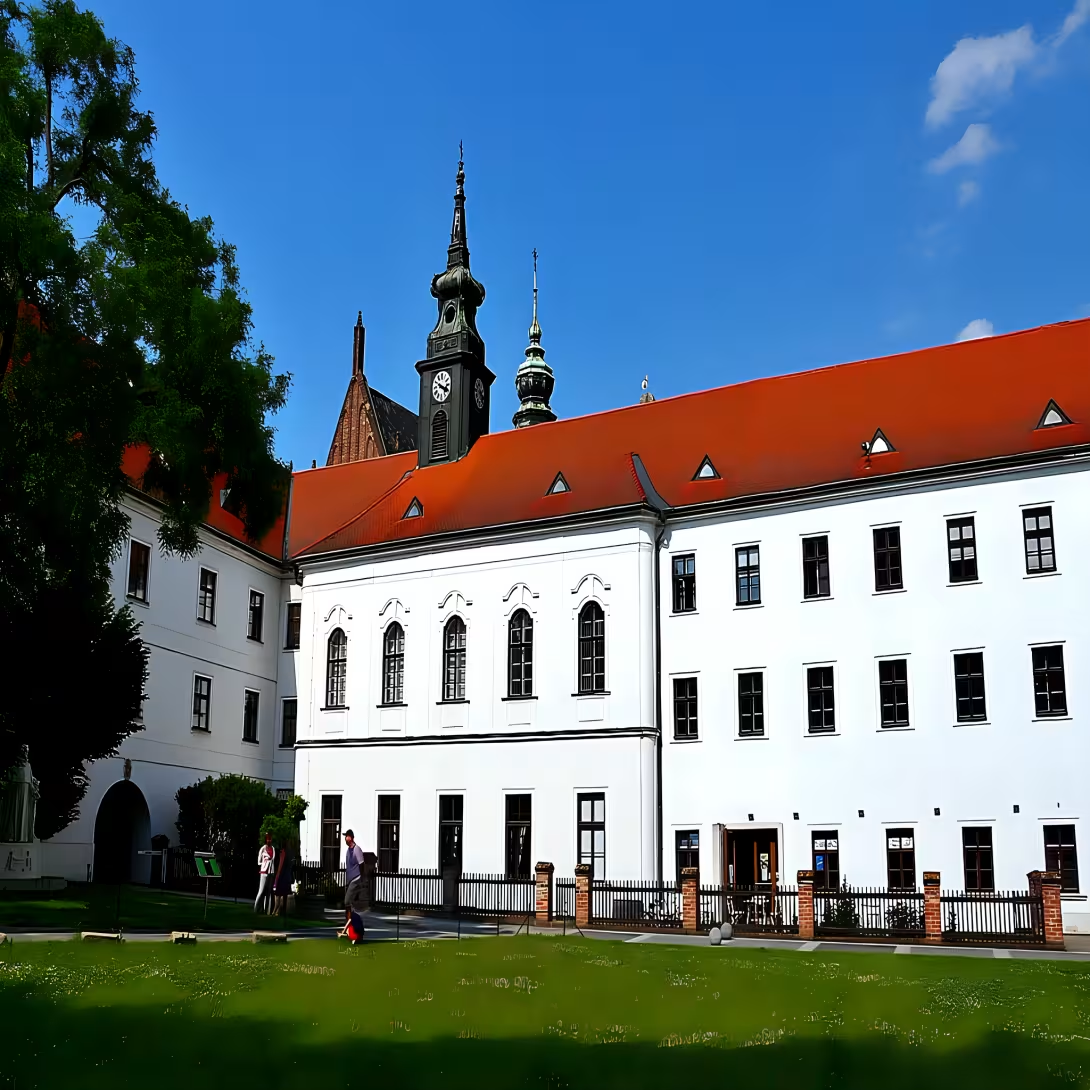
The Museum of the Staré Brno Abbey is a captivating historical monument located in the heart of Brno, within an active Augustinian monastery. Opened on February 1, 2018, this museum offers visitors a unique glimpse into the history and cultural heritage of Staré Brno through its authentic monastic setting. It stands out for its thematic exhibitions that explore the region's rich past, featuring both secular and sacred art galleries with items of high artistic and historical value.
The origins of the museum are deeply intertwined with the history of the monastery itself. Cistercian nuns established their presence at Staré Brno in 1323 under the auspices of Eliška Rejčka, integrating into the Cistercian order which played a significant role in monastic reform across Europe during this period. This foundation marked the beginning of a rich historical narrative that continued until 1782 when Emperor Joseph II dissolved their monastery. The museum's establishment was made possible through collaboration between Brno's Augustinians, who contributed most of the collection, Mendel Museum as a tour service mediator, and the City of Brno Museum, which provided archaeological finds and photographs.
Architecturally, the museum is housed in the authentic spaces of an active Augustinian monastery. The exhibition includes both secular and sacred art galleries that showcase paintings and artifacts once displayed within closed sections of the monastery. These galleries feature works such as Ludwig Blum's impressive painting of Jerusalem, created in 1937 for the Biblical Museum, which now resides in the former dormitory since 2000. Additionally, visitors can explore a model and photographs from archaeological research conducted in the 1970s, revealing earlier structures like a Romanesque chapel and rotunda.
The museum is not only a testament to its historical origins but also reflects the collaborative efforts of various institutions that have contributed to its current state. The Brno Augustinians played a pivotal role by providing the majority of the collection, while the Mendel Museum facilitated tour services, and the City of Brno Museum enriched the exhibition with archaeological finds.
Today, the Museum of the Staré Brno Abbey stands as a testament to the region's historical depth and cultural richness. Its exhibitions are divided into four thematic sections that offer insights into both the secular and sacred aspects of its history. The museum is accessible to both experts and the general public, inviting visitors to explore its galleries and appreciate the high artistic and historical value items on display.
Visiting this museum offers a unique opportunity to delve into the layered history of Staré Brno through its authentic monastic setting. It serves as a bridge connecting past and present, making it an invaluable destination for anyone interested in exploring the cultural heritage of the region.
Historical milestones
- 1323
- Foundation of the monastery by Eliška Rejčka.
- 1782
- Dissolution of the Cistercian nuns' monastery by Emperor Joseph II.
Architectural development
The museum is housed in the authentic spaces of an active Augustinian monastery. The exhibition includes a secular and sacred art gallery with paintings and artifacts that were once displayed within closed sections of the monastery.
Historical events
The monastery was founded in 1323 by Eliška Rejčka and integrated into the Cistercian order.
Cistercian nuns lived at Staré Brno until 1782, when their monastery was dissolved by Emperor Joseph II.
Owners
The museum was established through collaboration between Brno's Augustinians, who contributed the majority of the collection, Mendel Museum as a tour service mediator, and the City of Brno Museum which provided archaeological finds and photographs.
Points of interest
- The museum's establishment was significantly influenced by the dissolution of the Cistercian nuns' monastery in 1782 by Emperor Joseph II, marking a pivotal moment that eventually led to its transformation into a museum space. - A notable artifact within the museum is Ludwig Blum's painting of Jerusalem from 1937, which has been part of the exhibition since it was moved to the former dormitory in 2000, highlighting the dynamic history of art relocation and preservation within the monastery. - Archaeological research conducted in the 1970s uncovered remnants of a Romanesque chapel and rotunda beneath the current museum structure, offering fascinating insights into the architectural evolution of the site over centuries. - The collaboration between Brno's Augustinians, Mendel Museum, and the City of Brno Museum was crucial for assembling the diverse collection that includes both sacred and secular art, showcasing a unique blend of contributions from different institutions. - Despite being housed in an active monastery, the museum uniquely integrates its historical exhibitions within the living monastic environment, allowing visitors to experience history amidst ongoing religious practice.
Guide
This guide is narrated by a synthetic voice generated by artificial intelligence.
Show guide text
This text was created by artificial intelligence and has not been editorially reviewed. It may contain inaccuracies.
Welcome to the Museum of Staré Brno Abbey, nestled in the heart of Brno, Jihomoravský kraj. As you stand here, surrounded by an aura of centuries-old history, take a moment to absorb your surroundings. You're enveloped by the authentic monastic ambiance that has been meticulously preserved over time. This museum isn't just a building; it's a portal to the past, offering a unique glimpse into the cultural tapestry of Staré Brno.
The origins of this remarkable site trace back to 1323 when Eliška Rejčka founded the monastery. Her vision brought together spirituality and community in an era marked by both turmoil and transformation. The monastery thrived as a center for religious life until a pivotal moment in history occurred in 1782. Emperor Joseph II dissolved the Cistercian nuns' monastery, setting off a chain of events that would eventually transform this sacred space into what you see today—a museum rich with historical exhibits.
As you explore further, notice the architectural essence that has stood resilient through time. The active Augustinian monastery envelops you in an atmosphere where history breathes through its walls. While specific architects remain unnamed, their work is evident in the seamless blend of functionality and spirituality that characterizes this space. As you wander, focus on how the architecture supports both the sacred and secular exhibits divided into four thematic sections.
Key figures such as Eliška Rejčka are central to the narrative woven through these halls. Her legacy is palpable here, a testament to her impact on the region's history. The dissolution of the monastery by Emperor Joseph II was not just an end but also a beginning. This transformation from a religious institution to a museum space underscores the resilience and adaptability of this historic site.
Among the treasures housed within are works that captivate and intrigue. A notable highlight is Ludwig Blum’s painting, which adds depth to your understanding of the region's artistic heritage. As you move through the galleries, let yourself be drawn into the stories these artworks tell, each piece a fragment of Brno's rich cultural mosaic.
As we conclude this brief journey, consider this an invitation to delve deeper into the layers of history and artistry that Staré Brno Abbey has to offer. There is much more to discover within its walls, where every corner holds a story waiting to be uncovered. Thank you for joining us today, and may your exploration here inspire a lasting appreciation for the past's enduring influence on our present.
---
Feel free to continue exploring at your own pace, allowing the history of this extraordinary place to unfold around you.
Tips for visitors
The best time to visit the Museum of the Staré Brno Abbey is during late spring or early autumn. During these months, the weather is pleasant, allowing visitors to comfortably explore both indoor exhibits and outdoor areas without the crowds typical of peak tourist seasons. Additionally, the natural lighting enhances the experience in art galleries and historical displays.
Parking and transportation options are convenient for reaching the museum. Visitors can drive to nearby parking facilities or use public transport such as buses and trams. For those preferring not to drive, it's advisable to check current routes and schedules using a transportation app or website to ensure smooth travel plans.
When planning your visit, consider bringing comfortable walking shoes, especially if you plan to explore the entire site. A light jacket might also be useful due to variable weather conditions. Don't forget to carry water and perhaps a small snack for longer visits, as there may not always be refreshment options available on-site.
Photography enthusiasts will find several spots within the museum where lighting is ideal for capturing the essence of Staré Brno's history. The morning light streaming through windows in certain galleries creates beautiful effects, making it an excellent time to take photos. Be mindful of any photography restrictions that might be in place to preserve the integrity of exhibits.
For those interested in exploring nearby attractions within a 30-minute drive or public transport journey, consider visiting the Cathedral of Saints Peter and Paul in Brno. This iconic landmark offers stunning architecture and panoramic views of the city. It's an excellent complement to your visit at the museum and provides additional historical context.
Businesses nearby
Do you run a restaurant, accommodation, shop, museum, rental, wellness or other visitor service near this monument? Show yourself directly to the people heading to it — this is how they will see you in the app and on the web:
Events nearby


Zdroj akcí: otevřená data měst a obcí ČR (Národní katalog otevřených dat) a kalendář akcí Národního památkového ústavu.
Accommodation nearby
Trips and activities nearby
Guided tours, tickets and activities nearby from GetYourGuide
Affiliate link: if you buy from the partner, we may receive a commission. The price for you does not change.
Search tours and activities →Themed route
Tematická výletní trasa: "Historický a kulturní průzkum Brna"
1. Muzeum starobrněnského opatství (muzeum) Začněte svou cestu u samotného srdce historie Brna, kde se nachází Muzeum starobrněnského opatství. Toto muzeum vás zavede do hlubin duchovní a kulturní minulosti města, ukazující na život a činnost benediktinských mnichů, kteří byli klíčovými postavami ve formování Brna. Je to nezbytné místo pro každého, kdo se zajímá o historii města a chtěl by pochopit jeho duchovní základy.
2. Kostel svaté Kateřiny (kostel) Přibližně 10 minut chůze od muzea se nachází Kostel svaté Kateřiny, který je jedním z nejstarších kostelů v Brně. Tento gotický kostel je známý pro svou architektonickou krásu a historickou hodnotu. Navštívte ho pro pohled na jeho bohaté interiér, který zahrnuje díla renomovaných umělců a sochařů.
3. Starobrněnská věž (věž) V blízkosti kostela svaté Kateřiny se nachází Starobrněnská věž, kterou lze navštívit pro nezapomenutelný pohled na Brno a jeho historické centrum. Tato věž je součástí bývalého benediktinského kláštera a její vyhlídka nabízí jedinečnou perspektivu na městskou krajinu.
4. Náměstí Svobody (náměstí) Krátce po prozkoumání věže se dostanete do srdce Brna, Náměstí Svobody. Toto centrální náměstí je nejen důležitým místem pro setkávání a akce, ale také domovem několika historických budov a památek, jako je například Radnice s jejím věží. Je to ideální místo pro krátkou pauzu a prohlédnutí se po místních atrakcích.
5. Muzeum starobrněnského opatství - expozice (expozice) Po návštěvě centra Brna se vrátíte do Muzea starobrněnského opatství, kde si prohlédnete další expozice. Tato část muzea nabízí detailnější pohled na život v klášteře a jeho vliv na místní komunitu. Je to skvělý způsob, jak uzavřít svou cestu hlubokým pochopením historického kontextu Brna.
Tato trasa nabízí poutavý průzkum historie a kultury Brna s důrazem na jeho benediktinské kořeny.
Seasonal recommendations
Spring: Visiting the Museum of Old Brno Monastery during spring offers a refreshing experience as nature awakens around the historic site. The blooming gardens and vibrant greenery create an inviting atmosphere, ideal for leisurely walks before or after exploring the museum's exhibits. Spring is generally less crowded than summer, allowing for a more relaxed visit. It's advisable to wear layers, as temperatures can fluctuate between warm days and cooler evenings. Early morning visits are recommended to enjoy the serene beauty of the awakening gardens.
Summer: Summer at the Museum of Old Brno Monastery is marked by long daylight hours that enhance your exploration experience. The lush surroundings provide a picturesque backdrop for photography enthusiasts. However, summer also brings larger crowds due to its peak tourist season, so it's wise to arrive early in the day to avoid queues and fully enjoy the exhibits. Comfortable walking shoes and light clothing are recommended, along with sun protection such as hats and sunscreen, to ensure a pleasant visit during the warmest months.
Autumn: Autumn brings a unique charm to the Museum of Old Brno Monastery, with its rich tapestry of fall colors creating an enchanting atmosphere. The cooler temperatures make for a comfortable stroll through the historic grounds, which are less crowded compared to summer months. This is an ideal time for photography and enjoying outdoor spaces before they become too cold. Layered clothing is recommended to adapt to varying temperatures throughout the day, and it's best to visit during mid-week days when visitor numbers tend to be lower.
Winter: Winter transforms the Museum of Old Brno Monastery into a serene winter wonderland, with snow-covered landscapes providing a magical setting for visitors. The shorter daylight hours mean that visits are typically quicker, allowing you to experience the museum's indoor exhibits without feeling rushed. It's essential to dress warmly in layers and wear waterproof boots due to potential icy conditions. Visiting during weekdays is advisable to avoid larger weekend crowds, ensuring a peaceful exploration of this historic site amidst the quiet beauty of winter.
Visualizations and artistic views


The visualisations are generated by artificial intelligence and serve as inspiration.
Photos from the area
Real photos taken near the monument

Zdroj a licence jsou uvedeny u každého snímku.
Tips from visitors
No tips yet. Be the first!
Log in and add your tip.
Sources and literature
Photos: VitVit / CC BY-SA 4.0, rozlišení zvýšeno umělou inteligencí — Wikimedia Commons. The author and licence also appear when you hover over the image.
Faktickým podkladem tohoto textu byl článek na Wikipedii, jehož autory jsou přispěvatelé Wikipedie. Článek je dostupný pod licencí CC BY-SA 4.0.
Location on the map

Příběhy a pověsti
Legendy, pověsti a příběhy spjaté s touto památkou
Fotografie návštěvníků
Zatím žádné fotografie. Buďte první, kdo přidá fotografii z návštěvy!
Log in a přidejte svou fotografii nebo hodnoťte.
Za ověřenou návštěvu v aplikaci získáte víc bodů — poznáme podle GPS, že jste na místě.
Reviews and comments