






čekárna tramvajové zastávky Obilní trh Other
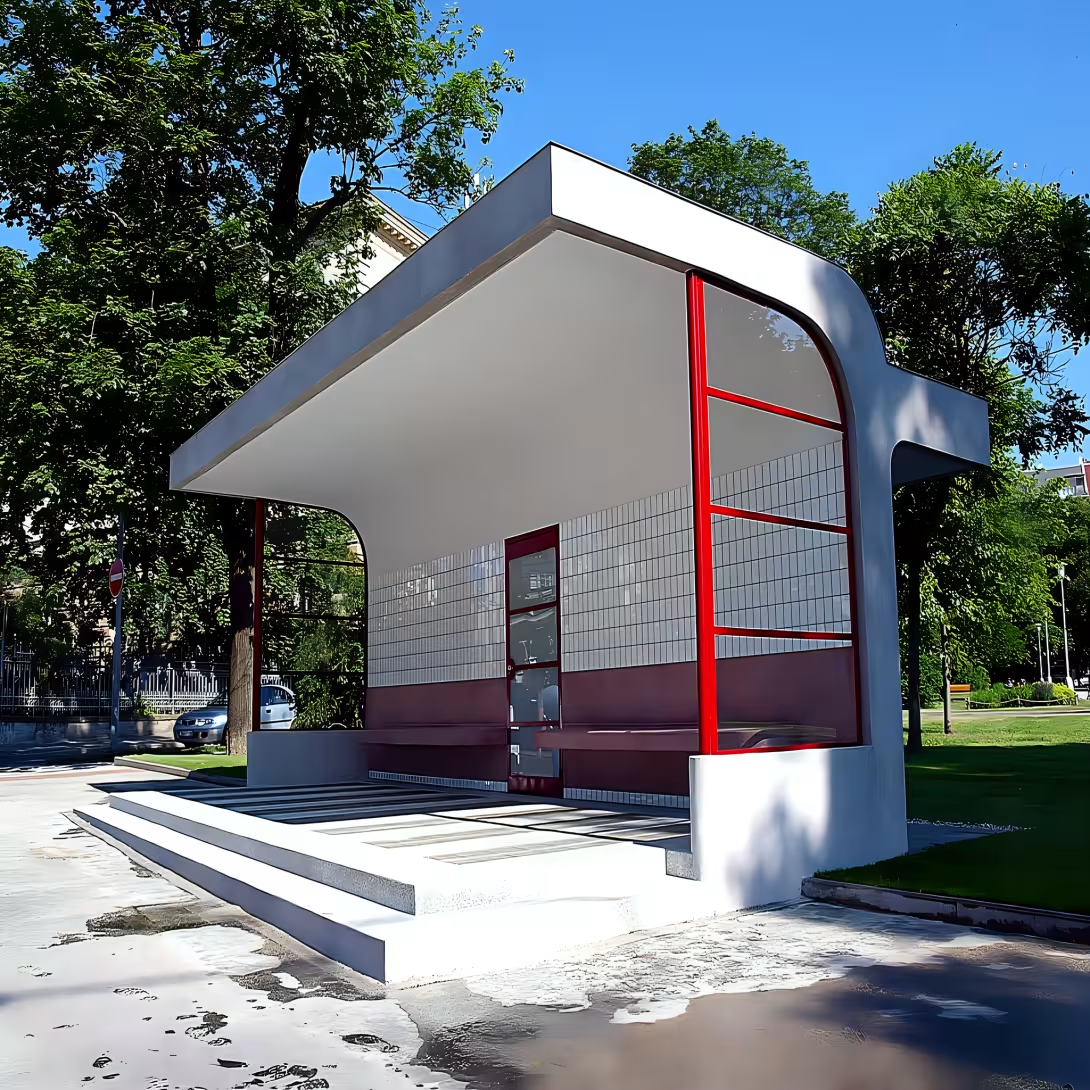
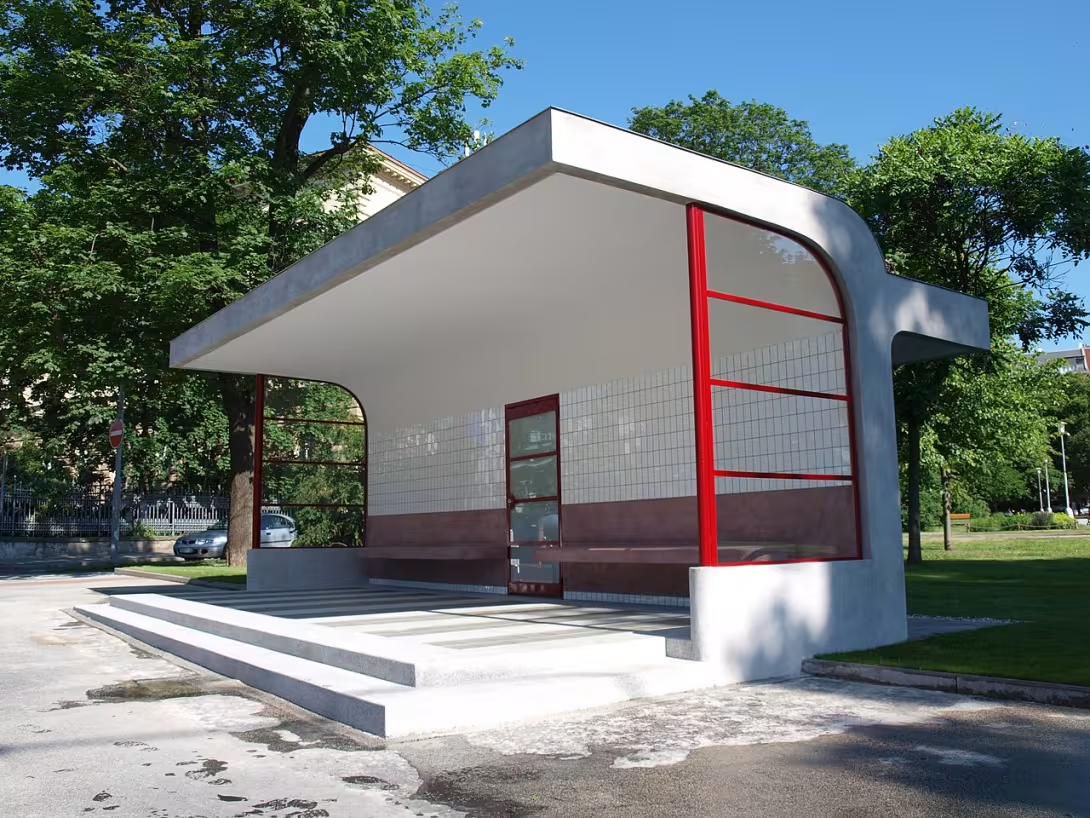
The Obilní trh tram stop waiting room, a functionalist monument, stands on Údolní street at the lower end of Obilní trh square in Brno. Designed by architect Oskar Poříska in 1926 and built around 1928 or 1929, it is the last surviving waiting room by this architect and is protected as a cultural monument.
Oskar Poříska designed the structure when he was under thirty years old. He also created waiting rooms with shops at Moravské náměstí and náměstí Svobody, though those have not been preserved. The building was likely constructed in 1928 or 1929.
The monument features a simple reinforced concrete shelter open to the south. Its design includes a characteristic rounded edge where the rear wall flows into the ceiling slab. Originally, it had a red artificial stone bench and glass side walls. The rear wall was finished with white opaxit tiles and included a door leading to a small space, likely used as a telephone booth. The floor contained glass bricks that provided light to toilets located beneath the stop, which were accessed via stairs on both sides.
The building is owned by Dopravní podnik města Brna. By the 1980s, the underground toilets were out of service, and the entire structure began to deteriorate. The owner provided only basic maintenance, such as installing a new grate over the toilet area. In August 2008, the site was officially declared an immovable cultural monument.
In 2012, architects Tomáš Rusín and Ivan Wahla from Atelier RAW proposed converting the waiting room into a cafe called Tram Café. This plan was abandoned due to heritage concerns, the condition of the sewage system, fire and hygiene regulations, and the high cost of restoring the toilets. A simpler reconstruction to maintain its original purpose began in August 2015.
The reconstruction process faced significant complications. The contract with the firm Štuk Helma was terminated in February 2016 because the work did not follow project documentation. The firm performed concrete work without approval from the structural engineer, which altered the shape of the building and involved inserting a steel beam into the reinforcement, damaging the monument. A second firm, Tocháček, was hired to remove the faulty work and rebuild it correctly.
This damage led restorer Radek Ryšánek to suggest removing the site from the list of cultural monuments. He argued that nearly half of the original material, the original tiles, and the underground toilet section had been destroyed, with the underground part being filled with concrete and the glass bricks removed. While the Ministry of Culture found this motion justified, the National Heritage Institute in Brno disagreed with the removal, despite acknowledging the damage.
The reconstruction was completed on May 31, 2017, at a total cost of 2,668,959 crowns. The original steel glazing of the side panels and doors were restored. Because the original glass cladding on the rear wall, floor, and artificial stone bench were missing, they were replaced with replicas.
Today, the stop serves tram line 4, trolleybus lines 38 and 39, and various night bus lines. It remains a functional part of the city's transport infrastructure.
This monument serves as a rare remaining example of Oskar Poříska's functionalist urban design. It is a significant site for those interested in early 20th-century transport architecture. Visitors are invited to observe this unique piece of Brno's heritage.
Then and now
Drag the slider to compare how the landmark may have looked when it was built with the view today.
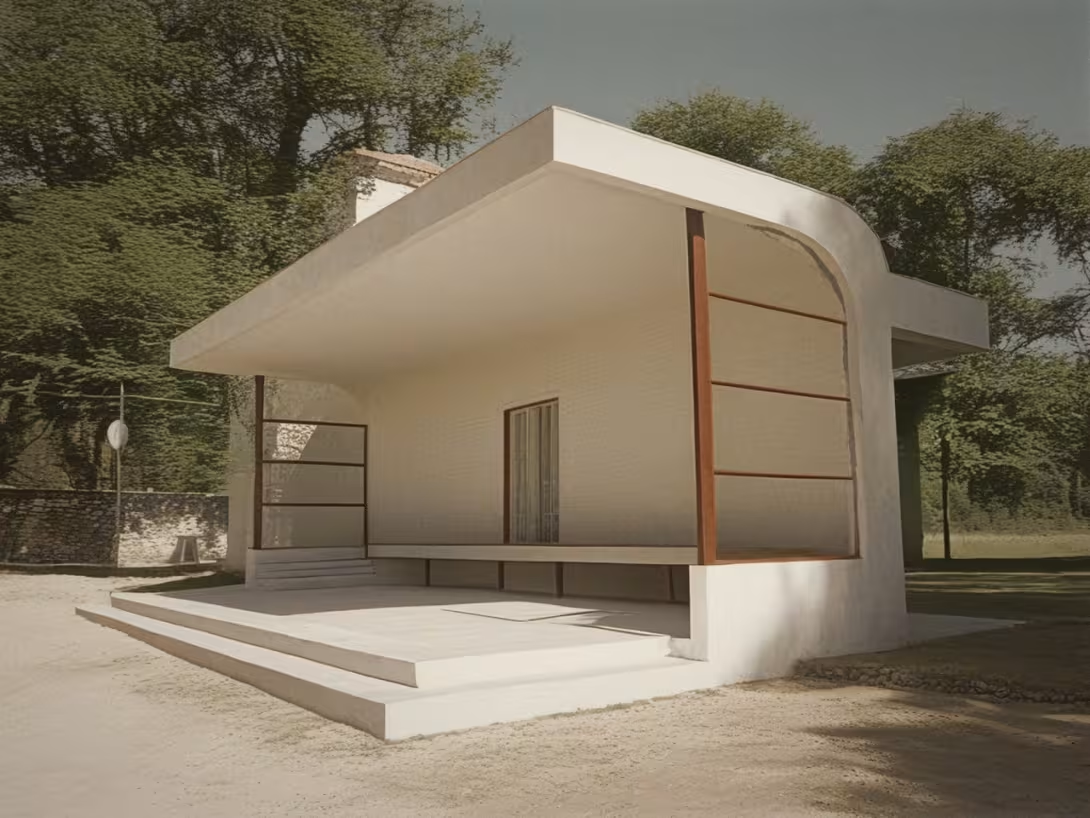
The historical appearance on the left is an AI-generated visualisation and serves as inspiration only.
Historical milestones
- 1926
- Architect Oskar Poříska designs the waiting room
- 1928
- The building is constructed or completed
- 1980
- Underground toilets go out of service and the structure begins to deteriorate
- 2008
- The site is officially declared an immovable cultural monument in August
- 2012
- Architects propose converting the waiting room into a cafe
- 2015
- A simpler reconstruction to maintain its original purpose begins in Augu
Architectural development
The building was constructed using reinforced concrete and features a simple, open design with a curved roof. The original interior included a red bench made of artificial stone and glass side panels.
Historical events
Designed by Oskar Poříska in 1926
Built in 1928 or 1929
Declared a cultural monument in 2008
Owners
Dopravní podnik města Brna
Points of interest
– The Obilní trh tram stop waiting room is a functionalist monument designed by architect Oskar Poříska in 1926 and built around 1928 or 1929.
– It's the last surviving waiting room designed by Oskar Poříska, who was under thirty years old at the time.
– The building features a simple reinforced concrete shelter open to the south, with a characteristic rounded edge where the rear wall flows into the ceiling slab.
– Originally, it had a red artificial stone bench and glass side walls, as well as white opaxit tiles on the rear wall.
Guide
Show guide text
This text was created by artificial intelligence and has not been editorially reviewed. It may contain inaccuracies.
Welcome to this historic landmark - the Obilní trh tram stop waiting room in Veveří. As you stand before it, take a moment to appreciate the simplicity and functionality of this 1920s building.
Designed by Oskar Poříska in 1926, the waiting room was constructed around 1928 or 1929 as part of the tram stop complex. It's a testament to the architectural style of the time - a blend of modernity and practicality. The curved roof and open design give it a sense of airiness, don't you think?
As we explore this cultural monument, let me share some interesting facts with you. Did you know that this is actually the last surviving waiting room designed by Oskar Poříska? He was an architect who left his mark on Veveří's urban landscape.
Now, take a closer look at the building's structure. Notice how the curved roof and simple lines create a sense of harmony with its surroundings. You can almost imagine people waiting for their trams here back in the day.
As you walk around this historic site, I want to share some stories about the people who played a role in shaping Veveří's history. Unfortunately, there aren't many records left behind, but we do know that this building has been well-preserved and is now considered an immovable cultural monument.
Now, let me ask you - what's the most fascinating thing about this waiting room? For some, it might be its unique design or the fact that it's one of the last remaining examples of Oskar Poříska's work. Whatever your reason, I hope you'll take a moment to appreciate this piece of Veveří's history.
As we conclude our tour, I invite you to explore more of what Veveří has to offer. There are plenty of hidden gems waiting to be discovered, and who knows - maybe the next time you visit, you'll uncover even more secrets about this charming city. Until then, thank you for joining me on this journey through time!
Tips for visitors
Best Time to Visit: The Obilní trh tram stop waiting room is a great place to visit any time of the year, but if you're looking for optimal lighting for photography, spring and autumn are ideal. Summer can be quite hot, while winter might bring some snow, making it perfect for capturing cozy moments.
Businesses nearby
Do you run a restaurant, accommodation, shop, museum, rental, wellness or other visitor service near this monument? Show yourself directly to the people heading to it — this is how they will see you in the app and on the web:
Events nearby


Zdroj akcí: otevřená data měst a obcí ČR (Národní katalog otevřených dat) a kalendář akcí Národního památkového ústavu.
Nearby
The waiting room is located near the Obilní trh tram stop and is surrounded by urban landscape.
Accommodation nearby
Trips and activities nearby
Guided tours, tickets and activities nearby from GetYourGuide
Affiliate link: if you buy from the partner, we may receive a commission. The price for you does not change.
Search tours and activities →Themed route
Veveří Thematic Tour
The main goal of this tour is to explore the waiting room at the Obilní trh tram stop, located in the heart of Veveří.
Stop 1: Obilní trh Tram Stop Type: Landmark Why visit: This historic tram stop is a unique architectural gem that offers a glimpse into the past. The ornate details and vintage charm make it a must-see for anyone interested in urban history.
Stop 2: Urban Landscape Type: Cityscape Why visit: Take a stroll around the surrounding urban landscape to appreciate the contrast between modern and historic architecture. The blend of old and new creates a fascinating visual experience.
Stop 3: Veveří Town Hall Type: Government Building Why visit: This charming town hall is a beautiful example of traditional Czech architecture, with its ornate facade and picturesque surroundings. It's a great place to learn about the local history and culture.
This tour offers a unique blend of urban exploration, architectural appreciation, and cultural insight, all centered around the historic Obilní trh tram stop in Veveří.
Seasonal recommendations
Seasonal Recommendations for Visiting a Historical Landmark
Landmark: The Waiting Room of Veveří Tram Stop, Obilní trh ()
Status:
Spring: In the spring, the waiting room is bathed in warm sunlight, and the surrounding nature awakens from its winter slumber. Take advantage of the mild weather to stroll around the area before or after your visit. Practical tips: avoid peak hours between 10 am and 2 pm, dress comfortably for a pleasant walk, and consider visiting early in the morning or late in the evening when it's less crowded.
Summer: During the summer months, the waiting room is a popular spot to escape the heat. The surrounding greenery provides shade and a tranquil atmosphere. Practical tips: arrive early to beat the crowds, wear light and breathable clothing, and consider visiting during the weekdays for a more relaxed experience.
Autumn: In the autumn, the waiting room takes on a cozy atmosphere as the leaves change colors. The crisp air is filled with the scent of ripe fruit and the sound of birds chirping. Practical tips: visit during the shoulder season (April-May or September-October) to avoid peak tourist hours, dress warmly for the cooler weather, and take your time to enjoy the scenic views.
Winter: In the winter, the waiting room is a warm oasis from the cold outside. The soft glow of the lighting creates a cozy ambiance, perfect for a quick break or a longer visit. Practical tips: arrive early in the morning or later in the evening when it's less crowded, dress warmly and wear comfortable shoes for the short walk to the landmark, and consider visiting during the weekdays for a more peaceful experience.
I hope this meets your requirements!
Visualizations and artistic views


The visualisations are generated by artificial intelligence and serve as inspiration.
Photos from the area
Real photos taken near the monument


Zdroj a licence jsou uvedeny u každého snímku.
Tips from visitors
No tips yet. Be the first!
Log in and add your tip.
Sources and literature
Fotografie: W o o d y / CC BY-SA 4.0, rozlišení zvýšeno umělou inteligencí — Wikimedia Commons. The author and licence also appear when you hover over the image.
Faktickým podkladem tohoto textu byl článek na Wikipedii, jehož autory jsou přispěvatelé Wikipedie. Článek je dostupný pod licencí CC BY-SA 4.0.
Location on the map


Příběhy a pověsti
Legendy, pověsti a příběhy spjaté s touto památkou

Fotografie návštěvníků
Zatím žádné fotografie. Buďte první, kdo přidá fotografii z návštěvy!
Přihlaste se a přidejte svou fotografii nebo hodnoťte.
Za ověřenou návštěvu v aplikaci získáte víc bodů — poznáme podle GPS, že jste na místě.
Reviews and comments