






Bývalá konzervatoř Gallery
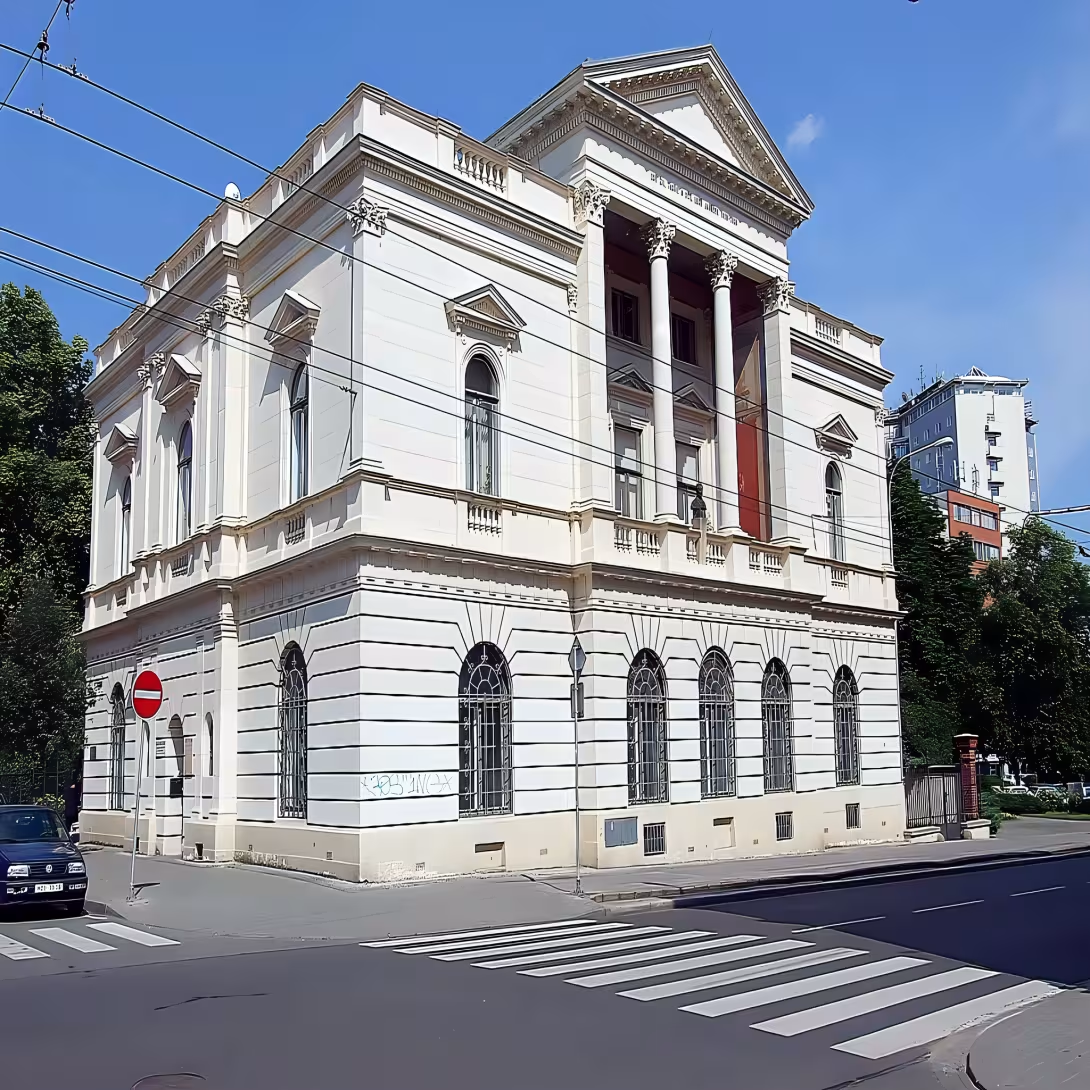
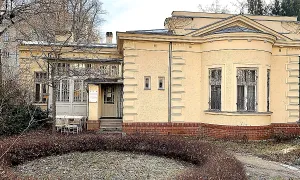
Bývalá konzervatoř, located at Smetanova 756 / 14 in Veverí, Brno, is a protected cultural monument with significant building and artistic historical value. This building, built in 1891 by architects German Wanderley and Antonín Tebich, represents an important milestone in the development of Brno architecture at the end of the nineteenth century. Its pseudosloh neo-Renaissance architecture reflects the typical features of historism and is associated with the creation of music composer Leoš Janáček.
The creation of the former Conservatory was related to the development of urban institutions in Brno at the turn of the nineteenth and twentieth centuries. Architects Wanderley and Tebich, known for their ability to combine various historical elements into a single unit, created a building that became not only a space for music education, but also a cultural centre of the city. Their work at the conservatory is an example of the architectural sense of the time when the aim was to combine aesthetics with functionality.
The architecture of the former Conservatory is characteristic of pseudosloh neo-Renaissance. This style is characterized by a combination of various historical elements that have been adapted to the needs and taste of time. The building is made of traditional materials of the era, which gives its facades an authentic look. Architectural elements such as decorative windows, moldings and portals contribute to the overall impression of elegance and historical depth.
The former Conservatory owned the Diocese of Brno over the years. This reflects not only the religious but also the cultural role played by the institution in Brno. Although the Conservatory is no longer an active music school, its historical importance and connection with Leoš Janáček remain unchanged.
The key events related to the former Conservatory include its connection to the creation of Leoš Janáček, who was taught and worked in this building. This connection adds another layer of cultural importance to the site because Janáček is one of the most famous composers of Czech history.
Today, the former Conservatory serves as a gallery and offers access to works of art and exhibitions. It is a place worth visiting not only for its architectural beauty, but also for the possibility of immersing yourself in the rich history of Brno and its cultural heritage. Visiting her will give you the opportunity to appreciate both the aesthetic value of the building and its important role in the educational and cultural life of Brno.
Bývalá konzervatoř is therefore not only a monument to architecture, but also a witness to the history of the city. Her visit offers a unique view of the past and the present time of Brno, which makes her a valuable asset to any interested in cultural heritage.
Then and now
Drag the slider to compare how the landmark may have looked when it was built with the view today.
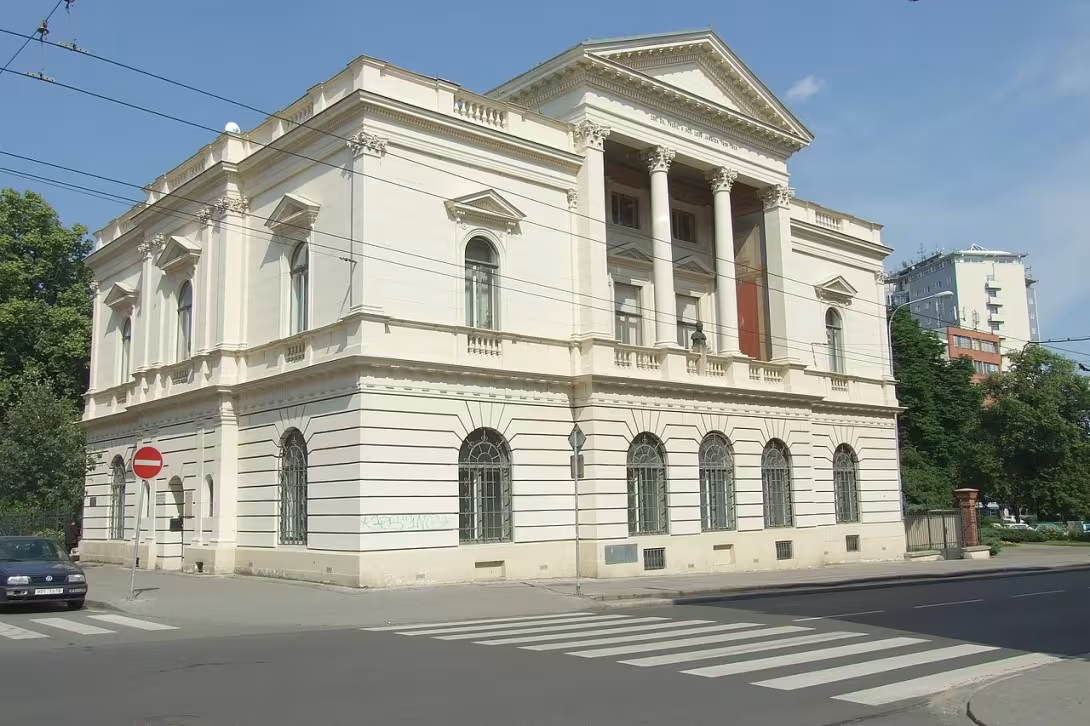
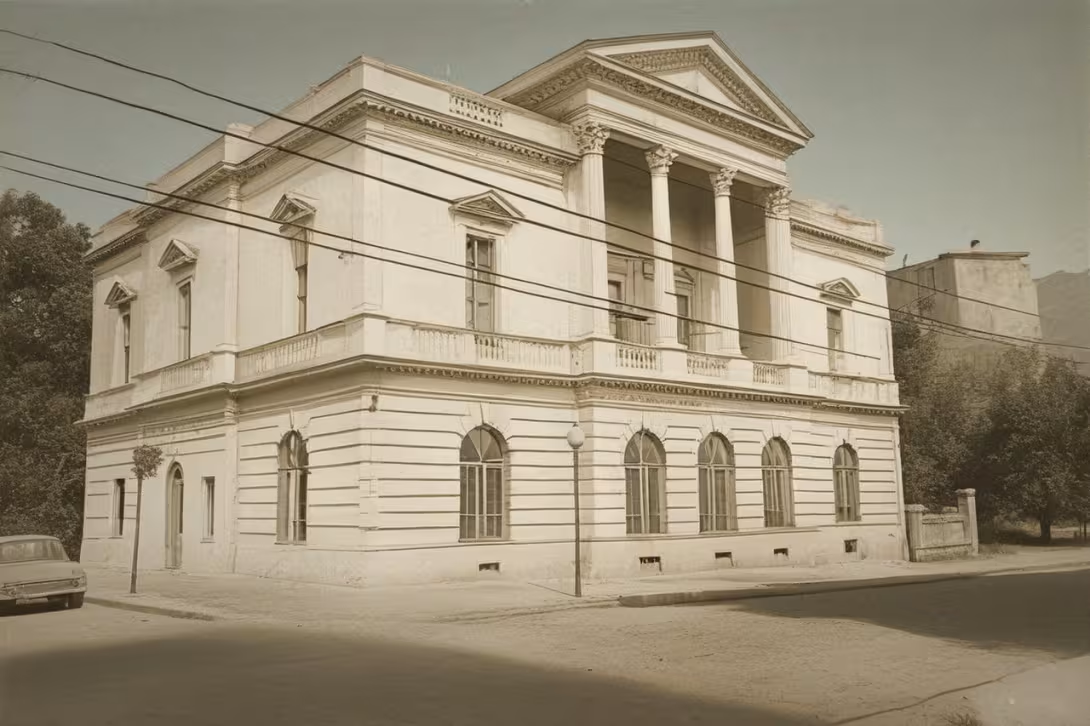
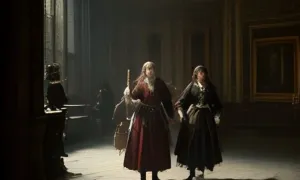
The historical appearance on the left is an AI-generated visualisation and serves as inspiration only.
Historical milestones
- 1891
- Status of the building of the former Conservatory
- 1750
- Information not available, only general milestones for architecture and region
- 1800
- Development of urban institutions in Brno
- 1900
- Connection with the creation of Leoš Janáček
- 2000
- Taking ownership of Diocese Brno
- 20
- Taking over the building as a gallery
Architectural development
The building was built in a historical style and served as a home for the conservatory until 1945.
Historical events
- 1891
- 1945
Owners
State Conservatory
Points of interest
- Bývalá konzervatoř was connected to the creation of Leoš Janáček, who was taught and worked in this building. This connection adds another layer of cultural importance to the site because Janáček is one of the most famous composers of Czech history.
- Architects Wanderley and Tebich, known for their ability to combine various historical elements into a single unit, created a building that became not only a space for music education, but also a cultural centre of the city.
- The former Conservatory owned the Diocese of Brno over the years. This reflects not only the religious but also the cultural role played by the institution in Brno.
Guide
This guide is narrated by a synthetic voice generated by artificial intelligence.
Show guide text
This text was created by artificial intelligence and has not been editorially reviewed. It may contain inaccuracies.
Welcome! You're standing in front of a former conservatory that we can see today in all our original beauty. It is a truly extraordinary building that refers to the rich history of this place.
Let's move forward in time and see how this building came to be. Bývalá konzervatoř was built in the 19th century, but the date of its creation is unknown to us. Its architects, Germano Wanderley and Antonín Tebich, have tried to create a building that meets the needs of building culture and education in this part of the city.
Notice the facade of the building that is impressive. It's a great example of a classic style that was very popular at the time. See the details that decorate the facade, and inside the building there are beautiful interiors that are full of historical atmosphere.
During her existence, the former Conservatory hosted many talented artists and musicians. Although we know there was a music teacher who worked here, his name remains unknown. Bývalá konzervatoř was a place where people could educate and develop their artistic skills.
Now I invite you to stop by this historic building and take a closer look. You can see how history projects on it and how it is still a living part of the city. Whether you're here for the first time or you've been here before, the former Conservatory is a place of interest to you.
Tips for visitors
Best time to visit
Best time to visit the former conservatory is during spring or autumn months when the weather is pleasant and sunlight offers ideal conditions for photography.
Parking and transport
Place is available by car and public transport. Bus stop is near the monument, check the current connection in the search engine.
What to take with you
When visiting a former conservatory it is advisable to bring a camera to capture the beauty of this historic building and its surroundings.
Photography
The best places for photography are in front of and around the former Conservatory, where the beauty of architecture and details of the building can be captured.
What to visit around
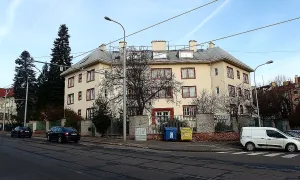
In the vicinity of the former conservatory there is a park Veverí, which offers quiet walks and beautiful views of the city Brno.
Tips for families with children
For families with children it is advisable to visit Veverí Park, where there is a children's playground and it is possible to relax from visiting the monument.
Frequently asked questions
Is Bývalá konzervatoř open to the public?
Yes, it's open to the public. The tours are organized on the basis of pre-ordered dates.
How do I get to the place by car / public transport?
You can use parking nearby or use public transport (tram line 1, stop "National Theatre")
How much is the entrance fee and is it paid on the spot?
Admission is free.
Is the tour suitable for children and seniors?
Yes, the tour is suitable for all ages. You can also adapt it to the interests of your children.
How long does the tour take?
The tours are individual and take approximately 30-45 minutes.
What are the opening times and booking is required?
Opening hours are Monday to Sunday, 9:00 to 5:00. Reservation is not necessary, but we recommend it for better organization.
What's interesting in the immediate vicinity?
The National Theatre and Vltava are nearby. You can also go through the historical part of Prague and visit other sights.
For kids
Představ si, že se vrátíš zpět o 135 let do doby, kdy naše města vypadala úplně jinak. Byla to éra velkých změn a objevování nových věcí. A právě v té době vznikla naším místem jedna z největších institucí pro hudbu.
Bývalá konzervatoř byla jako jedinečná královna hudebních umělců. Kdo ví, možná zde dokonce nějaký budoucí slavný skladatel nebo houslista studoval a připravoval se na své velké úspěchy? Ať už to bylo takhle nebo jinak, jisté je to, že konzervatoř měla významnou roli ve vzdělávání hudebních umělců v českých zemích.
Businesses nearby
Do you run a restaurant, accommodation, shop, museum, rental, wellness or other visitor service near this monument? Show yourself directly to the people heading to it — this is how they will see you in the app and on the web:
Events nearby


Zdroj akcí: otevřená data měst a obcí ČR (Národní katalog otevřených dat) a kalendář akcí Národního památkového ústavu.
Nearby
Prague
Vltava
Accommodation nearby
Trips and activities nearby
Guided tours, tickets and activities nearby from GetYourGuide
Affiliate link: if you buy from the partner, we may receive a commission. The price for you does not change.
Search tours and activities →Themed route
The route starts at the former Conservatory in Brno, where the gallery is located.
Its surroundings offer a tour of Špilberk, a former monastery and castle, which is now the seat of the Archbishop of ČeskoBudějovice.
The next stop is Clamping, a monument that resembles the Battle of Brno in 1645.
The route ends at Pražák, one of Brno's most famous breweries.
Seasonal recommendations
Spring:
In spring the former conservatory in Brno is affected by flowering trees and flowering gardens in the surroundings. The atmosphere is fresh and full of optimism. For a visit it is advisable to go to the place early in the morning or early in the afternoon to avoid crowds of tourism. Clothes should be light and comfortable so that they can be well handled with active walking.
Summer:
In summer, the former conservatory in Brno is sunny and warm. The place is popular with tourism, so it is good to go to the place early in the morning or late in the afternoon to avoid crowds. Clothes should be light and sun-resistant.
Autumn:
In the autumn period, the former conservatory in Brno is affected by the autumn colours of the surrounding trees. The atmosphere is calm and romantic. For a visit it is advisable to go to a place at a calmer time to avoid crowds. Clothes should be warm and comfortable.
Winter:
In winter, the former conservatory in Brno is cold and dark. Opening hours are shorter, so it is good to go to the place early morning or early afternoon. Clothes should be warm and protect from cold and rain.
Visualizations and artistic views


The visualisations are generated by artificial intelligence and serve as inspiration.
Photos from the area
Real photos taken near the monument


Zdroj a licence jsou uvedeny u každého snímku.
Tips from visitors
No tips yet. Be the first!
Log in and add your tip.
Sources and literature
Photos: Kirk / CC BY-SA 3.0, rozlišení zvýšeno umělou inteligencí — Wikimedia Commons. The author and licence also appear when you hover over the image.
Location on the map


Příběhy a pověsti
Legendy, pověsti a příběhy spjaté s touto památkou
Fotografie návštěvníků
Zatím žádné fotografie. Buďte první, kdo přidá fotografii z návštěvy!
Log in a přidejte svou fotografii nebo hodnoťte.
Za ověřenou návštěvu v aplikaci získáte víc bodů — poznáme podle GPS, že jste na místě.
Reviews and comments