






Malá Nová Ulice Settlement
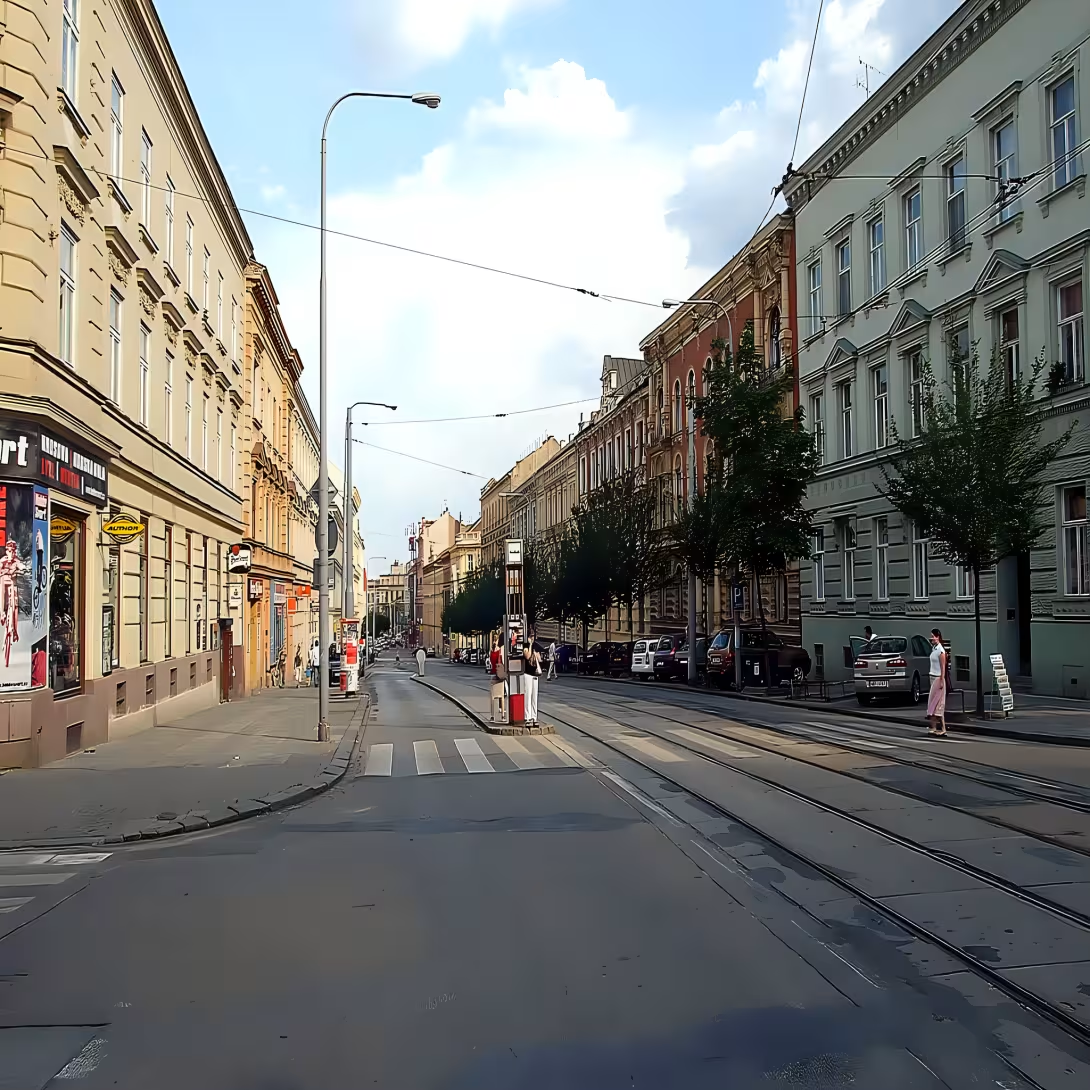
Malá Nová Ulice is a historically significant residential area located in the Veveří district of Brno, within the Jihomoravský kraj region. Originally known as Hartlůvka, it was first mentioned in 1343 and served as a medieval suburb outside the city walls. Over centuries, this area evolved from a settlement for poor craftsmen and farmers into a vibrant urban neighborhood. Its development mirrors broader trends of urban expansion in Brno, especially during periods marked by significant cultural and architectural shifts.
The origins of Malá Nová Ulice trace back to Hartlůvka, a medieval suburb documented as early as 1343. Situated outside the city walls along a route leading from Veselé brány towards Žabovřesky, Komín, and Bystrc, it was primarily inhabited by poor craftsmen and farmers. The area faced significant challenges during the Swedish sieges of Brno in 1643 and 1645, resulting in substantial damage to Hartlůvka. However, reconstruction followed in subsequent years. The decline of Hartlůvka coincided with the construction of baroque bastion fortifications at the turn of the 17th and 18th centuries, leading to its transformation into Malá Nová Ulice by the late 17th century.
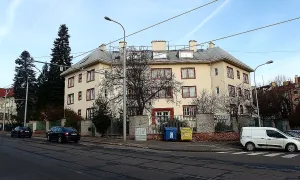
Architecturally, Malá Nová Ulice transitioned from a medieval suburb characterized by simple houses to a more developed residential area. By the late 19th century, classicist buildings were replaced with large tenement structures, reflecting significant urban development and architectural evolution in Brno during this period. The area also became home to important cultural institutions, such as a seminary established in the mid-19th century and later the National Theatre, which opened in the late 1800s.
Throughout its history, Malá Nová Ulice has been under various administrative controls. Initially managed by the Brno magistrát until the 19th century, it became part of Brno proper in 1850. The area's status as a separate cadastral unit ended in 1941 during a municipal reform, integrating it into the Špilberk district and later becoming part of Veveří.
Key events that shaped Malá Nová Ulice include its initial mention in historical records in 1343 and the damage it sustained during the Swedish sieges between 1643 and 1645. The abolition of the old city cemetery in 1785 marked a turning point, leading to urban expansion as new buildings emerged on previously open land.
Today, Malá Nová Ulice is part of Brno's central district, Veveří, and remains an area rich with historical significance. Visitors can explore its architectural heritage and cultural landmarks, such as the site where the National Theatre once stood. The neighborhood offers a glimpse into the urban development history of Brno, making it a worthwhile destination for those interested in exploring the city's past.
Malá Nová Ulice stands as a testament to the dynamic evolution of urban spaces over centuries. Its historical layers and architectural transformations offer valuable insights into the broader narrative of Brno's growth. Visitors are invited to explore this neighborhood to appreciate its rich history and cultural contributions, making it an essential stop for anyone interested in the heritage of Central Europe.
Historical milestones
- 1343
- First mention of Hartlůvka.
- 1643-1645
- Hartlůvka was damaged during Swedish sieges.
- 1785
- The old city cemetery was abolished.
Architectural development
Malá Nová Ulice transitioned from a medieval suburb with simple houses into a more developed residential area by the late 17th century. In the 19th century, it saw significant architectural changes as classicist buildings were replaced by large tenement structures. The area continued to develop with the construction of important cultural institutions like the National Theatre in the late 1800s.
Historical events
1343: First mention of Hartlůvka as a medieval suburb.
1643-1645: Hartlůvka was heavily damaged during Swedish sieges.
1785: The old city cemetery was abolished, leading to urban expansion in the area.
Points of interest
- Despite its initial role as a settlement for poor craftsmen and farmers, Malá Nová Ulice became home to significant cultural institutions like the seminary in the mid-19th century and later the National Theatre, reflecting its transformation into an important urban neighborhood.
- The area experienced considerable destruction during the Swedish sieges of Brno in 1643 and 1645, yet it was resiliently rebuilt, highlighting the community's determination to recover from such adversities throughout history.
- In a unique turn of events, Malá Nová Ulice transitioned from being an independent cadastral unit to becoming part of Veveří district due to municipal reforms in 1941, illustrating how administrative changes can reshape urban landscapes over time.
- The abolition of the old city cemetery in 1785 was a pivotal moment for Malá Nová Ulice, as it spurred urban expansion and development on previously open land, marking a significant shift in its historical trajectory.
- Originally known as Hartlůvka, the area's name change to Malá Nová Ulice coincided with broader architectural transformations from medieval houses to large tenement structures by the late 19th century, showcasing the evolution of urban architecture in Brno.
Guide
This guide is narrated by a synthetic voice generated by artificial intelligence.
Show guide text
This text was created by artificial intelligence and has not been editorially reviewed. It may contain inaccuracies.
Welcome to Malá Nová Ulice, a charming historical residential area nestled in the Veveří district of Brno. As you stand here, take a moment to soak in the atmosphere: quaint cobblestone streets stretching out before you, lined with buildings that whisper tales from centuries past. This is more than just a place; it's a living narrative woven into the very fabric of this neighborhood.
The story of Malá Nová Ulice begins in 1343 when it was first mentioned as Hartlůvka, a medieval suburb located outside Brno’s city walls. Initially serving as a humble settlement for poor craftsmen and farmers, its early days were marked by simplicity and resilience. However, the mid-17th century brought challenges; during the Swedish sieges from 1643 to 1645, Hartlůvka suffered significant damage. Despite these hardships, or perhaps because of them, the area began a transformation that would redefine it for centuries to come.
As you stroll through the streets, notice how the architecture has evolved over time. While specific details about architects remain unknown, each building tells its own story through its structure and design. The facades are varied, reflecting different eras and influences, yet they harmonize into a cohesive whole that invites exploration. Notice the way light plays on the surfaces of these historical structures, casting shadows that dance with history.
Malá Nová Ulice is not just about buildings; it's about the stories and lives intertwined with this place. Though specific historical figures are unknown, the area has been home to significant cultural institutions like a seminary in the mid-19th century and later the National Theatre. These establishments highlight how Malá Nová Ulice evolved from a simple settlement into an important urban neighborhood, rich with culture and history.
One of the most intriguing aspects of this place is its transformation over time. Imagine walking where once stood modest homes for craftsmen and farmers, now replaced by institutions that have shaped cultural narratives. It's fascinating to think about how this area adapted and grew, becoming a hub of creativity and learning.
As we conclude our journey through Malá Nová Ulice, I invite you to continue exploring this enchanting neighborhood on your own. Each corner holds secrets waiting to be discovered, each building has stories yet to be told. Thank you for joining me today, and may your exploration here inspire a deeper appreciation of the rich tapestry that is our shared history.
---
Feel free to pause or replay any part as needed, and enjoy your time in this remarkable place!
Tips for visitors
The best time to visit Malá Nová Ulice is during the spring or early fall when the weather is mild, making it ideal for exploring the historical streets comfortably. These seasons also offer pleasant lighting conditions for photography and allow visitors to enjoy outdoor activities in nearby parks like Tyrš Park without extreme temperatures.
The area is well-served by trams and buses, making it convenient for visitors to reach the site from other parts of the city. Always check the latest routes and schedules online before your visit.
When visiting Malá Nová Ulice, consider bringing comfortable walking shoes as you'll likely be exploring on foot. A camera is recommended to capture the charming architecture and historical details. Additionally, carrying a light jacket or umbrella can be useful due to unpredictable weather changes in Brno.
For photography enthusiasts, some of the best spots around Malá Nová Ulice include Žerotín Square and Tyrš Park, where you can find excellent views and lighting, especially during the golden hours at sunrise or sunset. The historical buildings along the street also provide unique photo opportunities with their distinctive architectural styles.
Nearby attractions within a 30-minute walk from Malá Nová Ulice include Žerotín Square, which is perfect for a leisurely stroll and offers a glimpse into local history and culture. Tyrš Park is another great spot for families to enjoy outdoor activities such as picnics or walking along its scenic paths.
Frequently asked questions
Can the monument be visited?
This is a structure in a public space that can usually be seen from outside free of charge. We have not verified that this particular one is freely accessible.
Where is the monument?
Location: Veveří, Jihomoravský kraj. The map on this page shows the exact spot.
Businesses nearby
Do you run a restaurant, accommodation, shop, museum, rental, wellness or other visitor service near this monument? Show yourself directly to the people heading to it — this is how they will see you in the app and on the web:
Events nearby


Zdroj akcí: otevřená data měst a obcí ČR (Národní katalog otevřených dat) a kalendář akcí Národního památkového ústavu.
Nearby
Surrounding Malá Nová Ulice are notable landmarks such as Žerotín Square and Tyrš Park. The area is part of the larger Veveří district in Brno's central region.
Accommodation nearby
Trips and activities nearby
Guided tours, tickets and activities nearby from GetYourGuide
Affiliate link: if you buy from the partner, we may receive a commission. The price for you does not change.
Search tours and activities →Themed route
Thematic Walking Tour: Discovering the Heart of Veveří
1. Malá Nová Ulice (Residential Complex) - Type: Architectural Site - Why Visit: Begin your journey at Malá Nová Ulice, a remarkable example of modernist architecture in Brno's Veveří district. This residential complex showcases innovative design and communal living concepts from the mid-20th century. Its unique architectural style makes it an essential starting point for understanding the area's urban development.
2. Žerotín Square - Type: Urban Square - Why Visit: A short walk from Malá Nova Ulice, Žerotín Square is a vibrant hub of activity in Veveří. Known for its lively atmosphere and central location, the square offers a glimpse into local life with cafés, shops, and cultural events. It's an ideal spot to relax and observe the dynamic community spirit that characterizes this part of Brno.
3. Tyrš Park - Type: Urban Park - Why Visit: Continue your exploration by visiting Tyrš Park, located nearby Žerotín Square. This green oasis provides a peaceful retreat amidst the urban landscape. The park is perfect for leisurely strolls or picnics, offering beautifully landscaped gardens and open spaces that contrast with the surrounding modernist architecture.
4. Return to Malá Nová Ulice - Type: Architectural Site - Why Visit: Conclude your tour by returning to Malá Nová Ulice for a closer look at its architectural details. Take this opportunity to appreciate the complex's design elements and how they integrate with the surrounding environment, including Žerotín Square and Tyrš Park. This final visit reinforces the significance of the area as a cohesive urban space.
This thematic tour offers a comprehensive experience of Veveří's central district, highlighting its architectural beauty and vibrant community life.
Seasonal recommendations
Jaro: A visit to Malá Nová Ulice in spring offers a unique atmosphere thanks to the gentle lighting and warm colors of nature, as green vegetation begins to bloom. This time of year is ideal for those who want to enjoy a peaceful moment without excessive crowds. When planning your visit, it's recommended to wear clothing suitable for mild weather, as temperatures can be variable. The best time to explore is in the early afternoon when the sun illuminates the historic architectural elements and adds life to their beautiful details.
Léto: Summer at Malá Nová Ulice offers long sunny days that enhance the appeal of exploring historical buildings and gardens. During peak summer season, expect greater visitor numbers, so it's advisable to come earlier in the afternoon or later in the evening when crowds diminish. Wearing light and bright clothing is key for comfort during warm days. When planning your visit, don't forget to bring sunscreen and water to make the experience as pleasant as possible.
Podzim: Autumn at Malá Nová Ulice brings a change of colors as tree leaves take on vibrant hues and the overall atmosphere becomes slightly melancholic. This time of year is ideal for those seeking a quieter visit without large crowds. Wearing warmer clothing and possibly an umbrella is advisable due to variable weather, which may include early cold gusts or rain. The best time to explore is usually in the early afternoon when sunbeams illuminate the leafy landscape and add a touch of mystery to the historic settlement.
Zima: A winter visit to Malá Nová Ulice offers a unique view of architecture covered in snow, creating a magical atmosphere. This time of year sees fewer visitors and provides quieter experiences without excessive crowds. Wearing warm clothing, including a fur coat and wide gloves, is essential for comfort during cold days.
Visualizations and artistic views


The visualisations are generated by artificial intelligence and serve as inspiration.
Photos from the area
Real photos taken near the monument

Zdroj a licence jsou uvedeny u každého snímku.
Tips from visitors
No tips yet. Be the first!
Log in and add your tip.
Sources and literature
Photos: Kirk / CC BY-SA 4.0, rozlišení zvýšeno umělou inteligencí — Wikimedia Commons. The author and licence also appear when you hover over the image.
Faktickým podkladem tohoto textu byl článek na Wikipedii, jehož autory jsou přispěvatelé Wikipedie. Článek je dostupný pod licencí CC BY-SA 4.0.
Location on the map


Příběhy a pověsti
Legendy, pověsti a příběhy spjaté s touto památkou
Fotografie návštěvníků
Zatím žádné fotografie. Buďte první, kdo přidá fotografii z návštěvy!
Log in a přidejte svou fotografii nebo hodnoťte.
Za ověřenou návštěvu v aplikaci získáte víc bodů — poznáme podle GPS, že jste na místě.
Reviews and comments