



Archiv Masarykovy univerzity University archive
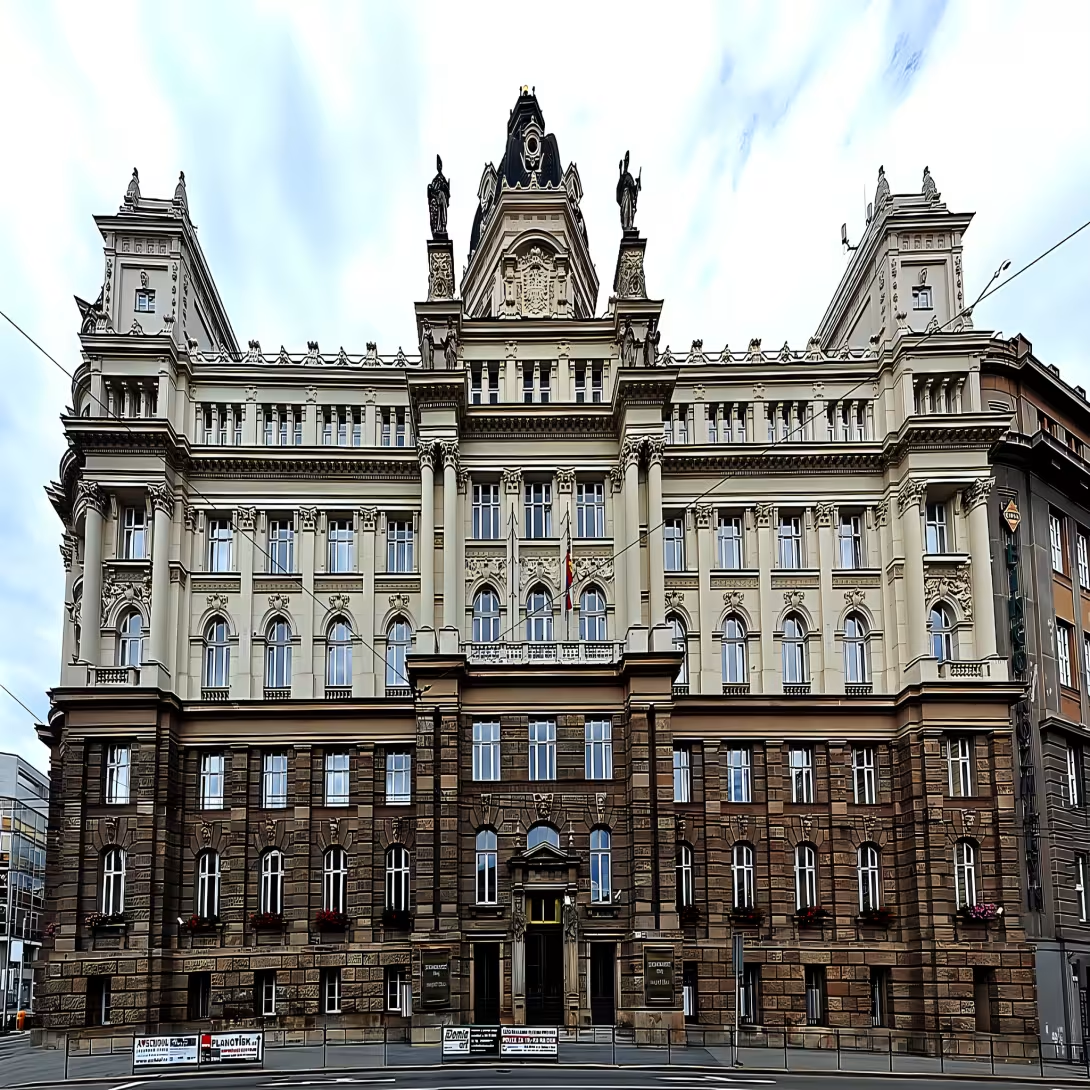
The Archiv Masarykovy univerzity is a significant specialized university archive located in Veveří, Brno, within the Jihomoravský kraj of the Czech Republic. As part of Masaryk University's organizational structure, it plays a crucial role in preserving and managing the institution's cultural heritage. The archive houses historical documents and artifacts reflecting the university's academic and cultural contributions over time.
The origins of the Archiv Masarykovy univerzity trace back to the early 1930s during a period marked by political and social change in Czechoslovakia. In 1931, an archival commission was established to prepare for its official founding and operational security. This commission included notable figures such as Bohumil Navrátil, Václav Hrubý, František Čáda, and Eugen Dostál. Despite initial challenges in securing sufficient material conditions for a fully independent operation, the groundwork was laid during this period.
The interwar years were significant for the archive's development, although it faced numerous obstacles. The outbreak of World War II brought further difficulties, resulting in substantial losses to its collections. However, the archive managed to preserve student records that were later used by Nazi authorities for persecution purposes. Following the war, in 1945, the Archiv Masarykovy univerzity was re-established with a renewed archival commission and Jiří Radimský appointed as its first archivist.
Throughout its history, the archive has undergone several phases of development, including initial establishment, wartime challenges, and post-war restoration. The early 1960s marked a period of stabilization with Irena Hrabětová's appointment as a long-term staff member. This era also saw efforts to systematize the archives' collections and emphasize acquiring personal legacies, contributing to its status as a significant repository for Czech science history.
The archive's journey has been shaped by various key figures who have contributed to its development and preservation efforts. Notable personalities include Bohumil Navrátil, Václav Hrubý, František Čáda, Eugen Dostál, Jindřich Šebánek, and Jiří Radimský. Their collective work has ensured the archive's role as a custodian of Masaryk University's rich academic heritage.
Today, the Archiv Masarykovy univerzity stands as a vital institution for researchers and the public interested in exploring Czech academia's historical narratives. It offers access to over 135 personal legacies, making it an invaluable resource for understanding the evolution of Czech science and education. Visitors are invited to explore this repository of knowledge, which continues to preserve and share Masaryk University's cultural heritage with future generations.
Then and now
Drag the slider to compare how the landmark may have looked when it was built with the view today.
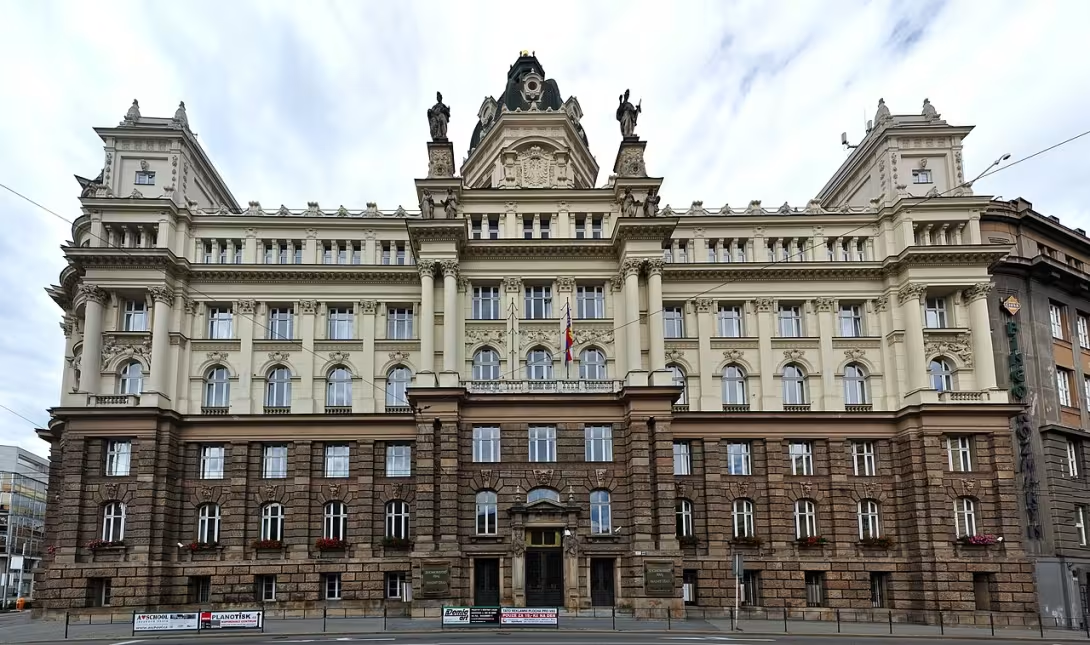
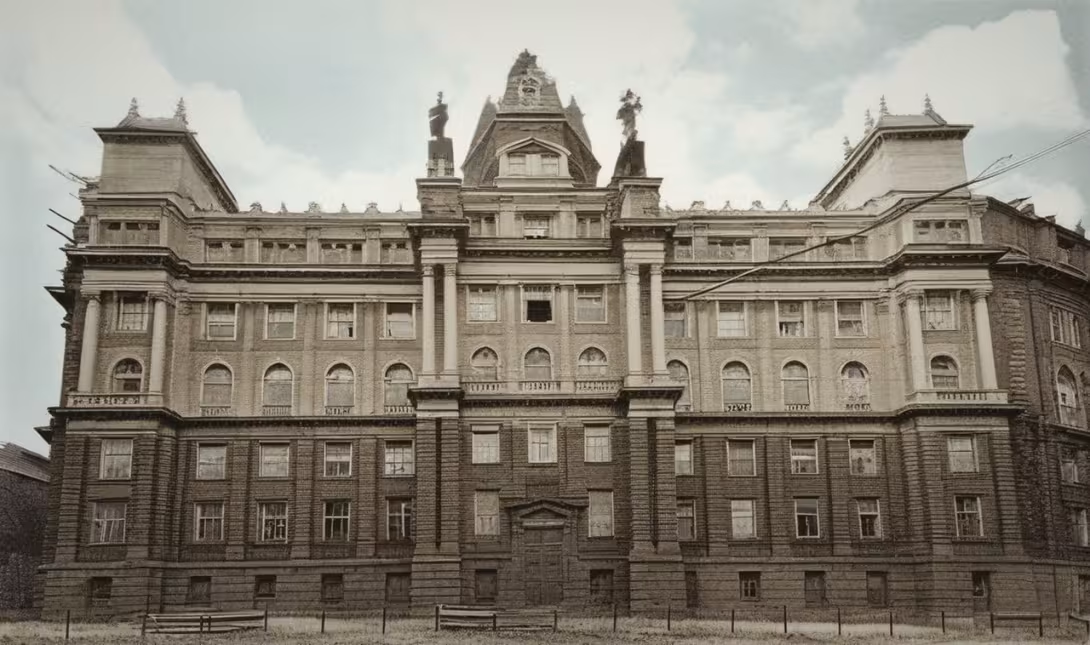
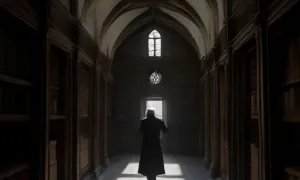
The historical appearance on the left is an AI-generated visualisation and serves as inspiration only.
Historical milestones
- 1931
- Establishment of an archival commission to prepare for the official founding of the archive.
- 1938
- Jindřich Šebánek replaced Václav Hrubý as a member of the archival commission.
- 1945
- Post-war restoration led to the re-establishment of the archive with Jiří Radimský appointed as archivist.
Architectural development
The archive's development was marked by several phases, including initial establishment in the 1930s, wartime challenges, and post-war restoration. It faced issues such as relocation and personnel shortages but eventually stabilized with a long-term staff member in the early 1960s.
Historical events
In the early 1930s, an archival commission was established to prepare for the official founding and operational security of the archive. This marked the beginning of its formal development.
During World War II, the archive suffered significant losses, but it managed to preserve student records that were used by Nazi authorities for persecution purposes.
Post-war restoration in 1945 saw the re-establishment of the Archiv Masarykovy univerzity with a renewed archival commission and the appointment of Jiří Radimský as its first archivist.
Points of interest
- Despite its crucial role today, the Archiv Masarykovy univerzity faced significant material challenges in the 1930s that nearly hindered its establishment as an independent archive. - During World War II, the archive's student records were exploited by Nazi authorities for persecution, highlighting a dark chapter where historical documents served oppressive purposes.
- The appointment of Jiří Radimský as the first archivist after WWII marked a pivotal moment in re-establishing the archive and setting it on a path to recovery and growth.
- In the early 1960s, Irena Hrabětová's long-term involvement with the archive helped stabilize its operations and contributed significantly to systematizing its collections.
- The archive is home to over 135 personal legacies, making it an essential resource for understanding the evolution of Czech science and education through individual contributions.
Guide
This guide is narrated by a synthetic voice generated by artificial intelligence.
Show guide text
This text was created by artificial intelligence and has not been editorially reviewed. It may contain inaccuracies.
The Archive of Masaryk University ranks among the most significant and largest university archives in the Czech Republic. Among archives, it is listed as a specialized institution and within the university it holds the status of a university-wide workplace. Its mission is to care for the cultural and historical heritage that the university creates through its activities. It manages university documents and other materials, takes care of their storage, makes them accessible to those interested, and continues to expand its collections.
The archive developed gradually during the nineteen thirties. In nineteen thirty-one an archival commission was established, which was to prepare its official foundation and took receipt of the first documents. It was headed by history professor Bohumil Navrátil. Its members were historian Václav Hrubý, legal historian František Čáda, and art historian Eugen Dostál. After Václav Hrubý's death, he was replaced in nineteen thirty-eight by historian and archivist Jindřích Šebánek. Although the archive operated and managed a large quantity of archival materials, the position of archivist was not filled and all the work was carried out by the four-member commission. This remained the case until the closure of Czech universities in nineteen thirty-nine.
During the Second World War the archive suffered major losses. Only the records of students remained intact, which the Nazi authorities used to persecute Czech students. After universities reopened in nineteen forty-five, the archive began to operate again and for the first time acquired an archivist. He was Jiří Radimský, the first in a line of heads of this institution.
The following years were however difficult. The archive moved several times and was affected by public administration reorganizations connected with the arrival of the communist regime. In nineteen fifty the archival commission ceased operations. From nineteen fifty-four to nineteen fifty-eight a retired school director Jindřích Dušek took care of the archive, and after his departure the archive was left completely without staff. All this led to the gradual dispersal of the collections.
Improvement came at the beginning of the nineteen sixties. The archive settled in a new building of the rector's office on Arna Nováka street and for three decades had permanent facilities in the grounds of the Faculty of Philosophy. Archival science is taught there, so interns, employees and researchers came from the field. The first long-term director was Irena Hrabětová. She laid the foundations for systematic organization of the collections and focused on acquiring personal legacies. Today the archive manages one hundred thirty-five of these and thus ranks among significant institutions for the history of Czech and Czechoslovak science.
Tips for visitors
The best time to visit the Archiv Masarykovy univerzity is during late spring or early autumn. During these seasons, the weather is typically mild and pleasant, making it ideal for exploring both the archive and its surroundings. Additionally, visiting outside of peak tourist season ensures a quieter experience, allowing you to appreciate the historical significance of the site without large crowds.
It’s recommended to verify current routes and schedules using a transportation app or website before your visit.
When planning your visit, consider bringing comfortable walking shoes as you may need to walk around the site. A notepad or digital device for taking notes can be useful if you're interested in specific historical documents or exhibits. Additionally, carrying water and snacks is advisable since there might not be many facilities on-site.
Photography enthusiasts will find several spots within the Archiv Masarykovy univerzity that offer excellent lighting conditions, particularly during the late morning or early afternoon when natural light is abundant. The interior architecture provides unique angles for capturing the essence of the archive’s historical ambiance.
For those interested in exploring nearby attractions within a 30-minute drive, consider visiting Veveří Castle. This historic site offers stunning views and insights into medieval architecture. It's an excellent spot for families with children who enjoy history and outdoor activities. Ensure you check opening times and any entry requirements on the castle’s official website.
Frequently asked questions
Can the monument be visited?
We have not verified whether this monument is accessible. Please ask the owner or operator, or the local municipal office.
Where is the monument?
Location: Veveří, Jihomoravský kraj. The map on this page shows the exact spot.
Businesses nearby
Do you run a restaurant, accommodation, shop, museum, rental, wellness or other visitor service near this monument? Show yourself directly to the people heading to it — this is how they will see you in the app and on the web:
Events nearby


Zdroj akcí: otevřená data měst a obcí ČR (Národní katalog otevřených dat) a kalendář akcí Národního památkového ústavu.
Accommodation nearby
Trips and activities nearby
Guided tours, tickets and activities nearby from GetYourGuide
Affiliate link: if you buy from the partner, we may receive a commission. The price for you does not change.
Search tours and activities →Themed route
Tematická výletní trasa: Archiv Masarykovy univerzity
1. Archiv Masarykovy univerzity
Typ: Historické a akademické místo
Proč stojí za návštěvu: Tento archiv je neocenitelným zdrojem pro všechny, kteří se zajímají o historii univerzity a jejího zakladatele Tomáše Garrigue Masaryka. Archiv nabízí bohatou sbírku dokumentů, které osvětlují akademický vývoj a kulturní dědictví Masarykovy univerzity.
2. Veveří
Typ: Historická obec
Proč stojí za návštěvu: Veveří je malebná obec s bohatou historií, která se pyšní původními stavbami a klidným venkovským prostředím. Je to ideální místo pro ty, kteří chtějí poznat místní život a užít si přírodní krásy okolí.
3. Nádvoří Masarykovy univerzity
Typ: Akademický prostor
Proč stojí za návštěvu: Nádvoří univerzity je centrem akademického života a nabízí klidné prostory k odpojení. Je to ideální místo, kde si můžete užít krásných zahradních prostor a poznat atmosféru univerzity.
Tato trasa vám umožňuje prozkoumat historický a akademický kontext Masarykovy univerzity, stejně jako užít si klidné a krásné okolí obce Veveří.
Seasonal recommendations
Spring: The arrival of spring at the Archiv Masarykova univerzita brings a refreshing atmosphere with blossoming flora surrounding Veveří, creating picturesque views that enhance your visit. Natural light is abundant during this season, illuminating the historic structures beautifully and making it an ideal time for photography enthusiasts. Visitors can enjoy relatively mild weather, but it's advisable to carry layers as temperatures can fluctuate. The spring period often sees fewer crowds compared to summer, offering a more tranquil experience.
Summer: Summer in Veveří is vibrant with lush greenery and longer daylight hours providing optimal lighting conditions for exploring the Archiv Masarykova univerzita. Comfortable walking shoes and light clothing are recommended to navigate the site comfortably. The lively atmosphere of summer makes it an excellent time for those seeking a dynamic visit.
Autumn: Autumn at the Archiv Masarykova univerzita is characterized by stunning fall foliage, with vibrant colors adding a warm, inviting ambiance around Veveří. The cooler temperatures and softer light create a cozy setting ideal for leisurely exploration. This season often sees moderate visitor numbers, offering a balance between summer crowds and winter quietness. Layered clothing is advisable to accommodate the changing weather, ensuring comfort throughout your visit.
Winter: Winter transforms the Archiv Masarykova univerzita into a serene wonderland, with snow-covered landscapes providing a magical backdrop for visitors exploring Veveří. The shorter days mean that natural light is limited, so planning visits during daylight hours maximizes visibility of the historic site's details. This season typically sees fewer tourists, allowing for a more intimate experience. Warm clothing and sturdy boots are essential to stay comfortable in the cold weather, and it’s wise to check opening times as they may be reduced during this period.
Visualizations and artistic views


The visualisations are generated by artificial intelligence and serve as inspiration.
Photos from the area
Real photos taken near the monument

Zdroj a licence jsou uvedeny u každého snímku.
Tips from visitors
No tips yet. Be the first!
Log in and add your tip.
Sources and literature
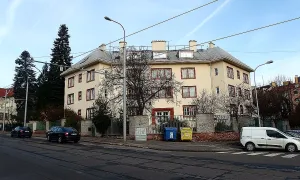
Photos: Millenium187 / CC0, rozlišení zvýšeno umělou inteligencí — Wikimedia Commons. The author and licence also appear when you hover over the image.
Faktickým podkladem tohoto textu byl článek na Wikipedii, jehož autory jsou přispěvatelé Wikipedie. Článek je dostupný pod licencí CC BY-SA 4.0.
Location on the map



Příběhy a pověsti
Legendy, pověsti a příběhy spjaté s touto památkou
Fotografie návštěvníků
Zatím žádné fotografie. Buďte první, kdo přidá fotografii z návštěvy!
Log in a přidejte svou fotografii nebo hodnoťte.
Za ověřenou návštěvu v aplikaci získáte víc bodů — poznáme podle GPS, že jste na místě.
Reviews and comments