






Chebský hrad Castle
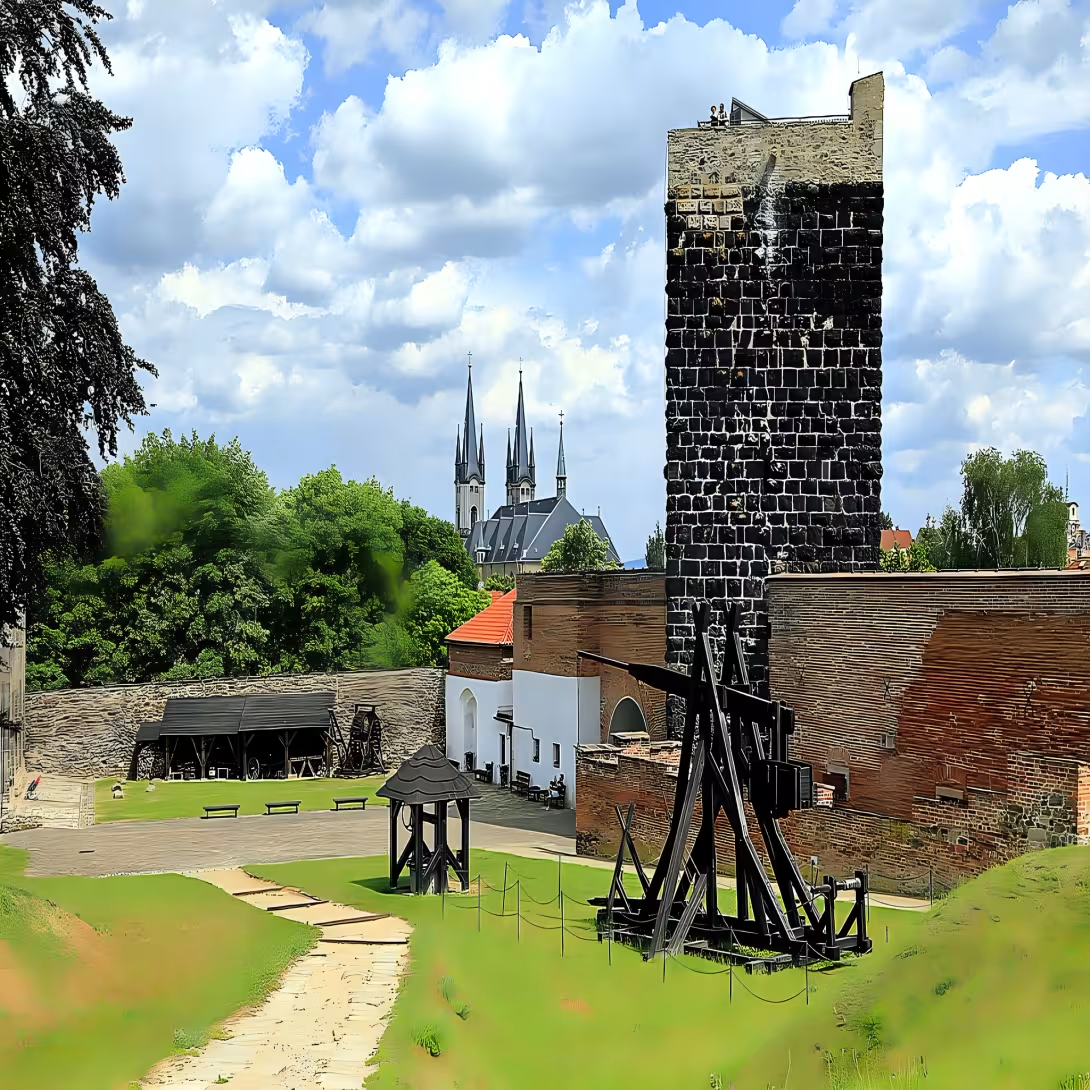
The place where Chebský hrad stands was inhabited in the ninth century. When the first settlers came here, they found the ideal position on the top of the Ohří River, which later shaped her defenses. In the ninth century there was a Slavic castle, the remains of which in archaeological surveys proved to be residues of wood-clay walls with a complex structure and a number of moats - the whole area was approximately 2.5 hectares. This Slavic settlement lasted until the beginning of the twelfth century.
In the first half of the twelfth century, Děpolt II of Vohburg had a stone castle built on the old castle. He became part of the power struggle of Central Europe, and in 1165 his fate changed decisively - he fell to the Emperor Fridrich Barbaross. He built an exhibition fake around 1180, which became a unique part of Czech castle architecture. Chebský hrad is the only preserved example of the so-called Staufské falce in the Czech Republic, i.e. the royal residence typical of the HornoItalian origin of the dynasty.
The building Barbarossa set up had its distinctive features. Its core was a square bergfrit, which MMестным people known as the Black Tower. He grew up next to him a palace with a roofed imperial hall on the first floor and a separate storey chapel dedicated to Saint Erhart and Ursula. After joining the Czech kingdom, the falc became a royal castle, but at the turn of the twelfth and thirteenth centuries, King Wenceslas II had built a new Wenceslas castle on the opposite bank of the Ohře and the original falc was only maintained since then.
Bigger reconstructions came only at the end of the 15th century and especially after the 30-year war. Back then, the fortification was strengthened by baroque walls and basions. The castle was also at the heart of world history in 1634, when Irish mercenaries murdered several officers of During's assassination of Albrecht of Valdstein. During the wars on Austrian heritage in 1742 the French army damaged the castle badly; only the chapel remained intact.
Today Chebský hrad has been protected as a cultural monument since 1970 and since 2017 it has the status of a national cultural monument. In 2018, an extensive reconstruction was launched to return the monument to its former beauty and ensure its preservation for future generations. To go to Cheb Castle means to walk through a century of Czech history in one place.
Then and now
Drag the slider to compare how the landmark may have looked when it was built with the view today.
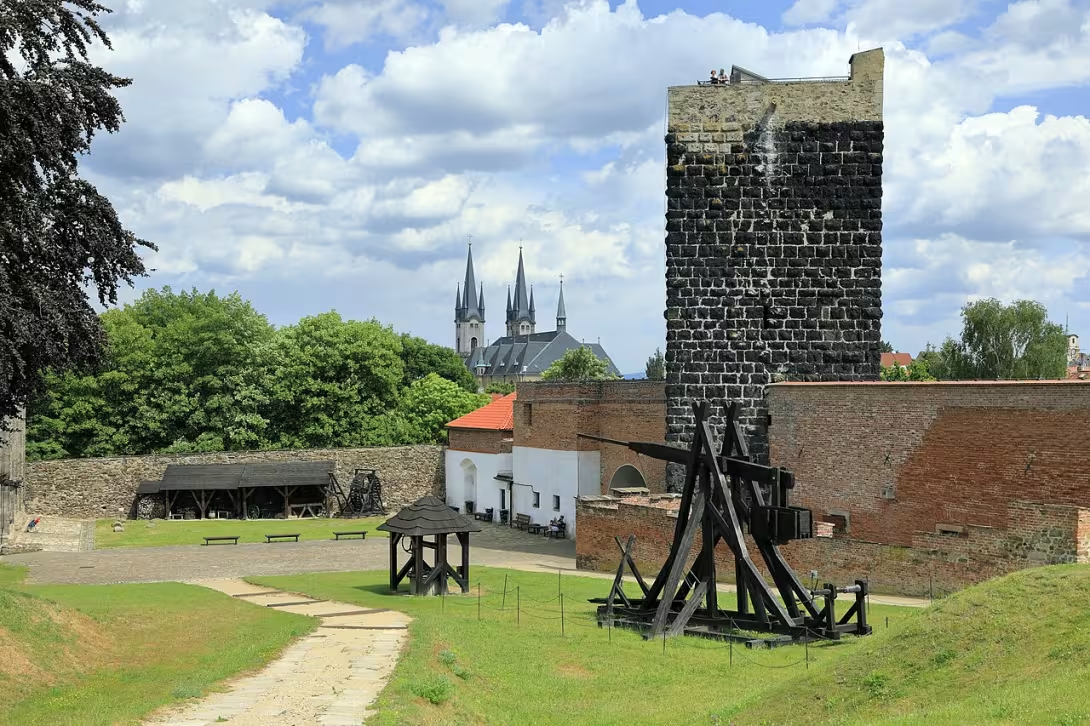

The historical appearance on the left is an AI-generated visualisation and serves as inspiration only.
Historical milestones
- 1180
- The position of the castle for Fridrich Barbarossa.
- 1634
- Assassination of Albrecht of Valdštejn.
Architectural development
The original castle of the lords of Vohburg was a two-piece castle, but we don't know the shape of the castle. During the reconstruction by Friedrich Barbarossa, the southern round tower was torn down and replaced by a square bergfrit (Black Tower). On the north side there was a palace with an imperial hall. In the fifteenth century, the palace was raised by a paved floor and built round towers: Mill and Rock.
Historical events
- 1634
- Officers Albrecht of Valdštejn were murdered in the castle.
- 1742
- The castle was badly damaged by the French army during the Austrian heritage wars.
Owners
1165 - Fridrich Barbarossa, later connected to the Czech Kingdom
Points of interest
- The place of Cheb Castle was settled in the ninth century with Slavic Castle. - Devil II of Vohburg built a stone castle on the old castle in the first half of the twelfth century. - Emperor Fridrich Barbarossa took over the castle in 1165 and built the Štauf falz around 1180, which is the only such structure in the Czech Republic. Chebský hrad witnessed the assassination of Albrecht of Valdstein in 1634. - Since 1970 the castle has the status of a cultural monument and since 2017 it has been a national cultural monument.
Guide
This guide is narrated by a synthetic voice generated by artificial intelligence.
Show guide text
This text was created by artificial intelligence and has not been editorially reviewed. It may contain inaccuracies.
Welcome to one of the most important historical settlements in the region. You are standing right in front of the Cheb Castle, a place that carries the incredible weight of centuries, and which stands above the flow of the Ohre River as a silent witness to all the great events that have taken place here. While you look around you, believe me, you perceive not only the ruins of stone, but also the elusive atmosphere of power that once concentrated here. Feel this space, feel the closeness of water and the strength of this surface, which since time immemorial serves as a strategic point. What you see in front of you is not just a pile of stone, but a unique architecture that has no braces in the entire country.
Now let's go back deep into the past together to understand why this place was created here. To understand the importance of this castle, we must look at the beginning of the twelfth century. At that time, power maps of Europe were reforming and Cheb was the key point. Although there was already a Slavic fort here in the ninth century, which inhabited the population at that time, the real stone history began to be written only in the first half of the twelfth century. At that time, Děpolt the second of Vohburg had the first stone castle built on the old castle. However, the true pinnacle of the importance of this place came when the castle was taken over by one of the most powerful men in the world back then. Emperor Fridrich Barbarossa took control of the castle in the year one thousand one hundred sixty-five and around one hundred and eighty had something absolutely extraordinary built here. He had the Štaufské falci built here, which is a unique example of this type of residence throughout the Czech Republic. This building was not just an ordinary fortification, it was a representative settlement that was meant to reflect the nobility of the imperial court.
Now pay attention to what is right in front of your eyes and try to see the details that architecture allows you to see. You are facing a single example of the Stauf fake in our countries, a term that expresses the specific style of the monarch's housing at the time. Although time passes relentlessly and the castle has undergone many changes, you can still perceive the face of Romanesque architecture here. Look at the structure of the buildings that remain here. Feel the presence of a tower that still dominates the surroundings and reminds you of the stability of the then monarch. Pay attention also to the bunk chapel, which is a rare architectural element and I testify to the spiritual life of the elites. If you look at the remains of the palace, try to imagine the original scope and elegance that he had to radiate at that time. Although there are only fragments here today, their presence allows you to see the dimensions and dignity with which this residence was designed. This whole building is today protected as a national cultural monument, which only confirms its immense value to our history.
But the history of this place is linked not only to building and imperial glory, but also to darker and more dramatic aspects of human destiny. While the figure of Friedrich Barbarossa represents the rise and construction of the empire, the castle witnessed also tragic moments that changed history. If we move forward in time several centuries, we will reach the year one thousand six hundred thirty-four. This period was marked by the wars and political schemes that ruled the continent at the time. It was here, in these premises, that one of the most shocking moments of that time - the assassination of Albrecht of Valdstein. This event, which took place at the time of the Thirty Years' War, gives this place a deep and frosty touch. Imagine the tension, the uncertainty and the sudden nature with which the fate of a powerful man can change in one moment. The castle is not only a symbol of stability, but also a place where ambition, power and death clash.
But in order to fully understand the depth of this place, we need to look even deeper below the surface, to the very foundations on which the castle stands. There is one interesting thing that makes you think about the continuity of human life. We often look at the castle as a separate building from the twelfth century, but it's actually just one of the many layers that were stacked on each other. Already in the ninth century, hundreds of years before the first stone of the Romanesque plot was laid here, this place was inhabited. The Slavic Hradie, which once stood here, shows that this raid over the Ohří River has been attractive to people since time immemorial. Every next generation, every new power you've just met, has only built on what was before them. This constancy of history is what makes Chebský hrad so fascinating. It is a place where early medieval history connects with the peak era of the empire and the stormy fate of the early modern age.
Now I leave you with your thoughts and the atmosphere this place offers. I suggest you continue your search and don't make the mistake of just passing by quickly. Stop at the individual parts, perceive the texture of the stone and try to reconstruct the faces of the people who lived here hundreds of years ago, ruled or died tragically. Every piece of this monument has a story waiting to be discovered. Use this time to enjoy the peace and majesty of this place. Thank you for choosing to make this journey to history with us. We wish you a pleasant and inspiring further discovery of this unique place. I'll say goodbye, but the history of Cheb Castle will still be waiting for you here.
Tips for visitors
Best time to visit Cheb Castle is autumn or spring when nature is full of beauty and light is suitable for photography. This period offers a calmer attendance and often less wet weather than summer.
Parking can be found near the castle, but we recommend the use of public transport for easier access. The castle is well accessible by bus and tram; you can verify the current connection in the online search engine.
When visiting take with you shoes suitable for walking on steep stairs and stony roads, because the castle is built on the top. Do not forget the protective coat or umbrella in case of unforeseen weather.
There are ideal places for photography with a view of the Ohří River and Wenceslas Castle. The best light offers a period of afternoon when the sun illuminates the castle walls in an attractive way.
In the vicinity of Cheb Castle visit Wenceslas Castle on the opposite bank, which is also a historic monument with beautiful views. For families with children this place is interesting for walking and exploring new views of the city Cheb.
Frequently asked questions
Is Chebský hrad open to the public?
Chebský hrad is open to the public and offers guided tours. You can find out about the availability on the official site of the sights.
How do I get to the place by car / public transport?
Chebský hrad is easily accessible by car and public transport. Parking possibilities are limited, therefore we recommend using local buses. Check current connections and times in the previous route planning.
How much is the entrance fee and is it paid on the spot?
Admission to Cheb Castle is payable upon visit. Current prices can be found on the official site of the sights.
Is the tour suitable for children and seniors?
The tour of Cheb Castle is also accessible for families with children and seniors. The spaces are mostly without ramps, but the natural surroundings offer comfortable walks.
How long does the tour take?
The duration of the tour of Cheb Castle may vary, but usually lasts between one and two hours. We recommend planning sufficient time to explore.
What are the opening times and booking is required?
The opening times of the Cheb Castle may vary depending on the season. We recommend checking up-to-date information on the official website to see if booking is required.
What's interesting in the immediate vicinity?
In the vicinity of Cheb Castle you can visit the River Ohře, which offers beautiful walks and swimming. It is also possible to fill the visit of Wenceslas Castle on the opposite bank with curiosity.
For kids
Imagine getting back to 1180, exactly 846 years in the back! Where Chebský hrad stands today, a long journey of real adventure began. This castle was built as a fixed residence for the mighty Emperor Fridrich Barbarossa and stood as guardian at the borders of the empire. It was a time when knights wore armor and shielded themselves under shields, when the fortresses were like fire dragons that protected their possessions and credibility.
Businesses nearby
Do you run a restaurant, accommodation, shop, museum, rental, wellness or other visitor service near this monument? Show yourself directly to the people heading to it — this is how they will see you in the app and on the web:
Nearby
The Fire River
Wenceslas castle on the opposite bank
Accommodation nearby
Themed route
1. Chebský hrad (castle) - A tour of historical space and the history of this important monument. 2. The river Fire (water flow) - Walk along the shore offers peaceful contact with nature. 3. Wenceslas castle on the opposite bank (castle) - This location allows to observe the surroundings from the other side of the flow.
Seasonal recommendations
Spring:
When spring appears in Cheb Castle, it is a period full of new beginnings and green blossoms. The trees are beginning to bloom and the surrounding forests are gaining more lively shades, creating a beautiful natural scene for visitors to the castle. Sunshine days take turns with mild rains that enrich the earth and promote the growth of new herbs. The atmosphere is calm, which allows you to enjoy visitors without overfilling the crowd. For those who plan to visit during this period, we recommend wearing clothes suitable for mild weather and be ready for irregular rain toilets. The best time to visit is in the early afternoon when the sun lights up the castle and surroundings in the most beautiful light.
Summer:
The summer season brings Chebský hrad to full shine. The sunny days with a warm atmosphere make the visit particularly attractive for lovers of history and nature. The castle is reflected in the sun, which gives its walls and valleys a stunning beauty. In the main summer season visits can be challenging due to a large number of tourists, so it is advisable to come earlier on the day or a selection of mildly visited time periods. When planning a visit we recommend to wear light clothes and sun-resistant, as well as bring with you a bottle and protective sunscreen. The best time to visit is in the morning or late afternoon when temperatures drop a little.
Autumn:
Autumn brings Chebský hrad to ripe beauty. The woods around them are drawn into darker shades and the leaves create colorful wallpaper that make up an unforgettable landscape. The sun is softer and temperatures are dropping, which means more peaceful visits without crowd overloading. The atmosphere of the castle during this period takes a melancholy tone, which is suitable for reflective moments and tours. It is advisable for visitors to wear clothes for mild weather and to carry an umbrella for possible rain which is not unusual this season. The best times to visit are early afternoon, when the sun is still strong enough and the temperatures are pleasant.
Winter:
Chebský hrad takes a different character in winter. The warm colors of autumn recede to colder and less conspicuous tones, creating a unique atmosphere. Sunshine days are rare and temperatures fall, there are often snow toilets that can add a romantic touch of the castle. Winter visits have shorter opening times and fewer tourists, which allows you to enjoy a quieter tour. For those who plan to visit during this period, it is important to have prepared warm clothes and protection against cold winds. The best time to visit is in the morning or at noon when the sun illuminates the castle and its surroundings with its heat.
Visualizations and artistic views


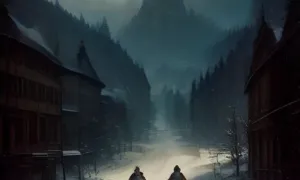
The visualisations are generated by artificial intelligence and serve as inspiration.
Photos from the area
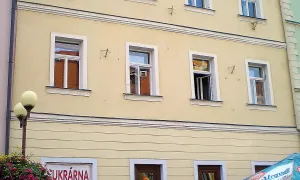
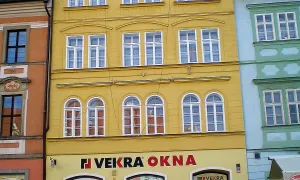
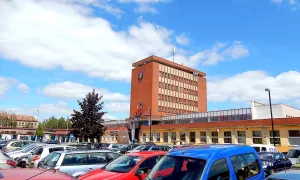
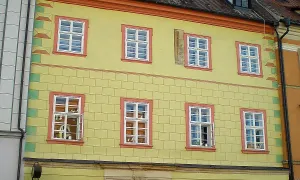
Real photos taken near the monument


Zdroj a licence jsou uvedeny u každého snímku.
View from the area
This animation was generated by artificial intelligence from a real photograph of the surroundings. The motion and details are not real footage of the location.
Atmosphere of the place
This atmospheric visualisation of the place and period was generated by artificial intelligence. It is not real footage of the location.
Tips from visitors
No tips yet. Be the first!
Log in and add your tip.
Sources and literature
Fotografie: Jan Sokol / CC BY-SA 3.0, rozlišení zvýšeno umělou inteligencí — Wikimedia Commons. The author and licence also appear when you hover over the image.
Faktickým podkladem tohoto textu byl článek na Wikipedii, jehož autory jsou přispěvatelé Wikipedie. Článek je dostupný pod licencí CC BY-SA 4.0.
Location on the map
Příběhy a pověsti
Legendy, pověsti a příběhy spjaté s touto památkou
Fotografie návštěvníků
Zatím žádné fotografie. Buďte první, kdo přidá fotografii z návštěvy!
Přihlaste se a přidejte svou fotografii nebo hodnoťte.
Za ověřenou návštěvu v aplikaci získáte víc bodů — poznáme podle GPS, že jste na místě.
Reviews and comments