






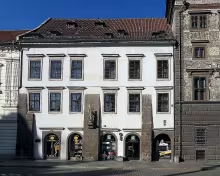
Císařský dům in Plzeň is a late Renaissance two-story building with a mansard roof. It stands on the northern side of Náměstí Republiky, adjacent to the town hall and sharing a courtyard with it. This monument is recognized as a cultural heritage site due to its rich history and unique architectural elements.
The origins of Císařský dům trace back to the merging of two Renaissance houses owned by Jiří Krumlovský ml. z Hartenštejna and Bernart Tomášek in the late 16th century. Emperor Rudolf II acquired it around 1606, commissioning Giovanni Maria Filippo to unify the structures into a single edifice for his use. Although Rudolf II never utilized the property, its association with him adds to its historical allure.
Architecturally, Císařský dům is distinguished by its late Renaissance style, featuring large lead eagle sculptures on the gables and a monogram of Emperor Rudolf II. The building originally had two separate entrances: a Renaissance portico from 1565 near the town hall and another from 1793 after a facade renovation. Over time, it underwent significant adaptations, including a major one in 1869 and a thorough renovation in 1913.
Ownership of Císařský dům has changed hands multiple times since its inception. After Rudolf II's era, Arnošt Mansfeld occupied the house from 1618 to 1621. Subsequently, it was unsuccessfully sought by the town after being devastated in war. In 1631, Ferdinand III transferred ownership to Maxmilián z Trautmannsdorfu, and the property remained with the Trautmannsdorf family until 1793. It then passed through various private owners, including notable figures like František Wanka, a former mayor of Plzeň.
Throughout its history, Císařský dům has witnessed several key events and curiosities. Emperor Rudolf II visited the house in 1594 and again in 1599. In 1919, a baroque statue of Knight Žumbera was relocated from a Renaissance fountain to the building. Additionally, a Renaissance sgrafito depicting a rider was discovered on the property's facade in 1993.
Today, Císařský dům serves as an integral part of Plzeň’s cultural landscape. The ground floor houses the city's information center, while the upper floors accommodate municipal offices, including the mayor's office. Its historical and architectural significance makes it a worthwhile visit for those interested in exploring the rich tapestry of Plzeň's past.
Císařský dům stands as a testament to the region's Renaissance heritage and its evolving history through various ownerships and renovations. Visitors are invited to explore this monument, which offers a glimpse into the architectural and cultural narratives that have shaped Plzeň over centuries.
Historical milestones
- 1606
- The houses were merged into one building by Giovanni Maria Filippo for Emperor Rudolf II.
- 1594
- Emperor Rudolf II visited the house.
- 1599
- Emperor Rudolf II visited the house again.
Architectural development
The Císařský dům was originally two separate Renaissance houses merged into one by Giovanni Maria Filippo. The building features a late Renaissance style with significant architectural elements like large lead eagle sculptures on the gables and a monogram of Emperor Rudolf II. Over time, it underwent various renovations, including a major adaptation in 1869 and a thorough renovation in 1913.
Historical events
In 1606-1607, the houses were architecturally unified by Giovanni Maria Filippo for Emperor Rudolf II.
Emperor Rudolf II visited the house in 1594 and again in 1599.
Owners
The property was initially owned by Jiří Krumlovský ml. z Hartenštejna and Bernart Tomášek in the late 16th century. It later came into the possession of Emperor Rudolf II around 1606, who commissioned Giovanni Maria Filippo to merge it into a single building. After various ownerships, including Arnošt Mansfeld (1618-1621) and Ferdinand III., it was acquired by Maxmilián z Trautmannsdorfu in 1631. The house remained with the Trautmannsdorf family until 1793, after which it passed through several private owners.
Points of interest
- Despite Emperor Rudolf II commissioning the unification of Císařský dům into a single structure for his use around 1606, he never actually lived there or utilized it during his reign. This adds an intriguing layer to its historical narrative.
- A baroque statue of Knight Žumbera was relocated from a Renaissance fountain to the building in 1919, blending different artistic periods and styles within Císařský dům's architectural history.
Guide
Show guide text
Welcome to Císařský dům in Plzeň, a remarkable embodiment of late Renaissance architecture with its distinct two-story structure and charming mansard roof. As you stand here, take a moment to absorb the grandeur before you—a building steeped in history yet vibrant with stories waiting to be told.
The origins of Císařský dům trace back to an intriguing period when two separate Renaissance houses were merged into one cohesive structure around 1606. This transformation was commissioned by Emperor Rudolf II and masterfully executed by the architects Giovanni Maria Filippo and Jan de Statia. The purpose? To create a unified residence for the emperor, although it is fascinating to note that he never actually lived here.
As you look upon the building now, notice the large lead eagle sculptures adorning its gables—a nod to Emperor Rudolf II himself—and his monogram etched into the stone. These details are not just decorative; they symbolize the house's connection to imperial ambitions and historical significance.
The history of Císařský dům is interwoven with notable figures who have left their mark on its story. Emperor Rudolf II, a patron of arts and sciences, visited this place twice in the late 16th century, although his presence never turned into residence. Other key historical personalities include Jiří Krumlovský ml. z Hartenštejna, Bernart Tomášek, Arnošt Mansfeld, Ferdinand III., and Maxmilián z Trautmannsdorfu—each adding layers to its rich narrative.
One of the most intriguing aspects of Císařský dům is the mystery surrounding Emperor Rudolf II's intentions. Despite commissioning this grand unification for his use, he never resided here, leaving us with a tantalizing question about what might have been had history taken a different turn.
As you continue to explore, allow yourself to be drawn into the atmosphere of Císařský dům. Feel the weight of centuries past and imagine the stories that echo through its halls. This place is not just an architectural marvel; it's a portal to another era.
We invite you to delve deeper into its history, perhaps discovering more about the lives and times of those who once walked these streets. Thank you for joining us on this journey through time at Císařský dům. May your exploration be as enriching as it is enlightening. Safe travels as you continue uncovering the wonders of Plzeň!
Tips for visitors
The best time to visit Císařský dům is during the late spring or early fall when the weather is mild, making it ideal for exploring the historical architecture of Plzeň. During these months, you can enjoy pleasant temperatures and fewer crowds, allowing for a more relaxed experience as you admire the Renaissance features of the building. Additionally, visiting in these seasons often coincides with local festivals and events that celebrate Plzeń's rich cultural heritage.
Parking near Císařský dům is convenient, though it can be limited due to its central location. Public transport is a practical alternative, as the area around Plzeň's town hall is well-served by buses and trams. For those driving, there are parking facilities in nearby areas that you can use; however, it's advisable to check for any restrictions or permits required. Using public transportation not only eases the stress of finding a parking spot but also allows you to experience the city more authentically.
When visiting Císařský dům, consider bringing comfortable walking shoes as there are several historical sites within walking distance. A camera is essential for capturing the intricate details of the Renaissance architecture and the charming atmosphere of Plzeň's old town. Additionally, carrying a light jacket or sweater can be useful, especially if you plan to explore in the evening when temperatures may drop.
Photography enthusiasts will find several spots around Císařský dům ideal for capturing its architectural beauty. The best lighting is typically during the golden hours of early morning and late afternoon, which provide soft light that enhances the building's details. The courtyard shared with Plzeň's town hall offers a unique perspective and an excellent backdrop for photographs.
Nearby attractions within 30 minutes include other Renaissance buildings in Plzeň, offering more insights into the city's architectural history. Exploring these sites can provide a broader context of the area’s development during the Renaissance period. For families with children, consider visiting local parks or interactive museums that offer engaging activities for younger visitors.
Businesses nearby
Do you run a restaurant, accommodation, shop, museum, rental, wellness or other visitor service near this monument? Show yourself directly to the people heading to it — this is how they will see you in the app and on the web:
Nearby
Císařský dům is located near Plzeň's town hall and shares a courtyard with it. The area features historical architecture typical of Plzeň, including other Renaissance buildings.
Accommodation nearby
Trips and activities nearby
Guided tours, tickets and activities nearby from GetYourGuide
Search tours and activities →Themed route
Tematická výletní trasa: Historické středisko Plzně
1. Císařský dům - *Typ:* Historický dům - *Proč stojí za návštěvu:* Císařský dům je vynikajícím příkladem renesanční architektury Plzně a sloužil jako sídlo místodržitelů. Jeho historie a architektonická krása nabízejí cenné poznatky o minulosti této oblasti.
2. Plzeňský radnici - *Typ:* Historický památník - *Proč stojí za návštěvu:* Plzeňská radnice je nejstarším stavebním komplexem v Plzni a představuje klíčovou součást historického centra města. Její architektura, která sahá od gotiky po renesanci, odráží bohatou historii Plzně.
3. Společné nádvoří - *Typ:* Historické nádvoří - *Proč stojí za návštěvu:* Společný areál Císařského domu a Plzeňské radnice nabízí jedinečný pohled na historickou architekturu obou struktur. Nádvoří sloužilo jako důležité centrum pro místní komunitu po staletí.
4. Okolní renesanční budovy - *Typ:* Historické budovy - *Proč stojí za návštěvu:* Okolí Císařského domu je plné dalších renesančních budov, které dodávají oblasti autentický historický charakter. Tyto struktury jsou připomínkami bohaté architektonické minulosti Plzně a poskytují pohled na život v renesanci.
5. Plzeňská čtvrt - *Typ:* Historický obchodní okrsek - *Proč stojí za návštěvu:* Tato část města je známá svými tradičními obchody a kavárnami, které dodnes oslavují kulturní dědictví Plzně. Prozkoumání tohoto okrsku nabízí nádech života z minulosti v moderním kontextu.
Tato trasa umožňuje cestovatelům prozkoumat historické a architektonické poklady Plzně, zaměřené na renesanční období.
Seasonal recommendations
Jaro: In the spring, the Imperial Palace in Plzeňský kraj is bathed in unique dazzling light as sunlight creates exciting shadow plays on its facades and interiors. This is an ideal time to visit because nature around begins to bloom, adding a romantic atmosphere to the historic setting. Visitors should dress for cooler spring weather and prepare for possible rainy periods, as visits are often on quieter days. Additionally, it's advisable to visit the site early in the morning or later in the afternoon to avoid potential crowds, especially on Saturdays and Sundays.
Léto: In summer, the Imperial Palace is full of life with long daylight hours that illuminate every architectural detail. During this season, the surrounding area is green and blooming, adding comfort and beauty to your visit. Despite the appeal of sunny days, early or late visits are recommended to avoid hot midday temperatures and tourist crowds, which often peak during the main summer season. It's also advisable to wear light clothing and bring plenty of drinks to stay comfortable during the tour.
Podzim: In autumn, the Imperial Palace takes on an atmosphere filled with a changing color spectacle as tree leaves in the vicinity turn into golden and red hues. This period is ideal for photography against a backdrop of autumn colors and quieter visits, as crowd times decrease. Visitors should be prepared for cooler weather with rain and wear warmer clothing. Morning visits are recommended to enjoy long sunny days while avoiding chilly evenings.
Zima: The winter Imperial Palace offers unique lighting where architecture is adorned with light and shadow, creating a magical atmosphere. Despite the colder weather, the site remains a valuable place to visit, especially during the Advent season when the surroundings are filled with festive lights. Visitors should wear warm clothing and prepare for shorter opening hours due to winter conditions. Morning visits are recommended to maximize sunlight exposure and avoid potential delays caused by cold conditions.
Visualizations and artistic views

Vizualizace jsou generovány umělou inteligencí a slouží jako inspirace.


Tips from visitors
No tips yet. Be the first!
Log in and add your tip.


Reviews and comments