






Kostel Všech svatých (Horšov) Church
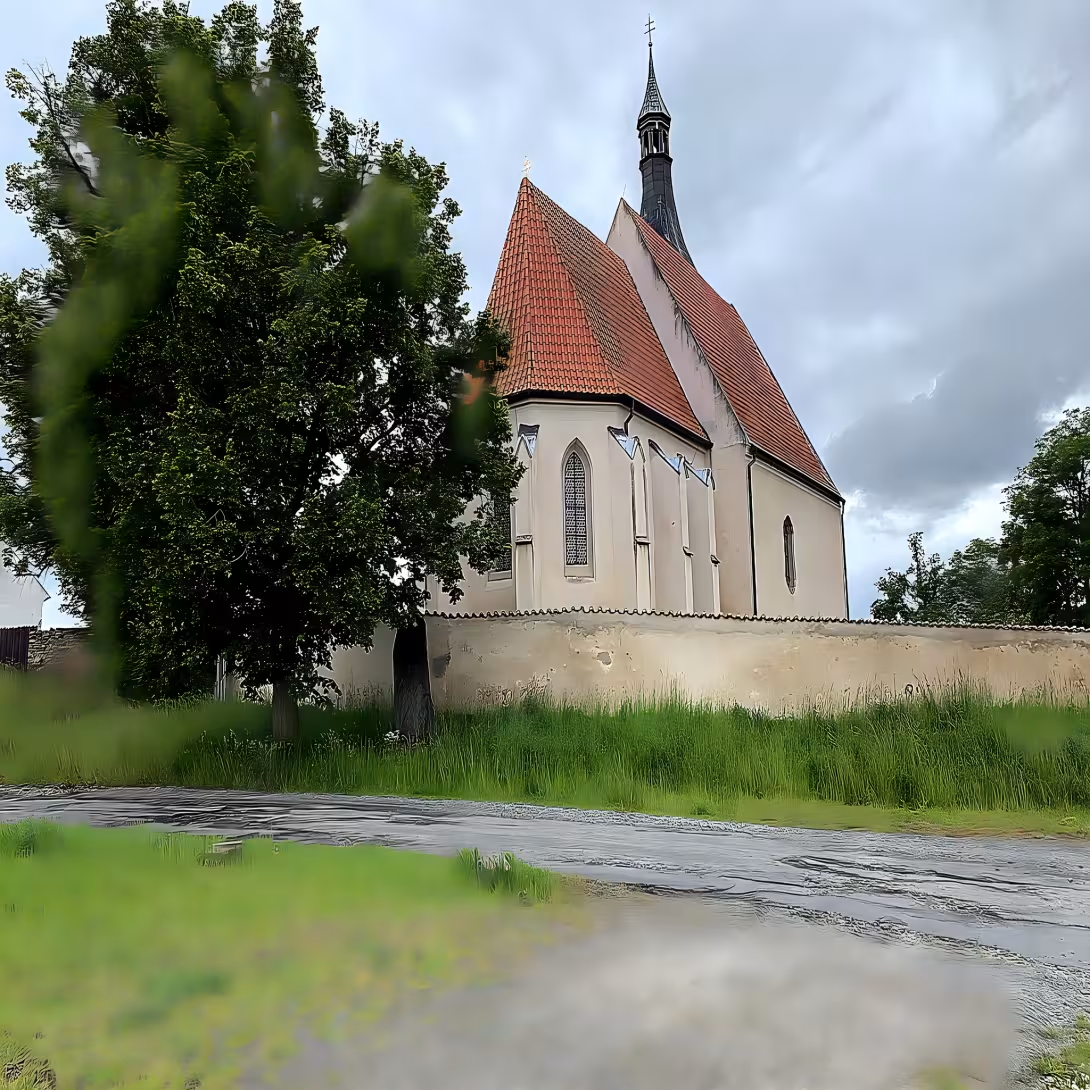
The Church of All Saints in Horšov is a remarkable historical monument showcasing architectural evolution from Romanesque through Gothic to Baroque styles. Located in the village of Horšov within the district of Horšovský Týn, Plzeňský kraj, this church was originally constructed around the early 13th century. It stands as a testament to its historical significance and strategic importance as a religious center for the Prague bishops' estate.
The church is notable not only for its architectural transformations but also for its valuable frescoes dating back to 1489. After significant reconstruction between 2001-2005, it is now managed by the National Heritage Institute in Plzeň.
Initially built as a Romanesque structure around the early 13th century, Horšov served as an important religious and administrative center for the Prague bishops' estate, overseeing clergy across the Domažlický region. However, its significance began to wane by the late 13th century with the rise of Horšovský Týn, which offered a more strategically advantageous location along key trade routes.
Architecturally, the church underwent significant transformations over the centuries. The original Romanesque structure was expanded and renovated in the Gothic style during the late 14th century. This period saw the addition of the Chapel of Saint Barbara, extensions to the nave, and modifications to the presbytery. One notable feature from this era is the roof over the presbytery, one of the oldest surviving roofs in the Czech Republic. The church also boasts a rare plank joint technique used in its roof trusses, showcasing advanced construction methods for its time.
The 16th century brought further changes with the addition of a slender church tower at the beginning of the century. However, during the Thirty Years' War, it was plundered by Swedish forces in 1648. It wasn't until nearly a century later, in 1745, that the church was reconsecrated after undergoing Baroque modifications, including alterations to the interior and new windows.
In more recent history, the church fell into disrepair during the latter half of the 20th century. Recognizing its cultural significance, the National Heritage Institute took over in the 1990s, leading to a comprehensive restoration between 2001-2005 as part of a heritage conservation program. This effort restored not only structural integrity but also key elements such as the main altar and side altars.
Today, the Church of All Saints is accessible to visitors who arrange their visit in advance. Managed by the National Heritage Institute's Plzeň office, it offers barrier-free access, allowing everyone to explore its rich history and architectural beauty. The church remains a significant cultural landmark, reflecting centuries of religious and architectural evolution. Visitors are invited to experience this unique monument, where history is preserved within its walls, offering insights into the past while standing as a testament to enduring heritage.
Then and now
Drag the slider to compare how the landmark may have looked when it was built with the view today.
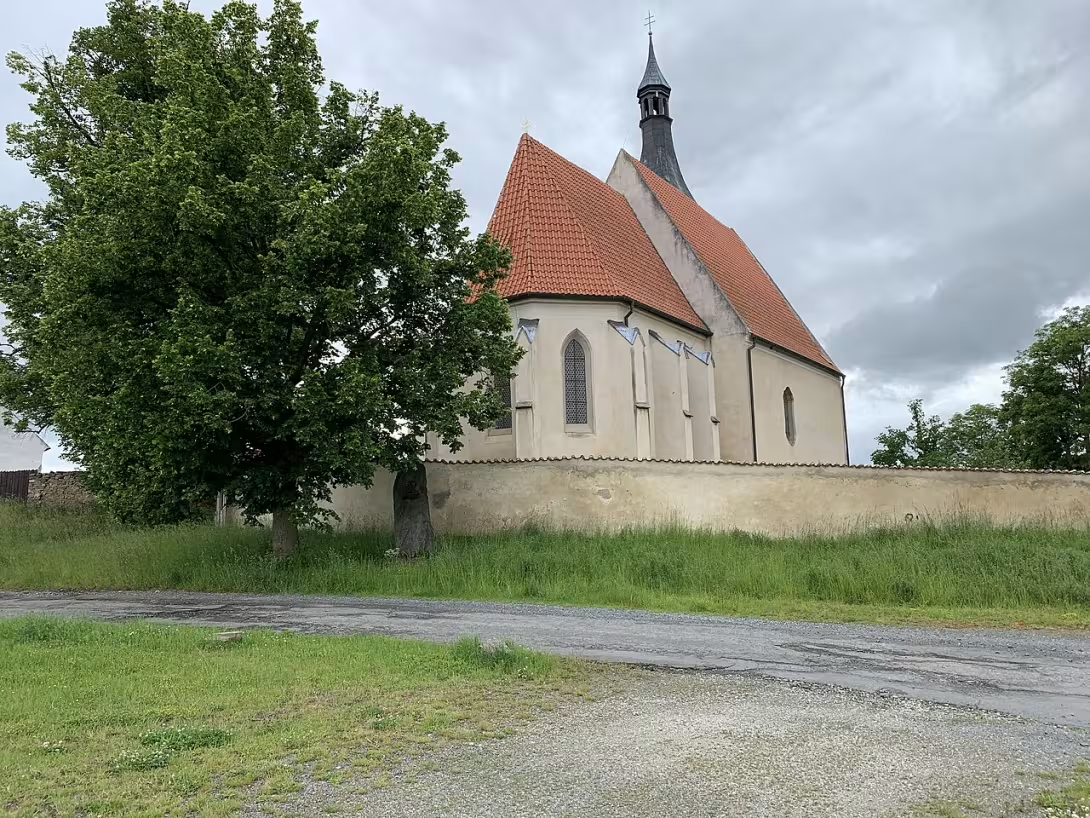

The historical appearance on the left is an AI-generated visualisation and serves as inspiration only.
Historical milestones
- 1300
- Construction of the original Romanesque Church of All Saints.
- 1489
- Creation of valuable frescoes within the church.
Architectural development
Initially constructed as a Romanesque building, the Church of All Saints underwent Gothic renovations and expansions in the late 14th century. These included the addition of the Chapel of Saint Barbara and extensions to the nave and presbytery. Baroque modifications were made before 1745, altering the interior and adding new windows. The church was restored between 2001-2005 as part of a heritage conservation program.
Historical events
The original Romanesque structure was built around the early 13th century, serving as a central religious site for the Prague bishops' estate.
In the late 14th century, the church underwent Gothic renovations and expansions, including the addition of the Chapel of Saint Barbara.
The church was devastated by Swedish forces in 1648 but was reconsecrated nearly a century later in 1745.
Points of interest
- The Church of All Saints features one of the oldest surviving roofs in the Czech Republic, specifically over its presbytery, highlighting advanced construction techniques from centuries ago.
- A rare plank joint technique used in the church's roof trusses showcases sophisticated building methods that were ahead of their time during the Gothic period.
- During the Thirty Years' War, Swedish forces plundered the church in 1648, marking a turbulent chapter in its history before it was reconsecrated with Baroque modifications nearly a century later.
- The Chapel of Saint Barbara, added to the church during the late 14th-century Gothic renovations, reflects the evolving architectural styles and religious influences of that era.
- Despite falling into disrepair in the latter half of the 20th century, the church was revitalized through a comprehensive restoration from 2001-2005 by the National Heritage Institute, ensuring its preservation for future generations.
Guide
This guide is narrated by a synthetic voice generated by artificial intelligence.
Show guide text
This text was created by artificial intelligence and has not been editorially reviewed. It may contain inaccuracies.
Welcome to the historic Church of All Saints in Horšov, a remarkable testament to architectural evolution over centuries. As you stand here, take a moment to absorb the serene atmosphere and the intricate details that surround you.
The origins of this church trace back to the early 13th century when it was first constructed as a Romanesque edifice. Over time, it has evolved through Gothic and Baroque influences, reflecting its enduring significance in the region's religious and cultural history. The strategic location of Horšov added to its importance, making it a central hub for spiritual life.
As you look around, notice how the church seamlessly blends these architectural styles. While specific architects remain unknown, their craftsmanship is evident in every stone and archway. Pay particular attention to the frescoes dating back to 1489; they are among the most valuable artistic treasures within this sacred space. These vibrant artworks tell stories of faith and history that have captivated visitors for centuries.
The church's roof, particularly over its presbytery, stands as one of the oldest surviving roofs in the Czech Republic. This remarkable feature highlights advanced construction techniques from a bygone era. Additionally, the rare plank joint technique used in the roof trusses showcases sophisticated building methods that were ahead of their time.
While specific historical figures associated with this church remain unnamed, its history is rich with stories and events that have shaped its legacy. The church has witnessed countless moments of worship, celebration, and reflection throughout the centuries.
One intriguing aspect of this site is its resilience; after significant reconstruction between 2001-2005, it stands today as a proud reminder of both its historical roots and modern restoration efforts. This blend of old and new invites you to explore further and discover more about its storied past.
As we conclude our journey here at the Church of All Saints in Horšov, I invite you to continue exploring this remarkable site. Each corner holds secrets waiting to be uncovered, offering a deeper connection to history and architecture. Thank you for joining me on this tour, and may your visit inspire curiosity and wonder.
Frequently asked questions
Can the monument be visited?
Yes. We verified the opening hours or admission on the official website (2. 10. 2026); you will find them in the visitor information on this page. Please double-check with the operator before you travel.
What are the opening hours and admission?
Tento údaj nemáme ověřený, a proto ho radši neuvádíme. Aktuální informace najdete na oficiálním webu památky.
Where is the monument?
Location: Horšov, Plzeňský kraj. The map on this page shows the exact spot.
Why is the monument protected?
It is listed in the Central List of Cultural Monuments of the Czech Republic as a cultural monument (register no. 26979/4-2086).
Businesses nearby
Do you run a restaurant, accommodation, shop, museum, rental, wellness or other visitor service near this monument? Show yourself directly to the people heading to it — this is how they will see you in the app and on the web:
Z magazínu
Events nearby

Zdroj akcí: otevřená data měst a obcí ČR (Národní katalog otevřených dat) a kalendář akcí Národního památkového ústavu.
Accommodation nearby
Themed route
Tematická výletní trasa: Kostel Všech svatých (Horšov)
1. Kostel Všech svatých (Horšov) - Kostel Start your tour at the church, which is not only a religious center of Horšov but also an architectural masterpiece with a rich history. Its Gothic design and historical interiors offer a glimpse into the past of this region.
2. Obecní úřad Horšov - Historická budova Approximately 5 minutes on foot from the church is the town hall, located in a historically significant building. This structure represents local administrative traditions and architectural elements of the region.
3. Kaple svatého Jana Nepomuckého - Kaple Follow the path into the village where you'll find the Chapel of Saint John of Nepomuk. This small chapel is known for its peaceful atmosphere and beautiful artistic features, attracting visitors seeking tranquility and inspiration.
4. Místní tržiště - Tradiční trh Whether returning to the center of the village or not, you can visit the local market square. Although it's not specifically listed as a monument, it is a lively example of local spirit and tradition where regional products are sold and locals can be met.
This tour will take you through the historical and cultural heart of Horšov, offering insights into its rich past and contemporary life.
Seasonal recommendations
Spring: Visiting the Church of All Saints (Horšov) during spring offers a unique experience as nature begins to awaken, with blooming flowers and fresh greenery surrounding the historic site. The natural light is soft and warm, casting gentle shadows that enhance the intricate details of the church's architecture. This season often sees moderate visitor numbers, making it an ideal time for those seeking a quieter exploration. For comfort, wear layers as temperatures can vary, and consider bringing a hat or sunglasses to shield against the bright sunlight.
Summer: Summer is perfect for experiencing the Church of All Saints in its full glory, with long daylight hours allowing ample time to admire its beauty. The lush landscape around the church provides a vibrant backdrop, while the warm atmosphere invites visitors to linger outside after their tour. However, this is also the peak tourist season, so arriving early can help avoid crowds and ensure a more personal experience. Dress in light, breathable clothing and wear comfortable shoes for walking.
Autumn: Autumn brings a magical transformation to the Church of All Saints with its stunning display of fall foliage, creating a picturesque setting that enhances the church's historic charm. The cooler temperatures make it an ideal time for photography enthusiasts who can capture the vibrant colors and serene atmosphere without the summer crowds. Visitors should wear warm layers as evenings can be chilly, and carrying a light jacket is advisable to stay comfortable during their visit.
Winter: Winter offers a unique perspective of the Church of All Saints (Horšov), with its snow-covered surroundings creating a tranquil and almost ethereal ambiance. The shorter days mean that lighting inside the church is softer, highlighting architectural details in a different way compared to other seasons. This time of year typically sees fewer visitors, allowing for a more peaceful exploration. It's important to dress warmly in layers and wear sturdy boots, as paths may be slippery or icy. Be mindful of potentially reduced opening hours during this season.
Visualizations and artistic views


The visualisations are generated by artificial intelligence and serve as inspiration.
Photos from the area
Real photos taken near the monument

Zdroj a licence jsou uvedeny u každého snímku.
Tips from visitors
No tips yet. Be the first!
Log in and add your tip.
Sources and literature
Photos: Petr Eibisch / CC BY-SA 4.0, rozlišení zvýšeno umělou inteligencí — Wikimedia Commons. The author and licence also appear when you hover over the image.
Faktickým podkladem tohoto textu byl článek na Wikipedii, jehož autory jsou přispěvatelé Wikipedie. Článek je dostupný pod licencí CC BY-SA 4.0.
Location on the map
More monuments – Horšov
Show all in the municipality

Příběhy a pověsti
Legendy, pověsti a příběhy spjaté s touto památkou
Fotografie návštěvníků
Zatím žádné fotografie. Buďte první, kdo přidá fotografii z návštěvy!
Log in a přidejte svou fotografii nebo hodnoťte.
Za ověřenou návštěvu v aplikaci získáte víc bodů — poznáme podle GPS, že jste na místě.
Reviews and comments