






Domym čp. 3 a 4 House
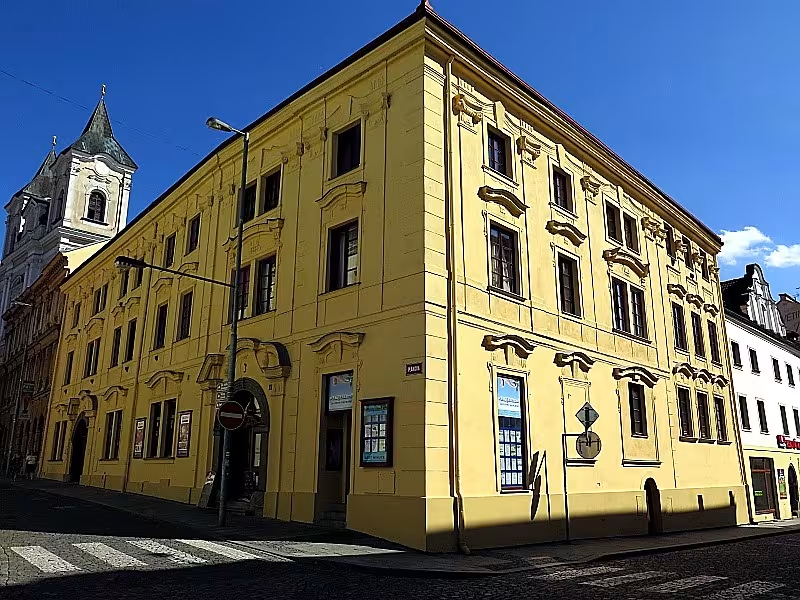
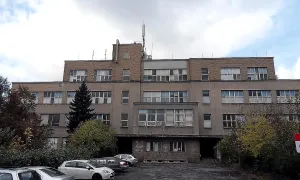
Houses 3 and 4, located on Plánice in Klatovy, are protected cultural monuments, which represent Gothic architecture with later Baroque adaptations. These objects, located in the district of Klatovy in the Pilsen Region, are protected as national cultural monuments.
Originally built in Gothic style, houses have undergone transformations: early Baroque reconstruction was followed by modifications in late Baroque Baroque. This evolution is evidenced by the National Heritage Institute and brought home the highest baroque appearance, similar to the Klatovy Jesuit tracks.
The architecture of these houses shows a complex history of their construction and modification. The original Gothic design has been adapted to suit the Baroque aesthetics, which is visible in the stylized detail of the composite elements.
The history of homeowners and house management is not documented in detail, but their historical evolution from goth to baroque indicates changes in ownership and functional purposes. These changes were often linked to cultural and social transformations affecting cities such as Klatovy.
Today houses No. 3 and 4 are an important part of the regional cultural heritage. Their historical value associated with architectural character is attractive for visitors who are interested in history and art. Maintaining these monuments is important not only as part of the local identity, but also as a reminder of the evolution of architectural styles in the Czech Republic.
Visiting houses offers a unique opportunity to explore the history and art reflected into their building structure. Their preservation is proof of expertise in the care of cultural monuments. When visiting you can enjoy not only historical views, but also imagine the environment of past generations.
This monument is therefore an important cultural heritage and an inspiring place for anyone interested in history and architecture. To visit houses no. 3 and 4 means to appreciate the rich history of the region and to preserve the memory of a beautiful example of Gothic and Baroque art.
Then and now
Drag the slider to compare how the landmark may have looked when it was built with the view today.
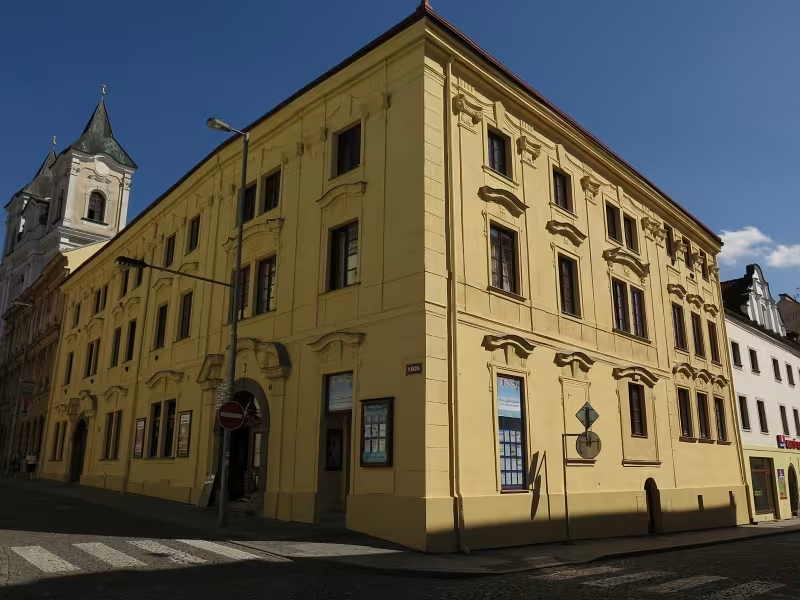
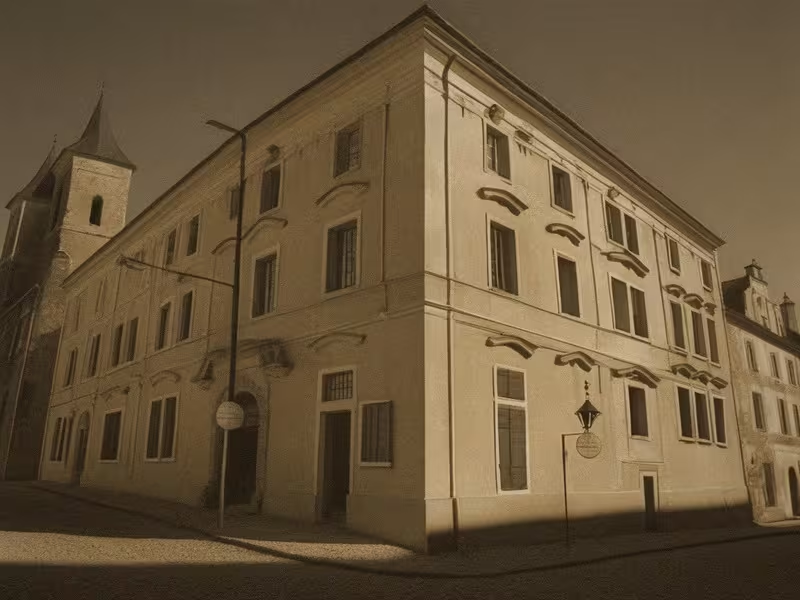
The historical appearance on the left is an AI-generated visualisation and serves as inspiration only.
Historical milestones
- Around 14th century
- Original Gothic construction of houses Nos 3 and 4.
- 17th century (early Baroque period)
- The first phase of the Baroque rebuilding of houses.
- 18th century (late Baroque period)
- Adjustments in the late Baroque Baroque style.
Owners
The sequence of owners with years if available, otherwise zero.
Points of interest
- Although houses No. 3 and 4 are mainly known for their Gothic-Baroque architecture, there is a less well-known legend about secret passages under the house, which were called shelters for outlaws in the 17th century.
- The surprising detail is that one of the walls of the house contains a hidden painting from the Baroque Renaissance that was discovered after a recent renovation in 2015.
According to local legend, there is an ancient spring under the house whose water is considered healing. This spring was once used to heal the sick.
- In the history of houses No. 3 and 4 there is an interesting story about one of the owners, who was known in the 18th century as a nobleman named "Wizard," thanks to his enthusiasm for alchemy and astrology.
- It is also interesting that during the Baroque reconstruction an ancient tombstone was found with an incomprehensible rune mark, which has not yet been completely decrypt.
Guide
This guide is narrated by a synthetic voice generated by artificial intelligence.
Show guide text
This text was created by artificial intelligence and has not been editorially reviewed. It may contain inaccuracies.
Welcome to the Klatovy district, where there is a unique cultural monument - houses no. 3 and 4. You are standing in front of these historical objects, which are part of the national cultural heritage of the Czech Republic. If you look at their facade, you can feel the deep atmosphere of the past that surrounds these places.
Let's dive into the history of this place. Even though the dates of these houses' creation and architects remain unknown, their presence tells us stories about the people and conquests that once crossed here. These houses were an important part of local life and probably served various purposes over the years, from living space to possibly commercial or administrative functions.
Look up at the architectural elements that decorate these houses. Although we cannot identify the specific details accurately, note the essays that may be referring to the Baroque or Renaissance - epoch known for its wealth and ornament. Note also the way the roof structures are designed, which may suggest a practical solution for the then residents.
Although we do not have records of specific historical personalities associated with these houses, it is possible to imagine different figures - from craftsmen and traders to property owners - who once looked here into the future, changing the world around them. Each of these personalities contributed to the complex mosaic of the history of this place.
The very fact of preserving these structures as protected cultural monuments is interesting. This tells us how important they played a role in the local context and how many stories still need to be discovered.
Now that you've looked at these historic houses, we invite you to continue to explore the surrounding areas. Every piece of this area has a story and is waiting to be discovered. Whether you decide to take another tour or just for a quiet moment in the silence of history, we hope that your experience here will be moving and illuminating. Thank you for your visit and have a nice day!
Tips for visitors
The best time to visit is the spring and autumn season, when the views are the best in memory thanks to favourable light. This time of year also offers lighter weather compared to winter and summer warming.
You can verify the current connection using an online search engine or mobile app.
When visiting, bring suitable clothes according to the weather as well as drinking and sunscreen. If you are planning photography, we recommend bringing a stable camera or mobile phone with a good lens.
Photography is best in the early morning hours or evening when the sun shines at an angle and illuminates architectural details of the house. The best places for photos can be found while walking by the pavement.
In the vicinity of the monument, within 30 minutes, there is a historic square with other architectural pearls and a park where you can enjoy a quiet moment. For families with children there is an entertainment hall or a small museum nearby.
Frequently asked questions
Can the monument be visited?
This is a residential or farm building, not a museum with opening hours. Please view it from public space and respect the owners' privacy. We have no information about access to the interior.
Where is the monument?
Location: Plánická 3, Klatovy I, Klatovy, Plzeňský kraj. The map on this page shows the exact spot.
Why is the monument protected?
It is listed in the Central List of Cultural Monuments of the Czech Republic as a cultural monument (register no. 19629/4-2692).
For kids
Představ si, že se vrátíš zpět do minulosti... Do doby, kdy zde stál mohutný hrad Domýk. Ten byl útočištěm a pevností krále Jiřího z Poděbrad. Král Jiří byl statečný válečník a vynikající politik. Jeho hrad stával na vysoké skále nad řekou Jihlavou.
Kdo tu žil? Bydleli zde páni, kteří se starali o hrad a jeho obranu. Byla tu i králova manželka, Johanka z Rožmitálu. Ta byla krásná dáma a milá matka jejich dětí. Král Jiří si ji velmi vážil a často s ní trávil čas v hradě.
Businesses nearby
Do you run a restaurant, accommodation, shop, museum, rental, wellness or other visitor service near this monument? Show yourself directly to the people heading to it — this is how they will see you in the app and on the web:
Events nearby
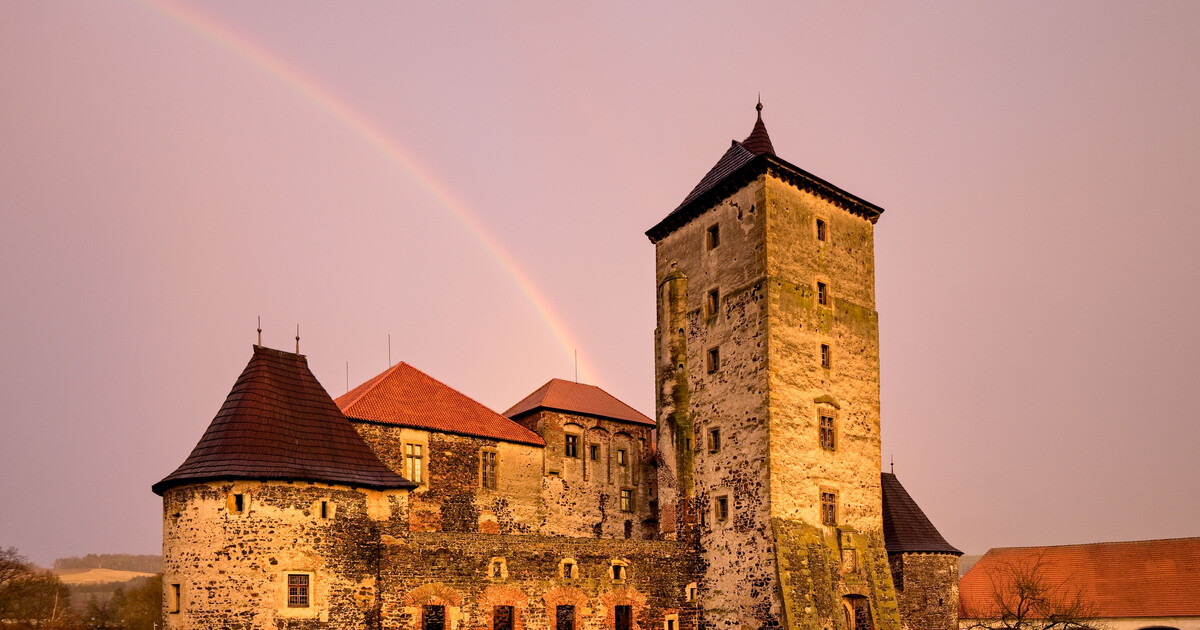
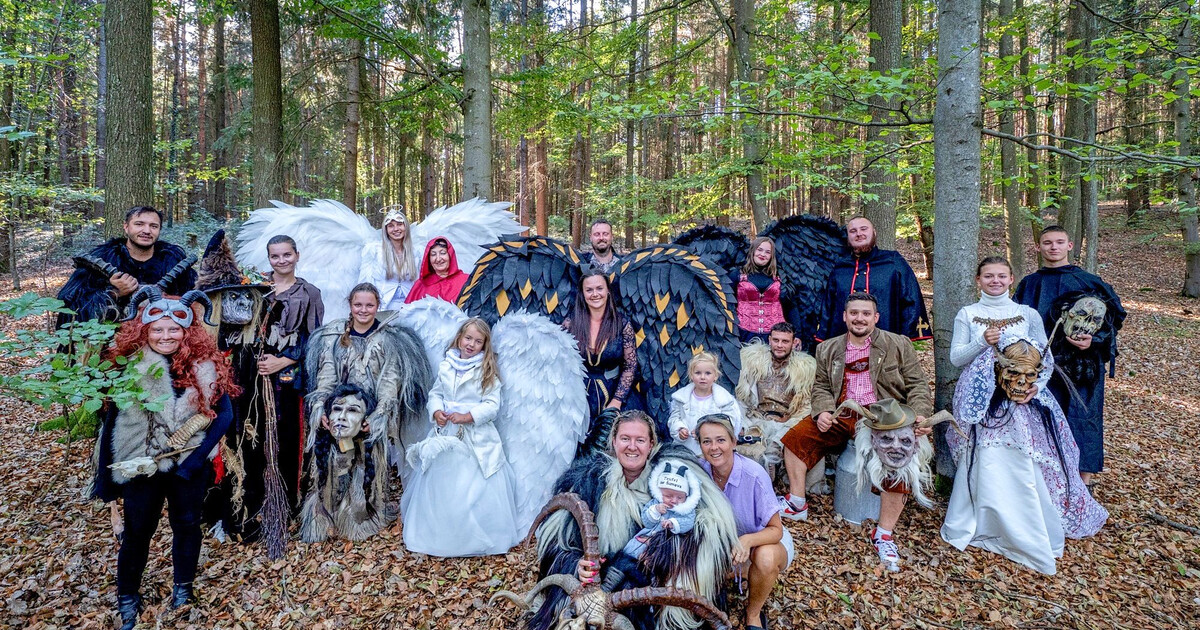
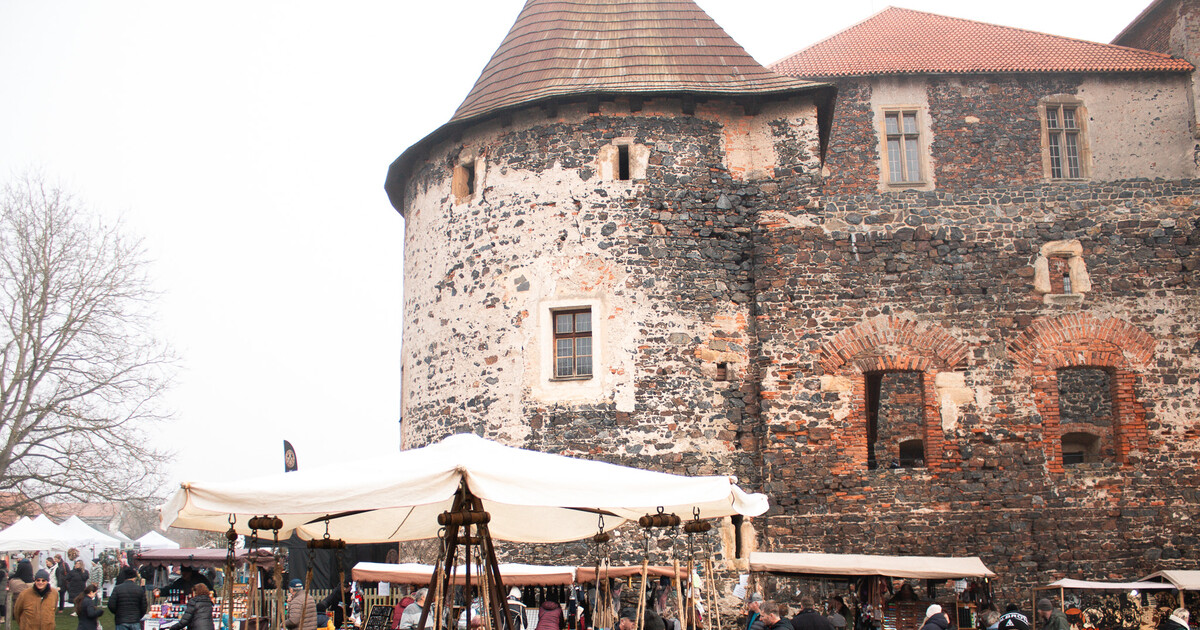
Zdroj akcí: otevřená data měst a obcí ČR (Národní katalog otevřených dat) a kalendář akcí Národního památkového ústavu.
Nearby
Ambient landscape, other monuments, natural elements up to 5 km or zero.
Accommodation nearby
Themed route
Thematic cruise route: Home No. 3 and 4 - historical architecture
1. Home No. 3 and 4 (houses) Type: Historical homes Why is it worth a visit: These two neighboring houses are an example of traditional local architecture that retains the history and culture of the area. Their construction and maintenance offer insight into the life of past generations in the Klatovy district.
2. Local Church Type: Religious monument Why is worth visiting: The local church is not only a spiritual centre but also an architectural pearl area. Its design and history reflect the region's rich cultural heritage, which makes it an ideal place to understand religious traditions in the Pilsen region.
3. Local Market Type: Historical Business Place Why it is worth a visit: The traditional marketplace is a living witness to the economic and social life of the local community. Visit it to explore the history of trade in the region and see how traditional markets have evolved to date.
4. Local memorial Type: Memorial Why is it worth a visit: This monument is dedicated to important personalities or historical events that shaped the region. It is a place for reflection and recognition of important moments of the past that have affected the current identity of the area.
5. Local Park Type: Green space Why is worth a visit: The park offers a quiet area for relaxation and an opportunity to enjoy the natural beauty of the area. It is an ideal place to relax after exploring historical monuments, with the possibility to walk or sit on a bench and enjoy the surrounding environment.
This route will guide you through key historical and cultural points of the area, offering a comprehensive view of its rich past and present life.
Seasonal recommendations
Spring: In the spring period, the historical landmark Home No. 3 and 4 is characterized by live lighting of flowering trees and shrubs, which add to the atmosphere visitors to the color shine. This time of year is ideal for knowing a quiet environment without high summer months temperatures. It is recommended to visit the monument early in the morning to enjoy mild temperatures and natural lighting, which emphasizes the architectural beauty of the buildings. Due to the rise of tourists in the main summer season, spring is a good time for those looking for milder crowds.
Summer: Summer brings long days and warm sunlight that joins historical buildings in the most impressive way. During this period, crowds of tourists may be higher because of the attractiveness of outdoor activities and warm days, so it is advisable to visit the monument early in the morning or later in the evening. Dress in light but protective clothes to enjoy a visit without discomfort from overheating.
Autumn: Autumn season offers a unique atmosphere with colour lighting of leafy trees that provide a beautiful background for historical houses. The temperature is friendly and the crowds of tourists are usually lower compared to the winter period, which allows for more peaceful exploration of the monument. We recommend a visit in mild clothes and bring a warm coat for a possibly colder afternoon when leaves begin to fold.
Winter: In winter, the atmosphere around the historical monument is quiet and quiet, creating an opportunity for intimate exploration of architectural details. Shorter days mean more limited opening times, so it is advisable to visit the memory early in the morning. Warm clothes and protective shoes are essential for comfort during a visit in a cool environment, while snow can add magic to the image of old houses.
Visualizations and artistic views


The visualisations are generated by artificial intelligence and serve as inspiration.
Photos from the area
Real photos taken near the monument


Zdroj a licence jsou uvedeny u každého snímku.
Tips from visitors
No tips yet. Be the first!
Log in and add your tip.
Sources and literature
Photos: Sovicka169 / CC BY-SA 4.0 — Wikimedia Commons. The author and licence also appear when you hover over the image.
Location on the map


Příběhy a pověsti
Legendy, pověsti a příběhy spjaté s touto památkou
Fotografie návštěvníků
Zatím žádné fotografie. Buďte první, kdo přidá fotografii z návštěvy!
Log in a přidejte svou fotografii nebo hodnoťte.
Za ověřenou návštěvu v aplikaci získáte víc bodů — poznáme podle GPS, že jste na místě.
Reviews and comments