






Boží muka na návsi Statue
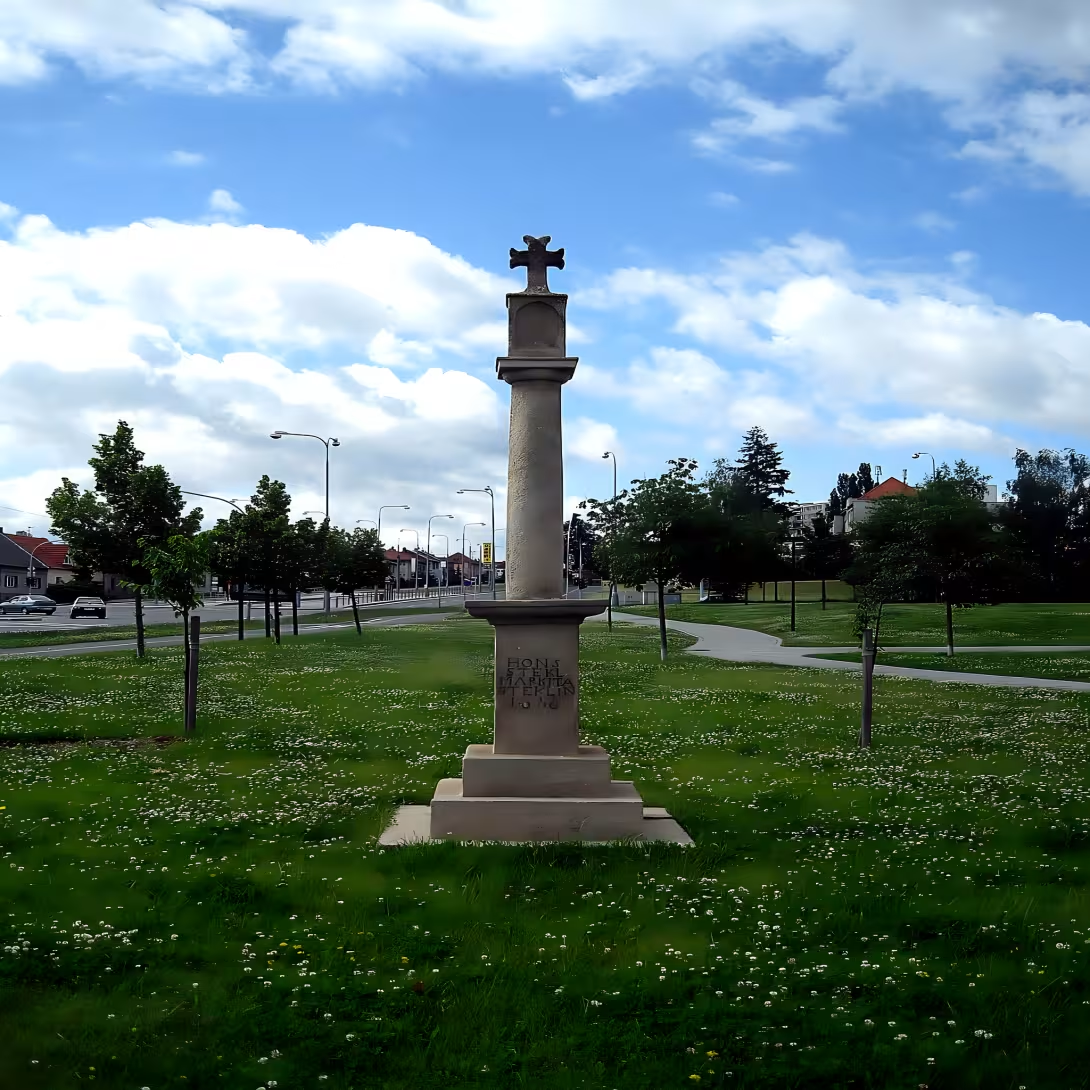
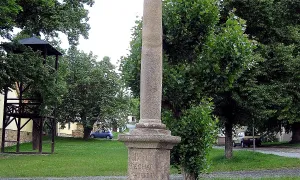
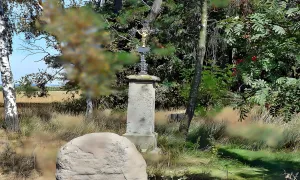
Boží muka na návsi in Pilsen, district Plzeň-město, is a protected cultural monument with historical and artistic significance. It is located at Plaská, Bolevec, as a typical example of Renaissance sculpture from the middle of the 17th century. Its preservation and location in a rich set of similar works by local provenance makes it remarkable.
The creation of God's torment can be dated to the mid-17th century, namely in 1666, as evidenced by the howling on the plinth. These monuments were often built as a symbolic expression of religious thinking and could also serve as a warning against the dangers of travel, for example, through robbery. In the context of that time, God's torment was part of a wider movement that included the status of similar monuments throughout the region.
Architecturally, God's torture is a characteristic example of Renaissance art. Its decoration and style are typical of the time of its creation, which makes it a valuable contribution to understanding the history of local architecture. Although specific information on the materials and details of the decoration is not provided, its preservation indicates the quality of the design.
Historical records of owners and administrators of this monument are limited. However, it is known that God's torture belonged to a set of similar works in the area of Bolevec, indicating its importance to the local community. Changes in property status and maintenance are often linked to historical events in the region, but specific information on these changes is not available.
Key events in the history of God's torment include its status and maintenance in 1666. This dating is an important element for understanding the time context of the monument. Other historical events that could affect her condition or her significance are not documented.
Today Boží muka na návsi in Pilsen is open to the public and is worth a visit with its historical value and artistic representation. Its preservation and protection as a cultural monument underlines its importance for local and wider history. Visiting this statue offers a valuable view of the past and allows you to enjoy the beauty of Renaissance art.
God's torment in Pilsen is not only a monument, but also a witness to the history of the region. Its visit offers a unique view of the past and recalls the importance of protecting cultural heritage.
Then and now
Drag the slider to compare how the landmark may have looked when it was built with the view today.
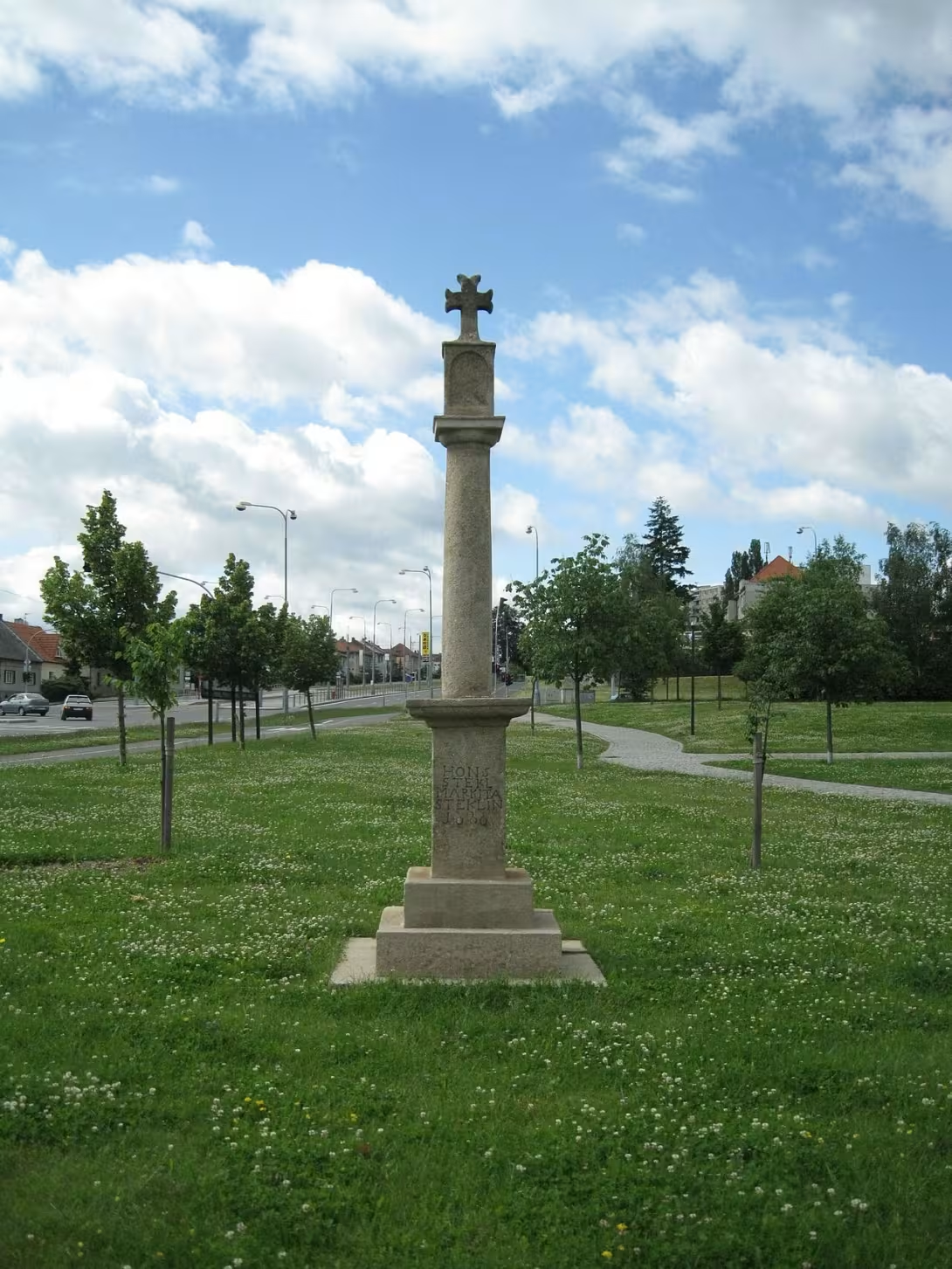
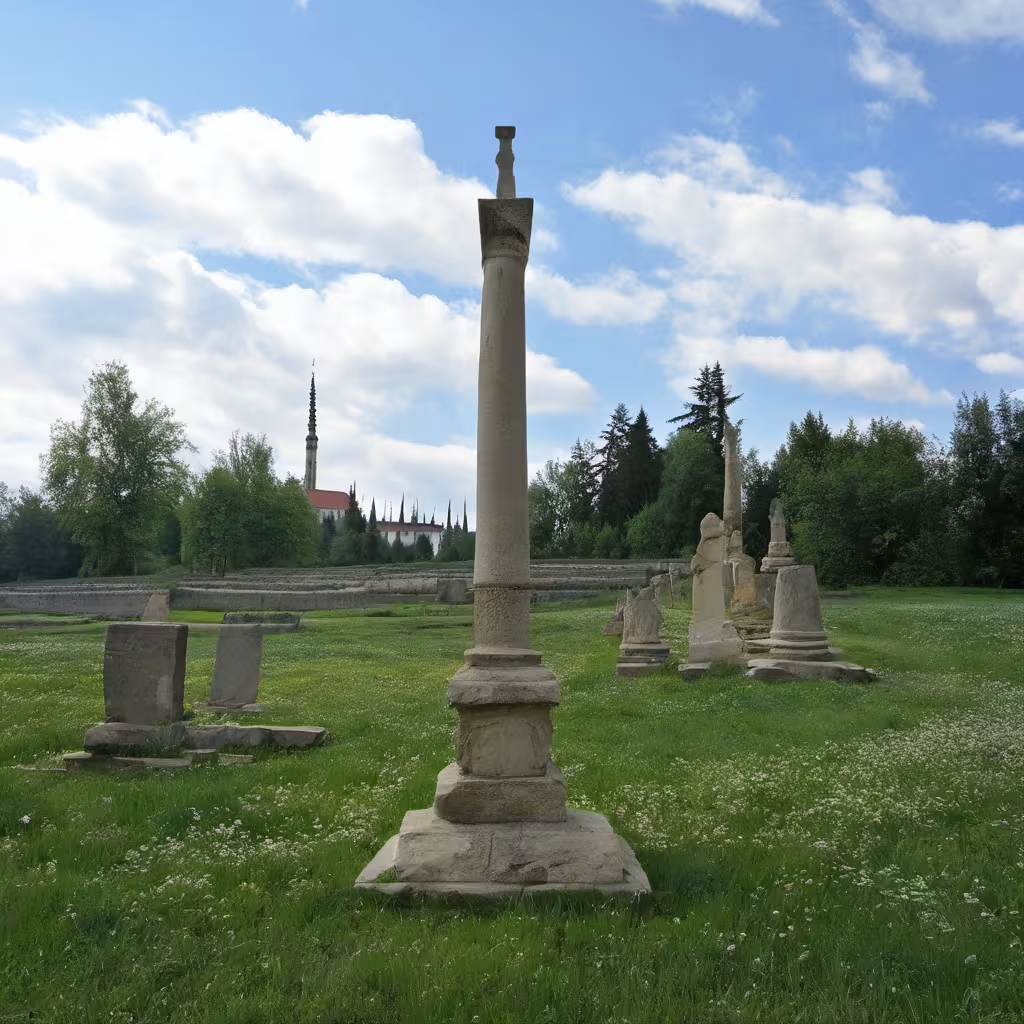
The historical appearance on the left is an AI-generated visualisation and serves as inspiration only.
Historical milestones
- 1666
- The procession on the plinth
Points of interest
- There were wars in Europe with the Ottoman Empire and Protestant Reformations that affected the formation of God's torment in the 17th century.
- Historical sources suggest that the local priests did well, but there are also records of dramatic changes that have affected this memory over time.
- It is believed that God's torment was used as an observer to monitor the movement of troops around the area.
Guide
This guide is narrated by a synthetic voice generated by artificial intelligence.
Show guide text
This text was created by artificial intelligence and has not been editorially reviewed. It may contain inaccuracies.
Welcome! You are standing before one of the most famous and prominent historical monuments in Pilsen - God's torment on the village, which stands as a witness to the rich past of this region. This statue, located at Plaská, Bolevec, is part of a set of Renaissance tortures that boast their uniqueness and beauty.
Let's go into history. In 1666, Boží muka na návsi in Pilsen was rolled on a plinth. Although its creators are unknown, it is clear that it served as a spiritual and moral guide to the local population. During the Middle Ages and the Renaissance, God's torment was built throughout Europe as a warning of punishment in the afterlife, but also as an expression of religious burning.
Look up at the statue and let moving details affect your sense of beauty. Although specific architectural elements are unknown, you can feel its historical significance through artistic motives and symbolism. God's torments often depict scenes from the sermon of the last court, designed to inspire respect and thought.
Although specific historical figures associated with this torture are not known, it is clear that they have become an integral part of Pilsen's spiritual life. It served as a place of prayer and reflection for generations of inhabitants of this Czech metropolis.
The interesting thing about this place is its permanent influence on local culture today. Although its creators remain anonymous, God's torture continues to draw attention to its historical and aesthetic value.
Notice the surrounding environment and let the touching atmosphere of this monument affect your sense of the past. This torture is an exceptional reminder of Pilsen's rich history and its spiritual heritage.
Thank you for your attentive listening. I hope this guide inspired you to explore other attractions that Plzeň offers. Whether you choose other historical monuments or cultural attractions, this area has much to offer. Good luck and pleasant exploration!
Tips for visitors
Best time to visit The torments of God on the village of Pilsen are spring and autumn, when the weather is most peaceful and pleasant. This time of year offers ideal lighting conditions for photography of the statue, especially in beautiful morning and evening colours.
You can park near the sights in local parking lots or streets. For those travelling by public transport, the place is well accessible by bus and tram lines. We recommend checking the current connection before the trip.
When visiting, bring suitable clothes, especially if you are planning to take pictures. Photography of the statue requires attention to details and possibly the use of zoom or long shoots, so suitable clothing can help move around the monument.
Photography of God's torture on the bayou offers various possibilities. The best light is usually in the early morning or late afternoon when the sun is not directly above your head. For interesting angles, try shooting from the baits towards the statue to capture its architectural beauty.
It is possible to visit other Renaissance God's torture in Pilsen in the vicinity of God's torture. These monuments are part of the rich cultural heritage of the region and offer an interesting view of the history and architecture of the region.
Frequently asked questions
Is Boží muka na návsi open to the public?
Yes, it's open to the public all year round. The entrance is free.
How do I get to the place by car / public transport?
The car can be parked in the parking lot near the village. The transport of public transport can be used by Line 1, which stops directly in front of the monument.
How much is the entrance fee and is it paid on the spot?
The entrance is free.
Is the tour suitable for children and seniors?
Yes, it's suitable for all ages. The Statue of God's Torture is placed in a quiet environment and not demanding physical activity.
How long does the tour take?
The tour takes approximately 15-30 minutes, depending on your speed and interest in the statue.
What are the opening times and booking is required?
The monument is open all year round. Reservation is not necessary, but we recommend visiting it in a quiet time.
What's interesting in the immediate vicinity?
There is a historical bell tower and monument to the fallen in the war. The distance from God's torture on the village is approximately 10-15 minutes walk.
For kids
Představ si, že se vrátíš zpět do minulosti. Místo našich aut, kterým jede na silnici, by tady jezdily kočáry a koně. Místo našich domů by stály dřevěné chalupy a vesnice. A místo naší návsi by tu byla malá zelená louka s křovinami.
Kdo tu žil? Bydleli tady lidé, kteří pracovali na polích, v lese a při rybaření na nedalekém potoku. Žili ve dřevěných chalupách a chodili do malé vesnické školy. Vesnice byla malá a všichni se znají.
Businesses nearby
Do you run a restaurant, accommodation, shop, museum, rental, wellness or other visitor service near this monument? Show yourself directly to the people heading to it — this is how they will see you in the app and on the web:
Nearby
ITEX Show interactive overview of the surroundings - restaurants, accommodation, rentals and other places within a 15 km radius.
Data: OpenStreetMap contributors, 15 km radius.
‡ Historical monuments
- Collomazné pec (2.1 km)
- Cathedral of St. Bartholomew (3.1 km - Pearl 64 / 6)
- Cathedral of St. Bartholomew (3.2 km - Republic Square 358 / 33)
- Cathedral of St. Bartholomy (3.2 km)
- Memorial of Franz Joseph Smetany (3.5 km)
- Monument of the magistrate Martin Kopecký (3.5 km)
- Memorial to the victims of communist terror (3.5 km)
- Maloch skalka (4.1 km)
Restaurant and catering
- Archa (3.0 km - Veleslavínová 51 / 20)
- Bar NITRO (3.0 km - Veleslavínová 52 / 18)
- Music Cafe Mlén (3.0 km - Radčická 60 / 40)
- Jazz rock café (3.2 km - Sedláčkova 226 / 18)
- Pizzeria San Marino (3.2 km - Palacký 101 / 9)
- ZACH'S PUB (3.2 km - Palacky Square 31 / 2)
- Restaurant Cardinal Club (3.6 km - Cardinal Berana 1027 / 10)
- Restaurant Alfa (3.6 km - American 663 / 17)
Accommodation
- College of Safranek Pavilon (1.2 km)
- Panorama (1.5 km)
- U Fountain (1.8 km)
- Hotel Roudna (2.6 km)
- Hotel Rango (3.1 km)
- Wallis (3.2 km - Palacký 74 / 11)
- Hotel Stella Garni (3.4 km - Mohyl 871 / 18)
- Astor (3.5 km)
› Rental and sports
- Cyclo Atom (0.8 km)
- Koloseum (0.8 km)
- Specialized Concept Store Plzeň (2.9 km)
- Kalikov Mill (3.0 km)
- Fitnes centre (3.4 km)
- Climbing wall Hannah (4.2 km)
- Ramala (5.4 km)
- Scobike sharing (5.7 km)
© Tourism and nature
- Sel Court U Matoušů (0.1 km - Bolovecká nav 1 / 3)
- Plzeň-Bolevec (hostel) (0.9 km)
- Seneckpond (1.4 km)
- Stone pond (1.5 km)
- Plzeň -Bolevec (arboretum) (1.6 km)
- Košinar (fish.) (1.7 km)
- Rybník Košinariar (1.7 km)
- Plzeň-White Mountain (Guest.) (2.0 km)
Accommodation nearby
Trips and activities nearby
Guided tours, tickets and activities nearby from GetYourGuide
Affiliate link: if you buy from the partner, we may receive a commission. The price for you does not change.
Search tours and activities →Themed route
Thematic cruise route: Boží muka na návsi and surroundings
1.Boží muka na návsi (statue) - Type: Historical statue - Why is it worth visiting: This richly decorated statue is one of the most famous and iconic places in Pilsen. It is located in the middle of the village, which makes it an ideal beginning to explore the history and culture of the village.
2. Church of St. Bartholomew - Type: Historical church - Why is it worth visiting: This Gothic church is the oldest sacral object in Pilsen and is famous for its architectural beauty. Its interior offers a view of the history of the city through works of art and Gothic elements.
3. Plzeň Castle - Type: Historical castle - Why it is worth visiting: Plzeň Castle is not only a dominant view of the city, but also a key historical monument. Its tower and interior provide views of the area and an opportunity to explore the rich history of Pilsen.
4. Brewery House - Type: Historical brewing - Why is it worth visiting: This building is one of the oldest and most famous breweries in Europe. It offers an interesting view of the history of brewing with the opportunity to explore the exhibition about the traditions of Pilsen beer.
5. Brewery Pub U Flek - Type: Historical restaurant - Why is it worth a visit: This inn is the oldest brewery in the Czech Republic, which works continuously. It offers original Pilsen beer and classic Czech gastronomy in a special environment with historical significance.
This route offers a combination of history, architecture and cultural experiences that are characteristic of Plzeň.
Seasonal recommendations
Spring: During the spring period Boží muka na návsi in Pilsen takes on a special atmosphere where a diverse flower palette spreads around the statue. The sun rays illuminate the stone statue with their warm light, which increases its visibility and allows visitors to appreciate the details more fully. Flowers in nearby gardens and trees add an impression of life, making the spring walk extraordinary. It is advisable to take light clothes with you for a visit because temperatures are beginning to rise. The best time to visit is morning or evening, when the crowds are usually smaller.
Summer: Boží muka na návsi takes on life in an atmosphere full of tourists and locals. The sunlight illuminates the statue from different angles, allowing us to observe its details in the best possible light. This season the area is full of blooms and floods of tourist attractions, so it is advisable to visit early morning or late evening to avoid crowds. Early arrival may be crucial for visitors to enjoy a place without unnecessary press. Remember light clothes and sun protection such as hats or sunglasses.
Autumn: In autumn, a visit to God's torment in Pilsen offers a different atmosphere. The sun illuminates the statue at the end of the day, when the colour leaf fabric of trees is spread across the background. This season is ideal for lovers of calm and less demanding weather, because crowds are usually smaller compared to winter or summer. Visit the place in the foresaw hours when the temperature is still pleasant and sunlight illuminates the statue from the best angle. Durable clothing is recommended for colder evenings, but you can also enjoy a short walk in pleasant warmth.
Winter: During winter Boží muka na návsi in Pilsen takes a unique character. Sunshine illuminates the statue in shady colours, giving the impression of peace and quiet. While the surroundings are less green and flowering, you can enjoy bright air and a clean view of the statue without obstacles to vegetation. Visiting a place this season requires warm clothes because winter cold can also be felt inside the city. The opening hours are often shorter, so it is recommended to visit the early morning or in the previous hours when the sun is still above the horizon and illuminates the statue from the best angle.
Visualizations and artistic views


The visualisations are generated by artificial intelligence and serve as inspiration.
Photos from the area
Real photos taken near the monument

Zdroj a licence jsou uvedeny u každého snímku.
Tips from visitors
No tips yet. Be the first!
Log in and add your tip.
Sources and literature
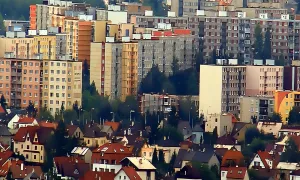
Photos: Milan Zahn / CC BY-SA 4.0, rozlišení zvýšeno umělou inteligencí — Wikimedia Commons. The author and licence also appear when you hover over the image.
Location on the map
Příběhy a pověsti
Legendy, pověsti a příběhy spjaté s touto památkou
Fotografie návštěvníků
Zatím žádné fotografie. Buďte první, kdo přidá fotografii z návštěvy!
Log in a přidejte svou fotografii nebo hodnoťte.
Za ověřenou návštěvu v aplikaci získáte víc bodů — poznáme podle GPS, že jste na místě.
Reviews and comments