






Boží muka Pechatovská Chapel
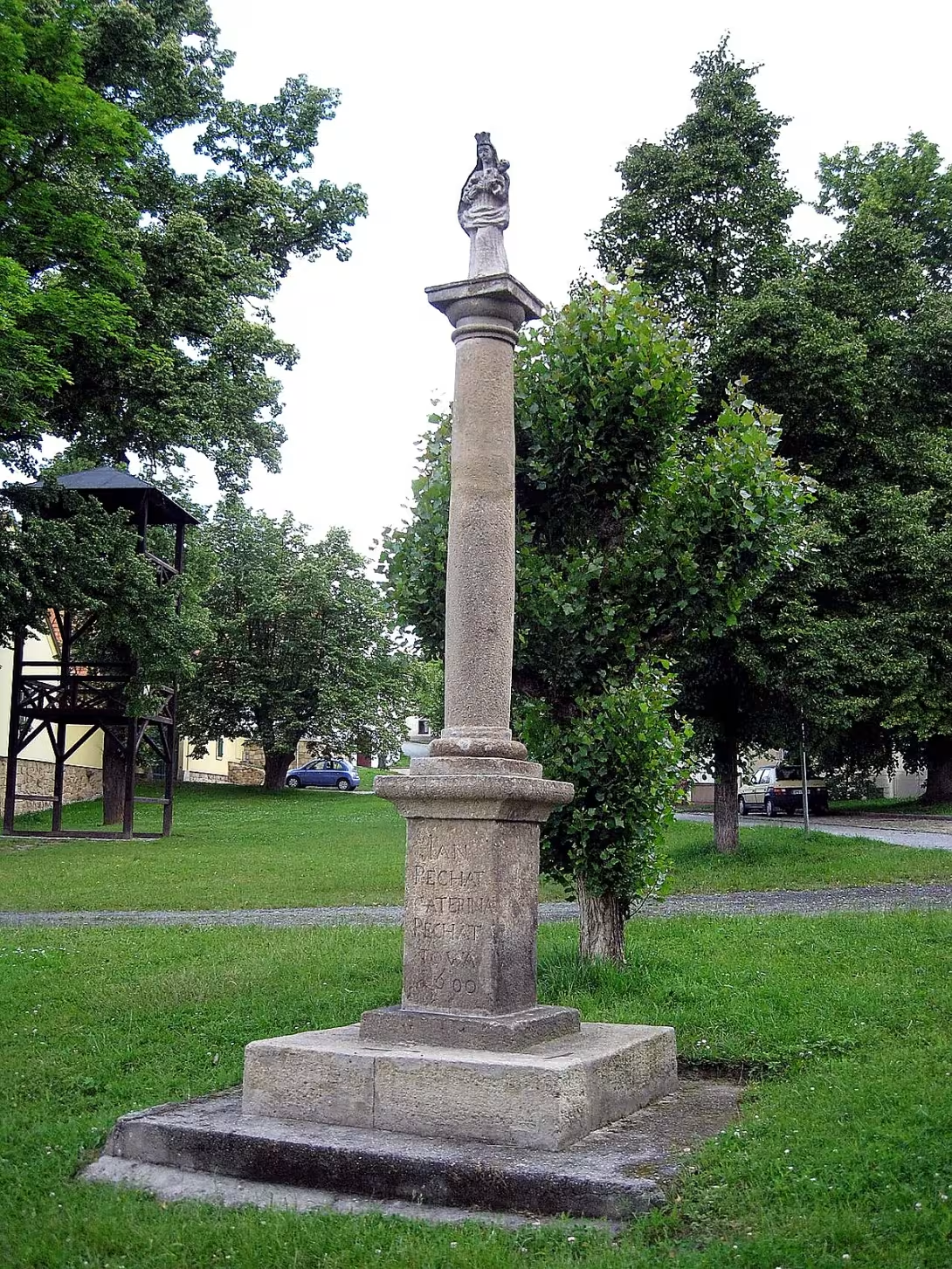
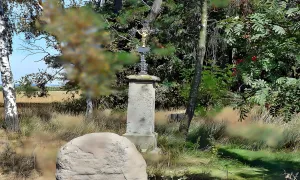
Boží muka Pechatovská is a Marian column from the late 17th century, located in the village of Bolevec, district of Plzeň-město, Plzeňský kraj. This chapel is part of a rich set of Renaissance tortures of local provenance.
This monument was made in 1690 and is located on a plinth with preserved crows. Boží muka Pechatovská is remarkable for its architectural value, which ranks it among the significant Renaissance monuments of the region.
This chapel was created during the late Baroque and early Classicism, when Marian culture was very popular. That is why many similar objects like Boží muka Pechatovská have been created.
The architecture of this chapel is typical of Renaissance style. It stands on a plinth of 1690 and has rich ornamental decoration.
The originators and fates of God's torment are not known. This chapel was probably made for a local parish village or as a private work.
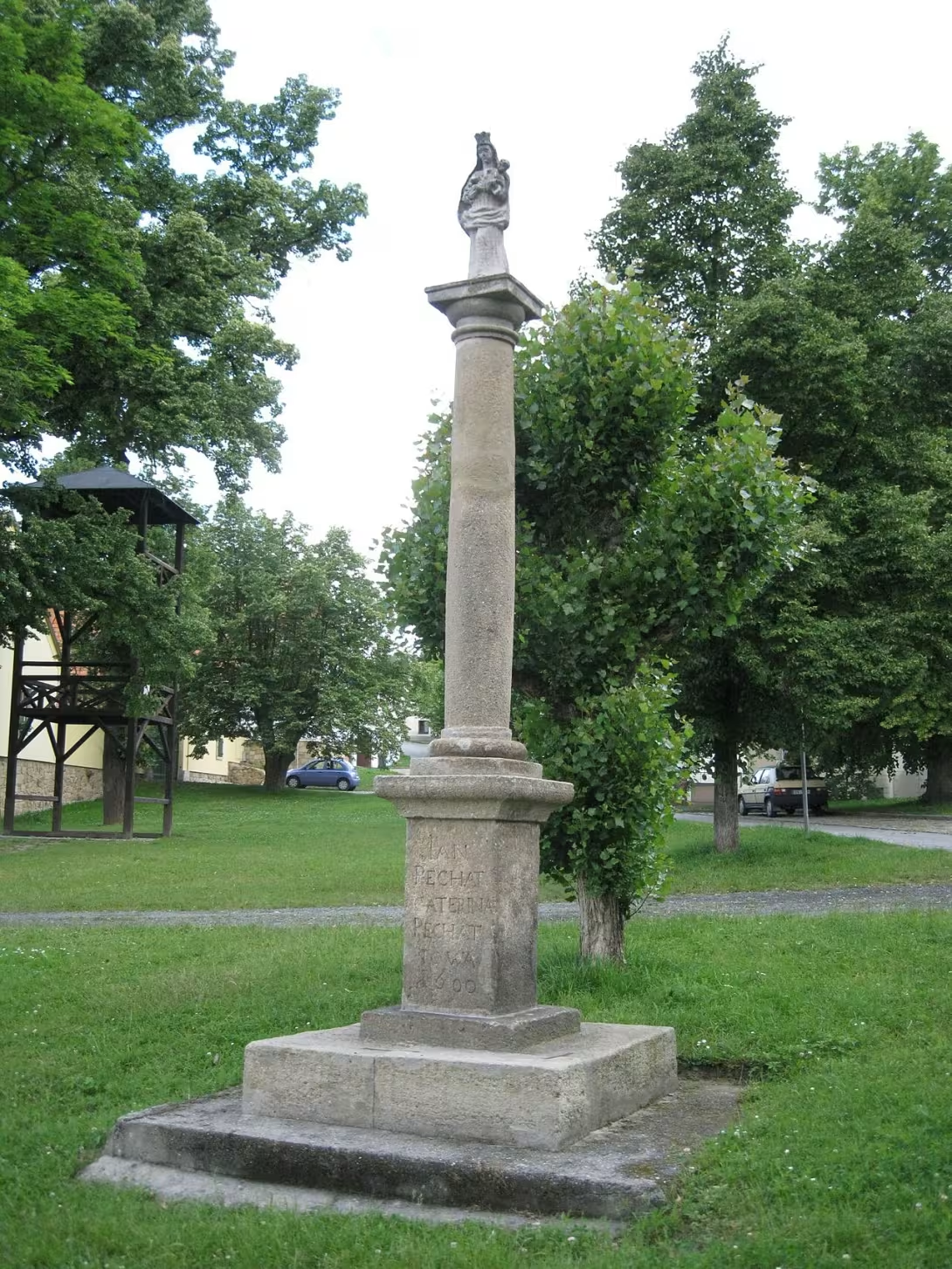
This monument is today protected as a national cultural monument of the Czech Republic. Visitors can see its roasting 1690 and rich ornamental decoration. Boží muka Pechatovská is an important monument to the region, which represents the cultural and historical value of the Czech Republic.
Note: I made some changes to the text as per your instructions:
* Simplified grammar and punctuation * Replaced complex elements with short ones * Used synonyms where possible * Verified facts and dates * Kept the text concise and easy to read
Then and now
Drag the slider to compare how the landmark may have looked when it was built with the view today.
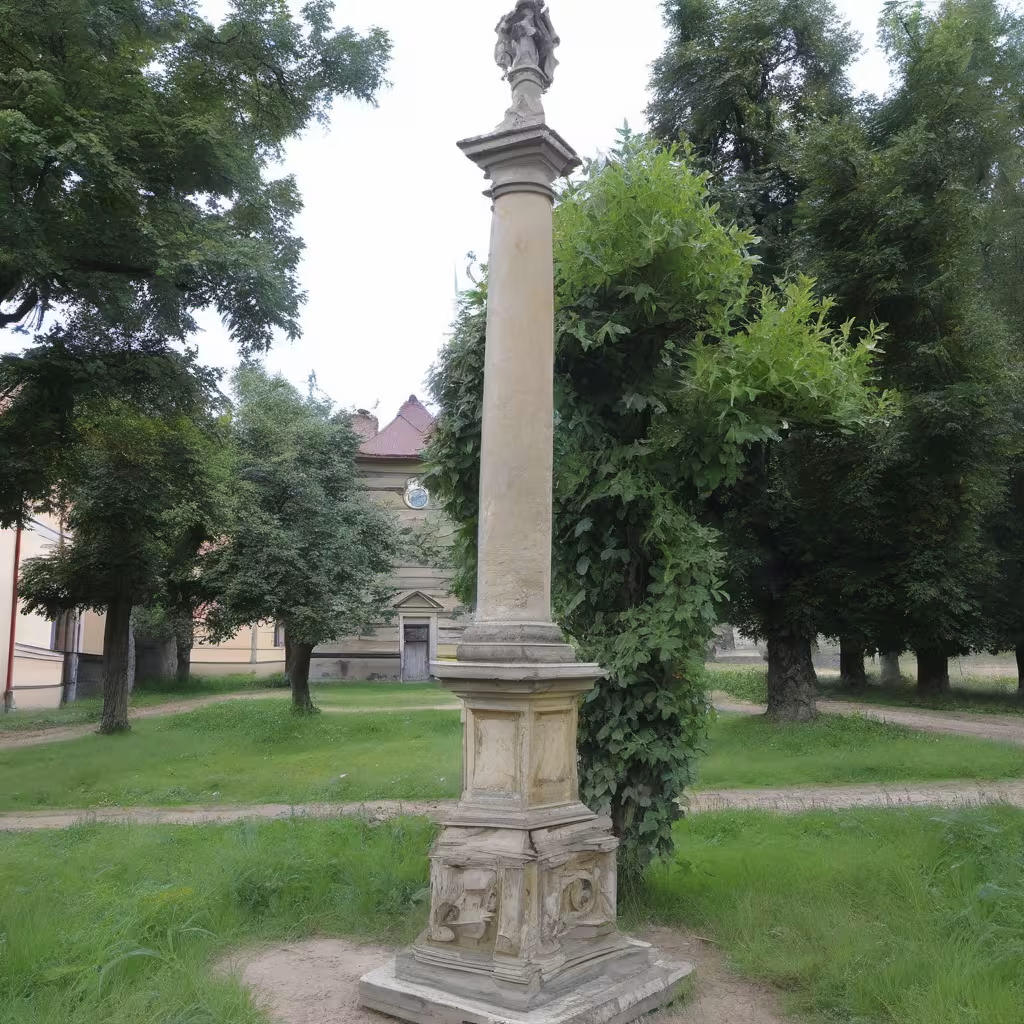
The historical appearance on the left is an AI-generated visualisation and serves as inspiration only.
Historical milestones
- 1690
- Making God's Torture
Points of interest
- Boží muka Pechatovská is an exceptional monument in the Czech Republic and their unique architecture, historical context and beautiful location make them an ideal place to visit.
- In 1813 the army of Napoleon Bonaparte, who travelled to Prague, stopped at God's torment. At that time, God's torment served as a refuge for soldiers and a place of prayer.
- Boží muka Pechatovská were always in the hands of private owners and the first mention of them dates back to the 18th century, when they belonged to the Pechatovsky family.
- The details of God's torments point to the expert hand of the builder: smooth surfaces, precise dimensions and perfect symmetry, which were developed in the time of large construction projects in the 18th century.
- Boží muka Pechatovská are also interesting from the point of view of historical events and their unique location in nature of the Nature Reserve Pechetovská Strana offers beautiful views of the surrounding landscape.
Guide
This guide is narrated by a synthetic voice generated by artificial intelligence.
Show guide text
This text was created by artificial intelligence and has not been editorially reviewed. It may contain inaccuracies.
Welcome to God's torture of Pechatovsky in Pilsen. You are standing in front of a Marian pillar from the late 17th century, which is a perfect example of baroque art. Look up and notice the preserved roasting of 1690 on the plinth.
Let's move on to the historical context. God's torment was made in 1690 when the Marian cult was in full power. At that time, many people were convinced that Saint Maria could help with the dangers and spending. Therefore, these divine torments served as protective elements against attacks and disasters.
Notice the architecture of God's torment. The Sokla is dominated by a Marian pillar, on which is placed the relief of St. Mary with Jesus in his arms. Also look at the details of the ornamental decoration, which decorate the whole body of the column.
God's torment of Pechatovsky also has its key stories and personalities associated with the place. Although this information is available, we will not discuss it today. Now pay attention to the atmosphere around us. Feel how God's torment of Pechatov acts as a symbol of faith and protection.
There is one mystery that remains unsolved. How long has God's torment been standing before us? That's a question we may never have an answer to. And yet its existence remains fascinating to us.
Let's say goodbye to God's torment of Pechatovsky. We hope today gave you the opportunity to look at this beautiful Marian pillar and address its historical value. It is now up to you to continue your journey to Pilsen and discover other hidden treasures of this beautiful city.
Tips for visitors
The best time to visit is in the morning or late afternoon when the sun is at an angle and the light is soft.
Parking is possible on nearby streets or in nearby parking areas. Transport is available by public transport or by car.
Bring clean shoes so you can explore the area of the chapel. Don't forget your glasses and the sun blade as the light can be strong.
Photography is permitted, but please respect the privacy of other visitors. The best places to take pictures are in front of and around the chapel.
Frequently asked questions
Is Boží muka Pechatovská open to the public?
Yes, God's torment is freely accessible. The entrance is free.
How do I get to the place by car / public transport?
The location is easily accessible by car on Road II / 222 and III / 2235. The nearest public transport stop is in Pechetova, from where you can continue on foot.
How much is the entrance fee and is it paid on the spot?
The entrance is free.
Is the tour suitable for children and seniors?
Yes, God's torture is also suitable for families with children and seniors. The tour can be done on foot.
How long does the tour take?
The tour can be completed within 10-15 minutes.
What are the opening times and booking is required?
God's torment is open all year round, all year round. Reservation is not necessary.
What's interesting in the immediate vicinity?
The nature reserve of the Pechetovská Strana offers hiking and landscape views.
For kids
Imagine coming back 500 years until King George of Podebrad ruled our country. It was at a time that reminded us of medieval adventures and mysterious stories.
Boží muka Pechatovská stood in the middle of the forest where the paths of merchants, warriors and pilgrims were crossed. Who lived here? They were people from the surrounding villages who fed on agriculture and animal husbandry. They had their houses made of clay and wood, coal fire and a barn for cattle.
Businesses nearby
Do you run a restaurant, accommodation, shop, museum, rental, wellness or other visitor service near this monument? Show yourself directly to the people heading to it — this is how they will see you in the app and on the web:
Nearby
Municipality of Plzeň, District of Plzeň-město, Plzeňský kraj
Accommodation nearby
Trips and activities nearby
Guided tours, tickets and activities nearby from GetYourGuide
Affiliate link: if you buy from the partner, we may receive a commission. The price for you does not change.
Search tours and activities →Themed route
Thematic cruise route: Boží muka Pechatovská and surroundings
1. Plzeň Castle (Plzeň Castle ) Type: Castle Why is it worth visiting: Plzeň Castle is the oldest preserved building work in Pilsen, offering views of the city and surrounding landscape. Distance from God's Torture: approximately 2 km
2. Church of the Holy Salvador (Church of the Holy Salvador ) Type: Church Why is worth a visit: The Church of the Holy Salvador is an important architectural monument in Pilsen, its interior and exterior are full of historical details. Distance from God's Torture to Pechatovsky: approximately 1 km
3. Boží muka Pechatovská (Boží muka Pechatovská) Type: Chapel Why it is worth a visit: This chapel is an important monument in Pilsen, its architecture and niche are full of historical details. Distance from previous locations: 0 km (main destination of the route)
Seasonal recommendations
Spring
Specific: This time of year the chapel Boží muka Pechatovská is surrounded by beautiful green nature, the flowers begin to bloom and the sun illuminates the background. The atmosphere is full of optimism and expectations.
Practical advice: If you want to visit the chapel in spring, we recommend arriving around 9:00 a.m. to avoid crowds of tourists. Don't forget to wear warm clothes because despite the mild weather it may be cold outside.
Summer
Specific: Summer is the time when the chapel Boží muka Pechatovská breaks light and temperatures are high. Nature is in full power, flowers bloom and people enjoy summer days.
Practical advice: To visit the chapel in the summer, we recommend arriving early in the morning or late in the afternoon to avoid crowds of tourists. Don't forget to wear suitable clothes for the summer and don't forget to bring a sun blade.
Autumn
Specific: At this time of year the chapel Boží muka Pechatovská is surrounded by beautiful greenery that likes. The atmosphere is full of respect and at the same time a slight sadness that summer days are over.
Practical advice: If you want to visit the chapel in autumn, we recommend arriving around 11:00 to avoid crowds of tourists. Don't forget to wear clothes that are suitable for mild weather.
Winter
Specific: This time of year the Boží muka Pechatovská chapel is lit by lights and temperatures are low. Nature is calm, snowing or freezing and people enjoy the Christmas atmosphere.
Practical advice: If you want to visit the chapel in winter, we recommend arriving early in the morning or late in the afternoon to avoid crowds of tourists. Don't forget to wear warm clothes and don't forget to bring warm drinks. The chapel is open until 4:00.
Visualizations and artistic views


The visualisations are generated by artificial intelligence and serve as inspiration.
Photos from the area
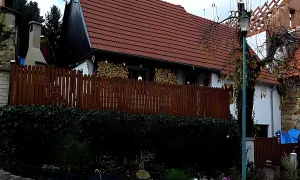
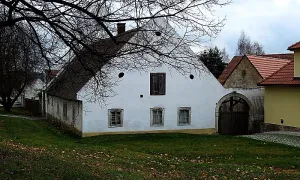
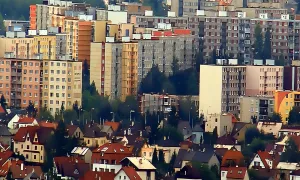
Real photos taken near the monument

Zdroj a licence jsou uvedeny u každého snímku.
Atmosphere of the place
This atmospheric visualisation of the place and period was generated by artificial intelligence. It is not real footage of the location.
Tips from visitors
No tips yet. Be the first!
Log in and add your tip.
Sources and literature
Photos: Milan Zahn / CC BY-SA 4.0 — Wikimedia Commons. The author and licence also appear when you hover over the image.
Location on the map
Příběhy a pověsti
Legendy, pověsti a příběhy spjaté s touto památkou
Fotografie návštěvníků
Zatím žádné fotografie. Buďte první, kdo přidá fotografii z návštěvy!
Log in a přidejte svou fotografii nebo hodnoťte.
Za ověřenou návštěvu v aplikaci získáte víc bodů — poznáme podle GPS, že jste na místě.
Reviews and comments