






Důl Ida Other
Důl Ida is located in HrušovA in Ostrava - the city of Moravian-Silesian region. It is proof of the industrial history of Czech coal mining. This former coal mine, founded by the United Vítkovické stonecoal mines in 1872, underwent numerous transformations reflecting technological progress and political shifts in time. At present, parts of its infrastructure are integrated into the prison complex in Hømanice, which illustrates a unique example of adaptive reuse.
The origin of Důl Ida dates back to the end of the 19th century when it was founded by the United Vítkovické stonecoal mines. The setting-up of the mine coincided with rapid industrialisation throughout Europe, particularly in coal-rich areas such as Moravia-Silesia. Originally named after the wife of Wilhelm Gutmans, the mine became part of Vítkovická upper and metallurgical town (VHHT) in 1895, indicating its integration into a larger industrial enterprise. During World War II, he was incorporated into Herman Göring Werke in 1942 and renamed Hoffnungschacht. Post-war changes saw the mine renamed several times, reflecting political shifts, including being named after Stalin in the mid-20th century.
Důl Ida underwent significant modernization between 1898 and 1912. During this period, the original wooden surface structures were replaced by brick buildings which formed a unique rectangular arrangement. The mine infrastructure was further expanded in 1928 by building a new administrative building. An important feature is the machine hall from the skull of the skeleton, built by large-format bricks and windows, which was preserved as part of the existing prison complex.
The ownership and management of Důl Ida have seen dramatic changes in its history. Originally operated United Vítkovické stonecoal mines until 1895 later became part of the VHT. During World War II, it was incorporated into Herman Göring Werke in 1942. After the war, ownership returned to Czechoslovak state enterprises, reflecting broader political changes.
Among the key events in the history of the mine include its founding in 1872 and deepening its shaft to considerable depth until 1883. The transition from surface mining to underground took place in 1961 when the end of operation in the Ida shaft was marked. This development underlines the technological progress that characterized the operating life of the mine.
Today, Důl Ida is part of a prison complex whose historical infrastructure serves new purposes. Visitors can explore the remains of their industrial past while appreciating the adaptive reuse of its equipment. This site offers a unique view of the mining heritage of the region and serves as a reminder of the industrial evolution of the area.
Důl Ida is an important cultural monument that offers knowledge of the industrial history of Moravia- Silesia. Its transformation from a busy coal mine to part of a modern prison complex underscores its permanent legacy. Visitors are invited to explore this site, where history and current usage gather in fascinating stories about adaptation and resilience.
Then and now
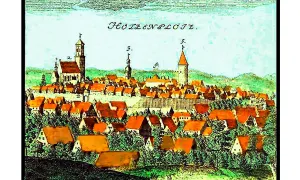
Drag the slider to compare how the landmark may have looked when it was built with the view today.

The historical appearance on the left is an AI-generated visualisation and serves as inspiration only.
Historical milestones
- 1877
- The lower shaft reached a depth of 192 meters.
- 1883
- The mine shaft was deepened to 287 meters.
- 1903
- 1977
- Mining operations ended up in the Ida shaft.
Architectural development
Důl Ida underwent significant modernization between 1898 and 1912, including electrification and structural modernization. The original wooden surface structures were replaced by brick buildings which formed a unique rectangular arrangement. In 1928 a new administrative building was built which strengthens the infrastructure of the complex.
Historical events
1872: Establishment of Důl Ida from the United Vítkovické stonecoal mines.
1895: He became part of Vítkovická's upper and metallurgical city (VHHT).
1942: Renamed Hoffnungschacht during the Nazi occupation and became part of Herman Goering Werke.
1961: Mining operations ended in the Ida shaft and moved to underground mining.
Owners
The mine was originally operated by the United Vítkovice coal mines since 1872, until it became part of the Vítkovice mining and metallurgical town in 1895. During World War II, it was incorporated into Herman Göring Werke in 1942. After World War II, ownership returned to Czechoslovak state enterprises.
Points of interest
- Despite its industrial origin, the head of mine Důl Ida has been preserved and integrated into the prison complex, an innovative example of adaptive reuse, where historical structures serve modern needs.
- The name "Ida" was originally inspired by the wife of Wilhelm Gutmans, stressing how the personal connection affected the naming of conventions in industrial times, and adding a human touch to what might otherwise be perceived as purely functional businesses.
- During World War II, Důl Ida was incorporated into Herman Göring Werke and renamed Hoffnungschacht ("Hope Closing"), reflecting its strategic importance for Nazi Germany's war effort and illustrating how geopolitical events can dramatically change industrial operations.
- The transition from surface mining to underground operation in 1961 meant significant technological progress for Důl Ida, which demonstrated adaptation of mine to evolving technical processes that increase efficiency and safety in coal mining.
- Architecturally, the modernization period between 1898 and 1912 replaced wooden buildings with brick buildings, creating a unique rectangular arrangement that costs time and is now part of the prison complex, mixing industrial heritage with modern applications.
Guide
This guide is narrated by a synthetic voice generated by artificial intelligence.
Show guide text
This text was created by artificial intelligence and has not been editorially reviewed. It may contain inaccuracies.
The Ida mine was a hard coal deep mine located in the eastern part of Hrušov. It belonged to the mines of Vítkovice Mining and Ironworks Company.
It was founded by the Spojené Vítkovické kamenouhelné doly leasing company. It was founded by the Gutmann brothers together with Ignác Vondráček, and from January 1, 1872 it leased the Rothschild mines in Moravská Ostrava. The mine was named after the wife of Wilhelm Gutmann. When the lease ended in 1895, the mine passed to Vítkovice Mining and Ironworks Company.
Sinking of the shaft began in 1872. The shaft initially passed through fifty-five meters of water-bearing layers. In 1875 it measured 141 meters, and by 1883 it was already 287 meters deep. The new owner began modernization in 1898, and between 1900 and 1903 the shaft was deepened to 413 meters. In 1911 and 1912 the mine was electrified. Only the compressors remained steam-driven.
In 1911 the original wooden surface buildings were replaced by new brick structures. This created an exceptional complex with right-angled arranged buildings. Later reconstructions, however, disrupted it insensitively. In 1928 a new administrative building was added.
The machinery equipment also changed. In 1884 a wooden headframe 12 meters high stood above the shaft. Power was provided by a steam-powered winding engine from 1874 with a capacity of 80 horsepower from the machine works of Prince Salm in Blansko. In 1898 it was replaced by a more powerful steam engine. In 1911 the mine received an electric winding engine with a capacity of 2,130 horsepower. It was manufactured by Vítkovice Ironworks, the electrical part was supplied by the Viennese company Siemens-Schuckert. In the same year a new iron headframe 25 meters high was erected, also from Vítkovice. The cages had two levels and could hold eleven miners each. People traveled at a speed of 6 meters per second, coal was hoisted at a speed of 9 meters per second. This machine worked until 1977.
During the occupation from 1942 the mine was called Hoffnungschacht, or the Hopeful mine, and belonged to the Hermann Göring Werke concern. The original name Ida returned on May 1, 1945. In 1946 the mine was renamed Generalissimus Stalin and in 1951 it became part of the Великo Stalin mine. In 1961 direct mining from the shaft ended and Ida became an auxiliary mine. In 1962 the mine was given the name Rudý říjen, and in 1990 Heřmanice. The shaft was filled in 1977.
Tips for visitors
The best time to visit Důl Ida is at the end of spring or early autumn when the weather is mild, making it ideal for exploring ruins and surroundings without extreme temperatures. These seasons also offer beautiful natural lighting conditions that increase the historical environment of the site.
Public transport is accessible; visitors should check current routes and plans using the local transit search tool to find the best connection from their starting point. The bikes are also a good choice for those who stay close.
When visiting Důl Ida, it is advisable to bring comfortable walking shoes because there may be uneven surfaces on the spot. The hat and sunscreen are recommended due to limited shade in open spaces. Moreover, it is necessary, especially during warmer months, to carry water hydrated when exploring ruins and surrounding landscapes.
For photo lovers, early morning or late afternoon provides the best natural light to capture the dramatic structures Důl Ida against soft sky background. The entrance space offers a convincing view of the architecture of the mine, while higher sightseeing points around the site can provide panoramic shots of the postindustrial scenery and nearby historical mines.
Near Důl Ida, visitors can explore other remains of mining region within a 30-minute drive. These include other historic mines offering knowledge of the industrial past of the Moravian-Silesian region. The area is also suitable for families with children who like outdoor activities; nearby parks provide space for picnics and peaceful walks.
Frequently asked questions
Can the monument be visited?
This is a ruin. Such sites are often freely accessible, but some can only be visited with a guide or are closed for safety reasons. We have not verified the current situation – take care and respect any restrictions.
Where is the monument?
Location: Hrušov, Moravskoslezský kraj. The map on this page shows the exact spot.
Why is the monument protected?
It is listed in the Central List of Cultural Monuments of the Czech Republic as a cultural monument (register no. 11285/8-3935).
For kids
Today we want to go on an adventure in a deep mine located in the Moravian-Silesian Region, namely Ostrava. Důl Ida is a cultural monument of the Czech Republic and has a rich history.
It was like 150 years ago when the mine was first dug out. Back then, there were miners looking for gold and silver. Today we can become one of them and explore the secrets of the mine.
Who knew the name of Ida mine had a direct link to Wilhelm Gutmann's wife? It was her who inspired the name of the mine. Until 1953 the mine was even renamed Hoffnungschacht, Generalissimus Stalin's army.
Businesses nearby
Do you run a restaurant, accommodation, shop, museum, rental, wellness or other visitor service near this monument? Show yourself directly to the people heading to it — this is how they will see you in the app and on the web:
Events nearby
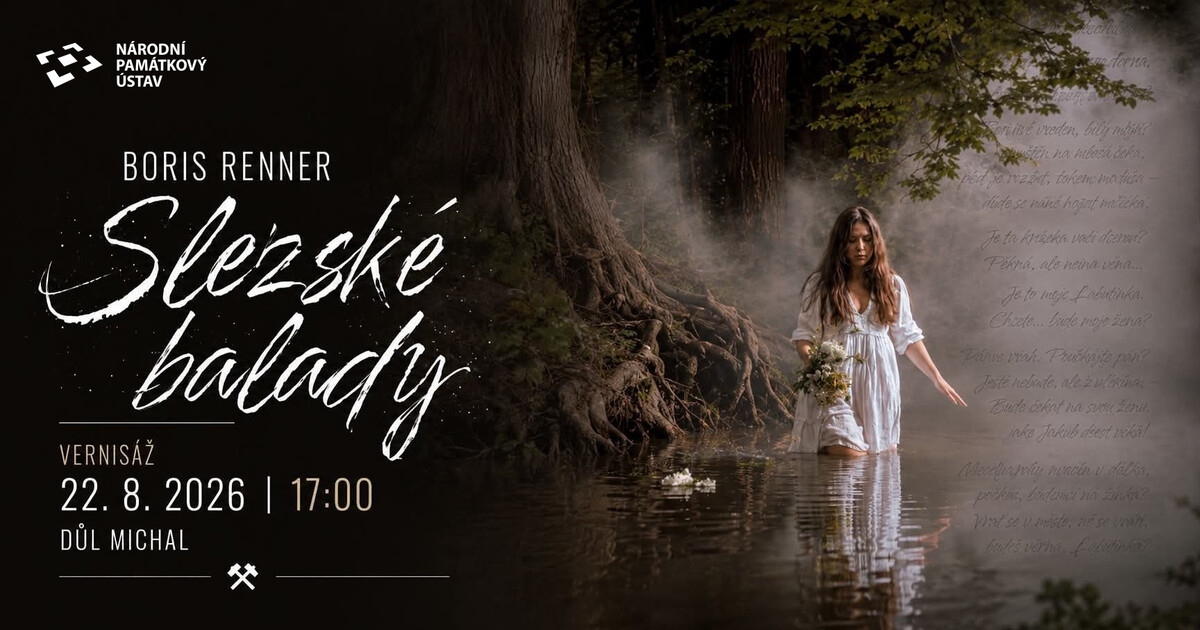
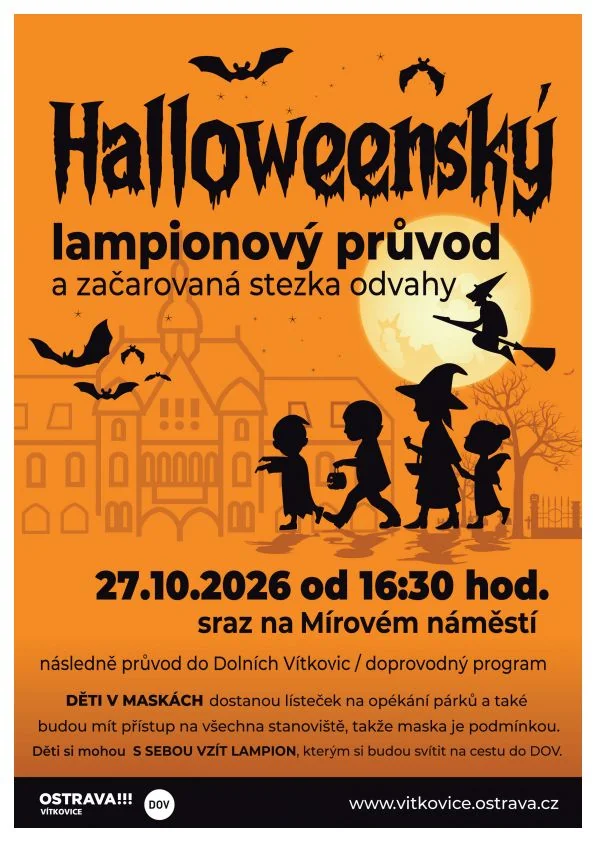
Zdroj akcí: otevřená data měst a obcí ČR (Národní katalog otevřených dat) a kalendář akcí Národního památkového ústavu.
Nearby
Důl Ida is located near the city of Hrušov and is surrounded by remains of its mining past and modern development. The area includes other historical mines and features typical of the post-industrial landscape.
Accommodation nearby
Themed route
Důl Ida (main objective)
* Důl Ida - it is a unique industrial monument that offers a history of brown coal mine. There is an exhibition and the possibility of profiling mines. * Hrušov - a city with rich historical and cultural monuments that are worth fulfilling. YOU CAN RUN THROUGH THE Historical CENTER AND INCLUDE THE LOCAL CHURCH. * Dol Michal - another historical house that is part of the mining complex. You can ask about the history of mining and the contribution to export. * Dvol Michal - The entrance building of the mine, which was built in 1888. It's an interesting example of architecture from the end 19. Century.
Důl Ida (Main attractions)
* Důl Ida - This is a unique industrial monument that offers a view of the history of mining brown coal. There is an exhibition and an opportunity to search the mine. * Hrušov - A city with rich history and cultural monuments is worth a visit. You can walk through the historical center and visit the local church. * Mine Michal - Another historic mine which is part of the mining area. Here you can learn about the history of coal mining and see the exhibition. * Mine Michal - Entrance Building - Original entrance building to the mine, built in 1888. It's a fascinating example of architecture from the late 19th century.
Seasonal recommendations
Spring
In spring Důl Ida is surrounded by beautiful nature. The forests around the mine begin to bloom and green leaves spread throughout the area. The atmosphere is calm and quiet, as if it had left behind the winter. Due to the mild weather, it is an ideal time to visit Důl Ida, allowing you to walk around and enjoy natural beauty.
Practical tips: Visit Důl Ida in spring on working days to avoid larger crowds of tourists. Choose a comfortable and cozy outfit because you will probably walk through the woods and explore the area.
Summer
In the summer season Důl Ida is one of the most visited monuments in the region. We recommend arriving before large crowds gather. The atmosphere is full of energy and life as visitors from all over the region come to see this historic place. Lighting is good, allowing visitors to see every detail of the mine.
Practical tips: Visit Důl Ida early in the morning or later in the afternoon to avoid large crowds. Don't forget to bring enough water and refreshments because the dining options in the area are limited.
Autumn
In autumn Důl Ida is surrounded by beautiful colors of nature. The woods are covered with green and yellow leaves that spread throughout the area. The atmosphere is calm and quiet, as if they had left a summer behind. Due to the mild weather, it is an ideal time to visit Důl Ida, allowing you to walk around and enjoy natural beauty.
Practical tips: Visit Důl Ida in autumn on working days to avoid larger crowds of tourists. Choose a comfortable and cozy outfit because you will probably walk through the woods and explore the area.
Winter
In winter Důl Ida is closed due to poor weather conditions and temperatures. We recommend visiting Důl Ida between March and May or September until November when the weather is milder. The atmosphere is calm and quiet, as if it had left behind the winter.
Practical tips: Visit Důl Ida in winter with warm clothes and shoes because it can be cold and wet. Watch out for wet surfaces to avoid slipping.
Visualizations and artistic views


The visualisations are generated by artificial intelligence and serve as inspiration.
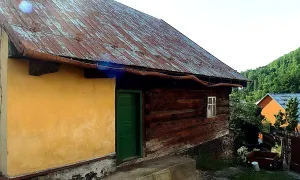
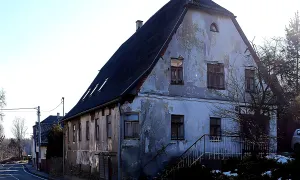
Photos from the area
Real photos taken near the monument

Zdroj a licence jsou uvedeny u každého snímku.
Tips from visitors
No tips yet. Be the first!
Log in and add your tip.
Location on the map

Příběhy a pověsti
Legendy, pověsti a příběhy spjaté s touto památkou

Fotografie návštěvníků
Zatím žádné fotografie. Buďte první, kdo přidá fotografii z návštěvy!
Log in a přidejte svou fotografii nebo hodnoťte.
Za ověřenou návštěvu v aplikaci získáte víc bodů — poznáme podle GPS, že jste na místě.
Reviews and comments